

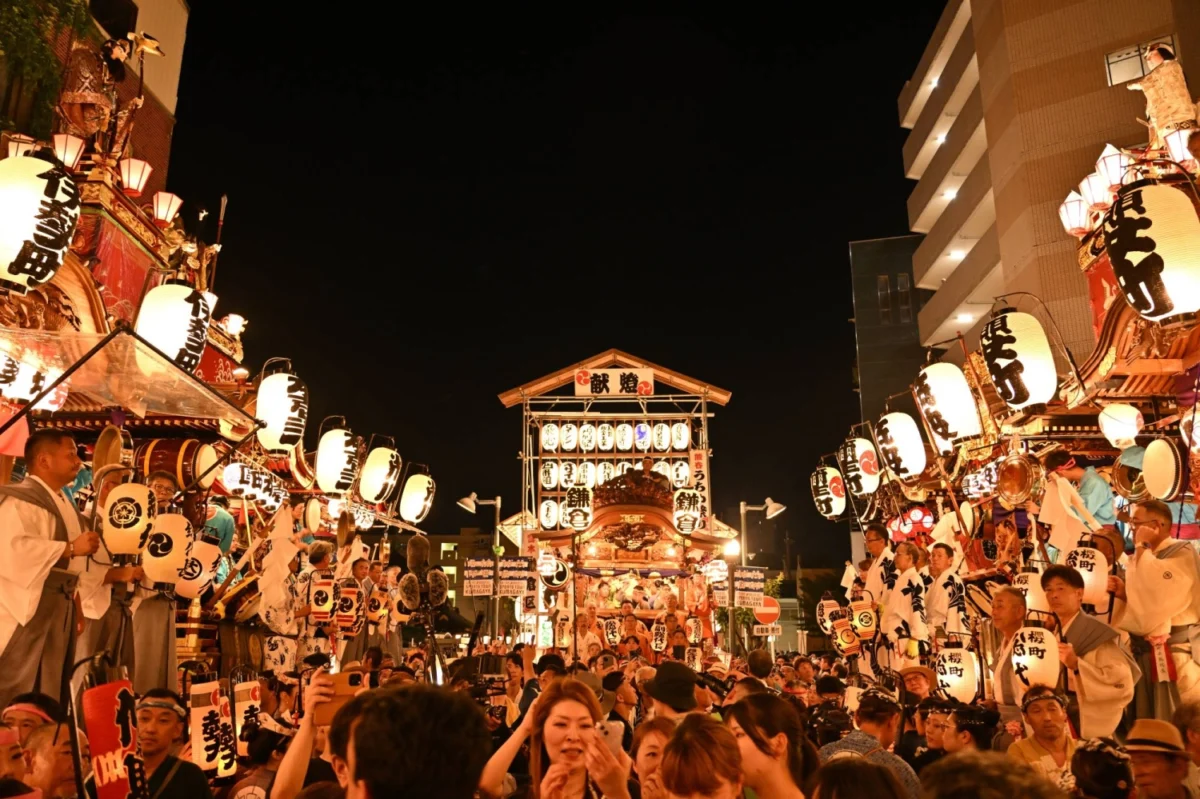
KUMAGAYA, SAITAMA PREF. — The thermometer in downtown Kumagaya is more than a mere instrument of measurement; in late July, it is a statement of defiance. As temperatures routinely climb past the 40-degree Celsius mark (104 degrees Fahrenheit), the asphalt radiates a shimmering, oppressive heat that turns the air into a physical weight. Yet, amidst this sweltering landscape, the city does not retreat into the shadows of air-conditioned rooms. Instead, it erupts into a cacophony of sound, tradition, and collective endurance known as the Uchiwa Festival.
Held annually from July 20 to 22, the Uchiwa Festival is not merely a local attraction; it is the largest matsuri of its kind in the Kanto region, a massive, rhythmic heartbeat that pulses through the streets of Saitama Prefecture. With over 750,000 spectators descending upon the city, the festival serves as a testament to the resilience of Japanese cultural heritage in the face of an increasingly unforgiving climate.
The Cultural Anatomy of the Uchiwa Matsuri
The Uchiwa Festival—literally the "Paper Fan Festival"—is steeped in history, tracing its lineage back to the Edo period. While its roots are found in the local Yasaka Shrine, the event is modeled after the legendary Gion Festival of Kyoto. The goal is spiritual: to pray for the health and prosperity of the city’s inhabitants during the grueling summer months.
The festival’s centerpiece is the dashi (floats). There are 12 of these towering, ornate structures, each pulled through the streets by teams of dedicated participants. These floats are more than just artistic displays; they are acoustic war machines. Musicians perched atop the structures engage in a fierce, melodic competition, with drums, gongs, and flutes creating a "sustained aural onslaught." The intensity of the sound is designed to be all-encompassing, drowning out the anxieties of the modern world and replacing them with the raw energy of tradition.
A Chronology of the Three-Day Spectacle
The festival operates on a strictly choreographed timeline, each day building upon the spiritual and communal fervor of the last.
July 20: The Awakening
The festivities begin with the Togyo-sai, a ritual where the deity from the Yasaka Shrine is transported to a temporary mikoshi (portable shrine). This day is characterized by the initial assembly of the 12 floats in the city center. As the sun sets, the floats are illuminated by traditional lanterns, casting long, flickering shadows against the modern storefronts of Kumagaya.
July 21: The Climax
The second day is the peak of the festival’s physical intensity. Known as the Togyo-sai peak, this is when the 12 floats converge at designated intersections. The sound competition reaches its zenith here. The atmosphere is electric; the air, already thick with humidity, becomes saturated with the scent of street food—yakisoba, takoyaki, and cooling shaved ice—and the smell of sweat from the men and women pulling the heavy wooden wheels of the floats.
July 22: The Benediction
The final day focuses on the Kankyo-sai, the return of the deity to the Yasaka Shrine. After three days of high-octane performance and public celebration, the mood shifts toward a sense of gratitude. The floats, once the site of chaotic joy, are slowly dismantled, and the city begins the transition back to the rhythm of ordinary life, albeit with a renewed sense of communal bond.
Climate Change and the "Heat Island" Paradox
Kumagaya has long held the reputation as one of the hottest cities in Japan. This is due, in part, to its geographical location in the northern Kanto Plain, where mountain ranges trap heat, and in part to the "urban heat island" effect.
As global temperatures rise, the logistical challenges of hosting a massive outdoor festival have become a point of serious discussion. In recent years, local organizers have implemented rigorous safety protocols:

- Hydration Stations: Dozens of cooling tents are distributed throughout the parade route.
- Medical Triage: Mobile medical units and volunteer paramedics are stationed every few hundred meters.
- The "Uchiwa" Symbolism: The festival’s namesake, the uchiwa (flat paper fan), is more than a souvenir. It is a vital tool for personal cooling, and thousands are distributed for free to help spectators manage the heat.
Official Responses and Public Safety
The Kumagaya City government and the Uchiwa Festival Committee have faced pressure to modernize the event without sacrificing its traditional character.
"The festival is our identity," says a city official involved in the planning. "To cancel it due to heat would be to surrender our heritage. Instead, we have adopted a philosophy of ‘active adaptation.’ We monitor the Wet Bulb Globe Temperature (WBGT) constantly. If the readings reach a critical danger level, we have contingency plans to shorten the routes or increase the frequency of breaks for the float pullers."
These measures have been praised by health experts, who acknowledge that the cultural importance of the festival serves a psychological purpose. In a society that can often feel fragmented by the pressures of urban life, the shared experience of the festival provides a crucial social anchor.
Implications: The Future of Cultural Festivals
The Uchiwa Festival raises a pertinent question for the future of cultural preservation in the 21st century: How do we maintain traditions that were designed for a different climate in an era of extreme weather?
The success of the Uchiwa Festival suggests that tradition is not a static object to be preserved in a museum, but a living, breathing entity that evolves. The integration of modern heat-safety technology into a centuries-old ritual is not a compromise; it is an evolution.
Furthermore, the economic implications are significant. With 750,000 visitors annually, the festival is a massive stimulus for local businesses. The hotels, restaurants, and shops of Kumagaya rely on this three-day surge to sustain their operations throughout the year. The festival is, therefore, an essential economic pillar for the city, linking the prosperity of the present with the spiritual prayers of the past.
The Human Element: An Enduring Legacy
To witness the Uchiwa Festival is to understand the paradox of Japanese culture: a deep reverence for the past combined with a fierce, pragmatic approach to the present. The individual who walks the streets of Kumagaya in a yukata during the festival is not just playing a role; they are participating in a collective act of defiance against the elements.
As the sun beats down and the drums thunder, the heat becomes secondary. The sound of the gongs, the sight of the lanterns, and the sweat on the brow of one’s neighbor create a moment of profound unity. In that silence between the beats of the drum, one realizes that the festival is not about the heat, nor is it about the noise. It is about the fact that, regardless of how high the mercury climbs, the community gathers, the floats move, and the tradition survives.
For the observer, the Uchiwa Festival is a reminder that culture is the ultimate defense against the harshness of the world. It is a celebration of human endurance, a ritualized prayer for better days, and a vibrant, sweating, loud, and beautiful demonstration that as long as there are people willing to pull the floats, the spirit of Kumagaya will never cool.
Data Summary: The Uchiwa Festival by the Numbers
- Annual Attendance: ~750,000 spectators.
- Number of Floats: 12 ornate dashi.
- Duration: 3 days (July 20–22).
- Average Peak Temperature: Consistently reaching or exceeding 40°C.
- Historical Significance: Modeled after Kyoto’s Gion Festival; largest of its kind in Kanto.
As we look toward the future, the Uchiwa Festival stands as a blueprint for how historical events can navigate the challenges of climate change. By prioritizing public health, investing in safety infrastructure, and fostering deep community involvement, Kumagaya ensures that its most cherished tradition will continue to echo through the streets for generations to come.











