

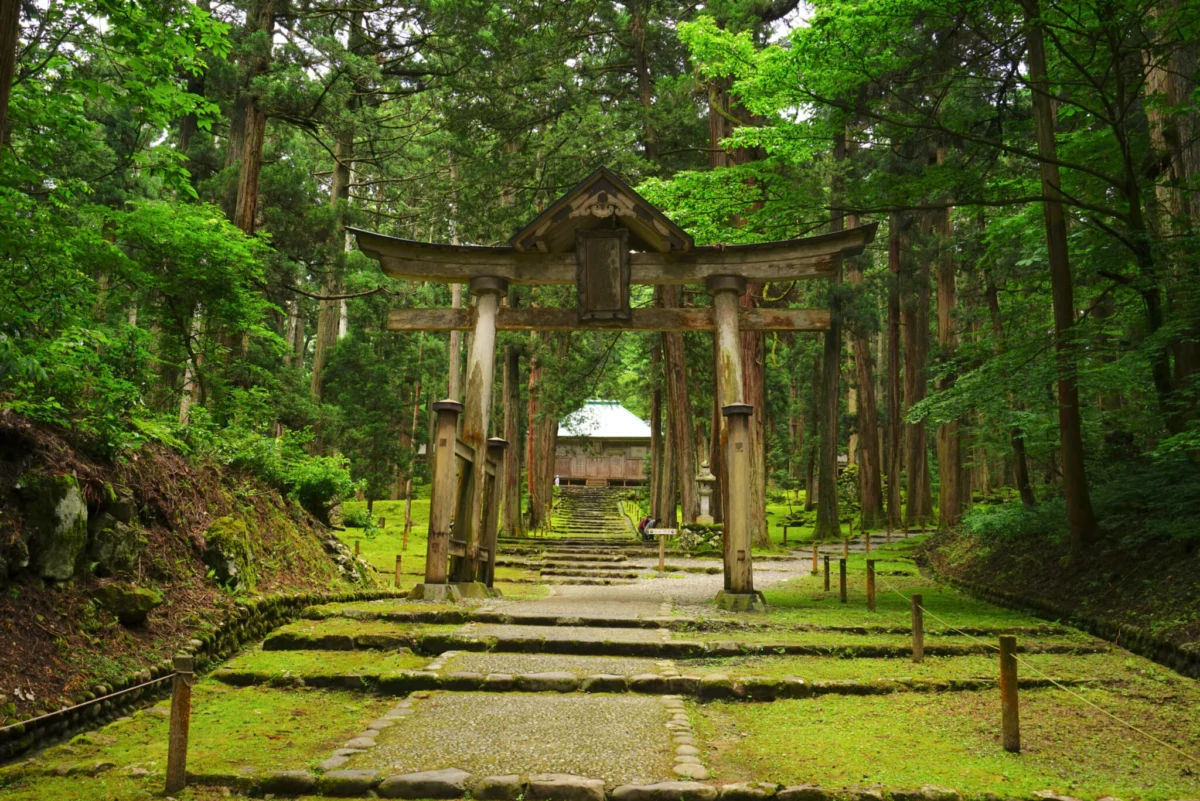
While global landscaping trends often prioritize the explosive color of seasonal blooms or the geometric precision of manicured turf, Japan has long cultivated a quieter, more profound botanical obsession: koke, or moss. Across the Japanese archipelago, these humble bryophytes—primitive, non-vascular plants—have been elevated to a status of high art, serving as the velvet foundation for some of the world’s most sacred and serene landscapes.
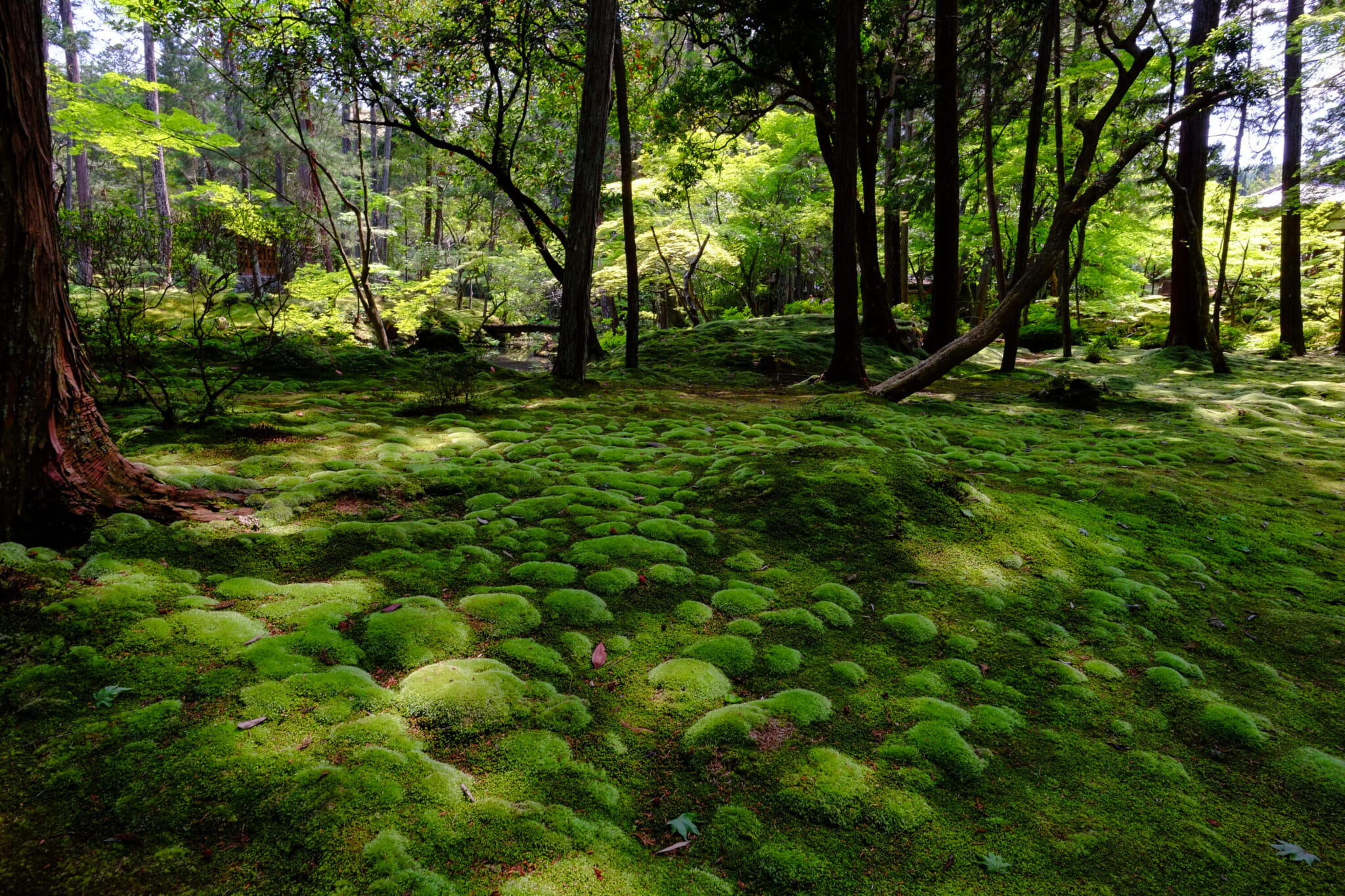
With over 2,500 distinct species thriving in Japan’s humid, temperate climate, moss is more than just a groundcover; it is a living chronicle of the Japanese aesthetic. From the ancient, dripping forests of Yakushima to the meticulously raked gardens of Kyoto’s Zen temples, koke represents the physical embodiment of wabi-sabi—the profound appreciation for imperfection, impermanence, and the quiet dignity of aging.

The Philosophy of the Green Carpet: Why Japan Loves Moss
To understand the Japanese fascination with moss, one must understand the cultural framework of wabi-sabi. In Western gardening, growth is often associated with vigor, size, and vibrant floral displays. In Japan, the moss-covered stone lantern or the velvet-draped temple root signifies something else entirely: time.
Moss does not rush; it waits. It requires humidity, shade, and, above all, patience. By nurturing moss, gardeners are essentially partnering with time itself. This connection has sparked a modern cultural phenomenon: the rise of the "moss girl" (koke-girl), a subculture of enthusiasts who carry magnifying glasses on hiking trails to study the intricate, jungle-like architecture of these miniature ecosystems. This shift toward "micro-tourism" has allowed even the most urban travelers to find a meditative retreat in the smallest of spaces.
Chronology and Evolution of the Moss Garden
The practice of cultivating moss in Japan is not a recent trend, but a centuries-old tradition that has evolved alongside Buddhist architecture.
- 14th Century (Muromachi Period): The formalization of the moss garden as a Zen tool. Zen monk Muso Soseki, a pioneer of landscape design, began incorporating moss to create an atmosphere of "eternal stillness" at sites like Saiho-ji.
- 16th – 17th Century (Edo Period): The rise of the strolling garden. Moss was utilized as a complementary element to stone lanterns and winding streams, providing a soft, natural aesthetic that grounded the structural elements of the garden.
- 20th Century (Showa Period): The modernization of moss. Landscape architect Mirei Shigemori famously broke with tradition in 1939, using moss in geometric, modernist patterns, proving that this ancient plant could bridge the gap between antiquity and contemporary design.
- 21st Century: The digital age of moss. With the advent of social media and eco-tourism, moss-viewing has moved from the cloistered walls of temples to the forefront of Japanese travel itineraries, with dedicated "moss tours" now a staple in national parks.
The Curated Zen: Japan’s Masterpiece Gardens
For those who wish to see moss elevated to a high art form, Japan’s temple gardens offer a breathtaking, disciplined look at the plant.
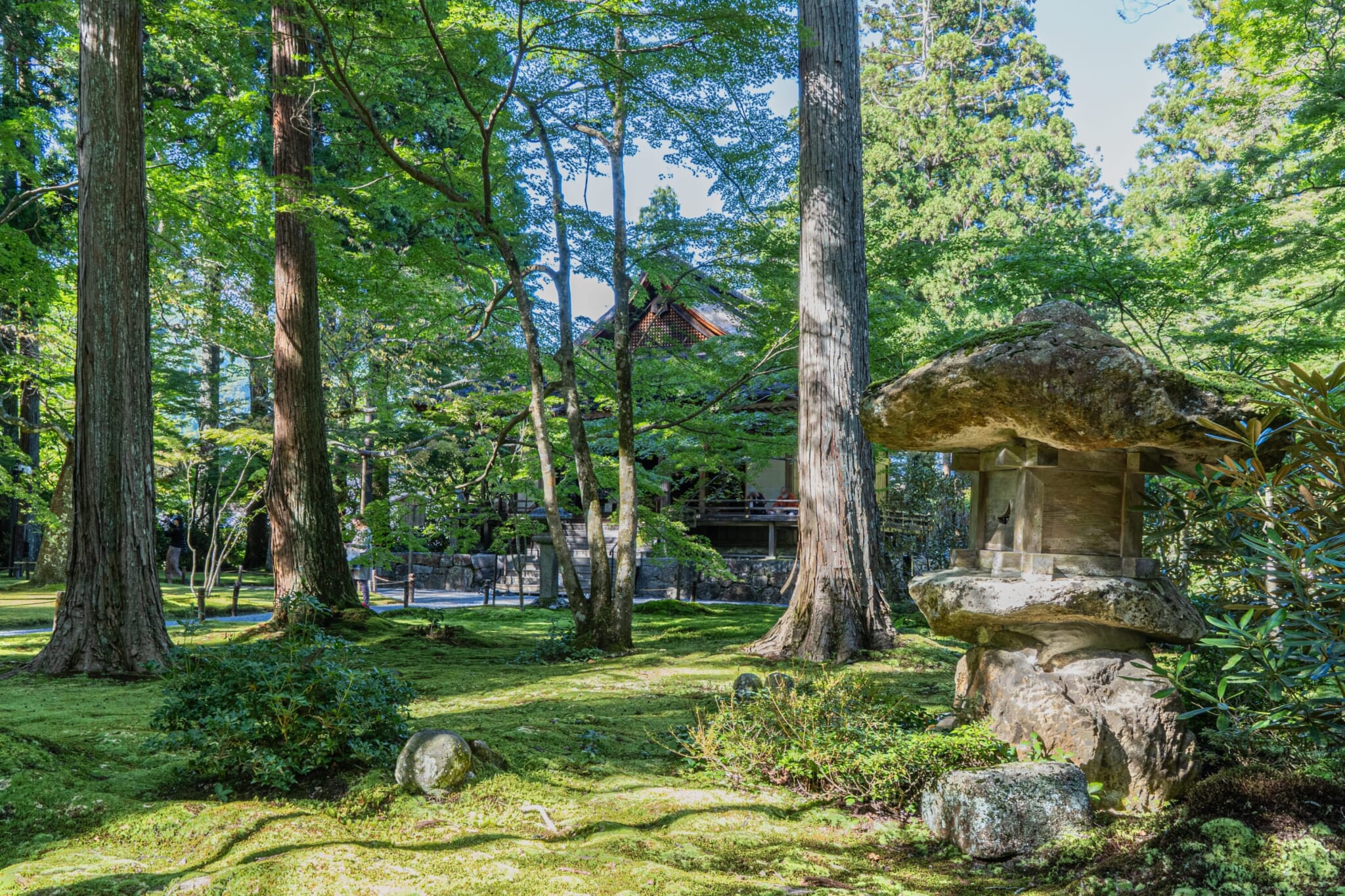
Saiho-ji: The "Kokedera" (Moss Temple) – Kyoto
As a UNESCO World Heritage site, Saiho-ji is the definitive pilgrimage for any moss enthusiast. Home to over 120 varieties of bryophytes, the garden acts as a deep, verdant ocean.
- Official Protocol: To preserve the delicate ecosystem, the temple mandates a pre-visit Buddhist activity (such as sutra copying).
- Accessibility: Entry is by reservation only, weeks or months in advance, via their official website.
- Expert Insight: Visit during the morning slots to see the morning light catch the dew on the moss, creating a luminous, emerald glow.
Sanzenin Temple (Yusei-en Garden) – Ohara, Kyoto
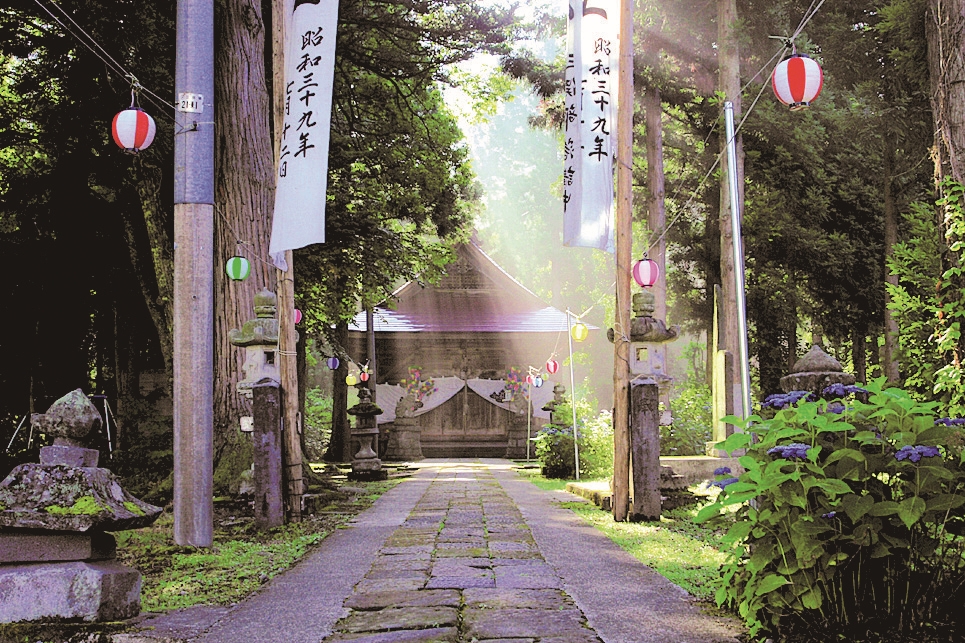
Located in the rural mountains of Ohara, Sanzenin is famous for its "smiling jizo"—small stone guardian statues nestled into a thick, lush carpet of moss beneath towering cedars. The cooler, higher elevation keeps the moss vibrant throughout the year.
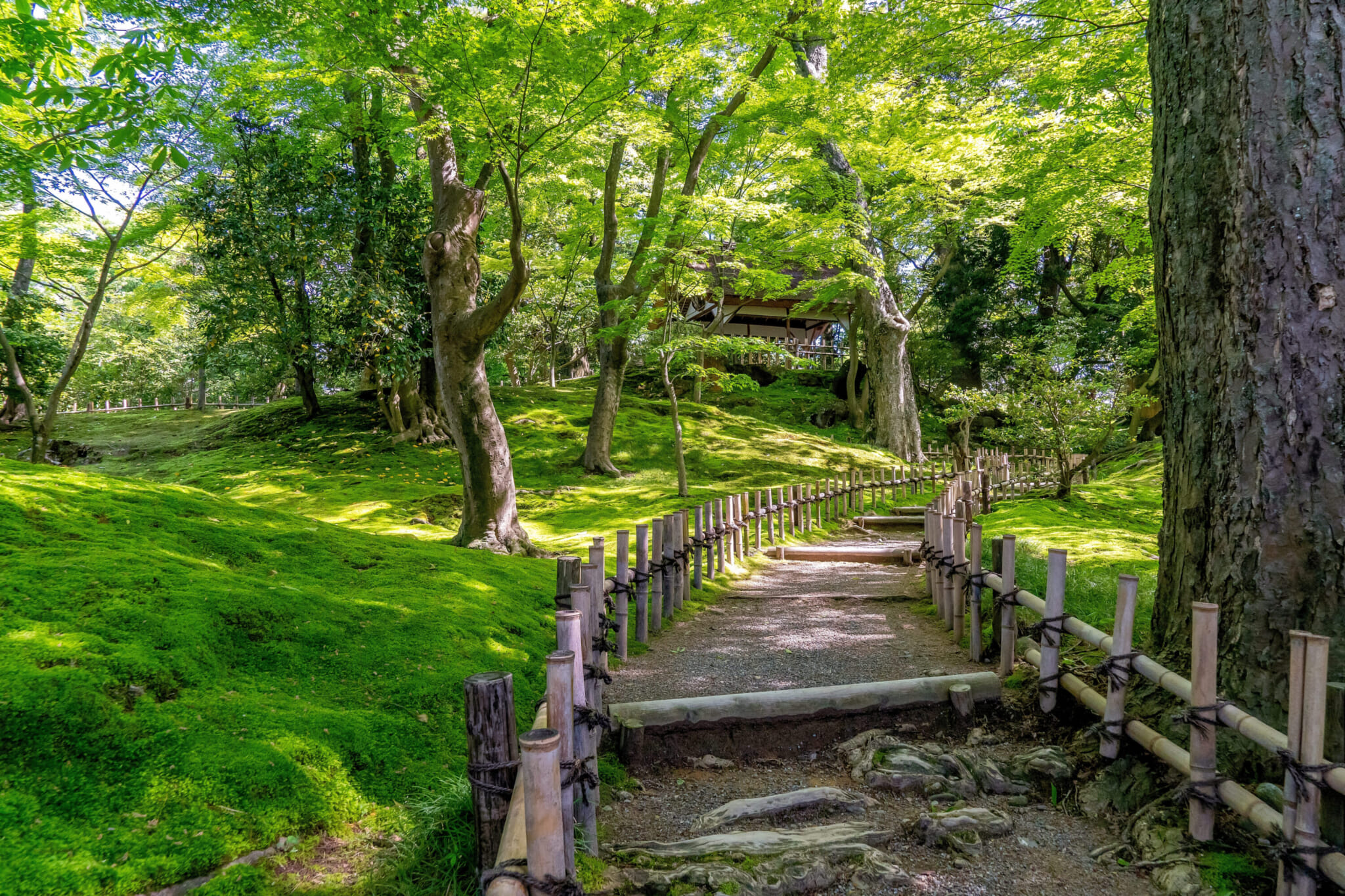
Tofukuji Temple (Hojo Gardens) – Kyoto
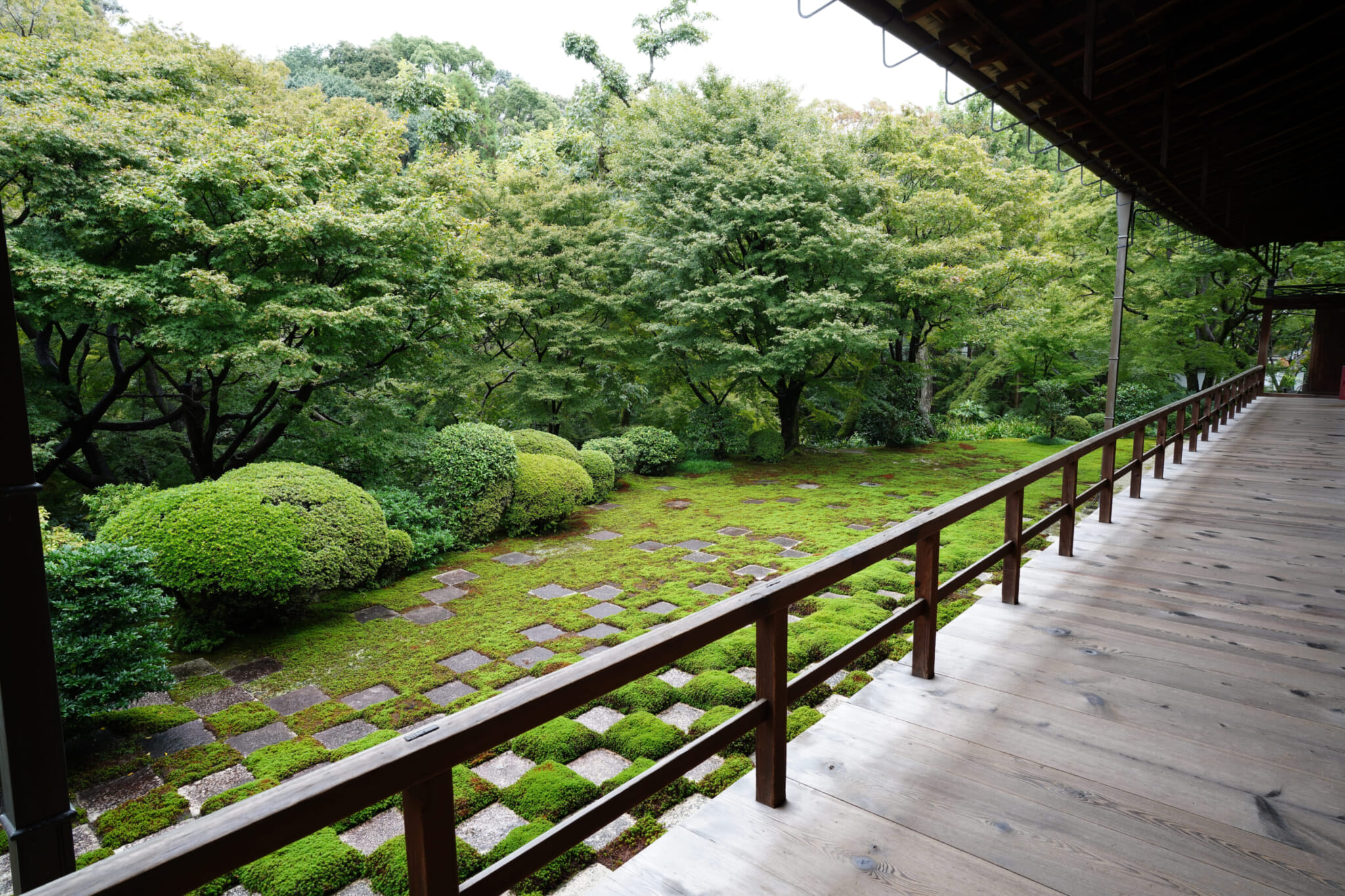
Designed by Mirei Shigemori, this site represents the avant-garde of moss gardening. The Hojo Garden features a checkerboard of moss and stone, demonstrating a striking, modern interaction between nature and man-made geometry.
The Reclaimed Sacred: Shrines and Untamed Wilderness
Beyond the manicured walls of the garden, some of Japan’s most powerful sites have been naturally reclaimed by moss, offering a more mystical experience.
Heisenji Hakusan Shrine – Fukui
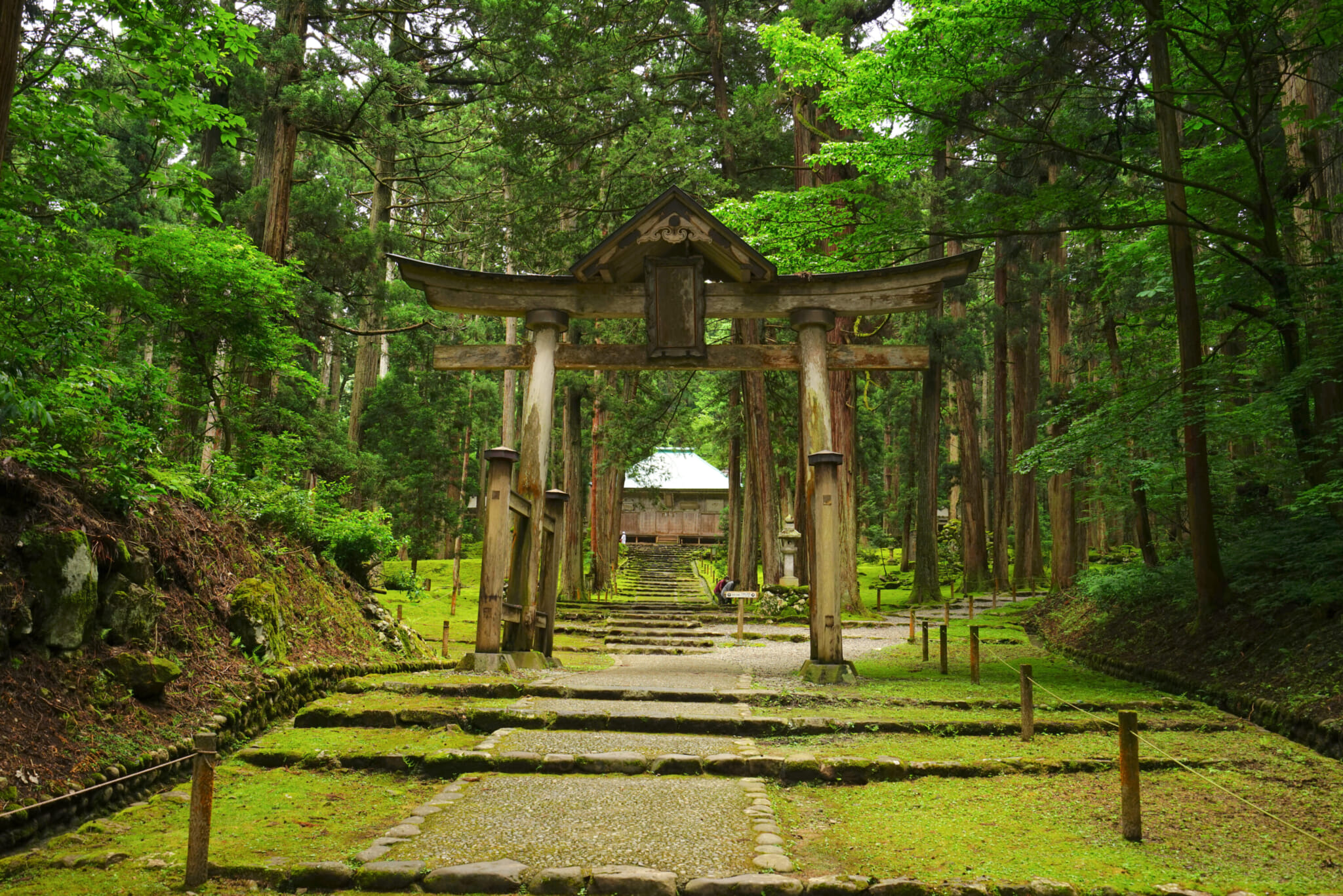
Known as the "Moss Shrine," this massive 20,000-square-meter complex is a testament to the power of nature. Founded in 717, the site was once a massive temple complex. Today, it is an otherworldly forest where moss covers every inch of the ancient stone pathways, making a rainy day visit feel like stepping into a Studio Ghibli film.
Hakone Shrine – Kanagawa
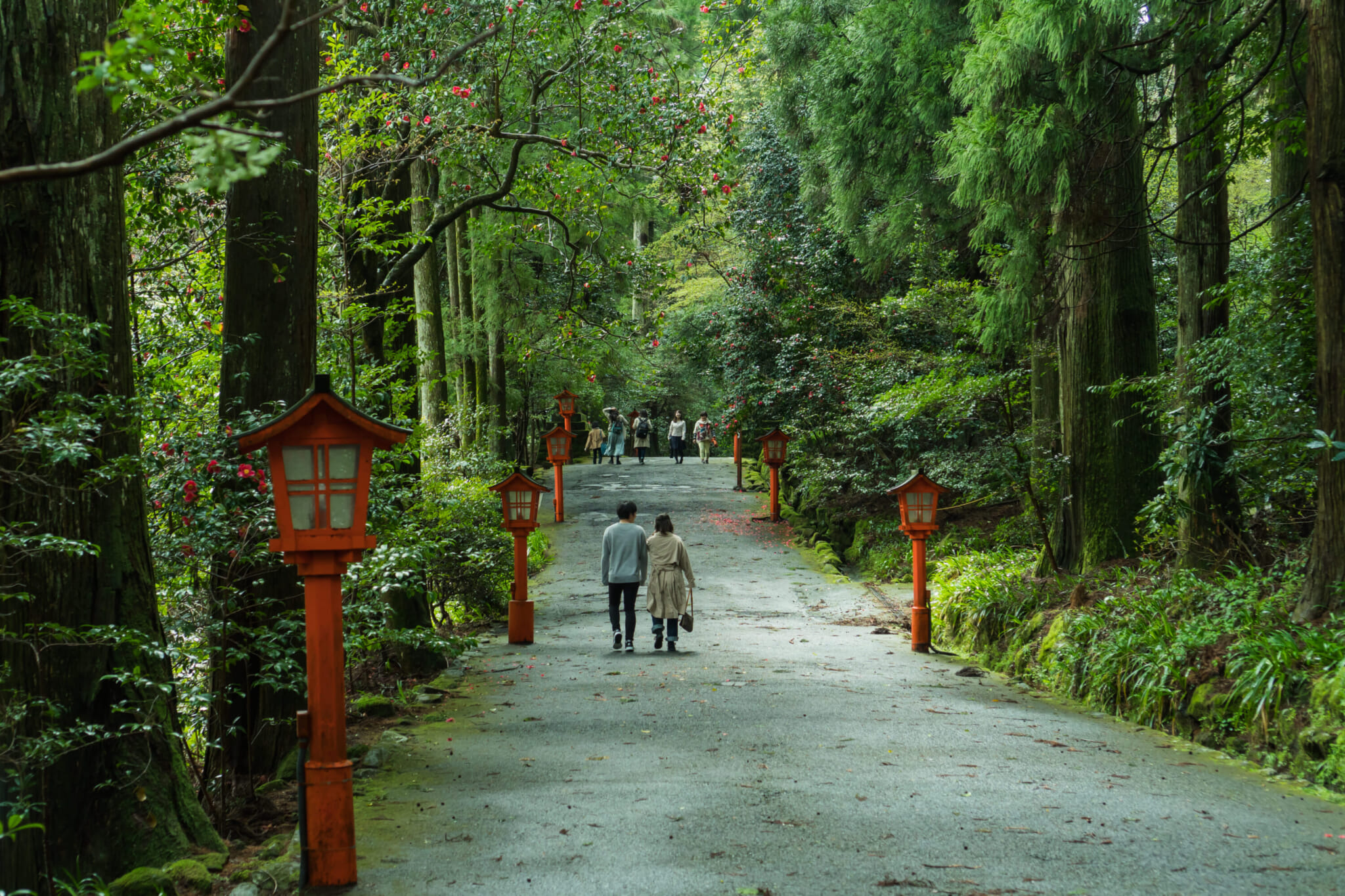
While the "floating" red torii gate on Lake Ashi draws the crowds, the inland approach to the shrine is a hidden gem. The dense, quiet forest path is flanked by massive, moss-swallowed stone walls that evoke a sense of ancient, fairy-tale history.
The Wild Kingdom: Moss Forests for the Adventurous
For those who prefer their moss in the wild, Japan’s diverse climate zones offer three distinct "moss kingdoms."
- Koke no Mori (The Moss Forest), Nagano: Located near Lake Shirakoma, this subalpine forest is a bryophyte laboratory. With over 500 species, it is the premier spot for organized moss walking tours where experts guide visitors to inspect the "mini-fauna" of the forest floor.
- Yakushima Island, Kagoshima: A subtropical paradise that served as the primary inspiration for the film Princess Mononoke. The high rainfall of the Shiratani Unsuikyo Ravine creates a thick, "furry" layer of moss that covers everything, from ancient cedar roots to massive boulders.
- Oirase Mountain Stream, Aomori: In the far north, the rushing waters of the Oirase river create a constant, humid mist. Here, the moss thrives on rocks directly within the rapids, creating a shifting, seasonal tapestry of color.
Seasonal Dynamics: A Scientific Perspective
The visual appeal of Japanese moss is heavily dictated by the moisture cycle. According to botanical data from the Japanese Botanical Society, the plant’s health is directly correlated with humidity levels rather than light exposure.
- The Tsuyu (Rainy Season) Effect (June–July): This is the peak period. The constant precipitation allows the moss cells to become fully turgid, causing them to expand and glow with a vibrant, neon-green hue.
- Autumn Contrast (September–November): As the deciduous maples shed their leaves, the red and gold foliage settles onto the dark, dense moss. This creates a high-contrast visual that is a primary driver of seasonal tourism in Kyoto.
- Winter Dormancy (December–March): Moss enters a state of dormancy. While it may lose its "neon" brightness, it takes on a sophisticated, olive-drab tone, particularly in the northern prefectures where it is shielded by snow.
Implications for Eco-Tourism and Conservation
The rise in popularity of "moss tourism" brings both opportunities and significant responsibilities. Many temple sites, including Saiho-ji, have implemented strict visitor caps and reservation requirements to prevent soil compaction and damage to the moss layers.
Expert Advice for Responsible Viewing:
- Stay on the Path: Moss is extremely delicate. Foot traffic can destroy years of growth in a single afternoon.
- Avoid Dry Seasons: If you visit during a heatwave, expect the moss to look "tired." Always check local weather reports to ensure the moss has had recent rainfall.
- Respect the Silence: These locations are often active religious sites. The "moss-viewing experience" is intended to be a silent, meditative act of observation, not a standard sightseeing tour.
Conclusion: Finding the Infinite in the Small
Japan’s relationship with moss is a poignant reminder of the importance of slowing down. In a world that demands instant results and high-visibility success, the moss garden stands as a silent monument to the power of persistence and the beauty of the overlooked. Whether you are walking the ancient, moss-covered paths of the Heisenji Hakusan Shrine or simply observing a patch of green on a stone in an urban Kyoto alley, you are participating in a tradition that celebrates the very essence of life: quiet, steady, and beautifully persistent.












No comments yet. Be the first to join the conversation!