The intersection of professional content creation and the insular, deeply passionate Fighting Game Community (FGC) has long been a source of creative tension. This week, that friction manifested in a viral moment at EVO 2026, the world’s largest fighting game tournament. During a high-profile exhibition match, streamer and entrepreneur Ludwig Ahgren found himself at the center of a social media firestorm after a candid comment regarding his streaming habits ignited a fierce debate about authenticity, community stewardship, and the business of content creation.
The Context: EVO 2026 and the Friday Night Showdown
EVO 2026, held at the Las Vegas Convention Center from June 26 to June 28, remains the pinnacle of the competitive fighting game calendar. With twelve featured titles, including the industry juggernaut Street Fighter 6, the event serves as both a grand stage for professional athletes and a massive cultural touchstone for the gaming industry at large.
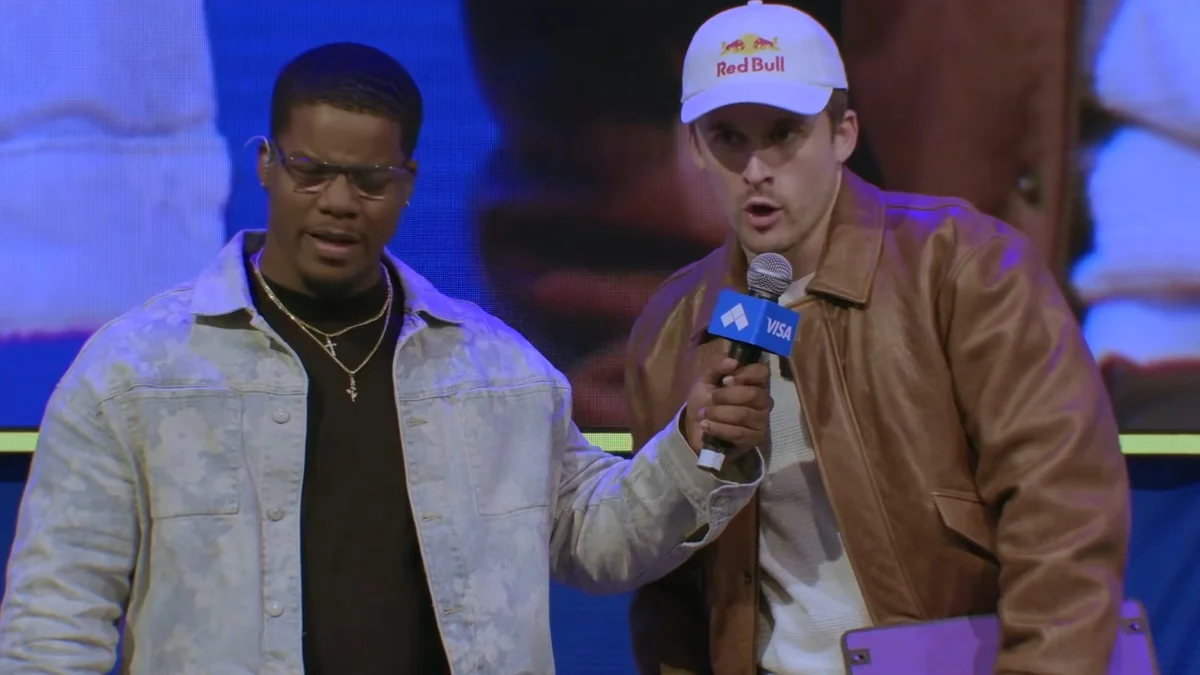
As part of the event’s "Friday Night Showdown," organizers sought to bridge the gap between mainstream internet personality and competitive gaming pedigree. The marquee exhibition featured a first-to-10 Street Fighter 6 match between Ludwig and Tyler1—a clash of two titans of the streaming world. The event was intended to be a lighthearted capstone to the first day of competition, a showcase designed to bring eyes to the FGC from outside its traditional borders.
The Chronology of the Controversy
The catalyst for the current discourse occurred mid-broadcast on the main stage. During a lull in the action, Tyler1—known for his blunt, unfiltered interview style—questioned Ludwig about his perceived lack of Street Fighter 6 content in the lead-up to the event. The question was a direct inquiry into the streamer’s commitment to the title, implicitly asking why a creator with Ludwig’s reach wasn’t leveraging his platform to champion the game more consistently.
Ludwig’s response was immediate and characteristically pragmatic: "I like Street Fighter, but I also like viewers."
Within minutes, the clip was extracted, clipped, and uploaded to X (formerly Twitter). The reaction was swift and polarized. Within the hour, the phrase became a rallying cry for critics who felt that the comment was dismissive of the FGC’s grind-heavy culture. By the time the sun had set over Las Vegas, the narrative had solidified: the internet believed Ludwig was being labeled as a "tourist" who only engages with the community when it suits his own metrics.
The Anatomy of the Backlash
The criticism leveled against Ludwig can be categorized into two distinct complaints.
First, there is the "authenticity argument." Many long-term FGC members view the community as a meritocracy where status is earned through time, effort, and high-level play. From this perspective, a creator openly prioritizing "viewers" over the game itself feels like a betrayal of the community’s foundational ethos. To the hardcore enthusiast, the game should be the end, not the means.
Second, there is the "disrespect" argument. Critics posited that even if Ludwig’s sentiment was honest, saying it on the main stage of the world’s most prestigious fighting game event was a tactical error. It was perceived by some as an insult to the professional players who have dedicated years to mastering the game without the guarantee of massive viewership numbers.
Viral posts began to circulate, with one user noting, "I like Street Fighter but I also like viewers is a sentence I never thought I’d hear on an Evo stage. Dunno if I’m angry or disappointed, probably both."
Ludwig’s Rebuttal: A "Made Up" Drama
As the digital noise reached a crescendo, Ludwig addressed the situation directly on June 27. His response was categorical, rejecting the premise that the online discourse reflected the reality on the ground at the Las Vegas Convention Center.
"I am actively at EVO meeting FGC fans and we are all having a good time in real life with each other," Ludwig stated. "This is a made up twitter drama from a sloptuber."
By labeling the criticism as "made up" and dismissing the outrage as the product of "sloptubers"—a term often used to describe content creators who thrive on churning out sensationalized, low-effort commentary on minor internet controversies—Ludwig effectively drew a line between the "online" narrative and the "in-person" experience. He argued that the vitriol seen on social media was a manufactured product, disconnected from the actual atmosphere of the event, where he claimed to be receiving positive engagement from the very community the internet claimed he had offended.
Supporting Data: The Creator’s Track Record
The defense of Ludwig was equally swift, driven by his long-standing history of investing in the grassroots fighting game scene. Supporters were quick to point out that Ludwig’s relationship with the FGC is not purely transactional.
Specifically, fans pointed to his involvement with the Super Smash Bros. Melee community. Ludwig has been a vocal and financial proponent of the scene, famously hosting and funding tournaments at a significant personal loss to ensure the game’s longevity. These supporters argued that a creator who drops hundreds of thousands of dollars to support a dying or niche scene has clearly earned the right to be candid about the economic realities of content creation.
The argument here is one of nuance: Does the fact that a creator makes a living from their audience invalidate their genuine passion for a hobby? For many in the modern gaming landscape, the answer is a resounding no. They argue that the "viewer" comment was merely a statement of fact: as a professional, Ludwig must balance his personal interests with the demands of his career.
Implications for the Future of Esports and Streaming
The "Ludwig Incident" at EVO 2026 highlights a deeper, structural shift in how esports events are marketed and consumed. As traditional tournament organizers struggle to maintain the viewership numbers required to satisfy sponsors, they are increasingly relying on "crossover stars" to fill the seats and the stream.
However, this strategy creates a recurring conflict. When you bring in a massive personality who prioritizes viewership, you invite a corporate and entertainment-first mindset into a community that is deeply protective of its identity.
1. The Monetization of Passion
The friction suggests that the FGC may need to reconcile its status as an "esport" with its identity as a "community." If the FGC wants the mainstream exposure that comes with influencers like Ludwig or Tyler1, it must accept the accompanying "creator" mindset—one that views games as content vehicles.
2. The Power of "Clipping"
The speed at which the clip went viral demonstrates the danger of modern event production. In an era where every second of an event is being recorded by thousands of smartphones and amplified by algorithmic content farms, there is no "off the record." Every candid remark is now subject to global scrutiny.
3. Community Resilience
Ultimately, the incident reveals the resilience of the live event experience. Ludwig’s claim that he was having a "good time in real life" with fans suggests that the divide between the "online community" and the "local community" is wider than ever. The toxicity of social media, while loud, often fails to penetrate the physical walls of the convention center, where shared enthusiasm for a game usually overrides secondary political or social grievances.
Conclusion
The controversy surrounding Ludwig at EVO 2026 is less about a single sentence and more about the evolving definition of what it means to be a "part" of a community. In 2026, that definition is fluid. A creator can be a massive financial benefactor, a casual fan, a business-minded streamer, and a tournament attendee all at once.
While the "I like viewers" comment will likely be remembered as a footnote in the history of EVO, it serves as a stark reminder of the tension inherent in the professionalization of gaming. As long as streamers are the primary vehicle for esports growth, the friction between the cold, hard metrics of viewership and the warm, unquantifiable passion of the fighting game community will continue to flare up—one viral clip at a time.