

As the sweltering heat of a Tokyo summer descends upon the city, the urban sprawl offers a sophisticated refuge. Beyond the ubiquitous convenience stores and air-conditioned shopping malls, Tokyo’s cultural institutions have curated an exceptional season of exhibitions that provide both respite and intellectual stimulation. From the groundbreaking lens of pioneering women photographers to the haunting, velvet-black mezzotints of Parisian-based masters, this summer’s lineup is a testament to the city’s enduring status as a global art capital.
Whether you are a seasoned collector, an aspiring artist, or simply a visitor looking to escape the humidity, the following selection of exhibitions offers a rigorous, diverse, and deeply moving exploration of human creativity.
The Cultural Landscape: Why Now?
The current exhibition cycle in Tokyo is marked by a deliberate effort to broaden historical narratives. Institutions are moving away from traditional, male-dominated canons and instead opting for exhibitions that highlight the "outsider," the technical pioneer, and the cross-cultural exchange.
The underlying theme of this season appears to be "reclamation"—reclaiming the contributions of women in photography, reclaiming the historical importance of printmaking, and examining the architectural synthesis that defined Japan’s modernization. By hosting these shows, Tokyo’s museums are not merely displaying art; they are engaging in a dialogue about identity, history, and the evolution of the creative spirit.

A Curated Chronology of Tokyo’s Must-See Exhibitions
I’m So Happy You Are Here: Japanese Women Photographers
For decades, the global perception of Japanese photography was monopolized by a handful of men—Moriyama, Araki, and Sugimoto. I’m So Happy You Are Here, organized by Bunkamura at Hikarie Hall, serves as a necessary correction to this record. Featuring 30 photographers and over 200 works, this is the largest iteration of the traveling exhibition to date.
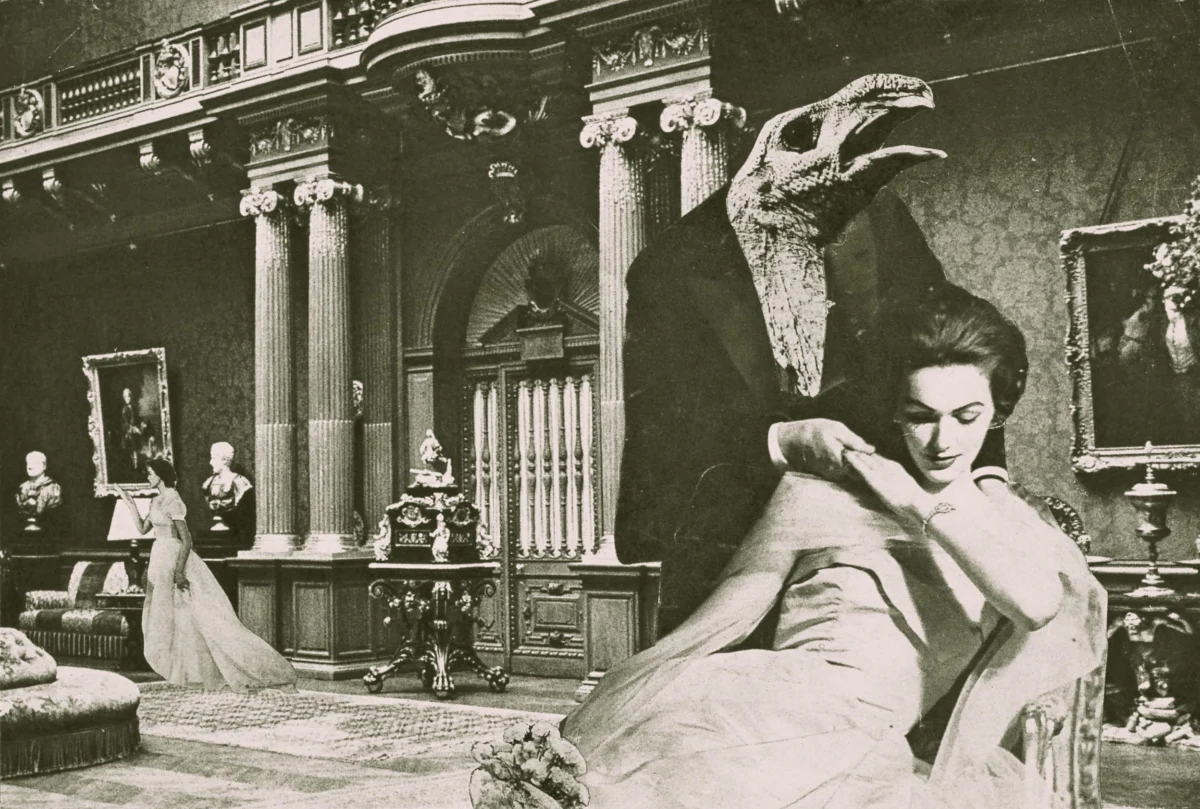
The exhibition spans the 1950s to the present, showcasing artists like Toshiko Okanoue, whose surrealist collages remain as unsettling today as they were mid-century. The inclusion of contemporary voices, such as Aya Fujioka’s Here Goes River, provides a poignant bridge between the past and present, exploring the atomic history of Hiroshima through a quiet, everyday lens.
Hiroshi Sugimoto: Extinction
At the National Museum of Modern Art, Tokyo, the legendary Hiroshi Sugimoto confronts the fragility of his own medium. As the art world shifts definitively toward digital formats, Sugimoto’s masterful gelatin silver prints—once the pinnacle of darkroom alchemy—now feel like relics of a vanishing age. This retrospective, his first major solo show in Japan since 2005, presents 60 prints that define his career, from the Theaters to the Seascapes.
Strata in Gestation: The Curated Eye of Yoshitomo Nara
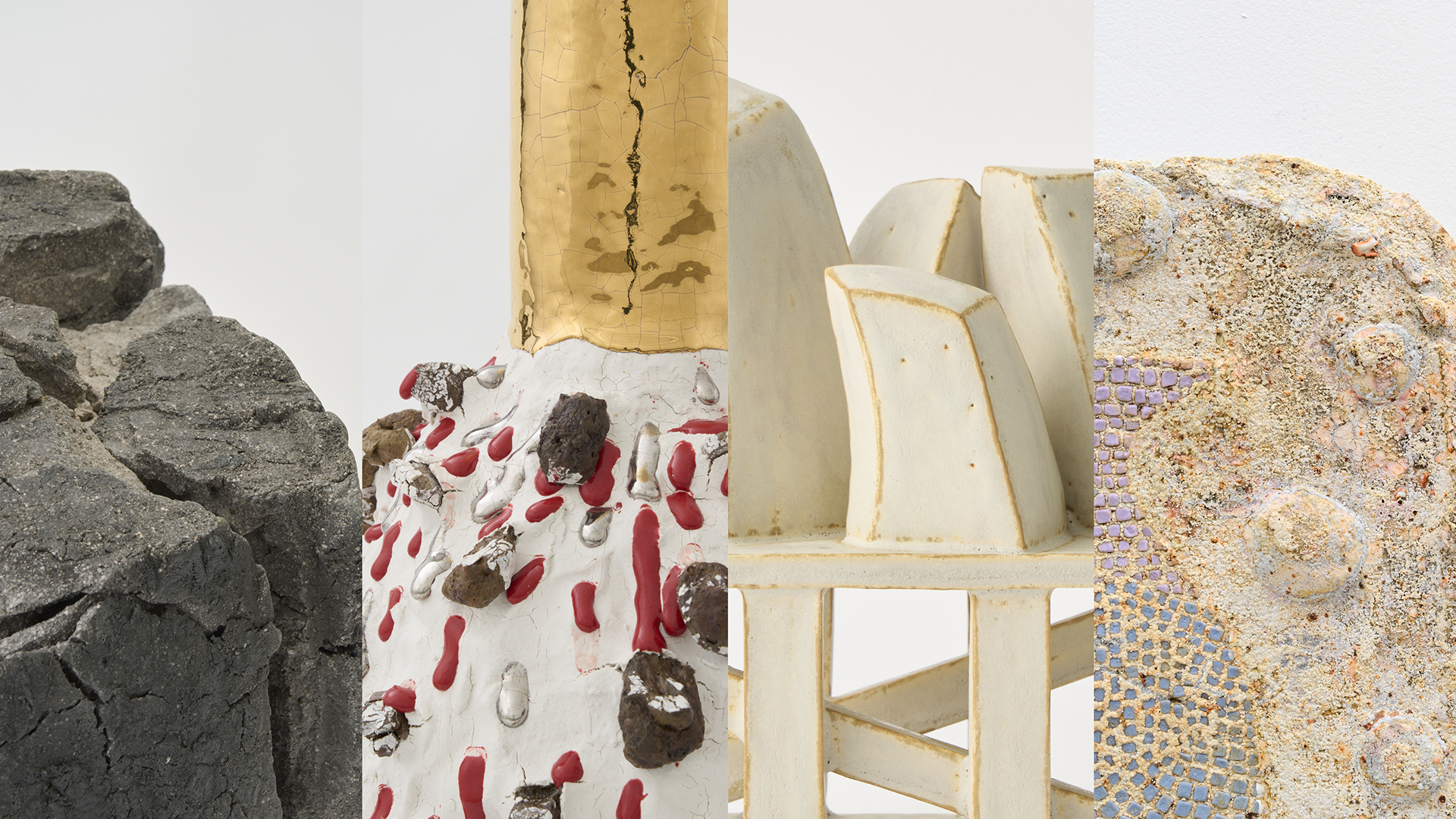
At the Kosaku Kanechika gallery, icon Yoshitomo Nara steps behind the curtain to act as curator. Strata in Gestation is a departure from his own whimsical paintings, focusing instead on the raw, geological power of ceramics. By bringing together Eiji Uematsu, Takuro Kuwata, Chinoko Sakamoto, and Masaomi Yasunaga, Nara highlights a movement that values the "incomplete" and the "unpredictable" over industrial perfection.
Rembrandt the Etcher: Challenges and Impact
In a historic first, the National Museum of Western Art presents a comprehensive survey of Rembrandt’s etchings. While history remembers him for his oil paintings, this exhibition proves his mastery of the copper plate was equally profound. With 130 works on display, including the legendary The Hundred Guilder Print, the exhibition tracks how Rembrandt’s dramatic manipulation of shadow and light influenced generations of artists, from Picasso to Whistler.
Western-Style Architecture in Japan
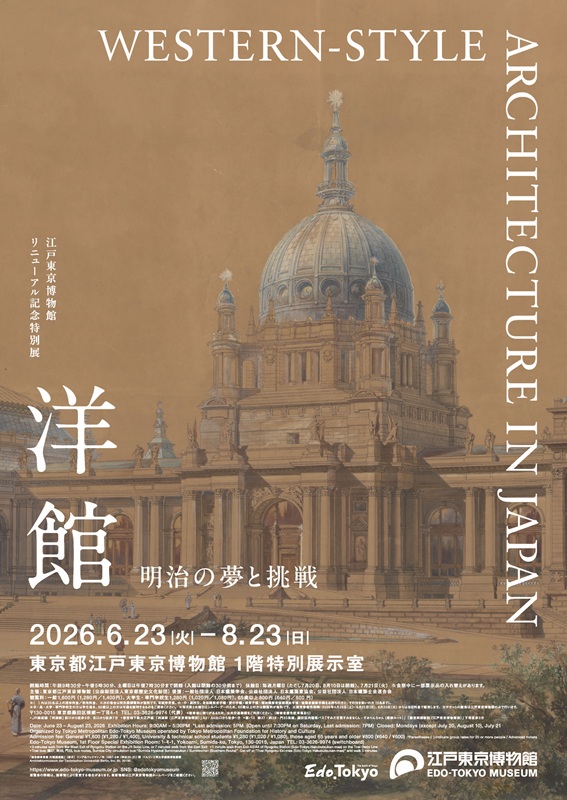
At the Edo-Tokyo Museum, history comes to life through the lens of structural design. The exhibition documents the Meiji era’s rapid transition from traditional wood-based craftsmanship to the imported stone and brick techniques of the West. It is a fascinating study of how Japanese architects—once tasked with mimicking foreign styles—eventually pioneered their own monumental aesthetic, eventually giving rise to landmarks like Tokyo Station.
Richard Mwizerwa: We Don’t Recall a Horizon
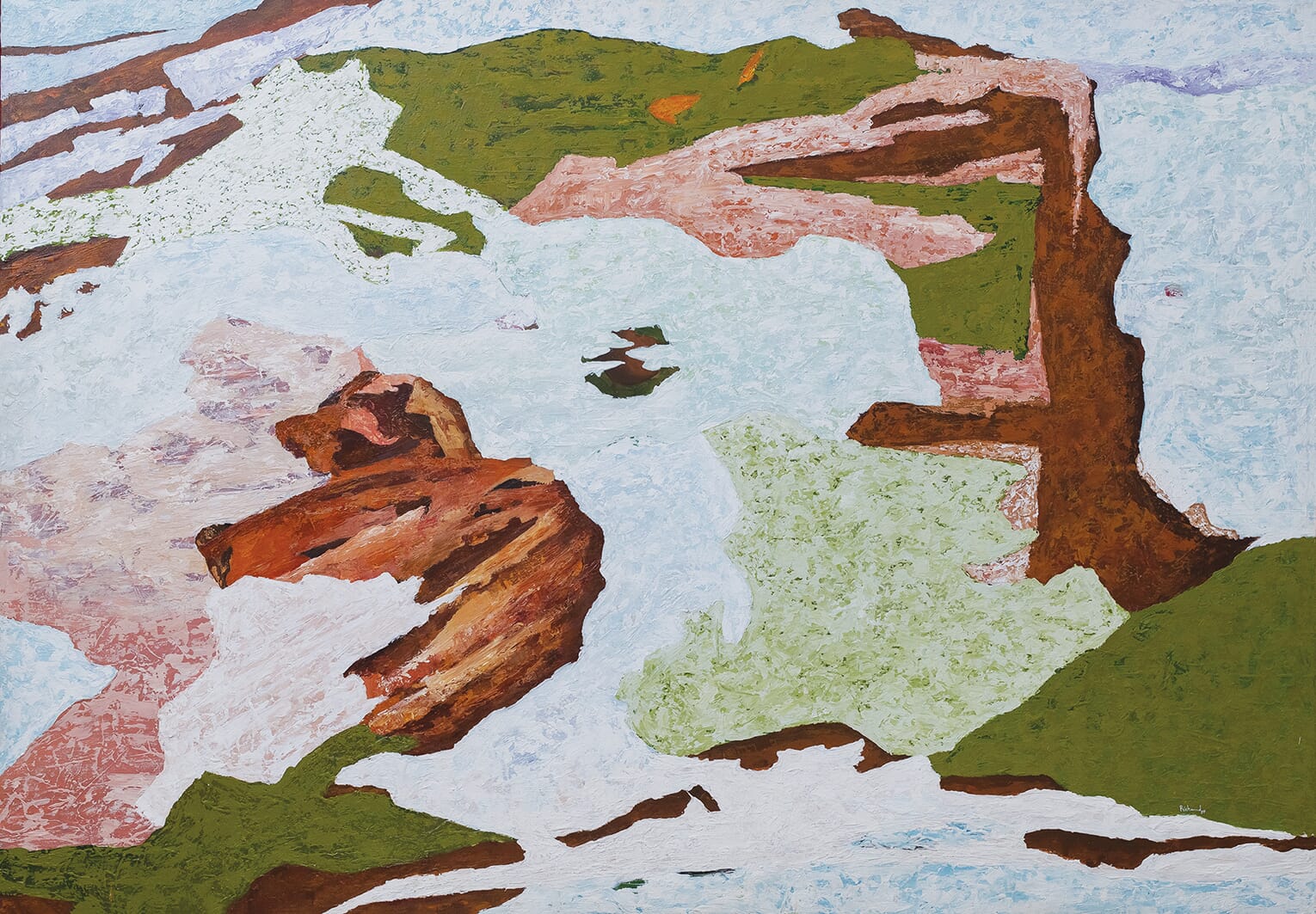
Space Un hosts Rwandan artist Richard Mwizerwa’s Tokyo debut. His abstract, heavily layered acrylic works use a palette knife to create a tactile record of the earth. By removing the horizon line, Mwizerwa forces the viewer to confront the ground, the texture, and the minute details of the natural world, emphasizing a "close-up" connection to nature that feels urgent in a high-tech city.
Artists at the Café: A Parisian Bohemian Dream
The Mitsubishi Ichigokan Museum presents a thematic look at the legendary cafés and cabarets of Montmartre. This exhibition tracks how the creative energy of Manet, Van Gogh, and Toulouse-Lautrec radiated outward, eventually influencing Spanish artists like Ramon Casas. It is an immersive look at the birthplace of modernism, complete with scent installations and a unique discount for those wearing red.
Yukio Mishima and Pier Paolo Pasolini
The Italian Cultural Institute stages an ambitious, cross-continental dialogue between two of the 20th century’s most controversial intellectuals. By analyzing the work of Mishima and Pasolini through seven thematic "keywords," the exhibition explores how both men wrestled with the erosion of tradition in the face of rampant consumerism. It is a deep dive into the construction of public image and the weight of artistic responsibility.
Hasegawa Kiyoshi: The Trajectory of a Paris-Based Printmaker
Finally, the Panasonic Shiodome Museum of Art honors the legacy of Kiyoshi Hasegawa, a Japanese artist who made Paris his home for sixty years. His mastery of the manière noire (mezzotint) technique produced some of the most hauntingly beautiful images in 20th-century printmaking. His ability to render "fathomless black" remains a technical marvel that shouldn’t be missed.
Supporting Data and Institutional Context
The organization of these exhibitions highlights the collaborative nature of the Tokyo art scene. Several shows are the result of multi-year international partnerships:
- The Rembrandt Survey: Co-organized with the Rembrandt House Museum in Amsterdam, marking a significant milestone in Japan-Netherlands cultural diplomacy.
- I’m So Happy You Are Here: A global tour that has seen success in Arles, The Hague, and London, proving that the international art market is hungry for a more inclusive history of Japanese photography.
- Funding and Accessibility: While major institutions like the National Museum of Modern Art charge standard entry fees (approx. ¥2,300), the city also provides world-class experiences for free, such as the exhibitions at Space Un and the Italian Cultural Institute, making high-end art accessible to all socioeconomic levels.
Official Responses and Curatorial Perspectives
Curators involved in these projects have emphasized the importance of "re-learning" history. Speaking on the I’m So Happy You Are Here exhibition, co-editor Pauline Vermare noted, "We are not just adding women to the existing canon; we are rewriting the canon entirely."
Similarly, Yoshitomo Nara has been vocal about his role as a curator, stating, "I sought out artists whose work conveys a geological density, as opposed to surface-level appeal." This sentiment reflects a broader trend among Japanese curators to move away from "spectacle-based" exhibitions and toward ones that demand patience, reflection, and technical appreciation.
Implications: The Future of the Tokyo Art Scene
The implications of this summer’s programming are twofold. First, they signal a maturation of the Japanese art audience. The willingness to engage with challenging, dense, and historically complex exhibitions—such as the Mishima-Pasolini dialogue or the technical study of Rembrandt’s etching process—shows that the public is eager for content that goes beyond the superficial.
Second, the success of these exhibitions suggests that Tokyo is moving toward a more decentralized model of art consumption. With major shows occurring in Shibuya, Ueno, Shiodome, and Marunouchi, the city is functioning as a sprawling, interconnected gallery. As digital media continues to dominate our daily lives, these physical exhibitions serve as vital anchors of reality, tactile beauty, and collective human experience.
Whether you are seeking the dark, velvety textures of Hasegawa’s mezzotints or the surrealist vision of Toshiko Okanoue, Tokyo’s summer calendar promises to be a journey of profound discovery. Plan your route, check the closing dates, and prepare to be moved—not just by the air conditioning, but by the extraordinary depth of the art on display.











