

Introduction
"Tomb Busters," the captivating co-op adventure developed by Giant Game, has quickly established itself as a title where raw skill takes a backseat to strategic intellect and flawless team synergy. While the allure of ancient treasures and valuable artifacts is undeniable, seasoned players have come to realize that survival in its perilous ruins is not merely about who collects the most loot. Instead, the very fabric of success, from navigating treacherous passages to fending off monstrous guardians and ultimately reaching extraction, is woven from threads of proper coordination, balanced roles, and seamless team synergy.
This comprehensive guide delves into the intricate mechanics of team composition in "Tomb Busters," aiming to illuminate how the deliberate selection and deployment of your four-player crew – known as "Employees" – can dictate the outcome of every expedition. From the fundamental principles of role assignment to meticulously crafted team setups, we will explore the strategic depths required to transform potential disaster into a triumphant retrieval.
The Labyrinth of Cooperation: Understanding Tomb Busters’ Core Philosophy
At its heart, "Tomb Busters" is a testament to cooperative gameplay. Each foray into the game’s mysterious, monster-infested tombs presents a unique set of challenges that no single Employee can overcome alone. Giant Game’s design philosophy clearly prioritizes interdependence, forcing players to think beyond individual glory and embrace collective strategy. The game’s dynamic environments, unpredictable monster encounters, and the constant pressure of resource management (stamina, carry weight) demand a cohesive unit where each member contributes meaningfully to the expedition’s overarching goals.
The initial thrill of grabbing valuable artifacts can quickly turn into a desperate struggle if your team lacks a clear division of labor and mutual support. A poorly composed team might find itself lost without an Explorer, overwhelmed by threats without sufficient Combat prowess, or crippled by attrition without the crucial utility of a Support character. Therefore, understanding the game’s inherent demand for balance and synergy is the first step towards mastering "Tomb Busters." It’s not just about surviving; it’s about thriving, maximizing treasure yield, and ensuring every Employee makes it back alive.
Deconstructing the Expedition: The Three Pillars of Team Roles
To navigate the ancient perils and emerge victorious, "Tomb Busters" introduces a robust role system that forms the bedrock of every successful team. Every co-op squad comprises four players, and the effective balancing of these three distinct roles – Combat, Explore, and Support – is not just important; it is absolutely critical. Each role has specific responsibilities and character specializations, designed to cover various aspects of tomb raiding.
The Strategic Trinity: Combat, Explore, and Support
These three roles are not isolated functions but rather interlocking gears in a complex mechanism. A team excels when these roles complement each other, with each Employee’s abilities enhancing the overall capabilities of the squad. Understanding the nuances of each role and how they interact is paramount to crafting a truly formidable team.
The Pathfinder: Mastering the Explore Role
The Explorer is, quite literally, the eyes and ears of the team. These Employees are instrumental in charting unknown territories, detecting hidden dangers, and identifying valuable opportunities. Their primary responsibilities include:

- Treasure Location: Efficiently pinpointing lucrative artifacts and hidden caches.
- Route Optimization: Discovering the most direct and safest paths to objectives and extraction points, minimizing wasted time and exposure to danger.
- Monster Detection: Providing early warnings of impending threats, allowing the team to prepare for combat or choose an evasive maneuver.
- Efficient Navigation: Guiding the team through complex, often labyrinthine ruins, preventing them from getting lost or falling into traps.
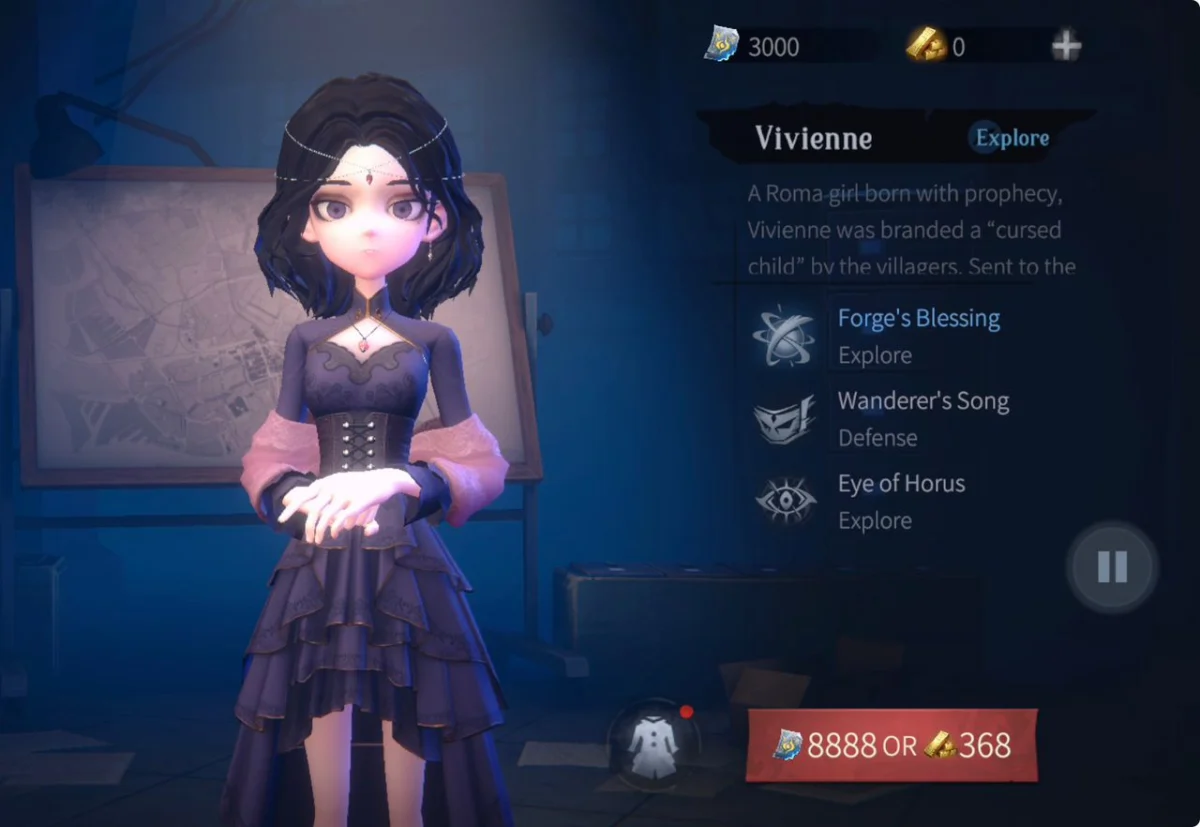
Characters like Vivian, MS.7, Alen, and Lan embody the spirit of the Explorer. Vivian, for instance, might possess abilities to reroll coffin contents, significantly improving the quality of found loot, while MS.7 could offer advanced scanning capabilities for broader area awareness. Without a strong Explorer, teams often find themselves floundering, wasting precious time wandering aimlessly, which exponentially increases the risk of encountering formidable monsters or depleting vital resources. An adept Explorer transforms chaos into clarity, providing the critical intelligence needed for informed decision-making throughout the expedition.
The Guardian: Dominating with the Combat Role
While "Tomb Busters" isn’t a pure combat game, the inevitability of encountering dangerous, ancient guardians and monstrous entities makes the Combat role indispensable. These Employees specialize in protecting their teammates and neutralizing threats when expeditions inevitably go awry. Their core functions include:
- Threat Neutralization: Engaging and defeating hostile creatures effectively and efficiently.
- Team Protection: Drawing aggro, defending vulnerable Explorers and Supports, and providing cover fire.
- Emergency Response: Acting as the frontline defense when unforeseen dangers arise, preventing team wipes.
Characters such as Brimlight, Caine, and Xiao Yao excel in this domain. Brimlight might possess abilities that allow for rapid threat elimination or even temporary crowd control, while Caine could be a durable tank, capable of absorbing significant damage to shield allies. Xiao Yao might specialize in high burst damage, quickly dispatching priority targets. A team without adequate Combat capabilities is like an open vault in a den of thieves – utterly vulnerable. Even the most cautious exploration can lead to an ambush, and having a reliable Combat Employee ensures the team can withstand the pressure and continue their mission.
The Enabler: Empowering the Team with the Support Role
The Support role is the connective tissue that binds the team together, enhancing overall efficiency, resilience, and survivability. These Employees provide invaluable utility that often dictates the fine line between a successful extraction and a disastrous failure. Their wide array of contributions includes:
- Resource Management: Reducing stamina consumption, mitigating carry weight penalties, and accelerating cooldown recovery for teammates’ abilities.
- Healing and Recovery: Restoring health to injured allies and, crucially, offering remote revives to bring downed teammates back into the fight.
- Mobility Enhancement: Providing buffs that increase movement speed or reduce environmental hindrances, allowing the team to navigate faster.
- Strategic Utility: Deploying gadgets, applying buffs, or even debuffing enemies to give the team a decisive advantage.
Characters like Lily, Alice, and Linyun are prime examples of effective Support Employees. Lily might specialize in stamina and cooldown management, allowing the team to maintain a faster pace and use abilities more frequently. Alice could be the quintessential healer and reviver, providing a crucial safety net against mistakes. Linyun might offer unique mobility buffs or protective shields. Without robust support, even teams with formidable Combat and Explore capabilities can quickly crumble under sustained pressure, succumbing to exhaustion, injuries, or being unable to recover from critical errors. Support characters are the unsung heroes who keep the expedition moving forward.
Crafting Victory: Optimal Team Compositions for Every Expedition
Now that the fundamental roles are clear, let’s explore some practical and highly effective team compositions designed for specific objectives and playstyles in "Tomb Busters." These examples serve as blueprints, showcasing how the right combination of Employees can create powerful synergies.
Synergistic Squads: Proven Formulations for Success
The following compositions are battle-tested and illustrate the dynamic interplay between different roles and specific character abilities.
The "Gold Standard": Best Balanced Team Composition
Composition: Vivienne (Explore) + Brimlight (Combat) + Lily (Support) + Caine (Combat)
This setup represents the pinnacle of balance and reliability, making it an ideal choice for general expeditions where adaptability and consistent performance are key. Each Employee contributes a vital piece to a robust and versatile puzzle.

- Vivienne (Explore): Serves as the primary scout and treasure quality enhancer. Her abilities, such as "coffin rerolls" and advanced "monster detection," ensure the team not only finds the best loot but also anticipates dangers before they become critical. She provides crucial information for strategic route planning and resource allocation.
- Brimlight (Combat): Acts as a highly agile and effective combatant, capable of handling immediate threats. Her unique "time-reversal skill" isn’t just for combat; it can be strategically deployed for rapid, safe extraction or to mitigate critical errors during treasure collection, making dangerous maneuvers less risky. She combines offensive power with crucial utility.
- Lily (Support): The linchpin of team efficiency. Lily’s abilities are focused on resource management, significantly reducing the team’s stamina consumption and mitigating carry weight penalties. This allows for longer expeditions and faster movement. Crucially, her "cooldown recovery acceleration" means other teammates can use their powerful skills more frequently, amplifying the team’s overall output.
- Caine (Combat): The unyielding frontline protector. Caine’s exceptional durability and survivability make him the ideal tank. Whenever dangerous monsters appear, Caine steps in to draw aggro, absorb damage, and protect the more vulnerable Explore and Support characters. His presence ensures that the team can withstand sustained engagements and recover from unexpected ambushes.
Synergy Analysis: Vivienne identifies opportunities and threats, allowing Brimlight and Caine to engage or avoid with precision. Lily ensures everyone has the resources to execute their roles effectively, boosting both combat sustainability and exploration speed. Caine anchors the defense, while Brimlight provides flexible offense and utility, creating a truly formidable and resilient unit capable of tackling diverse challenges. This team is designed for consistent success across a wide range of tomb environments.
The "Midas Touch": Ultimate Loot Farming Team
Composition: Vivienne (Explore) + Brimlight (Combat) + Lily (Support) + Edward (Support/Utility)
When the primary objective is to maximize profits and accumulate wealth, this composition shines. It emphasizes resource generation and sustainability over brute-force combat, though Brimlight still provides essential defensive capabilities.
- Vivienne (Explore): Remains indispensable for optimizing treasure quality. Her "reroll skill" dramatically increases the chances of finding high-value artifacts, directly contributing to the team’s economic goals. She ensures that every discovered coffin has the highest potential yield.
- Brimlight (Combat): Continues to be a valuable asset, not just for neutralizing threats but also for her "rapid extraction" capabilities. This allows the team to transport valuable loot safely and efficiently back to the extraction point, minimizing the risk of losing high-value items to late-game dangers.
- Lily (Support): Her focus on efficiency is even more critical in a farming composition. By reducing "movement penalties" and improving "ability uptime," Lily enables the team to cover more ground, collect more loot, and maintain a high operational tempo for extended periods, directly correlating to increased profits.
- Edward (Support/Utility): The economic powerhouse of this team. Edward provides unparalleled "resource sustainability" through his abilities to "recycle equipment" and "improve item quality through alchemy." This means less wasted loot, more valuable materials, and a constant influx of resources to keep the farming cycle going. He effectively turns low-value items into high-value assets, dramatically boosting long-term profitability.
Synergy Analysis: Vivienne and Lily combine to maximize the quantity and quality of loot acquired and the speed at which it’s gathered. Brimlight ensures that this valuable cargo makes it out safely, while Edward’s unique abilities transform the raw materials into refined wealth. This team is a well-oiled machine for generating massive amounts of profit, especially during longer tomb sessions where resource management and economic conversion become paramount. Combat is handled judiciously, with an emphasis on avoidance or quick neutralization to protect the precious cargo.
The "Rookie’s Compass": Beginner-Friendly Team
Composition: MS.7 (Explore) + Caine (Combat) + Alice (Support) + Alen (Explore)
This composition is meticulously designed for new players, addressing common challenges such as navigation difficulties, overwhelming monster encounters, and the struggle to recover from mistakes. It prioritizes forgiveness, clear information, and robust survivability.
- MS.7 (Explore): Provides exceptional "map awareness" through her scanning abilities. This helps new players understand their surroundings, identify pathways, and prevent getting lost in complex ruins, a common pitfall for beginners. Her intel simplifies navigation.
- Alen (Explore): Further improves "route planning" and discovery by revealing "coffins" and assisting players in navigating dangerous ruins. With two Explorers, the team gains a comprehensive understanding of the environment, reducing uncertainty and making decision-making much easier for novices.
- Caine (Combat): Offers excellent "frontline protection" thanks to his inherent durability and survivability. For new players who might struggle with combat mechanics or threat prioritization, Caine acts as a sturdy shield, allowing them to learn and adapt without being immediately overwhelmed by monster aggression.
- Alice (Support): The team’s ultimate safety net. Alice provides crucial "healing" to mitigate damage taken and, more importantly, offers "remote revives." This means that even if a new player makes a mistake and goes down, Alice can bring them back without the team having to expose themselves to immediate danger, significantly increasing the team’s resilience and reducing frustration.
Synergy Analysis: The dual Explorer setup (MS.7 and Alen) provides unparalleled environmental information, practically eliminating navigation issues for new players. Caine stands firm against threats, giving new players room to breathe and learn combat encounters. Alice ensures that mistakes are not run-ending, providing invaluable second chances. This team is highly forgiving and easy to use, making it an excellent choice for beginners to learn the game’s mechanics, build confidence, and enjoy their first successful extractions without the overwhelming pressure of highly specialized or unforgiving compositions.
Beyond the Blueprint: Advanced Strategies and Adaptation
While the outlined team compositions provide excellent starting points, true mastery of "Tomb Busters" lies in the art of adaptation. These templates are not rigid rules but rather strategic frameworks.
The Art of Adaptation: Dynamic Team Building
Experienced players understand that the "best" team composition can vary significantly based on several factors:

- Mission Objectives: Is the goal pure treasure hunting, a specific boss takedown, or a rapid in-and-out extraction? Tailoring your team to the mission’s primary objective is crucial.
- Tomb Layouts and Biomes: Certain environments might favor more mobility, while others demand greater combat readiness or enhanced detection capabilities.
- Anticipated Threats: Knowing what types of monsters or environmental hazards are prevalent in a specific tomb can influence the choice of Combat and Support characters.
- Player Skill Levels and Preferences: Ultimately, a team functions best when players are comfortable and proficient with their chosen Employees. Flexibility allows for adjustments based on individual strengths.
Dynamic team building involves an in-depth understanding of each Employee’s full kit and how their unique skills can be leveraged in specific scenarios. It’s about being able to swap a Combat character for another who excels against a particular enemy type, or trading a pure Explorer for one with more utility if the team already has strong situational awareness.
Communication: The Unseen Fifth Teammate
In any co-operative game, communication is paramount, but in "Tomb Busters," it takes on an even more critical role due to the distinct and interdependent nature of the roles. A perfectly balanced team can still fail if its members operate in silos. Effective communication facilitates:
- Real-time Information Sharing: Explorers calling out monster locations, treasure opportunities, or dangerous traps.
- Coordinated Engagements: Combat characters signaling targets, Support characters announcing heals or buffs.
- Strategic Adjustments: Quickly adapting plans when unexpected events occur, such as a new threat appearing or an extraction route being blocked.
- Resource Management: Calling out low health, stamina, or depleted items to allow Support to react.
The ability to clearly and concisely communicate intentions, observations, and needs on the fly transforms a collection of individuals into a truly synchronized unit. It is the invisible, yet most powerful, ingredient in any successful "Tomb Busters" expedition.
Official Insights and Future Expeditions
While Giant Game has not released explicit "official responses" regarding specific team compositions, their consistent updates and character releases reflect a clear commitment to fostering diverse strategic gameplay. The continuous introduction of new Employees with unique skill sets implies an ongoing evolution of the meta, encouraging players to experiment and discover novel synergies. This design choice ensures that "Tomb Busters" remains fresh and engaging, with no single "dominant" strategy becoming stale. Future updates will undoubtedly introduce new challenges and opportunities, further expanding the possibilities for dynamic team building.
Conclusion
Building an effective team in "Tomb Busters" is a sophisticated endeavor that transcends merely picking the most powerful individual Employees. Success is intricately tied to a deep understanding of how the game’s three core roles – Combat, Explore, and Support – interlock and amplify each other. From the critical intelligence provided by Explorers, through the protective might of Combatants, to the invaluable utility offered by Supports, every role is indispensable.
The balanced, loot-focused, and beginner-friendly compositions outlined in this guide serve as robust starting points, demonstrating the power of thoughtful synergy. However, the true essence of "Tomb Busters" lies in the continuous exploration of new strategies, the courage to experiment with different Employee combinations, and, most importantly, the unwavering commitment to clear and constant communication within your squad. Embrace the strategic depth, refine your teamwork, and prepare to conquer the ancient ruins. Your next great adventure, and its treasures, await those who master the art of the perfect team.
Did you find this Tomb Busters Team Composition Guide useful? Let us know your favorite team setups and strategies in the comments below!
For more Mobile Gaming news and updates, join our WhatsApp Channel, Telegram Group, or Discord server. Also, follow us on Instagram, Twitter, and Google News for quick updates.











No comments yet. Be the first to join the conversation!