

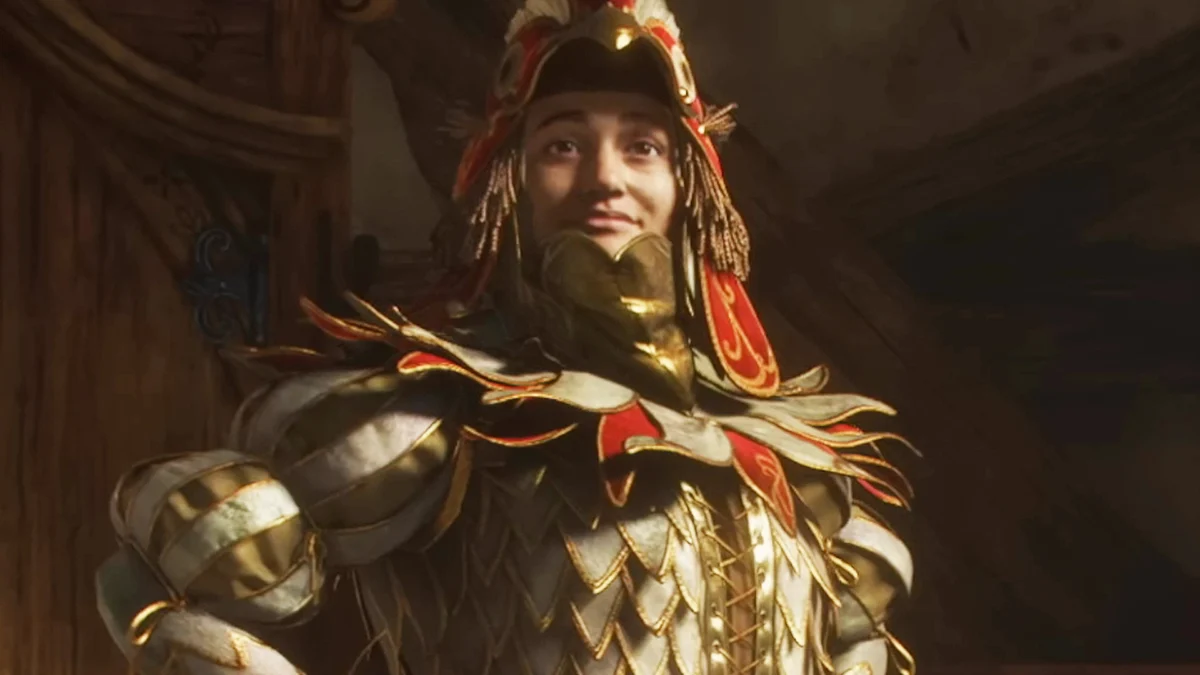
The dream of returning to the whimsical, treacherous, and undeniably British landscape of Albion has been deferred once more. In a move that has sent ripples through the gaming community, Xbox and developer Playground Games have officially confirmed that the highly anticipated Fable reboot—a title representing a cornerstone of the Xbox ecosystem—will not meet its previously promised 2026 release window. Instead, players will have to wait until February 2027 to indulge in the series’ signature blend of moral ambiguity and high-fantasy satire.
This decision, while disappointing to a fanbase that has waited years for the franchise’s revival, comes against the backdrop of an unprecedentedly crowded release schedule for Microsoft. As the industry braces for a holiday season defined by monumental triple-A competition, the delay of Fable appears to be a calculated maneuver to ensure the title secures the "dedicated moment" it requires to succeed.
The Chronology of a High-Stakes Development
To understand the gravity of this delay, one must look at the turbulent, high-pressure timeline of Fable’s development under Playground Games. Since the project was first announced to widespread acclaim, it has faced the scrutiny inherent in rebooting a beloved cult classic.
- The Initial Reveal: When Playground Games—best known for the Forza Horizon series—was unveiled as the studio tasked with bringing Fable back, the industry was caught off guard. The promise of an action-RPG of that scale, utilizing the studio’s technical prowess, set expectations at an all-time high.
- The 2025 Target: Early projections and industry speculation initially pointed toward a 2025 launch. However, as development progressed, the scope of the project clearly expanded, leading to the first of many internal adjustments.
- The 2026 Revision: Following a period of silence, Xbox revised its release window to 2026, a move that was reinforced during the January Developer Direct. During that presentation, the team offered a glimpse into the game’s mechanics and tone, leading many to believe that the finish line was finally in sight.
- The Rumor Mill and Reality: In the months following the January showcase, whispers of internal delays began to circulate. These rumors were initially met with defensive optimism by the studio, which reiterated that a Fall 2026 launch remained the goal. Today’s confirmation serves as the definitive end to that speculation, officially shifting the target to early 2027.
Official Response: Strategic Positioning in a Saturated Market
The official statement released by Xbox on X (formerly Twitter) is telling. Rather than citing development hurdles or technical debt, the firm framed the decision as a strategic calendar management issue.
"This year is packed with incredible games for Xbox players to enjoy," the company stated, listing a formidable lineup that includes Halo: Campaign Evolved, Gears of War: E-Day, Call of Duty: Modern Warfare 4, Control Resonant, Star Wars: Galactic Racer, and the industry-shaking Grand Theft Auto 6.
The rationale is clear: by moving Fable to February 2027, Microsoft is attempting to carve out a "white space" for the title. In a market where consumer attention is a finite resource, launching an original IP or a rebooted franchise alongside the sheer gravitational pull of a Grand Theft Auto title is a dangerous gamble. By decoupling Fable from the holiday "logjam," Xbox is attempting to give the game room to breathe, allowing it to become the focal point of the early 2027 release cycle rather than a footnote in a crowded Q4 report.
Supporting Data: The "GTA Effect" and Holiday Competition
The "GTA Effect" is not a mere industry platitude; it is a measurable phenomenon. When a Grand Theft Auto title drops, it consumes the cultural conversation for months, if not years. Its massive open-world scope, online integration, and brand loyalty make it an "attention sink" that can cannibalize the sales and engagement metrics of competing titles.
When analyzing the competitive landscape, the decision to delay Fable looks less like a failure and more like a defensive necessity.
- Market Saturation: The holiday period of 2026 is projected to be one of the most expensive in history for gamers. With a new Call of Duty, a new Gears of War, and the behemoth of GTA 6, the average consumer’s wallet will be stretched thin.
- Attention Metrics: Video games are no longer just about sales; they are about player retention and streaming engagement. Fable requires an investment of time and immersion. It is difficult to cultivate that kind of engagement when the entire gaming world is occupied by Rockstar’s latest open-world sandbox.
- The "Dry Season" Benefit: By targeting February, Fable will hit the market during a historically quieter period. Gamers who have spent their holidays on the frantic, high-octane experiences of the winter season are often hungry for something different—a slower, more narrative-driven, or "magical" experience. Fable is perfectly positioned to fill that gap.
Implications for Playground Games and Xbox
The implications of this delay are multifaceted, affecting both the studio’s reputation and the broader Xbox strategy.
For Playground Games: The Pressure of Perfection
Playground Games has an impeccable reputation for polish and performance, largely built on the Forza franchise. Fable represents their first foray into narrative-heavy action-RPG territory. The extra time granted by this delay is a double-edged sword. While it provides the team the necessary months to iterate, polish, and optimize, it also raises the bar. Fans will now expect a title that is not just "good," but "masterpiece-tier." There is no longer room for the excuse of a rushed release.
For the Xbox Ecosystem
Xbox is in a transitional phase. With its multi-platform strategy and the integration of the Activision-Blizzard-King catalog, the firm is trying to balance quantity with quality. The delay of Fable leaves a hole in the 2026 holiday lineup, but it reinforces the narrative that Microsoft is willing to prioritize the long-term health of its franchises over short-term quarterly gains.
However, there is a risk of "delay fatigue." If a flagship title is pushed repeatedly, it can erode consumer confidence. Xbox must ensure that the communication regarding Fable remains transparent leading up to the new 2027 date. The upcoming Xbox Games Showcase on June 7 is now a critical touchpoint. It is no longer just a marketing exercise; it is a "trust-building" exercise. The studio needs to show that the extra time is being used to deliver something that honors the legacy of the original Fable while pushing the boundaries of the genre.
Looking Ahead: The Road to 2027
As we collectively mark our calendars for February 2027, the sentiment among the gaming community is one of tempered resignation. Yes, the delay stings. The prospect of spending another holiday season without the wit of Albion and the moral complexity of the Fable series is a letdown. However, the logic behind the move is sound.
The industry has moved beyond the "ship it now, fix it later" culture that plagued the early 2020s. Studios are increasingly recognizing that launching a game in a vacuum of competition—or at least, a less volatile environment—is key to sustaining long-term interest.
For those who have been waiting for the return of the chicken-kicking, hero-building, and world-shaping experience that Fable promises, the delay is merely a test of patience. The question now shifts from "when will it arrive?" to "how will it define the start of 2027?" As we wait for the June 7 showcase to provide a more in-depth look, the hope remains that the extra time will result in an experience that is truly worth the wait—a return to Albion that feels both familiar and revolutionary.
In the high-stakes game of console gaming, sometimes the most powerful move a studio can make is knowing exactly when to step back, regroup, and ensure that when the curtain finally rises, it is for a performance that no one will forget.












No comments yet. Be the first to join the conversation!