Jia Lissa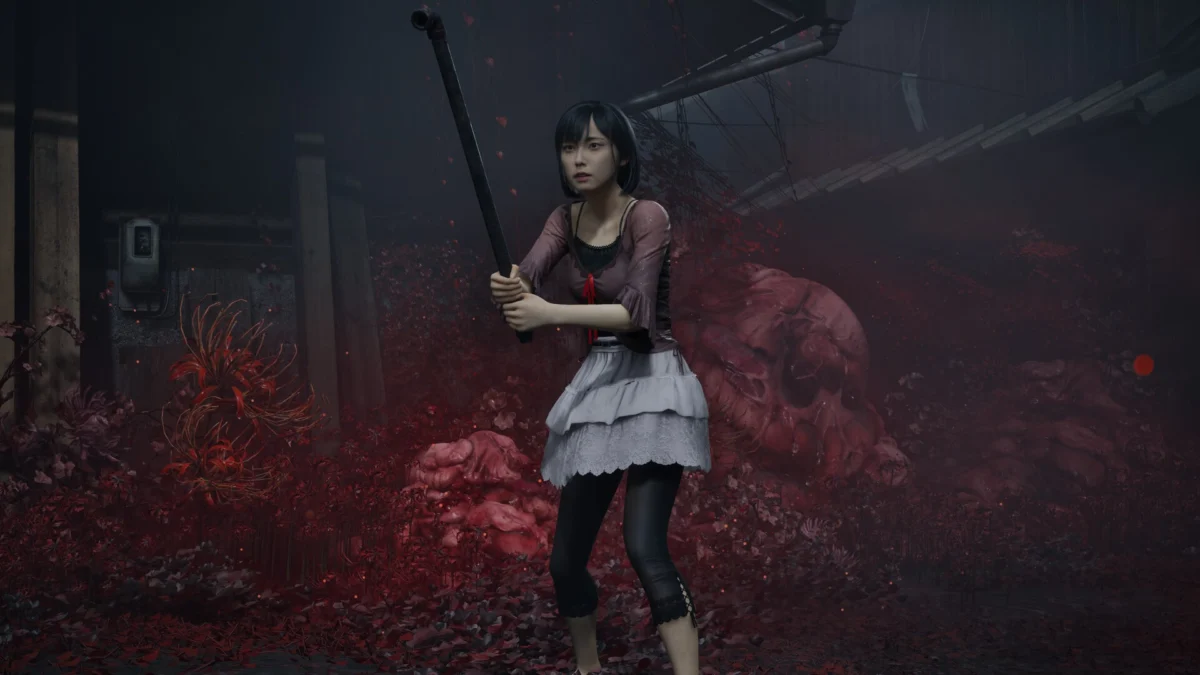
TOKYO, Japan – In a move that has sent ripples of excitement and eerie anticipation through the horror gaming community, Konami Digital Entertainment has officially launched a chilling collaboration between its eagerly awaited title, Silent Hill f, and the iconic Japanese horror classic, Fatal Frame II: Crimson Butterfly. Players of Silent Hill f can now download a free costume pack, dubbed "Crimson Butterfly," allowing them to dress protagonist Hinako in the distinctive attire of Mio Amakura, the haunted lead from the beloved 2003 survival horror masterpiece. This unexpected yet thematically resonant crossover marks a significant moment for both franchises, intertwining their legacies of dread and psychological torment.
The "Crimson Butterfly" costume is more than just a cosmetic alteration; it’s a symbolic bridge between two of the most influential series in the survival horror genre, each renowned for its unique approach to fear. While Silent Hill f promises a fresh take on the franchise’s signature psychological terror within a surreal 1960s Japan, the inclusion of Mio Amakura’s style from Fatal Frame II (often recognized as Project Zero II in some regions) taps into a deep well of nostalgia and shared thematic elements. The announcement, accompanied by a dedicated trailer showcasing the costume in action, underscores Konami’s renewed commitment to its flagship horror IP and its willingness to engage in creative collaborations that resonate with a passionate fanbase.
Available immediately across all platforms where Silent Hill f is playable – PlayStation 5, Xbox Series X|S, and PC via Steam, Epic Games Store, and Microsoft Store – the downloadable content is easily accessible. Players simply need to locate a Hokora within Silent Hill f‘s haunting world and select the "Change Costume" option from the in-game menu to transform Hinako into the spectral semblance of Mio. This free offering serves as both a celebration of Japanese horror and a tantalizing glimpse into the atmospheric depths of Silent Hill f, setting a precedent for potential future crossovers within the expanding universe of revived Konami horrors.
A Shared History of Dread: The Chronology of Japanese Survival Horror Titans
The collaboration between Silent Hill f and Fatal Frame II: Crimson Butterfly is not merely a superficial aesthetic choice; it’s a profound nod to the intertwined history and parallel evolutions of Japanese survival horror. To fully appreciate the significance of this crossover, one must delve into the origins and enduring legacies of these two genre-defining franchises.
The Genesis of Silent Hill: Psychological Anguish in the Fog
The Silent Hill series first emerged from the ominous fog in 1999, developed by Team Silent, an internal Konami development group. From its inception, Silent Hill distinguished itself from contemporaries like Resident Evil by focusing intensely on psychological horror rather than jump scares and grotesque monsters alone. The eponymous town, a cursed locale steeped in dark cult history, served as a canvas for exploring themes of guilt, trauma, and the fragmented human psyche. Protagonists were often ordinary individuals thrust into extraordinary, nightmarish circumstances, forced to confront manifestations of their own inner demons and the town’s malevolent will. The series quickly garnered critical acclaim for its innovative storytelling, oppressive atmosphere, disturbing creature design, and Akira Yamaoka’s iconic, haunting soundtracks. While the franchise experienced periods of dormancy and mixed receptions for later entries, its initial installments cemented its status as a cornerstone of psychological horror, deeply influencing subsequent generations of game developers. The announcement of Silent Hill f in 2022, alongside several other Silent Hill projects, signaled Konami’s ambitious revival of the beloved series, promising a new chapter in its storied history of terror.
Fatal Frame: Capturing Spirits with the Camera Obscura
Two years after Silent Hill‘s debut, a different breed of Japanese horror emerged: Fatal Frame (known as Project Zero in Europe and Australia). Launched in 2001 by Koei Tecmo (then Tecmo), the series introduced a unique gameplay mechanic: battling vengeful ghosts not with firearms, but with an antique camera, the Camera Obscura. This innovative approach forced players to directly confront spectral entities, aiming for their weak points through a viewfinder, creating moments of intense tension and vulnerability. Fatal Frame immersed players in richly detailed environments inspired by Japanese folklore, abandoned mansions, and cursed villages, each brimming with tragic backstories and the lingering presence of malevolent spirits.
Fatal Frame II: Crimson Butterfly – A Pinnacle of Fear
Released in 2003, Fatal Frame II: Crimson Butterfly is widely regarded by critics and fans alike as the pinnacle of the series and one of the greatest survival horror games ever made. The game follows twin sisters Mio and Mayu Amakura, who become trapped in the cursed Lost Village, a spectral town where a horrific "Crimson Sacrifice Ritual" was once performed. Mio, the player character, must rescue her increasingly possessed sister while uncovering the village’s dark secrets, facing relentless spirits, and grappling with themes of familial bond, sacrifice, and inescapable fate. The game’s narrative depth, chilling atmosphere, and emotional resonance left an indelible mark on players, cementing Mio Amakura as an iconic figure in horror gaming. While there isn’t an officially released standalone game titled "FATAL FRAME II: Crimson Butterfly REMAKE," the inclusion of "REMAKE" in the collaboration’s official title is a stylistic choice that acknowledges the enduring legacy and potential for modern interpretations of this classic. The costume specifically draws inspiration from the unforgettable protagonist of the original masterpiece.
Konami’s Revival and the Collaboration’s Timing
The path to this collaboration is rooted in Konami’s recent strategy to revitalize its dormant IPs. After years of limited activity for Silent Hill, the announcement of multiple new projects, including the highly anticipated Silent Hill 2 Remake and the completely new Silent Hill f, ignited fervent discussions. Silent Hill f, developed by Neobards Entertainment, promises to transport players to a visually stunning yet deeply unsettling 1960s Japan, a stark departure from the familiar American town but retaining the franchise’s core psychological horror elements. The timing of this Fatal Frame II costume release, as Silent Hill f builds anticipation towards its full launch, serves as a brilliant marketing move. It not only celebrates the broader genre of Japanese horror but also strategically positions Silent Hill f as a title that respects its heritage while forging new paths. This collaboration speaks volumes about Konami’s intent to engage with the horror community in meaningful ways, bridging gaps between beloved series and offering unique fan service.
The Convergence of Dread: Supporting Data and Thematic Resonance
The "Crimson Butterfly" costume for Silent Hill f is far more than a simple cosmetic item; it represents a thoughtful convergence of thematic elements, artistic styles, and shared cultural influences that define Japanese survival horror. This section delves into the deeper implications and supporting data surrounding this unique collaboration.
Shared Thematic Ground: Trauma, Ritual, and the Supernatural
Both Silent Hill and Fatal Frame franchises, despite their distinct gameplay mechanics, share a profound thematic bedrock. At their core, both explore the psychological impact of trauma, the horror of ancient rituals, and the pervasive presence of the supernatural. Silent Hill‘s world is often a manifestation of its characters’ inner turmoil, where guilt and fear literally warp reality. Fatal Frame, conversely, delves into the direct confrontation with vengeful spirits born from tragic circumstances, often involving ritualistic sacrifices or profound suffering.
The "Crimson Butterfly" motif itself is deeply embedded in Fatal Frame II‘s lore, representing the souls of twins who undergo the Crimson Sacrifice Ritual, forever bound in a tragic cycle. Bringing this symbol, and the character associated with it, into the world of Silent Hill f creates an intriguing dialogue between these narrative styles. Silent Hill f, set in a beautiful yet grotesque 1960s Japan, hints at its own dark rituals and the blossoming of a unique form of horror, potentially drawing parallels to the ancient, tragic practices seen in Fatal Frame II. The costume acts as a visual metaphor, suggesting that the suffering and rituals of one world could echo in another.
Mio Amakura’s Iconic Design and its Translation to Hinako
Mio Amakura’s attire in Fatal Frame II is iconic for its blend of vulnerability and practicality. Her simple schoolgirl-esque outfit, often blood-splattered or torn, underscores her youth and fragility in the face of overwhelming supernatural forces. It’s a design that emphasizes the "ordinary person in extraordinary circumstances" trope, making her relatable and her terror palpable.
The "Crimson Butterfly" costume for Hinako in Silent Hill f faithfully recreates this look, dressing the new protagonist in Mio’s distinctive style. This isn’t just a copy-paste job; the developers have undoubtedly worked to ensure the costume fits Hinako’s character model and integrates seamlessly into Silent Hill f‘s visual aesthetic, which, while different from Fatal Frame II, shares a common thread of unsettling beauty and dread. The juxtaposition of Mio’s innocent yet haunted look within the grotesque, plant-infested landscapes of Silent Hill f‘s Japan could create powerful visual contrasts, enhancing the unsettling atmosphere for players. It allows players to embody a different kind of horror protagonist within a new, yet familiar, realm of fear.
Technical Accessibility and Fan Engagement
The decision to offer the "Crimson Butterfly" costume as free downloadable content is a significant detail. In an era where many cosmetic items are monetized, Konami’s choice to provide this collaboration for free acts as a goodwill gesture to the fanbase. It lowers the barrier to entry, ensuring that all players of Silent Hill f can partake in this special event without additional cost. This approach is likely to foster positive community sentiment and encourages broader engagement with the new game.
The ease of equipping the costume – via a Hokora in-game menu – further emphasizes player convenience. Hokora are small shrines in Japanese folk religion, often found by roadsides. Their inclusion as a costume change point within Silent Hill f is itself a thematic detail, grounding the game in its Japanese setting while serving a functional purpose.
The widespread availability of Silent Hill f across PS5, Xbox Series X|S, and PC ensures that a broad audience can access both the base game and this collaborative content. The supporting trailers, presented in both English and Japanese, cater to a global audience, amplifying the reach and impact of the announcement. On social media and gaming forums, the collaboration has been met with widespread enthusiasm, with fans expressing delight at seeing two beloved horror series acknowledge each other, fueling discussions about game design, lore connections, and the potential for future crossovers. This buzz is invaluable for a new entry like Silent Hill f, helping to solidify its place in the modern horror landscape.
Official Responses and Strategic Intent: Konami’s Vision for Horror
While specific direct quotes from Konami or the developers of Silent Hill f regarding this particular collaboration are not extensively detailed in the initial announcement, the release of the "Crimson Butterfly" costume itself serves as a clear official response, indicating a strategic direction and a defined intent. This initiative speaks volumes about Konami’s approach to its revitalized Silent Hill franchise and its broader engagement with the gaming community.
Konami’s Intent: Enhancing Player Experience and Building Hype
The primary motivation behind offering a free, high-profile collaborative costume is undoubtedly to enhance the player experience and generate significant hype for Silent Hill f. By connecting its new title with Fatal Frame II: Crimson Butterfly, a game held in extremely high regard, Konami taps into a wellspring of positive associations and nostalgia. This move suggests a desire to:
- Celebrate the Horror Genre: It’s a gesture that acknowledges the rich tapestry of Japanese horror gaming, positioning Silent Hill f not just as a standalone title, but as part of a larger, esteemed tradition.
- Reward and Engage Fans: Offering a free, meaningful cosmetic item is a direct way to thank fans for their long-standing support and to excite them about the new game. It creates a sense of community and shared appreciation for horror.
- Broaden Appeal: The Fatal Frame series has its own dedicated fanbase. This collaboration introduces Silent Hill f to Fatal Frame enthusiasts who might not have otherwise considered playing a new Silent Hill title, effectively expanding the potential player base.
- Signal Quality and Respect: By associating Silent Hill f with a critically acclaimed title like Fatal Frame II, Konami subtly signals that they are approaching the new Silent Hill entry with a similar commitment to quality and atmospheric horror. It demonstrates respect for both IPs.
Developer Perspective (Inferred)
While Neobards Entertainment, the developers of Silent Hill f, haven’t publicly commented on the collaboration’s specifics, their involvement in integrating the costume speaks to a creative process driven by respect for the source material. Developing such a crossover requires:
- Creative Interpretation: Adapting Mio Amakura’s distinct style to Hinako’s model while maintaining Silent Hill f‘s unique aesthetic vision.
- Technical Implementation: Ensuring the costume functions flawlessly within the game engine and environment.
- Thematic Alignment: Understanding why a Fatal Frame character’s essence would resonate within Silent Hill f‘s haunting world. Given Silent Hill f‘s setting in a surreal, grotesque 1960s Japan, the inclusion of a character whose story is steeped in Japanese folklore and tragic rituals aligns perfectly with the game’s potential themes.
The choice to include a "Hokora" as the in-game method for changing costumes is also noteworthy. This detail showcases the developers’ attention to cultural authenticity within Silent Hill f‘s Japanese setting. A Hokora, a small wayside shrine, is a common sight in rural Japan and is traditionally associated with spirits and offerings. Using it as a point of transformation not only grounds the gameplay in the locale but also imbues the act of changing costumes with a subtle, thematic significance, linking it to the supernatural elements prevalent in both franchises. This small detail underscores a thoughtful approach to integrating the collaboration into the game’s world.
Konami’s overall strategy, evident through its recent announcements and now this collaboration, points towards a renewed and invigorated effort to re-establish Silent Hill as a premier horror franchise. By embracing partnerships and offering fan-centric content, they are actively working to rebuild trust and excitement among a fanbase that has long yearned for the series’ return to prominence.
Implications and The Future of Fear: Crossovers, Nostalgia, and Expanding Universes
The "Crimson Butterfly" collaboration is more than a fleeting event; it carries significant implications for the future trajectories of Silent Hill f, the broader Silent Hill revival, and indeed, the landscape of horror gaming as a whole. It signals a potential shift in how publishers approach beloved franchises and inter-IP relationships.
Impact on Silent Hill f and the Revival
For Silent Hill f, this collaboration is an invaluable boon. It instantly elevates the game’s profile, drawing attention from both dedicated Silent Hill fans and the extensive Fatal Frame community. This cross-pollination of fanbases can lead to:
- Increased Visibility and Sales: The unique crossover generates news and discussion, broadening the game’s reach. Fatal Frame fans, intrigued by the costume, may be more inclined to purchase Silent Hill f.
- Reinforced Identity: By aligning with Fatal Frame II, Silent Hill f subtly reinforces its identity as a title deeply rooted in the rich tradition of Japanese psychological and supernatural horror, even as it innovates with its setting and narrative.
- Positive Community Reception: Offering free, high-quality fan service fosters goodwill and excitement, which can translate into a more positive launch reception and sustained player engagement.
More broadly, for the entire Silent Hill revival, this collaboration is a powerful statement. It demonstrates Konami’s willingness to be creative, embrace fan service, and potentially explore an expanded universe of horror through carefully chosen crossovers. It suggests a more open and collaborative Konami, moving away from past criticisms of being overly restrictive with its IPs. This could pave the way for other intriguing collaborations in the future, further cementing Silent Hill‘s place in the modern gaming landscape.
Implications for the Fatal Frame Series
While the collaboration is hosted within Silent Hill f, its impact on the Fatal Frame series is also notable. Even without a new Fatal Frame game or a full, standalone "FATAL FRAME II: Crimson Butterfly REMAKE" officially announced, this costume keeps the series relevant and in the public consciousness. It serves as a powerful reminder of Fatal Frame II‘s enduring legacy and could:
- Spark Renewed Interest: New players introduced to Mio Amakura through Silent Hill f might be compelled to explore the Fatal Frame back catalog, potentially boosting sales of existing titles or remasters (like Fatal Frame: Maiden of Black Water).
- Gauge Fan Demand: The overwhelmingly positive reaction to this collaboration could signal to Koei Tecmo and Nintendo (who publish Fatal Frame titles in the West) that there is significant demand for a new Fatal Frame game or a full-fledged remake of Crimson Butterfly.
- Maintain Franchise Visibility: In the absence of new releases, collaborations like this are crucial for keeping a beloved, albeit less frequently updated, series in the spotlight.
The Evolving Landscape of Horror Gaming
This crossover exemplifies a growing trend in the gaming industry: the power of collaborations and fan service to enrich the player experience and extend the life of franchises. In an increasingly competitive market, developers and publishers are finding innovative ways to engage players, and leveraging the nostalgia and affection for iconic characters and series is a potent strategy.
The "Crimson Butterfly" costume for Silent Hill f is a celebration of two titans of Japanese horror, a strategic move by Konami, and a delightful surprise for fans. It hints at a future where the boundaries between beloved horror universes might become more permeable, fostering unique experiences and deeper connections within the genre. As Silent Hill f prepares to fully immerse players in its nightmarish vision, the spirit of Mio Amakura, clad in her crimson-laden attire, serves as a poignant reminder that true horror transcends individual narratives, forever linking those who brave its chilling depths. The future of fear, it seems, is ripe for unexpected alliances and thrilling convergences.


 Lina Irawan
 Sagoh
Sagoh