

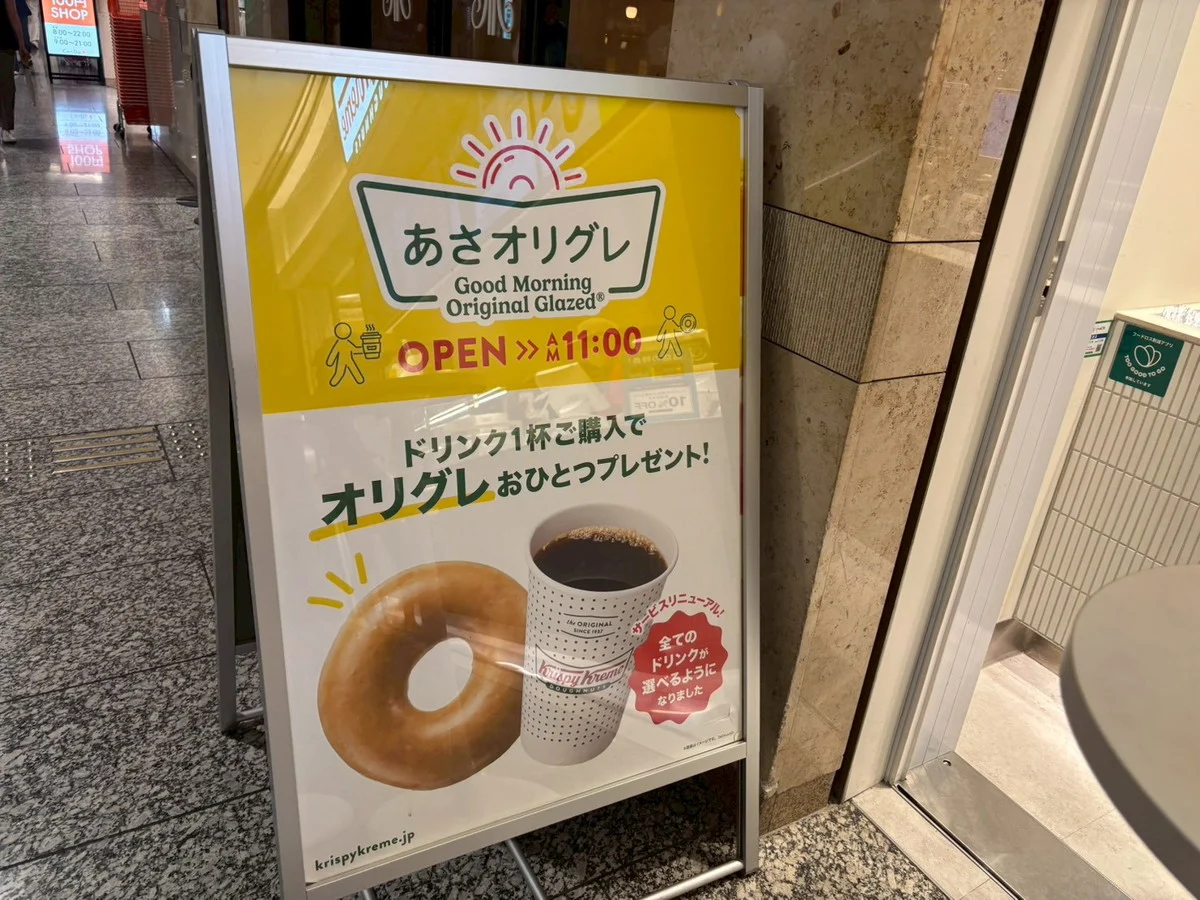
In the bustling, high-speed landscape of Japan’s urban morning routine, breakfast is often a utilitarian affair. For many, it is a quick grab-and-go triangle of rice from a convenience store or a canned coffee snatched from a vending machine on the way to the train station. However, a significant shift in the morning café landscape has emerged, turning the iconic Krispy Kreme Doughnuts into a destination for the early-bird commuter.
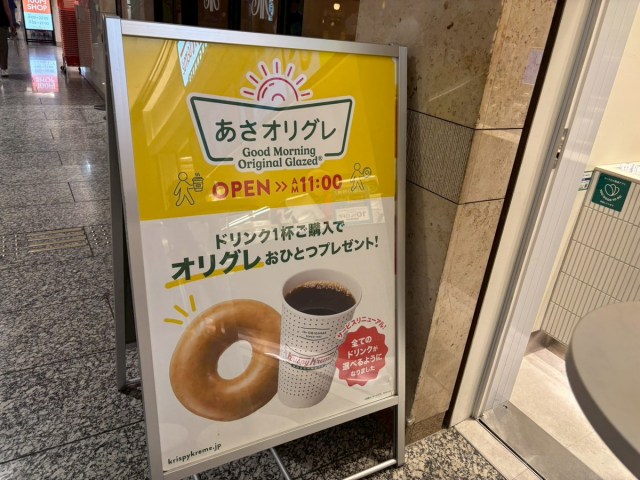
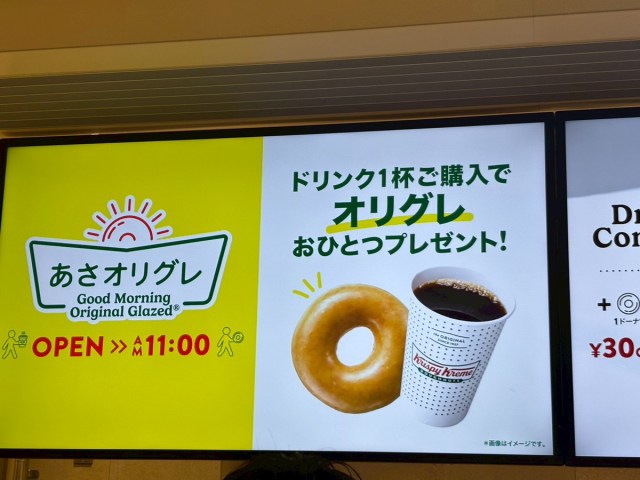
Since April 8, Krispy Kreme Japan has quietly but effectively revolutionized its breakfast offering with the "Asa Origure" (Morning Original Glazed) campaign. This initiative, which began as a regional experiment, has expanded into a nationwide staple, offering patrons a complimentary, freshly prepared Original Glazed doughnut with the purchase of any morning beverage.
The Core Offering: What is the "Asa Origure" Deal?
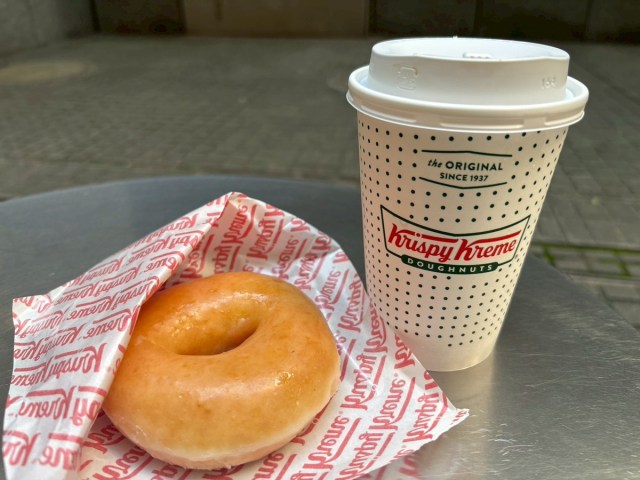
At its simplest, the "Asa Origure" promotion is a masterclass in customer loyalty and value-added service. The mechanics of the deal are straightforward: any customer who purchases a beverage at a participating Krispy Kreme location before 11:00 a.m. is entitled to one complimentary Original Glazed doughnut.
The term "Asa Origure" is a portmanteau of asa (morning) and Original Glazed, the brand’s flagship product. While global fast-food chains often restrict their breakfast menus to specific items like hash browns or breakfast sandwiches, Krispy Kreme has pivoted toward its core competency: the perfect pairing of hot coffee and a warm, sweet treat.
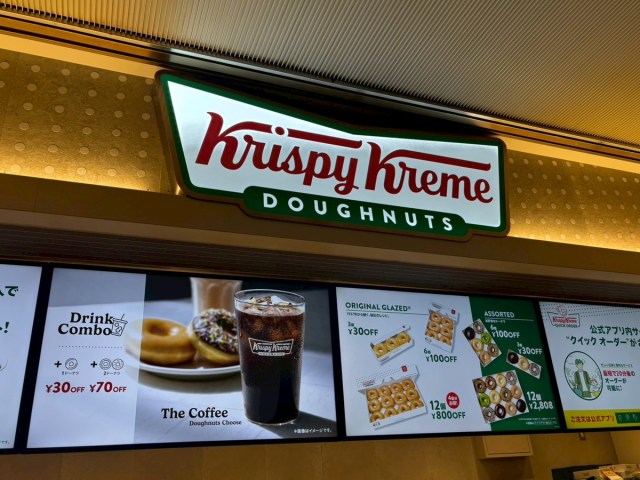
Unlike limited-time promotional offers that saturate the Japanese market, this deal has no announced end date, signaling a permanent change in how the brand intends to integrate itself into the daily lives of Japanese consumers. By removing the barrier to entry—the cost of the doughnut—the company is positioning itself not just as a dessert destination, but as a viable, competitive breakfast cafe.
Chronology: From Regional Pilot to National Standard
The journey of the "Asa Origure" deal is a testament to the power of consumer testing. Initially, the concept was rolled out in a limited capacity at select, high-traffic stores. The internal logic was to determine whether a morning incentive could drive traffic during the slow hours between the opening of the shop and the midday rush.
Following a successful testing phase that demonstrated increased foot traffic and higher morning beverage attachment rates, the company authorized a nationwide rollout on April 8. The transition from a local experiment to a nationwide standard was seamless. Market observers noted that by standardizing the offer, Krispy Kreme effectively communicated to the public that they were serious about capturing the "breakfast crowd"—a demographic long dominated by established coffee chains like Starbucks, Doutor, and Komeda’s Coffee.
Supporting Data and Financial Accessibility
For the budget-conscious Japanese consumer, value is paramount. Krispy Kreme has historically occupied a slightly more "upmarket" niche compared to domestic chains like Mister Donut. While the latter is revered for its accessibility and lower price points, the "Asa Origure" deal allows Krispy Kreme to compete on value without diluting its premium brand image.
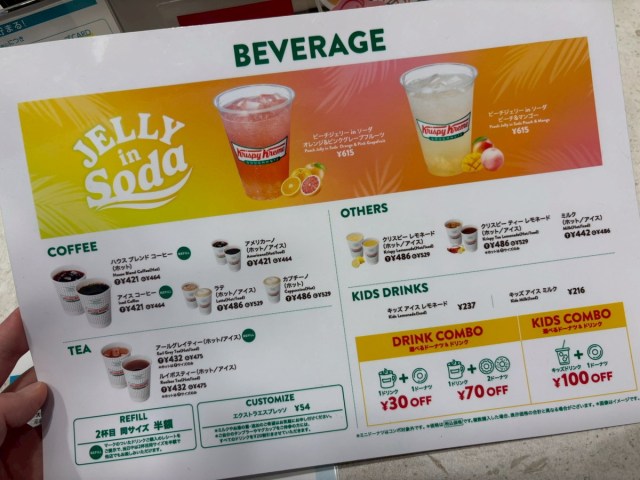
- Entry Pricing: The most economical way to secure the deal is by ordering a "short" size iced coffee, which typically retails for 367 yen (approximately $2.50 USD).
- The "Tall" Variable: At some flagship or urban locations, the menu may only list "tall" sizes, slightly increasing the entry price to approximately 432 yen. Even at this price point, the combination of a premium coffee and a globally recognized signature doughnut represents a significant value proposition.
- Refill Incentives: To further sweeten the deal, the company offers a secondary layer of value: select beverages—including the House Blend, iced coffee, hot/iced tea, and cold brew—are eligible for a half-price refill upon presentation of the original receipt. This encourages longer dwell times for customers choosing to dine in, further cementing the store’s status as a functional morning office or study space.
The Experience: A Contrast to Convenience Culture
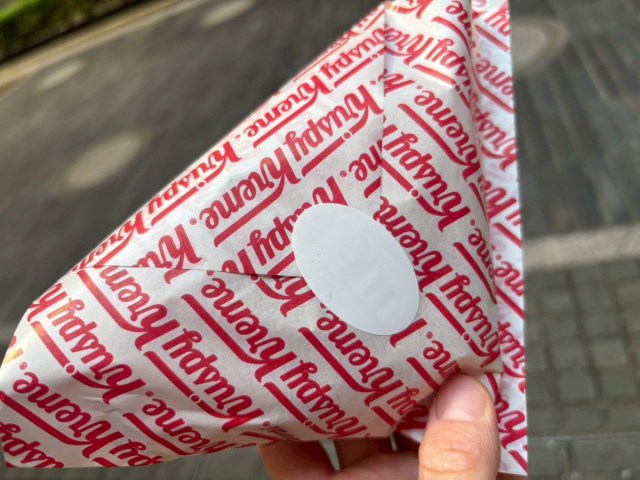
The act of receiving a free, freshly made item at the register creates a unique psychological "win" for the consumer. During field observations at various Tokyo locations, the efficiency of the service was highlighted by the fact that the doughnut is often provided automatically upon payment, requiring no additional request from the customer.
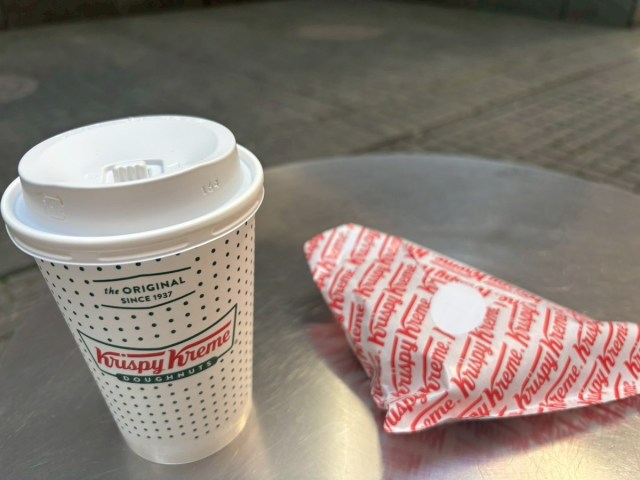
For those who choose to dine in, the environment at a Krispy Kreme in Japan is markedly different from the frantic energy of a subway terminal or the sterile efficiency of a convenience store. The seating areas are designed for comfort, allowing for a slower, more deliberate start to the day. For those who choose to take their coffee and doughnut to go, the experience offers a momentary pause in the middle of a high-speed commute, providing an "alfresco" moment that feels like a luxury in a city as dense as Tokyo.
Implications for the Japanese Café Market
The implications of this strategy are significant for the broader Japanese retail sector. By effectively lowering the price of a full breakfast to the cost of a single coffee, Krispy Kreme is challenging the status quo of the morning routine.
1. Competitive Positioning
Traditional coffee chains in Japan have long relied on "morning sets" (typically involving toast, eggs, or a side salad). By substituting these savory items with a high-sugar, high-satisfaction product like the Original Glazed, Krispy Kreme is betting on the emotional reward of sweetness as a better motivator than simple satiety.
2. Operational Efficiency
The "Asa Origure" deal is operationally lean. It utilizes the existing supply chain and does not require the preparation of complex, specialized breakfast menu items that would complicate kitchen workflows. By focusing on the signature doughnut, the brand maintains quality control while keeping labor costs manageable.
3. Cultivating Brand Loyalty
In Japan, the "Original Glazed" holds a near-mythic status. By making it a daily morning staple rather than an occasional treat, the brand is fostering a habitual connection with its customer base. This shift is likely to result in higher daily active user counts, as customers begin to associate the start of their workday with the specific taste and ritual provided by the store.
Conclusion: Is the Deal Here to Stay?
As of mid-2026, the "Asa Origure" deal shows no signs of slowing down. While many promotional campaigns in Japan are fleeting—often lasting only a few weeks to drive social media buzz—the "Asa Origure" appears to be a structural change to the company’s business model.
For the average resident or tourist in Japan, the takeaway is clear: the most efficient way to start the morning is no longer a hurried trip to a convenience store. Instead, it is a deliberate, satisfying stop at a Krispy Kreme. The combination of a competitively priced coffee, the reliable, warm comfort of an Original Glazed doughnut, and the potential for a half-price refill makes this one of the most compelling value propositions in the current Japanese food and beverage market.
Whether you are a busy salaryman needing a sugar-fueled jumpstart or a tourist looking to experience a quintessential piece of American-Japanese fusion culture, the "Asa Origure" deal stands as a beacon of consistency and comfort in an ever-changing city. As long as the coffee is brewing and the glazing machine is running, the morning routine in Japan just got a whole lot sweeter.











