Iffa Jayyana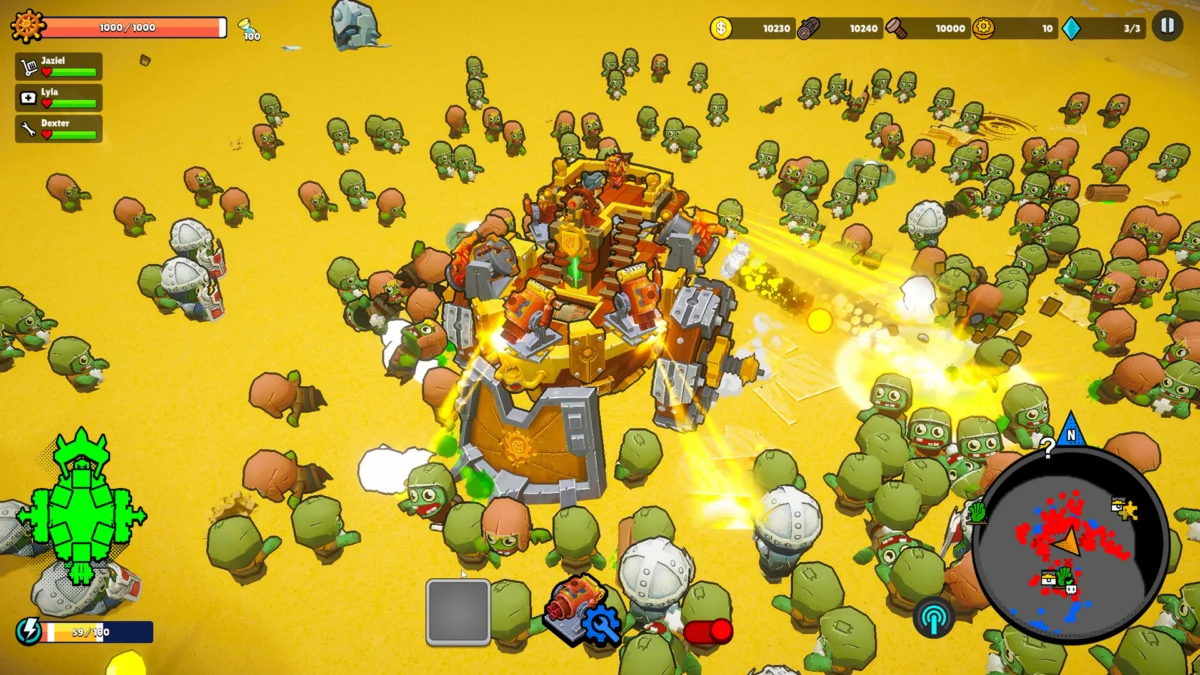
In the ever-crowded landscape of the survival-action genre, it is rare to find a title that blends vehicular combat with the frantic pacing of a horde-clearing arcade game. Zombie Rollerz: The Last Ship, developed by the team at Zing Games, manages to do exactly that. By tasking players with steering, customizing, and frantically repairing a massive, makeshift war machine, the game transforms the familiar "zombie survival" trope into a rhythmic dance of destruction, tactical planning, and high-stakes resource management.
The Core Concept: Engineering Your Survival
At its most fundamental level, Zombie Rollerz: The Last Ship is a test of endurance. Players are dropped into expansive, procedurally generated maps, each teeming with pockets of the undead. Your lifeline is your ship—a colossal, customizable tank that serves as both your primary weapon and your only sanctuary.
The gameplay loop is deceptively simple: you traverse the map, eliminating zombies to harvest "gears," which act as the game’s primary currency for upgrades. However, the clock is your most dangerous enemy. You are tasked with surviving for a set duration, during which the intensity of the horde escalates. Should you reach the end of the timer without proper preparation, you will find yourself face-to-face with a massive boss encounter. Without a heavily modified tank, these encounters are almost invariably fatal, forcing players to prioritize efficiency and strategic scavenging over mindless exploration.
Chronology: From Scavenger to Siege Master
The progression in Zombie Rollerz follows a distinct path that rewards tactical foresight. The experience can be broken down into three primary phases:
Phase 1: The Scavenger’s Beginning
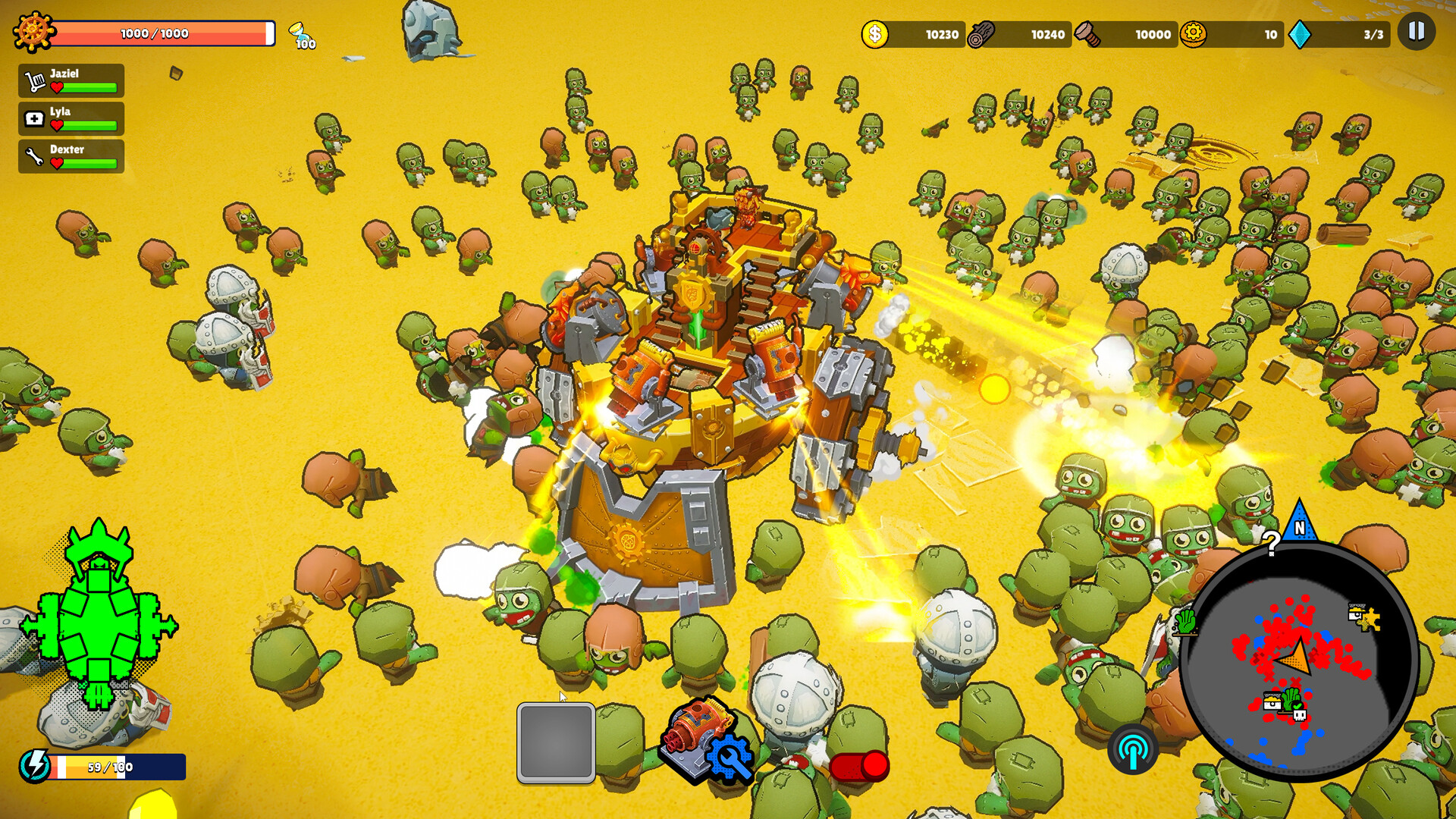
Early in each run, the focus is purely on mobility and basic combat. Your tank is relatively slow and lightly armed. The goal here is to carve paths through low-density zombie clusters, collecting the initial cache of gears. Every kill is an investment; you are not just clearing space, you are building the foundation of your future defense.
Phase 2: The Tactical Mid-Game
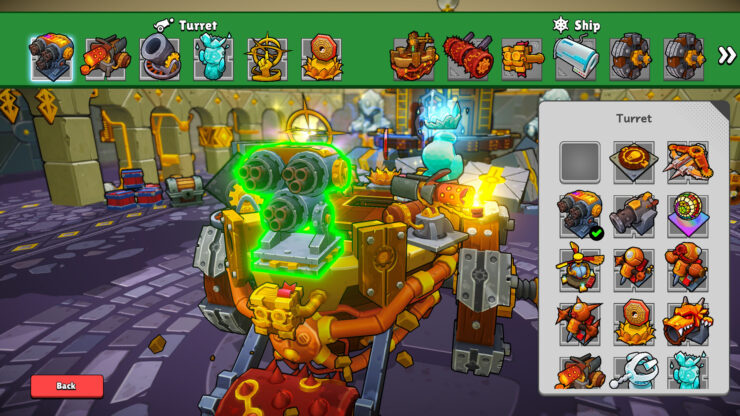
As you move deeper into the map, you encounter treasure chests. These are crucial, as they offer "trinkets"—specialized boons that modify your tank’s performance. These choices, which often present two distinct paths for growth (such as increasing turret fire rate versus enhancing critical hit probability), force players to specialize their build. Are you going to rely on a high-damage sniper-style turret, or are you going to embrace the "roller" aspect by focusing on spiked hull damage?
Phase 3: The Boss Gauntlet
The final minutes of the timer are where the game’s true challenge manifests. When the timer hits zero, the "Last Ship" is no longer just running from a horde; it is standing its ground against a singular, devastating threat. This is where the game’s mechanical depth is tested. If you have spent your gears wisely—upgrading your turrets, reinforcing your armor, and perhaps recruiting survivor NPCs—you might stand a chance. If not, the encounter acts as a brutal reset button.
The Mechanics of Destruction: Combat and Repair
What sets Zombie Rollerz apart from typical twin-stick shooters is the weight and physical vulnerability of the tank. Combat is not just about aiming; it is about positioning. You can engage the horde using mounted turrets, or you can physically ram into them, utilizing your tank’s heavy hull to crush the undead.
However, this aggression comes with a significant trade-off. The tank is segmented; the front, back, and sides possess distinct health pools. If you take too much damage, you cannot simply hide; you must retreat to a safe distance to allow for automated repairs. This introduces a "hit-and-run" rhythm. The zombies are relentless; once they lock onto your position, they will pursue you until you create enough distance to recover. The mastery of this "attack-and-repair" cycle is the defining skill of a high-level player.
Supporting Data: Why Customization Matters
The complexity of the build system cannot be overstated. Beyond the turrets and hull spikes, the game introduces a recruitment system. Occasionally, you will stumble upon survivors stranded in the wasteland. Rescuing these characters adds specialized skills to your arsenal. These survivors aren’t just cosmetic; they provide passive buffs and active abilities that can drastically alter the survivability of your tank.
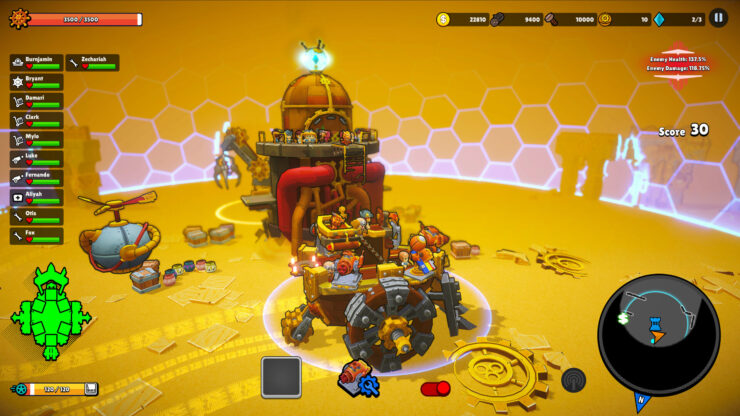
When looking at the stats provided at the end of each run, it becomes clear that the game is designed for replayability. The sheer number of permutations—different wheels, weapon loadouts, trinket combinations, and crew configurations—means that no two runs feel identical. The intricate breakdown of your performance serves as both a scorecard and a lesson, showing you exactly where your build failed or where your movement was suboptimal.
Developer Intent and Design Philosophy
While the developers at Zing Games have kept a relatively low profile regarding official press releases, the design of Zombie Rollerz: The Last Ship speaks for itself. The game leans heavily into the "clunky" feel of a massive war machine. As noted by players and critics alike, the tank does not move with the grace of a sports car. It feels heavy, cumbersome, and prone to momentum-based mistakes.
This design choice is intentional. It forces the player to plan their routes ahead of time. You cannot simply turn on a dime to avoid a sudden ambush. You must anticipate the horde’s movement, account for the terrain, and respect the sheer mass of the vehicle you are piloting. This creates a sense of "dramatic tension" that permeates every session.
Implications for the Genre
Zombie Rollerz: The Last Ship serves as a compelling case study for the "survivor-like" subgenre. It proves that there is still significant room for innovation in a market often flooded with Vampire Survivors clones. By introducing a physical, modular vehicle as the player avatar, the developers have successfully moved away from the "character-stat-stacking" model and toward a "mechanical-synergy" model.
The game is currently available on both the Nintendo eShop and Steam, positioning itself as both a portable pick-up-and-play experience for the Switch and a highly replayable PC title. For those who enjoy deep customization and the high-octane pressure of an encroaching, endless horde, it represents one of the more unique indie offerings of the year.
Final Thoughts: A Challenge to the Player
Ultimately, Zombie Rollerz: The Last Ship is a game that respects the player’s intelligence. It does not hand out victories. It forces you to learn the map, to understand the limitations of your equipment, and to make the difficult choice between upgrading your offensive capabilities and bolstering your structural integrity.
Whether you are a veteran of the genre or a newcomer looking for a challenging, high-stakes arcade experience, the game offers a level of depth that is frequently missing from larger, more expensive titles. It is a reminder that in the world of independent game development, the most compelling stories aren’t always told through cutscenes—sometimes, they are told through the screech of metal, the roar of a turret, and the desperate, frantic scramble to survive just one more minute against the encroaching darkness.


 Jia Lissa
 Neng Nana