Azzam Bilal Chamdy
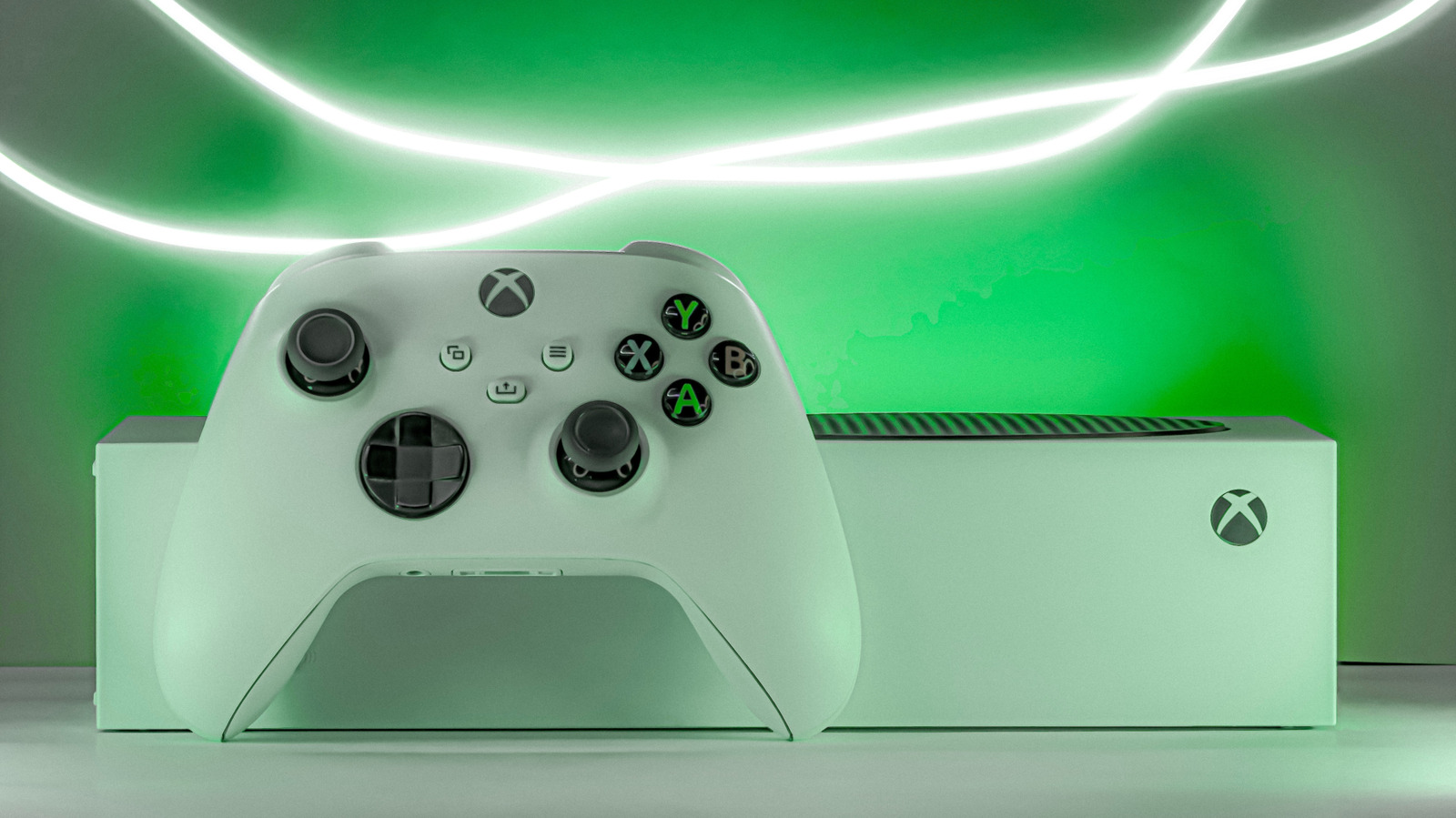
The recent, near-total service outage that paralyzed the Xbox ecosystem earlier this week has sparked a heated debate regarding the permanence of physical media in a digital-first age. For nearly 24 hours, the Xbox network—the digital backbone of Microsoft’s gaming division—experienced a catastrophic failure, rendering digital titles unplayable and, more concerningly, locking users out of their physical disc libraries.
While the outage itself was significant, the revelation that physical media failed to function as intended has ignited a firestorm of criticism from the gaming community. Microsoft has since confirmed that this was a technical anomaly, not a deliberate shift in policy, and has promised an impending fix. However, the incident serves as a poignant reminder of the fragility of modern console architecture and the growing "ownership" crisis in gaming.
The Anatomy of the Outage: A Chronology of Failure
The disruption began early in the week, quickly cascading across multiple regions and services. What started as intermittent connectivity issues for the Xbox Network soon evolved into a full-scale service blackout.
- Initial Reports: Users began flooding social media and support forums with reports of sign-in failures. Attempts to launch games—both digital and physical—were met with persistent "service unavailable" errors or infinite loading screens.
- The Escalation: As the day progressed, it became clear that the issue was not isolated to cloud-based features. Players attempting to boot titles from physical discs were blocked by an "entitlement check." Even though the game data was physically present on the Blu-ray disc, the console’s firmware refused to verify the license to play, effectively treating the user as an unauthorized guest.
- The Resolution: After nearly 24 hours of widespread frustration, Microsoft’s engineering teams managed to restore connectivity to the Xbox Network. By the following morning, digital storefronts and game authentication systems had returned to nominal performance levels.
The Technical Breakdown: Why Did Discs Fail?
To understand why a physical disc would fail during a server outage, one must look at how modern consoles manage digital rights management (DRM). According to Scott Van Vliet, Xbox’s technology chief, the outage was triggered by a malfunction at an external licensing service—a third-party provider that Microsoft relies on to verify account entitlements and permissions.
The Myth of Offline Play
In theory, console manufacturers design their systems to allow offline play for physical media. When a player inserts a disc, the console reads the data and checks a local "entitlement" file—a digital handshake that confirms the disc is valid and the user has the right to play it.
Van Vliet explained that under normal circumstances, these entitlement checks are designed to be resilient. "Disc-based entitlement checks should not prevent players from accessing their games and this is by design," he noted in a statement provided to The Verge. The system is intended to store these credentials locally, allowing the console to function without an active internet connection.
The Systemic Failure
The failure occurred because the authentication bridge, which should have relied on the locally cached entitlement, defaulted to an external ping during the service interruption. When the external licensing service failed to respond, the console’s security protocol defaulted to a "deny" state rather than falling back to the locally stored license. It was, in effect, a "fail-secure" mechanism that inadvertently penalized the consumer, treating legitimate disc owners as if they were trying to bypass the system.
Official Responses and the Promise of a Patch
Microsoft has been quick to acknowledge the severity of the situation. The company has faced immense pressure to clarify whether this failure was a bug or a silent transition toward a "always-online" requirement for physical media.
Scott Van Vliet was definitive in his rebuttal of the latter. "We are looking into reports that some players were unable to access games using discs as expected during the service interruption," he stated. He emphasized that the company is actively developing an update intended to decouple the physical disc check from the external licensing service entirely, ensuring that future server-side failures do not cascade into local media lockouts.
This response is a critical damage-control measure for a company currently navigating a precarious transition period. By framing the incident as a software bug rather than a policy shift, Microsoft hopes to preserve the dwindling trust of physical media collectors.
Implications: The Future of Digital Ownership
The implications of this outage extend far beyond the immediate technical fix. For the gaming industry, the incident highlights the uncomfortable reality that "owning" a game in 2025 is an increasingly nebulous concept.
The Erosion of "Owned" Media
Historically, purchasing a physical disc was the ultimate guarantee of ownership. You possessed the data, and the console read it. Today, the disc is often little more than a "key" that initiates a digital handshake. This incident confirms that as long as the console firmware relies on a central server to authorize the physical disc, the user’s access remains at the mercy of the manufacturer’s uptime.
The "Always-Online" Drift
Critics have argued that the gaming industry is slowly conditioning consumers to accept "always-online" requirements for single-player experiences. While Microsoft insists this was not intended, the fact that the architecture allowed such a failure to occur suggests that the "check-in" protocols are becoming increasingly centralized. If this becomes the industry standard, physical media may soon become indistinguishable from digital rentals, losing its primary advantage: the ability to play without internet reliance.
Contextualizing the Xbox Crisis
This technical failure arrives at the worst possible time for the Xbox brand. Microsoft is currently weathering a storm of negative sentiment, making every operational error seem like a structural crisis.
A Rough 2025
The past 12 months have been defined by a series of high-profile setbacks. Following a year that many industry analysts have dubbed "the year Xbox lost its footing," the division has been plagued by:
- Leadership Turbulence: The departure of long-time Xbox head Phil Spencer has left a vacuum in the division’s strategic direction, fueling speculation about the future of the Xbox hardware platform.
- Economic Pressures: Microsoft has implemented significant price hikes across its hardware and subscription services, citing rising component costs and the need to achieve sustainable profitability in a saturated market.
- Workforce Reductions: The announcement of plans to lay off 3,200 workers—a massive reduction for the gaming arm—has severely impacted internal morale and public perception.
When viewed through this lens, the disc-authentication failure is not just a software glitch; it is a symbol of a brand struggling to maintain the quality and reliability that built its reputation. Customers who are already feeling the sting of price increases and hearing rumors about the platform’s future are less likely to be forgiving of service interruptions that prevent them from playing the games they have already paid for.
Conclusion: Lessons for the Industry
The "disc-check" outage is a wake-up call for both Microsoft and the broader gaming industry. While software bugs are an inevitability in the modern digital age, the inability to play locally owned, physical content during a server outage represents a fundamental breach of the unspoken contract between manufacturer and consumer.
As Microsoft moves forward with its promised update, the gaming community will be watching closely. The fix needs to be robust, verifiable, and permanent. More importantly, the company must address the underlying architecture that allowed this to happen in the first place. If physical media is to survive in a digital world, it must be shielded from the whims of cloud connectivity.
For now, the lesson is clear: in an era of hyper-connectivity, the hardware we buy is only as reliable as the servers behind it. Until Microsoft can prove that their consoles are truly capable of functioning in isolation, the status of "physical ownership" will remain a point of contention for millions of players worldwide.


 Asro
Asro