Neng Nana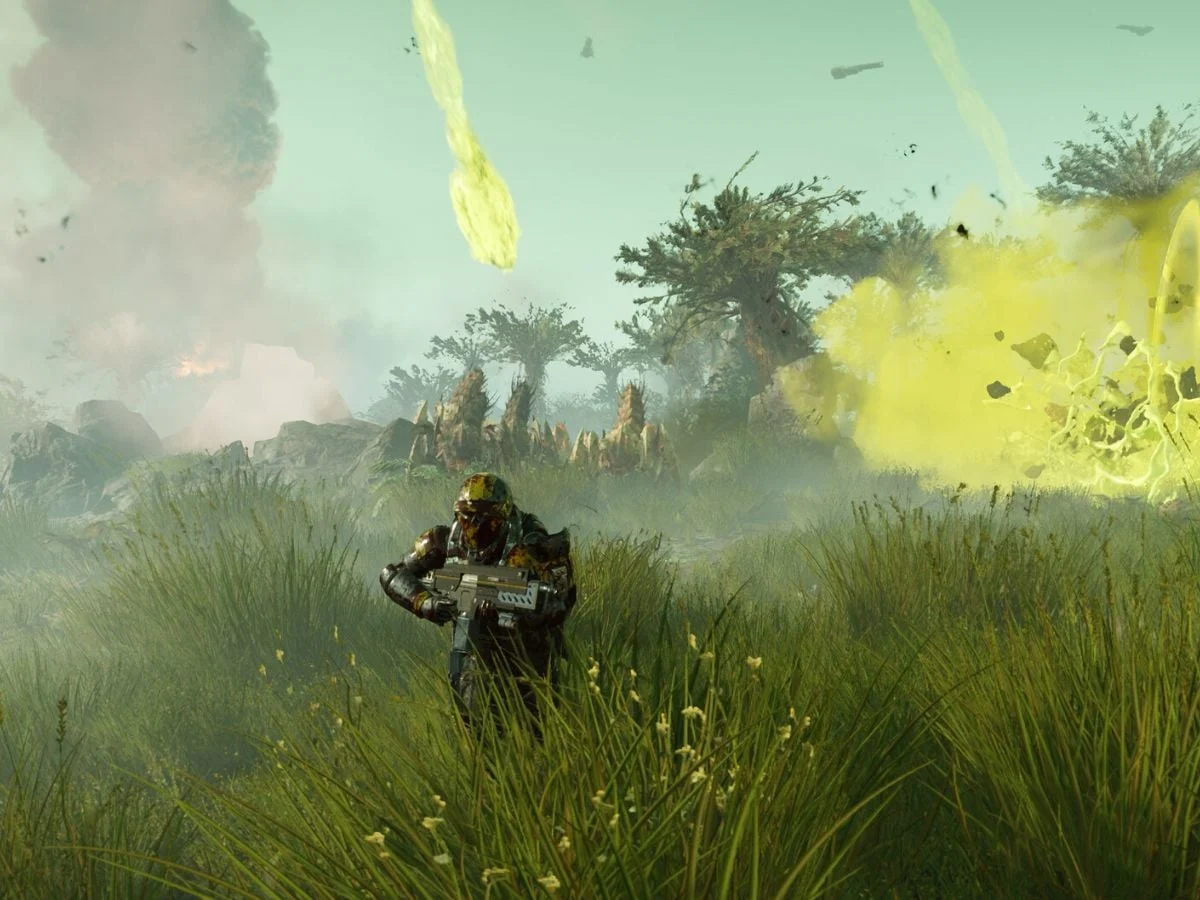
The landscape of the modern video game industry has been defined by a volatile cycle of layoffs, studio closures, and the sudden abandonment of ambitious titles. In the latest chapter of this ongoing contraction, Amazon Games Studio has come under scrutiny following the cancellation of a high-potential internal project, codenamed "Project Trident."
Reports indicate that the project, which began with significant internal enthusiasm, was systematically dismantled following a series of pivots forced by a corporate mandate to integrate generative artificial intelligence. The subsequent layoffs of the team responsible for these efforts have raised critical questions about the intersection of corporate AI mandates and the viability of creative development within massive tech conglomerates.
Main Facts: The Collapse of a Creative Vision
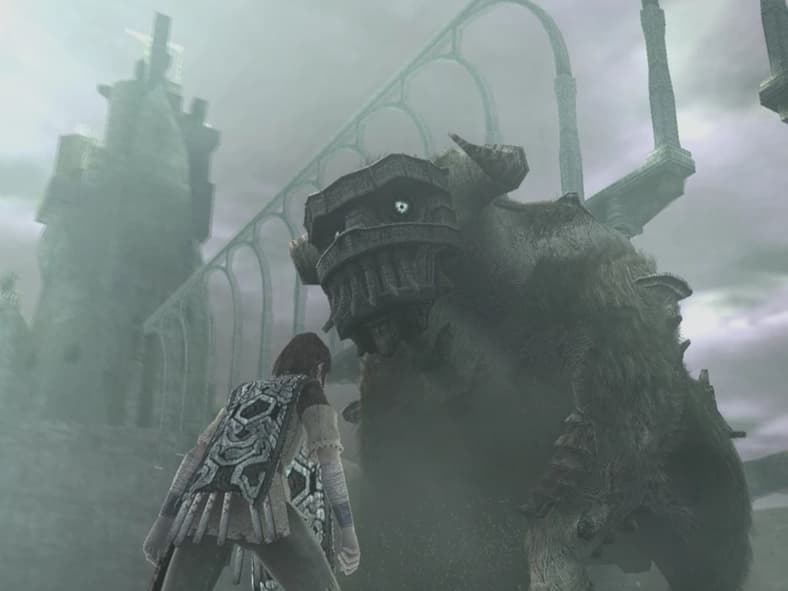
Project Trident was, by all internal accounts, a passion project for the team at Amazon Games. It was originally conceived as an ambitious action-adventure title inspired by the cult-classic Shadow of the Colossus. The core gameplay loop involved players scaling gargantuan enemies—Jotuns—using a combination of grappling hooks and aerial traversal mechanics.
However, the project’s trajectory was permanently altered in mid-2024 when Amazon reportedly instituted a company-wide mandate to aggressively incorporate generative AI into their software pipeline. According to anonymous staff members who spoke with Eurogamer, the pressure from leadership was absolute: teams were effectively given an ultimatum to force-fit AI into their designs or face potential cancellation.
Despite complying with these mandates and successfully pivoting the game’s design through three distinct iterations, the development team was eventually laid off in October 2025. The irony of the situation is stark: Amazon reportedly terminated the very employees who had become the company’s internal experts on the successes and failures of AI integration in game design.
A Chronology of Development and Forced Pivots
The downfall of Project Trident is a case study in how rigid corporate directives can erode the stability of creative production.
Phase 1: The "Colossus" Vision (The Early Days)
At its inception, Project Trident was met with genuine excitement from its development team. It was designed to capture the scale and atmospheric tension of Shadow of the Colossus. The team focused on the technical challenges of mounting massive creatures and fluid movement. Sources suggest that had the project been allowed to proceed in its original form, it might have become a flagship title for the studio.
Phase 2: The AI Mandate and the "Helldivers" Pivot (Mid-2024)
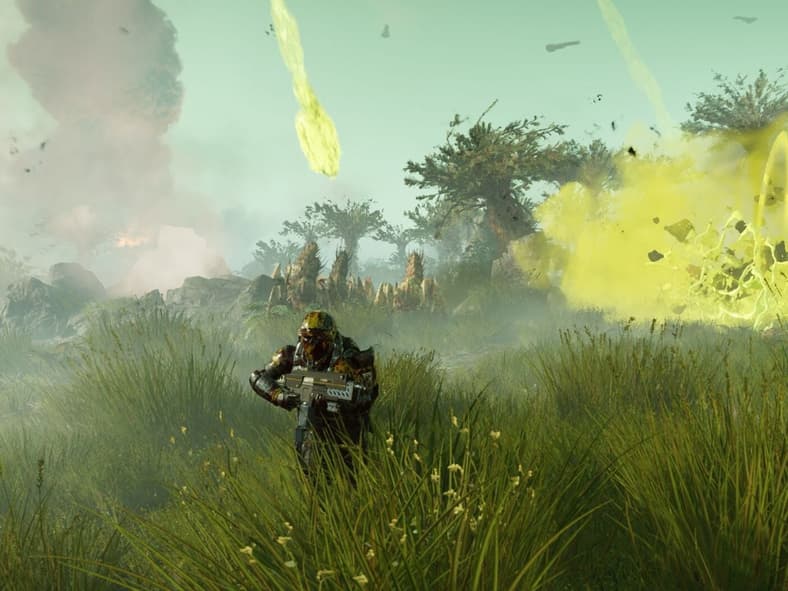
In mid-2024, the atmosphere within the studio shifted drastically. Leadership issued a directive demanding the integration of generative AI. Faced with a two-year development timeline and the threat of closure, the team pivoted away from their original vision to a Helldivers-style roguelite. This iteration featured drop-in, drop-out multiplayer gameplay, where AI was leveraged to generate mission parameters and dialogue.
Reflecting on this period, one developer noted, "We had some fun with it, but almost everyone kept wishing we didn’t have to do this and were working on the Colossus version instead."
Phase 3: The LLM Experiment
As development progressed, the project underwent a third, more experimental iteration. This version was a single-player experience where players utilized Large Language Models (LLMs) to issue commands, trigger special moves, or manipulate NPC prisoners to join their cause. Sources state this version was nearly "demonstrable," indicating that the team had successfully navigated the technical hurdles of implementing these tools.
Phase 4: Termination (October 2025)
Despite the team’s agility and their ability to produce a functional, AI-integrated prototype, the project was cancelled, and the team was laid off in October 2025. The closure did not just end the project; it effectively gutted the studio’s institutional knowledge regarding the practical application of generative AI in gaming.
The Implications of AI-First Development
The cancellation of Project Trident serves as a warning for the industry at large. When corporations prioritize the presence of a technology over the utility of that technology in gameplay, the result is often a diluted product that satisfies a boardroom checklist but fails to resonate with players or developers.
The "Expertise Paradox"
One of the most damning aspects of this situation is that Amazon discarded the team that had just spent over a year learning the "best and worst ways" to implement generative AI. By laying off these developers, Amazon lost the very people who could have helped them avoid the pitfalls of AI implementation in future projects. This suggests that the mandate was perhaps more about signaling to investors that Amazon is an "AI-first company" than about creating better games.
The Impact on Developer Morale
The constant threat of layoffs and project cancellations creates an environment of instability. When developers are forced to abandon their creative vision in favor of corporate mandates, the resulting "crunch" or pivot often leads to burnout. For the team at Project Trident, the realization that compliance—even successful compliance—did not guarantee job security has left a lasting mark on the studio’s culture.
Industry Context: A Pattern of Retrenchment
Amazon Games is not alone in this cycle. The industry has seen a massive wave of layoffs across major publishers and developers, including Epic Games, Electronic Arts, and various Embracer Group-owned studios.
However, the specific narrative of "AI as a survival requirement" adds a new layer to the conversation. In the past, studios were shut down due to poor sales or missed milestones. Now, studios are being shuttered because they fail to align with a nebulous, fast-moving corporate trend. The requirement to use AI to "save" a project is becoming a common theme in high-level corporate planning, but as evidenced by Project Trident, this technology is often being treated as a panacea for deeper structural issues that it cannot actually solve.
Official Responses and Future Outlook
As of the time of this report, Amazon has not released a formal statement detailing the specifics of the Project Trident cancellation or the rationale behind the AI mandate. The company continues to maintain a portfolio of other projects, but the loss of the Trident team and their unique, hard-won expertise leaves a void in the studio’s internal research and development capabilities.
What Comes Next?
For the developers involved, the aftermath is a period of transition, likely heading to other studios where their unique experience with LLMs and generative design might be better utilized. For the industry, the lesson is clear: the integration of artificial intelligence is inevitable, but when it is forced upon teams from the top-down without regard for the creative process, it often leads to the destruction of the very talent required to make that technology successful.
The tragedy of Project Trident is not that a game was cancelled—games are cancelled regularly in the industry. The tragedy lies in the fact that the team was forced to compromise their vision for a corporate trend, and then, having done so successfully, were discarded nonetheless. This incident will likely serve as a cautionary tale in game development circles for years to come, illustrating the friction between the cold, binary logic of corporate AI mandates and the human-centric, iterative nature of artistic creation.

 Sagoh
Sagoh
 Ammar Sabilarrohman