Lina Hope
When Rivals first hit streaming platforms, it was heralded as a neon-soaked, 1980s-drenched spectacle of British excess. Based on the iconic "bonkbuster" novels by the late Dame Jilly Cooper, the show became an overnight sensation, defined by its unapologetic hedonism, cutthroat corporate power plays, and a revolving door of illicit affairs. However, as the series returns for a second season, it is becoming increasingly clear that the true pulse of the show isn’t found in the boardrooms of Corinium TV, but in the slow-burn, deeply human connection between the aristocratic playboy Rupert Campbell-Black and the grounded, aspiring chef Taggie O’Hara.
In the second season, the show expands its reach, proving that while it maintains its "bigger and bolder" reputation, it is fundamentally a study of human fragility. The central tension this year? A phenomenon that stars Alex Hassell and Bella Maclean jokingly, yet accurately, describe as "emotional edging."
The Core Conflict: A Romance Against the Odds
At the heart of the Rivals narrative is the unlikely pairing of Rupert Campbell-Black—the quintessential rake, Olympic showjumper, and polarizing Tory MP—and Taggie O’Hara, the daughter of his rival. Their relationship defies the tropes of the genre; despite a 17-year age gap and the constant interference of the high-stakes world they inhabit, their bond is grounded in mutual growth rather than mere physical attraction.
In Season 2, the romantic momentum established by the final kiss of the first season is deliberately throttled. Rupert, grappling with a career-ending personal scandal and a complicated entanglement with Corinium producer Cameron Cook (Nafessa Williams), finds himself pulling away from Taggie. This creates a narrative landscape where the two are forced to navigate the space between friendship and desire, testing their boundaries in a way that feels both realistic and agonizing for the audience.
A Chronology of Emotional Distance
The trajectory of Rupert and Taggie’s relationship in the early episodes of the second season is a masterclass in narrative restraint.
The Fallout of Season 1
Following the resolution of the first season, the audience expected a shift toward stability for the pair. Instead, the narrative pivots. Rupert is thrown into the deep end of a personal crisis—a scandal that strips away the polished veneer he maintained in the previous season. This is not merely a plot device; it serves as a catalyst for his character development. As his political career teeters on the brink of ruin, his inability to prioritize his feelings for Taggie becomes a recurring point of frustration.
The "Dinner Party" Catalyst
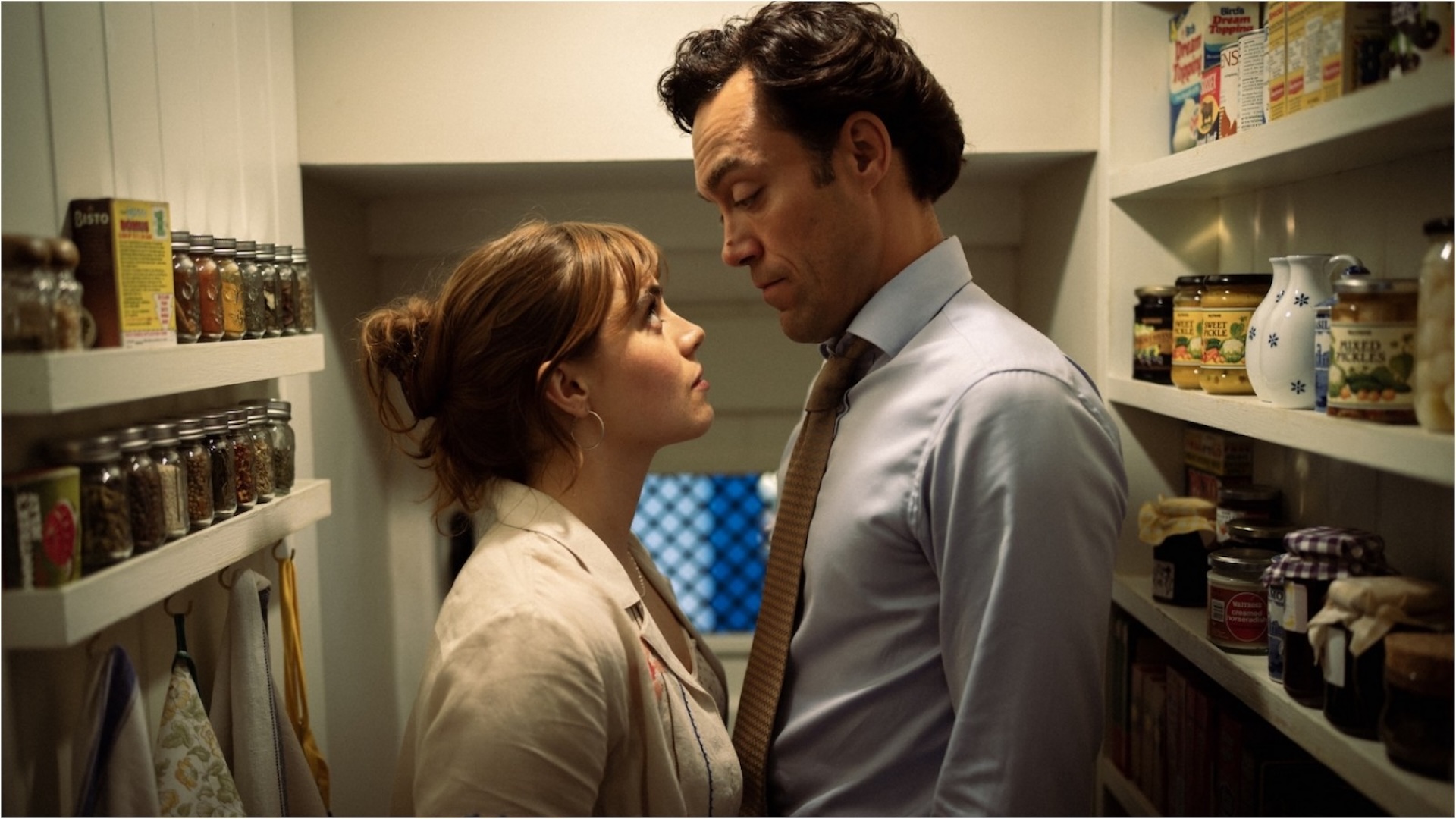
By the second episode, the tension reaches a fever pitch. A disastrous dinner party forces Taggie into a position of professional and personal humiliation. It is here that the audience sees the true nature of their dynamic: even when they are not "together," they are tethered. When Taggie reaches out to Rupert in her moment of desperation, he arrives—not as a lover, but as a savior. This sequence, which involves a comedic, high-stakes romp involving a confined cupboard, underscores their shared sense of humor and their refusal to let the other fall.
The Introduction of the Campbell-Black Children
The arrival of Marcus and Tabitha, Rupert’s children, introduces a new, sobering dimension to the story. For Taggie, these children represent a bridge to a version of Rupert she isn’t sure he’s capable of sustaining. For Rupert, they are a mirror, reflecting his failures and his latent desires for a life he feels he doesn’t deserve.
Supporting Data: Why Viewers Are Hooked
The enduring appeal of Rivals lies in its ability to balance the "naughtiness" of its source material with genuine character work. According to viewer sentiment and critical analysis, the show thrives on three specific pillars:
- Character Dynamics: The ensemble cast, including the fractious marriage of Declan and Maud O’Hara and the forbidden attraction between Lizzie Vereker and Freddie Jones, ensures that the world of Rutshire feels lived-in and volatile.
- The "Humanity" Factor: Unlike many dramas of its ilk, Rivals avoids making its leads caricatures. Rupert, in particular, has evolved from a one-dimensional playboy into a figure of "human vulnerability," as described by Alex Hassell.
- The Chemistry: The "edging" dynamic between Taggie and Rupert keeps the tension alive. By keeping them apart for much of the early season, the show increases the stakes for every look, every phone call, and every accidental encounter.
Official Responses: Insights from the Cast
Speaking exclusively to Den of Geek, the leads provided a candid look at how they approached their characters’ evolution.
Alex Hassell, who portrays Rupert, emphasized the importance of showing the cracks in his character’s armor. "It’s so nice to play different aspects of a character like Rupert," Hassell noted. "Trying to get in touch with that sort of human vulnerability was really exciting to play and helped make him a fully fleshed-out human being."
Bella Maclean, who plays Taggie, highlighted the reciprocal nature of their influence on one another. "Rupert is encouraging Taggie all the time… to put herself first sometimes," Maclean explained. "Taggie’s encouraging Rupert to be more in touch with his emotions and just be a better person."
When asked to define their season-long arc, the two stars shared a moment of comedic tension that mirrored their characters. While Hassell insisted on the term "emotional edging," Maclean laughed, attempting to nuance the definition. It was a moment that served as a microcosm for their entire relationship: two people who are fundamentally on the same page, even when they struggle to find the exact same words.
The Broader Implications: Redefining the Genre
The success of Rivals in its second season suggests a shift in how audiences consume "guilty pleasure" television. By blending the high-glamour tropes of Jilly Cooper’s novels with a surprisingly nuanced exploration of emotional intelligence, the series is redefining what a "bonkbuster" can be.
Challenging the "Playboy" Trope
Rupert Campbell-Black is a character who, by all accounts, should be unlikable. Yet, by forcing him into positions of vulnerability—facing professional ruin, navigating parental responsibilities, and acknowledging his own internal limitations—the writers have managed to keep him sympathetic. The implication here is that even the most privileged, hedonistic characters are capable of growth, provided they have the right catalyst.
The Role of Taggie as the Moral Compass
Taggie’s function in the narrative is shifting. She is no longer just the love interest; she is becoming the moral center of the show. Her ability to see the good in people—even her own "love rival," Cameron Cook—speaks to a level of maturity that is absent in much of the Rutshire elite. This generosity, while arguably to her own detriment, is what makes her the most compelling figure in the series.
What Lies Ahead
As the season progresses, the question remains: can this "emotional edging" continue, or will the pressure finally cause the dam to break? The inclusion of the children, the ongoing fallout from the Corinium scandal, and the persistent, magnetic pull between the leads suggest that the path forward will be anything but simple.
Rivals Season 2 is a bold declaration that the most compelling dramas are not necessarily those that move at breakneck speed, but those that understand the power of a lingering glance, a well-timed intervention, and the agonizing, beautiful, and occasionally hilarious process of trying to be a better person. Whether Rupert and Taggie ultimately find their way to each other or continue to orbit one another in this high-stakes dance, the audience remains firmly invested in the result. In the world of Rutshire, the stakes have never been higher, and for once, the most important battle is not for power or status, but for the heart.

 Evan Lee Salim
 Asro
Asro