

By Editorial Staff
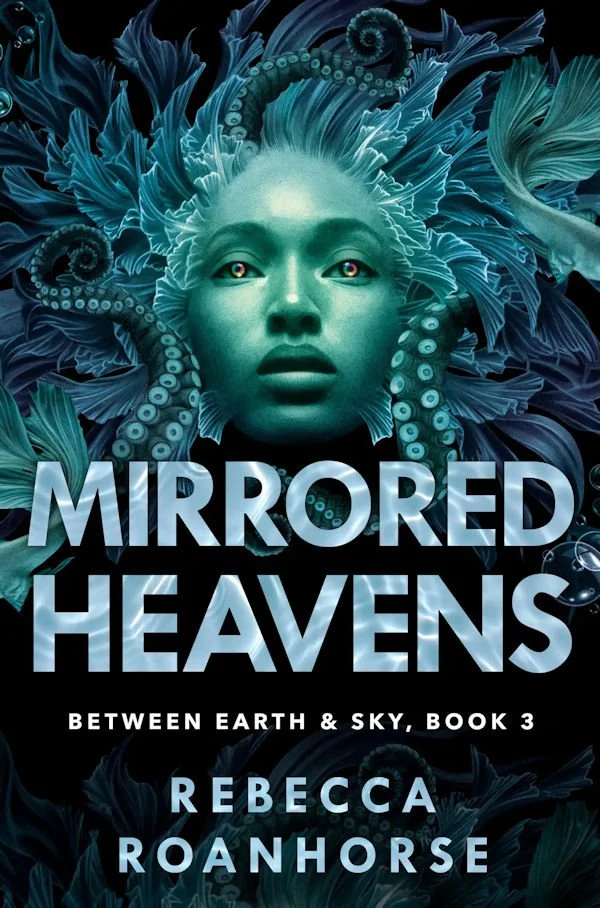
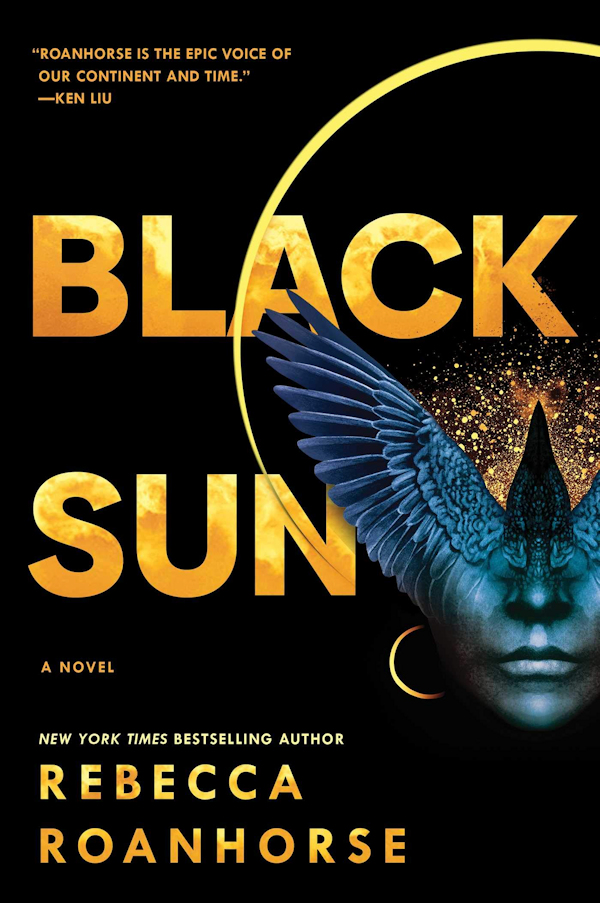
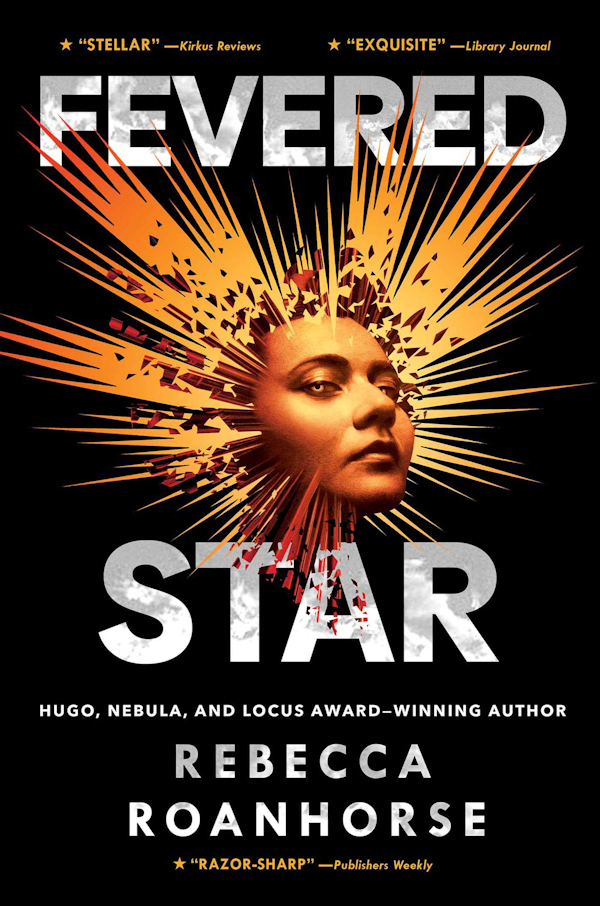
In the landscape of contemporary epic fantasy, few works have achieved the cultural resonance and structural precision of Rebecca Roanhorse’s Between Earth and Sky trilogy. Consisting of Black Sun (2020), Fevered Star (2022), and the concluding volume Mirrored Heavens (2024), the series has officially cemented itself as a landmark achievement in speculative fiction. With the trilogy now complete, it is time to reassess the impact of Roanhorse’s narrative, which weaves together Pre-Columbian-inspired worldbuilding with a complex, multi-perspective study of power, divine wrath, and the inevitability of fate.
The Convergence of Power: Main Facts and Themes
The Between Earth and Sky series is set on the continent of Meridian, a land defined by its sacred geography and the volatile influence of its gods. At the heart of the narrative is the city of Tova, a hub of political and religious authority governed by the Sun Priest and a council of priests known as the Watchers.
Roanhorse’s narrative architecture is built upon the collision of four distinct lives—Naranpa, Serapio, Xiala, and Okoa—each representing different facets of Meridian’s sociopolitical hierarchy. The trilogy explores the "near-apocalyptic" destabilization of these structures. Unlike traditional high fantasy that relies on hero’s journey archetypes, Roanhorse presents a grim, grounded examination of how the past—specifically the grievances of the previous generation—imposes itself upon the youth.
The series is defined by three pillars:

- The Inevitability of Coincidence: The protagonists are not merely acting; they are being funneled toward one another by forces beyond their control.
- The Weight of Divinity: Gods are not distant entities; they are literal, destructive forces that require human vessels, turning characters into tragic avatars of vengeance.
- Political Manipulation: The central conflict is driven by the machinations of those in power, who treat human lives as pawns in a long-standing game of ideological supremacy.
A Chronology of Chaos: From Eclipse to Empire
The narrative arc of Between Earth and Sky is a masterclass in pacing, moving from the singular, claustrophobic tension of a religious festival to the sprawling, continental-scale fallout of a broken status quo.
The Spark: Black Sun
The trilogy begins with the winter solstice, a day of immense religious significance. Naranpa, the Sun Priest, struggles to maintain order in Tova despite the systemic prejudice against her "dry-earth" origins. Concurrently, Serapio—a young man ritualistically blinded by his mother to become the vessel for the Crow God—is transported to the city by Xiala, a Teek sea captain with a mastery of magical song. The climax of the first book, a brutal assault during a solar eclipse, shatters the fragile peace of Meridian and leaves the city of Tova in a state of permanent, unnatural twilight.
The Scattering: Fevered Star
In the aftermath of the eclipse, the survivors are dispersed. The narrative shifts from a unified location to a broader map of Meridian. Xiala finds herself ensnared by the political machinations of the Golden Eagle clan and the enigmatic sorcerer Balam. Meanwhile, Serapio, having survived the carnage of the eclipse through the sacrifice of the crows he befriended, struggles to lead a city he helped destroy. Okoa, the son of a fallen matron, transitions from a would-be assassin to an unlikely ally of the "Carrion King," highlighting the fluid nature of allegiance in the wake of societal collapse.
The Resolution: Mirrored Heavens
The final installment serves as a convergence point where the long-gestating conspiracy is revealed. The true antagonist, the white jaguar prince Balam, is exposed as the architect of the chaos. The series concludes by resolving the complex threads of dreamwalking, shadow magic, and the divine succession, providing a rare sense of closure that avoids the ambiguity often found in modern epic trilogies.
Character Dynamics: A Masterclass in Voice
A distinguishing feature of Roanhorse’s writing is her ability to maintain distinct, recognizable voices for each of her four primary POV characters. Despite the complexity of the plot, the reader can distinguish between the perspectives of Xiala, Naranpa, Okoa, and the various antagonists without relying on internal labels.
Naranpa and Xiala
These two characters represent the emotional core of the series. Their interactions—ranging from the sharp, witty banter of peers to the tender, vulnerable development of their romantic bond—serve as a grounding mechanism. They are fully realized individuals whose motivations are never sacrificed for the sake of the plot. Roanhorse successfully avoids the tropes often assigned to female characters in high fantasy, instead crafting women who are defined by their intellect, their failures, and their capacity for growth.
The Evolution of the Antagonist
Perhaps the most surprising subversion in the trilogy is the trajectory of Serapio. Initially framed as the primary agent of destruction, he evolves into a sympathetic figure—a prisoner of his own destiny, trapped by the blood rituals of his mother. In stark contrast, Balam serves as the quintessential villain: condescending, calculating, and fundamentally poisonous. The reader’s visceral reaction to Balam is a testament to Roanhorse’s skill; he is a character whose demise provides genuine catharsis.
Implications for the Fantasy Genre
The completion of the Between Earth and Sky series prompts a necessary conversation about the state of modern fantasy.
Worldbuilding Without Exposure
Roanhorse exhibits a disciplined approach to worldbuilding. She eschews the "info-dump" in favor of organic discovery. Readers learn about the Sky-made clans—Carrion Crow, Winged Serpent, Water Strider, and Golden Eagle—through the context of the characters’ daily lives and religious observances. This method invites the reader to become an investigator of the world rather than a passive observer.
The Power of "God-Touched" Narratives
By utilizing the "chosen one" trope but reframing it through the lens of trauma and manipulation, Roanhorse makes the familiar feel fresh. The characters are not chosen because they are heroes; they are chosen because they are convenient tools for a divine agenda. This shift in perspective transforms the series from a standard fantasy adventure into a profound inquiry into agency.
Critique and Reception
While the series is near-flawless, some critical discourse has emerged regarding the pacing of specific redemption arcs. The reintegration of certain characters who acted as antagonists in the early stages has drawn mixed reactions from readers. However, these critiques are minor compared to the overwhelming consensus that the series stands as a modern classic. As noted by industry reviewers, the series has proven that Rebecca Roanhorse is not merely a rising star, but a pillar of the genre.
Conclusion: A Lasting Legacy
The Between Earth and Sky trilogy is an essential read for anyone invested in the evolution of fantasy literature. Roanhorse has succeeded in creating a universe that is both expansive and intimate, populated by characters who feel as real as they are legendary.
As we look back at the journey from the first sighting of the black sun to the resolution of the mirrored heavens, it is clear that this series will be discussed in literary circles for years to come. Whether through the lens of her complex political maneuvering, the depth of her characterizations, or the sheer awe-inspiring dread of her antagonists, Roanhorse has delivered a masterwork. For those who have not yet stepped onto the continent of Meridian, the time to begin is now. This is a universe that demands attention, and it is one that will undoubtedly continue to offer rewards upon every subsequent reading.









No comments yet. Be the first to join the conversation!