Dwi Wanna
The peculiar, time-bending chronicles of Lucius Modestus have once again bridged the gap between ancient Roman engineering and modern Japanese bathing culture. After a hiatus lasting several months, Shueisha has officially resumed the serialization of Thermae Romae Redux, the highly anticipated sequel to Mari Yamazaki’s seminal manga series. With the release of Chapter 14, fans across the globe can now rejoin the narrative through the publisher’s official MangaPlus platform, marking a significant step forward for a franchise that has become a cultural touchstone for historical fiction enthusiasts.
Main Facts: The Return of a Cultural Phenomenon
The return of Thermae Romae Redux is a notable event in the manga industry, particularly given the long-standing affection audiences hold for the original Thermae Romae. The sequel, which follows the adventures of the Roman architect Lucius Modestus, has maintained the series’ signature blend of dry wit, historical detail, and fish-out-of-water comedy.
Chapter 14 serves as a pivotal bridge in the current arc. While the series is traditionally anchored by Lucius’s frantic attempts to translate Roman architectural needs into Japanese bathhouse innovations, the latest installment shifts the spotlight. Readers are treated to an introspective look at Satsuki, Lucius’s wife, currently navigating the complexities of life in her hometown in Japan. This departure from the series’ central "traveler" mechanic provides much-needed character depth, exploring the personal stakes and societal obligations that bind her to the modern era, even as the shadow of her husband’s Roman life looms large.
The chapter concludes on a note of anticipation, offering a brief but tantalizing glimpse of both Lucius and Marius, effectively setting the stage for a reunion that promises to alter the trajectory of the series.
A Chronological Perspective: From Antiquity to the Digital Age
To understand the weight of this return, one must look at the timeline of the Thermae Romae universe. The original series, which began its run in 2008 and spanned five years, became a global success, eventually compiled into six volumes and distributed in North America by Yen Press.
The timeline of the current sequel has been more sporadic, a common reality for long-running, artistically intensive manga projects. The release of Chapter 13 on September 1, 2025, preceded a significant gap in production. For many fans, the months-long wait was a period of uncertainty regarding the future of the project. The sudden emergence of Chapter 14 suggests that Shueisha and Mari Yamazaki have solidified their production pipeline, though the publisher has yet to confirm a specific release date for Chapter 15, leaving the community in a state of watchful patience.
The franchise’s evolution through various media formats is equally impressive:
- 2008–2013: The original Thermae Romae manga run.
- 2012: The debut of the original nine-episode anime series, now widely available on Crunchyroll.
- 2022: The launch of Thermae Romae Novae on Netflix, an 11-episode series that introduced a new generation to the concept of "The Bath Architect."
- 2025–2026: The ongoing serialization of Thermae Romae Redux, expanding the lore beyond the original five-year narrative arc.
Supporting Data: The Anatomy of a Global Hit
What makes Thermae Romae endure? The series functions on a unique premise: Lucius Modestus, a Roman architect struggling with creative blocks and societal pressures, accidentally traverses time to modern Japan. There, he discovers the revolutionary advancements of the Japanese public bath culture (sento) and applies those findings to his Roman commissions.
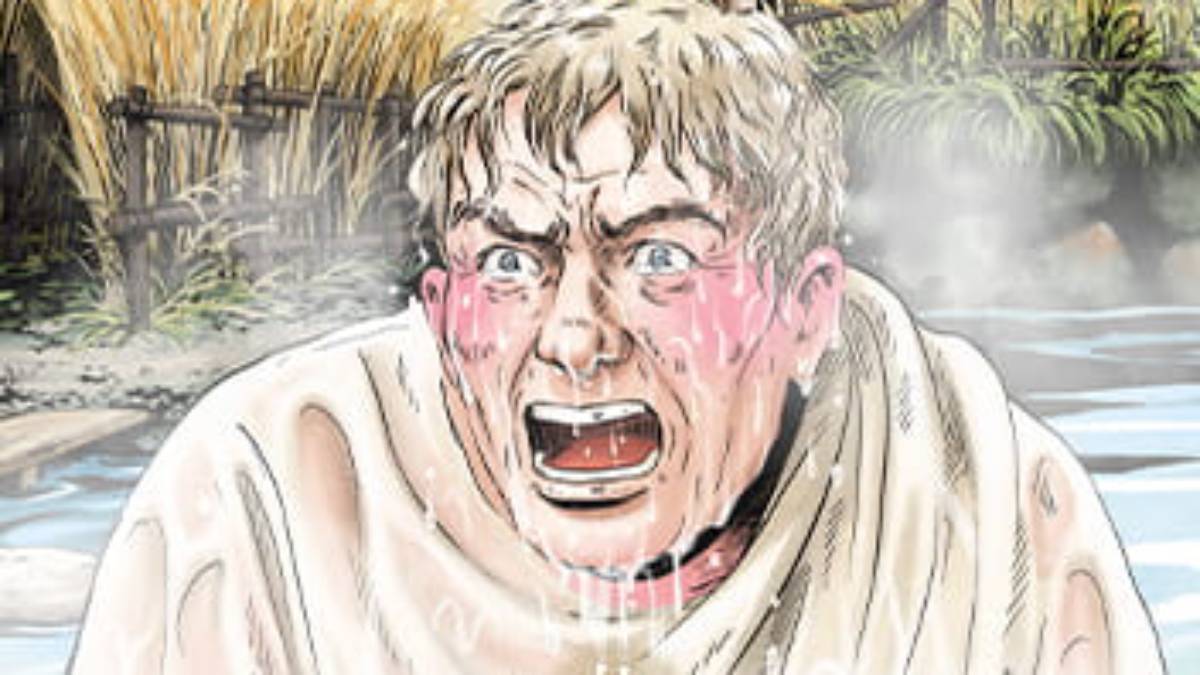
The success of this formula is backed by both critical acclaim and commercial stability. The original series won the 3rd Manga Taisho (Cartoon Grand Prize) and the Short Work Prize at the 14th Tezuka Osamu Cultural Prize in 2010. These accolades solidified Yamazaki’s reputation as a researcher of history, as she famously spends significant time studying Roman history to ensure the architectural and cultural details remain grounded, even in the face of the series’ fantastical time-travel elements.
In terms of market accessibility, the transition to digital-first distribution—specifically via MangaPlus—has been critical. By providing a global, legally accessible platform for fans outside of Japan to read the sequel simultaneously with the domestic market, Shueisha has effectively mitigated the "piracy gap" that often plagues international manga consumption. This strategy has ensured that the engagement metrics for Redux remain high, even during the periods between chapter releases.
Official Responses and Creative Direction
Mari Yamazaki has been vocal about the challenges of continuing the Thermae Romae story. In various interviews and blog posts, she has emphasized that Redux is not merely a continuation of the same jokes, but an exploration of the characters’ growth. The decision to dedicate Chapter 14 to Satsuki’s internal struggle is a deliberate creative choice. It highlights the burden of modern expectation versus the ancient, stoic world of the Roman Empire.
While Shueisha has remained tight-lipped regarding the specific roadmap for the remainder of the series, the editorial tone surrounding Redux suggests a commitment to completing the narrative arc with the same level of historical rigor that characterized the original run. The focus on Satsuki indicates that the "Redux" subtitle is not just for show; the narrative is fundamentally re-evaluating the relationships formed in the first series under the pressures of a changing, modernizing world.
Implications: What Lies Ahead for the Franchise?
The return of Thermae Romae Redux has significant implications for the landscape of historical manga. It demonstrates that niche, high-concept stories—often dismissed by traditional shonen-heavy publishers—have a permanent home in the modern digital ecosystem.
- The Shift in Narrative Scope: By moving the focus away from Lucius’s architectural mishaps and toward the emotional toll on his family, the series is maturing. Readers should expect future chapters to delve deeper into the philosophical conflicts between ancient Roman pragmatism and contemporary Japanese sensibilities.
- Streaming Synergy: With both the original Thermae Romae on Crunchyroll and Thermae Romae Novae on Netflix, the IP maintains a high level of visibility. New readers who discover the anime are now being funneled directly into the manga’s ongoing sequel, creating a "virtuous cycle" of consumption.
- Cross-Cultural Exchange: The series continues to serve as an informal bridge between Italy and Japan. The cultural exchange inherent in the story—where Roman bathhouses are improved by Japanese technology and Japanese bath culture is explained through Roman history—remains a powerful hook that keeps the series relevant to audiences in both regions.
As we look toward the eventual release of Chapter 15, the momentum is undeniably in favor of the franchise. While the irregular release schedule remains a point of frustration for the most ardent fans, the quality of the narrative output in the latest chapter suggests that the wait is worth the effort.
The story of Lucius and Satsuki is no longer just about the quest for the perfect bathhouse; it is about the quest for stability in a world that, whether in the 2nd century AD or the 21st century, is always in flux. As the couple inches closer to a potential reunion, the stakes have never been higher, and the audience’s attention is firmly locked on the next chapter of this trans-historical journey.
Disclaimer: This article contains affiliate links to retailers. If you purchase items through these links, we may earn a commission, which helps support the continued coverage of manga and anime industry news.


 Asro
Asro
 Muslim