Siti Muinah
In the rapidly evolving landscape of 2026, the boundaries between human creativity, artificial intelligence, and scientific discovery are shifting at an unprecedented pace. From the literary world to the furthest reaches of the cosmic web, this week’s developments reflect a culture struggling to reconcile its reverence for tradition with the relentless march of technological advancement.
1. The Literary Landscape: Olga Tokarczuk and the AI "Ghost"
The week began with a significant stir in the literary community following reports that Nobel laureate Olga Tokarczuk had embraced generative AI for her latest novel. The claim, initially circulated by Literary Hub, sent ripples of concern through an industry already anxious about the role of large language models (LLMs) in creative writing.
The Controversy and the Clarification
The initial firestorm was ignited by an interview in which Tokarczuk remarked, "I bought myself the highest, advanced version of one language model, and I can be deeply shocked by how fantastically it expands my horizons and deepens my creative thinking."

Critics and fans alike interpreted this as an admission of AI-assisted authorship. However, the author quickly moved to dispel the notion that her forthcoming 2026 novel was a product of algorithmic generation. In a formal statement issued via her publisher, Tokarczuk drew a sharp line between "creative writing" and "research."
"I did not write my forthcoming book… either using AI or with anyone else," Tokarczuk clarified. "For several decades I have written alone."
Implications for Authorship
Tokarczuk’s distinction is vital for the current discourse. She categorizes AI as a tool for "faster documenting and checking of facts," likening it to the traditional process of exploring libraries and archives. By framing AI as a digital research assistant rather than a co-author, Tokarczuk has provided a framework for how established writers might ethically incorporate new technology without compromising the integrity of their voice.

2. Cinematic Tensions: The Mandalorian and Grogu Divides Critics
While the literary world debated the ethics of AI, the film industry faced a more traditional hurdle: the polarized reception of Disney’s The Mandalorian and Grogu. As the first Star Wars feature film in seven years, expectations were gargantuan, and the resulting critical divide is perhaps the most significant in the franchise’s recent history.
A Study in Contrast
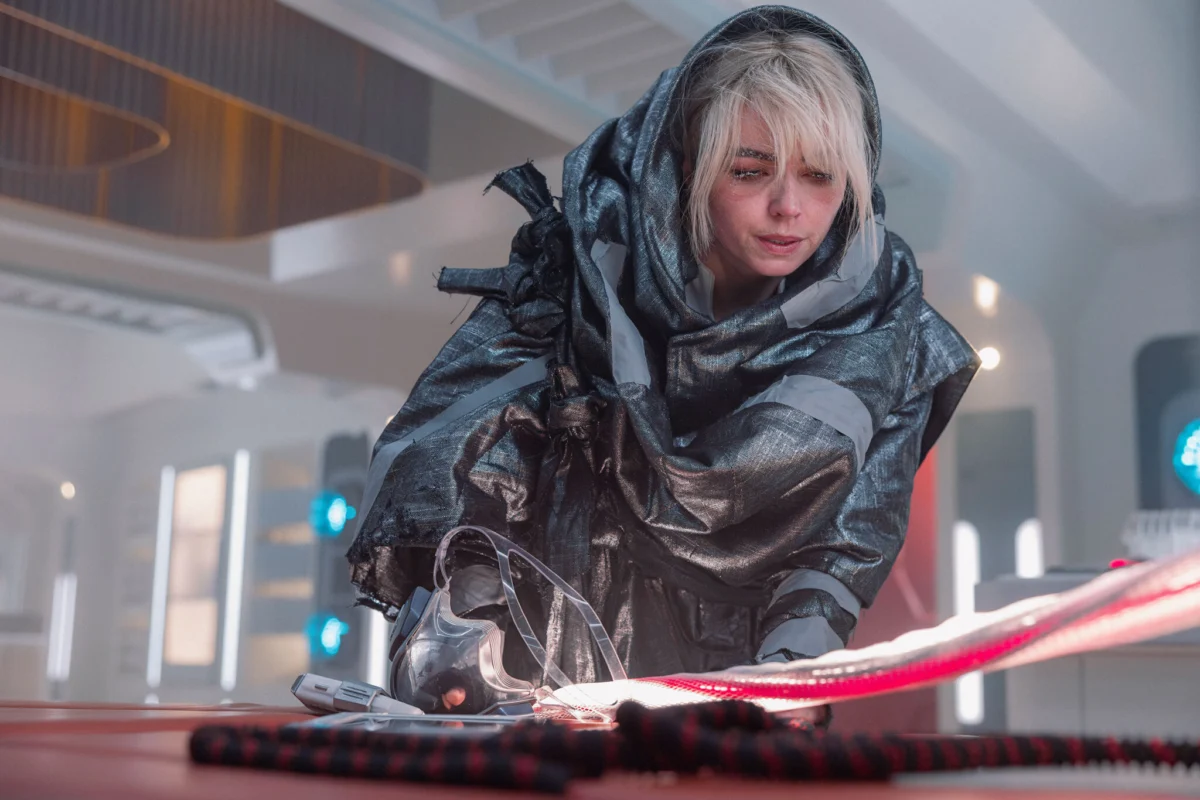
According to The Hollywood Reporter, the film is being heralded by some as the "best in decades," a fun, standalone adventure that captures the spirit of the original trilogy. Proponents point to Pedro Pascal’s commanding performance, the undeniable charm of Grogu, and Ludwig Göransson’s dynamic score.
Conversely, detractors have slammed the production as the "most boring Star Wars," citing low narrative stakes, unmemorable supporting characters, and an over-reliance on CG-heavy action sequences that feel detached from the grounded, tactile aesthetic of earlier entries. With a Rotten Tomatoes score hovering at 64%—precisely at the "Fresh" threshold—the film highlights the increasing difficulty of satisfying a fragmented fan base that is simultaneously nostalgic for the past and hungry for innovation.
3. Scientific Frontiers: Mapping the Cosmic Web
While pop culture debates the merits of fictional galaxies, astrophysicists are making strides in understanding the real architecture of our universe. Recent findings from the James Webb Space Telescope (JWST) have provided the most detailed map of the "cosmic web" ever created.
The Architecture of the Cosmos
The cosmic web is the structural framework of the universe—a complex, spider-web-like network of dark matter and gas filaments that connect galaxies. A study led by researchers at the University of California, Riverside, and published in The Astrophysical Journal, utilized the COSMOS-Web survey to trace these structures back to when the universe was only one billion years old.
This data provides a missing piece of the puzzle regarding how galaxies formed and interacted in the early stages of cosmic history. Simultaneously, a separate discovery of 27 potential circumbinary planets—worlds orbiting two stars—has brought us closer to the real-world equivalents of Star Wars’ Tatooine, reminding us that science fiction often serves as a precursor to scientific reality.
4. Industry Shifts: Marvel’s Leadership Shake-up
Behind the scenes of these cultural products, major corporate shifts are signaling a change in direction. Marvel has announced a significant restructuring of its leadership, with long-time publisher Dan Buckley departing after three decades.
Brad Winderbaum, a veteran of Marvel Studios, has been promoted to head of television, animation, comics, and franchise. This consolidation of power under a single executive suggests that Marvel is seeking to create a more unified, transmedia strategy, likely aiming to bridge the gap between its streaming presence and its legacy print publications. The industry will be watching closely to see how this centralization affects the creative autonomy of comic book creators in the coming years.
5. The Speculative Spirit: Grants, Magazines, and History
The week also highlighted the vibrant health of independent speculative literature.
- The A.C. Bose Grant: The Speculative Literature Foundation announced Shahriar Shaams as the 2026 winner for his piece, A Night With the Spy. This grant continues to honor the legacy of Ashim Chandra Bose, fostering a new generation of writers capable of imagining diverse and transformative worlds.
- FIYAH Magazine: As we look toward July, FIYAH has announced its upcoming submission window, focusing on the theme of "magical schools." By inviting stories that subvert the traditional tropes of the genre—specifically focusing on Pan-African perspectives and non-Western educational structures—FIYAH remains at the forefront of challenging the status quo in speculative fiction.
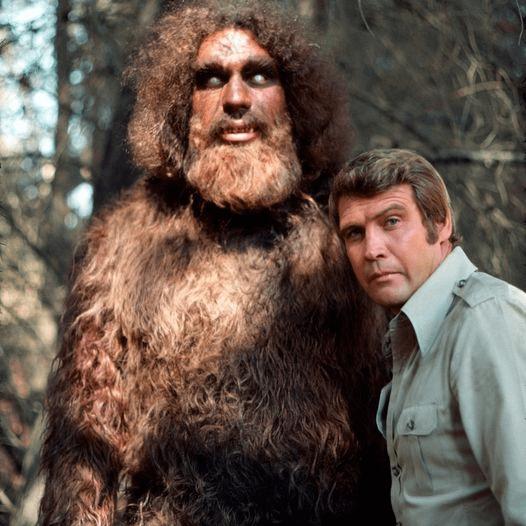
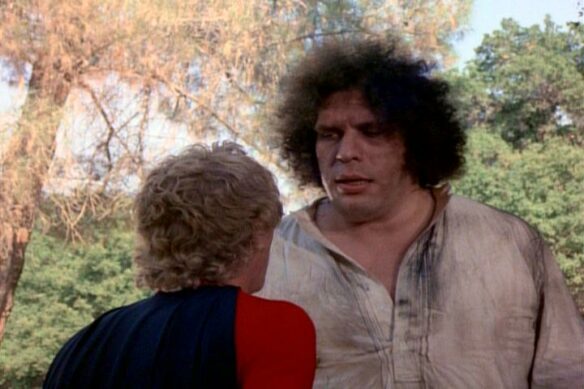
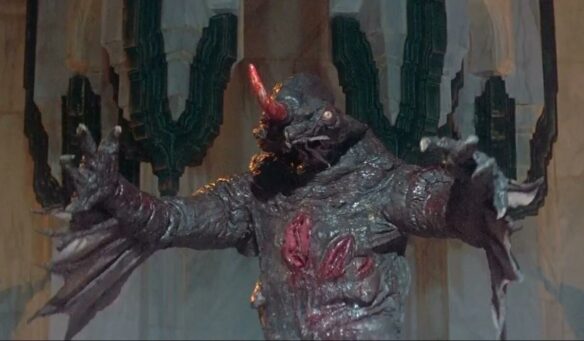
- A Historical Note: Paul Weimer’s retrospective on the late Andre the Giant (1946–1993) served as a poignant reminder of the intersection between physical presence and genre storytelling. From his turn as Bigfoot to his iconic role as Fezzik in The Princess Bride, Andre’s career remains a unique chapter in the history of fantasy and science fiction acting.
6. Synthesis: The "Masked" Culture of 2026
Perhaps the most fitting commentary on the current state of media comes from an analysis by Joanne Rock in CrimeReads regarding the allure of "masked characters." Whether it is Batman, Darth Vader, or the metaphorical masks worn by characters in suspense novels, our culture remains obsessed with the act of concealment and the inevitable "unmasking."
In an age of AI-generated personas, corporate rebranding, and the increasingly blurry line between the "real" and the "simulated," the mask has become our most relevant symbol. As we navigate a year where technology can mimic the voice of a writer and the structure of a galaxy, the human desire to pull back the curtain and see what lies beneath—whether it is the truth behind a celebrity’s use of tools or the secrets of the early universe—remains as powerful as ever.
Summary of Recent Developments
- Literary: Olga Tokarczuk asserts human-only authorship for her 2026 novel, defining AI as a research aid.
- Cinematic: The Mandalorian and Grogu enters a critical deadlock, reflecting the polarization of the modern Star Wars audience.
- Scientific: JWST data revolutionizes our understanding of the cosmic web, while 27 new circumbinary planets have been identified.
- Corporate: Marvel Comics undergoes a massive leadership restructuring, pointing toward a more integrated franchise future.
- Independent: Speculative fiction continues to thrive through grants like the A.C. Bose award and thematic calls from FIYAH.
As the year progresses, these threads of technology, legacy, and discovery will undoubtedly continue to weave together, defining the narrative of 2026 for both the creators and the consumers of culture. The challenge for the months ahead will be to remain critical of the tools we use, while remaining open to the new horizons they allow us to see.

 Basiran
 Pevita Pearce