

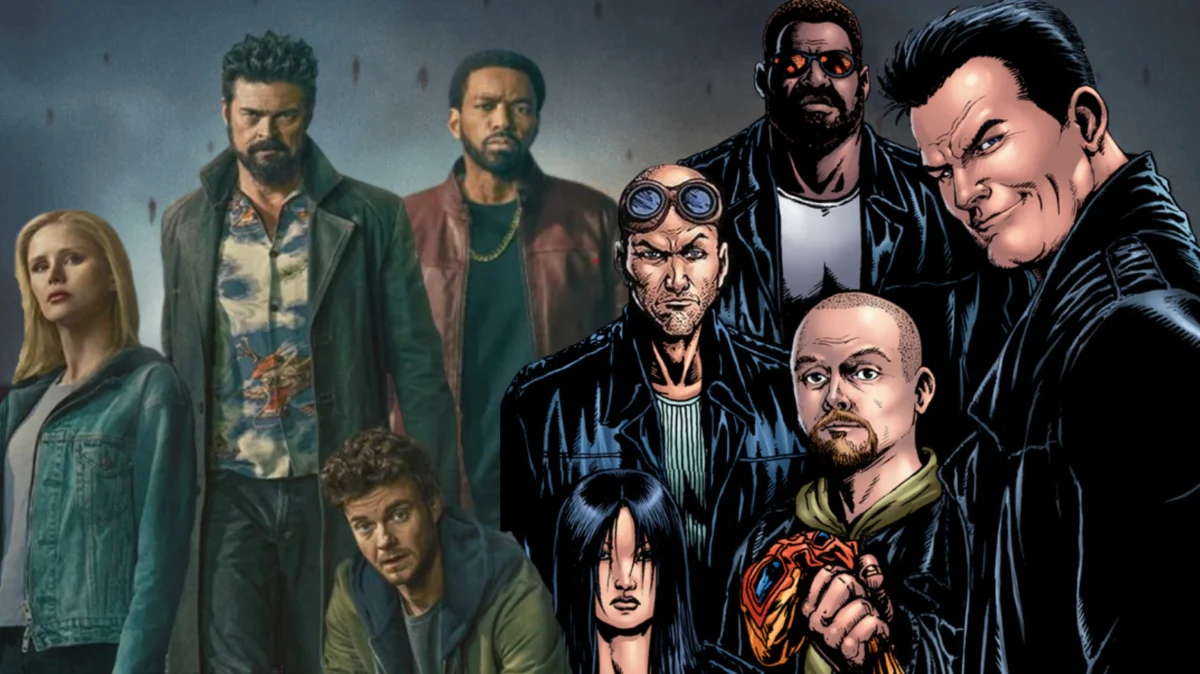
The conclusion of Prime Video’s The Boys—a cultural juggernaut that redefined the satirical superhero genre—has finally arrived. The series finale, titled "Blood and Bone," marks the end of a five-season odyssey that brought Garth Ennis and Darick Robertson’s seminal comic book series to life. For years, fans speculated on whether showrunner Eric Kripke would dare to adapt the controversial, hyper-violent, and nihilistic ending of the original source material.
While the finale retains the core thematic DNA of the comics, it diverges significantly in execution, character fate, and emotional resonance. This analysis dissects the monumental shift from the page to the screen, exploring why the television adaptation chose to temper the source material’s darkest impulses while still delivering a devastating climax.
The Main Facts: A Convergence of Chaos
At its simplest, the finale of The Boys follows the trajectory established by the comics: a final, catastrophic clash at the halls of power where the titular anti-supe squad faces off against the world’s most dangerous threats. In both versions, Billy Butcher (Karl Urban) serves as the primary engine of destruction. Driven by the trauma of his wife Becca’s rape and subsequent death, Butcher attempts to unleash a global, supe-killing pathogen—a weaponized virus designed to eradicate anyone carrying Compound V in their bloodstream.
The pivotal turning point in both the comic and the show occurs when Hughie Campbell (Jack Quaid), the moral center of the group, intervenes to stop Butcher from committing mass genocide. The confrontation leads to the death of Butcher at Hughie’s hands. As a final homage to the source material, the show retains the grim eulogy delivered by Hughie, confirming that Butcher has gone to "Hell, kicking the f*** out of the Devil."
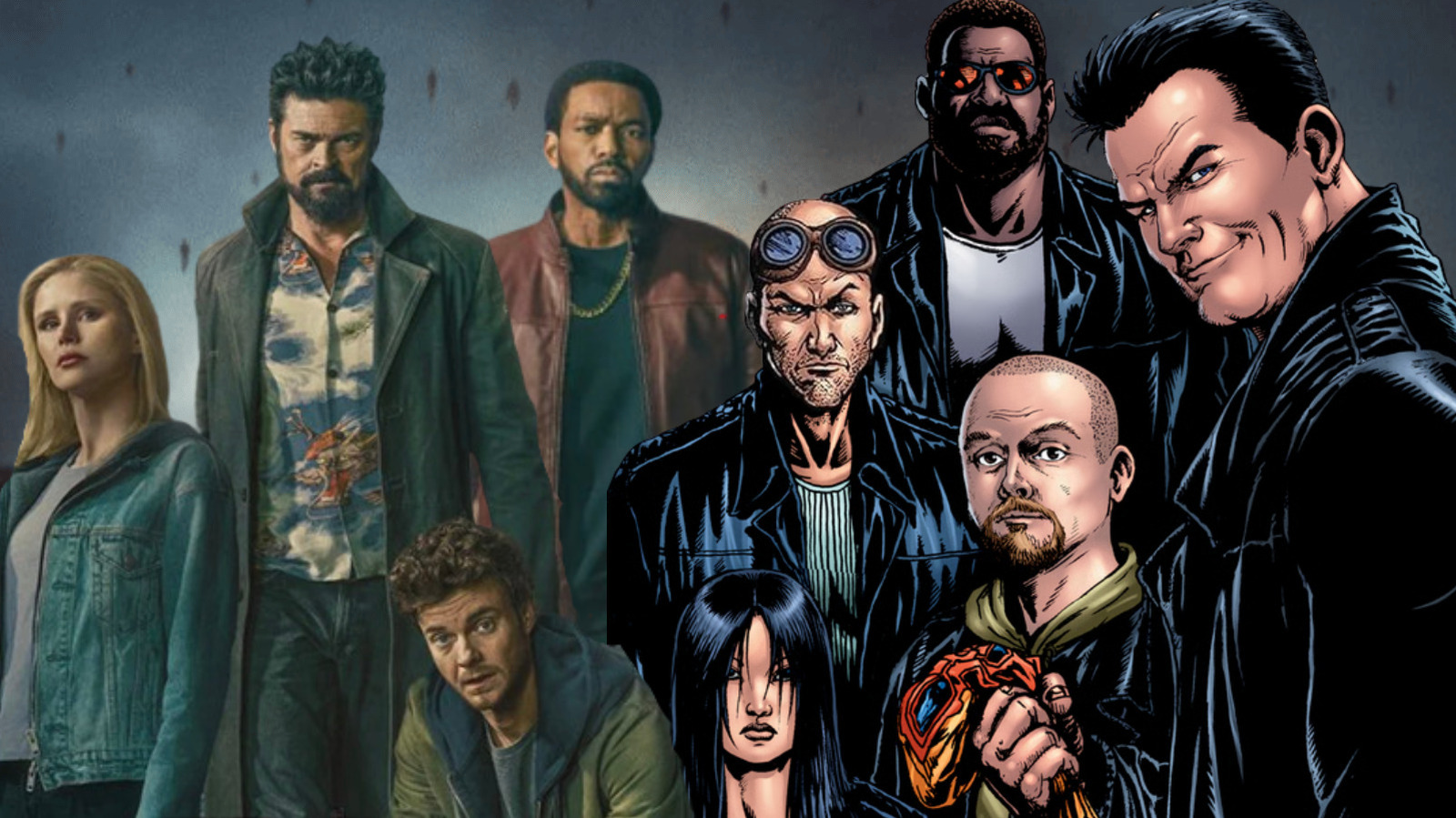
However, the path taken to reach this destination reveals a series of calculated creative decisions that separate the television medium from the medium of print.
Chronology: The Evolution of the Conflict
The Shift in Narrative Scope
In the original comic run (Issue #71 and #72), the final volume is almost exclusively dedicated to the buildup of Butcher’s genocidal plan. The comic spends significant time establishing the hopelessness of the situation. In contrast, the television series compresses this trajectory into a tighter, more propulsive 20-minute sequence. By condensing the timeline, Kripke shifts the focus from the procedural mechanics of the virus to the immediate, character-driven consequences of the battle.
The Death of the Antagonist
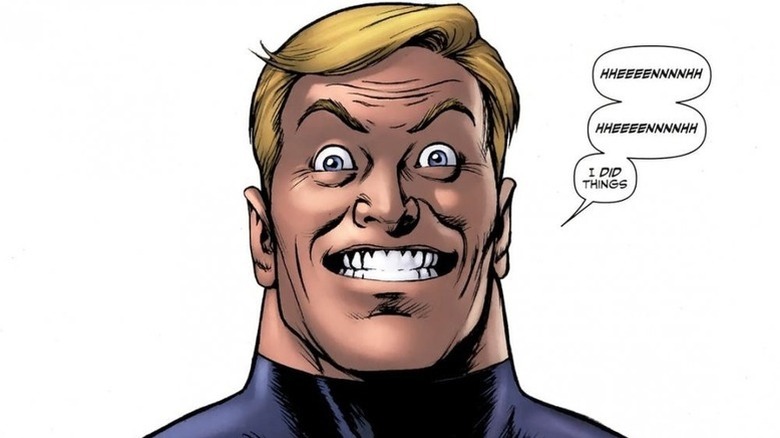
One of the most notable deviations concerns the nature of the final threat. In the comics, the true antagonist revealed at the eleventh hour is Black Noir. The comic book twist—that Noir is a mindless, murderous clone of Homelander created by Vought as a failsafe—remains one of the most famous shockers in graphic novel history.
The television series, however, opted to maintain Homelander as the singular, irredeemable villain. This change was deliberate. Kripke argued that delegitimizing Homelander’s agency at the final moment would have robbed the audience of the long-term payoff they deserved. Instead of a clone battle, the series utilized the buildup of previous seasons: Butcher’s temporary super-strength, the presence of Ryan (Homelander’s son), and Kimiko’s unique ability to strip powers, culminating in a visceral, grounded death for Homelander that felt earned by the series’ specific internal logic.
Supporting Data: Why the Show Spared the Squad
Perhaps the most jarring difference for long-time readers is the survival rate of the core team. In the original comics, the ending is a total massacre. Because every member of "The Boys" has taken Compound V to compete with supes, Butcher’s virus is a suicide mission that inevitably claims the lives of the entire squad. The comic is a story of total annihilation; everyone dies or is fundamentally broken.
The TV show, conversely, chooses a more "hopeful" (albeit still tragic) conclusion:
- The Survival of M.M. and Kimiko: Unlike their comic counterparts, who are systematically eliminated by Butcher’s paranoia and scorched-earth policy, M.M. and Kimiko survive to find a semblance of peace. M.M. is seen rebuilding his family life, and Kimiko finds a path forward despite the loss of Frenchie.
- The Frenchie Factor: The death of Frenchie in Episode 7 serves as the necessary emotional anchor. By killing him before the final act, the show creates a distinct motivation for the remaining members without necessitating the total nihilism of the source material.
Official Responses: The Philosophy of Adaptation
The rationale behind these changes comes directly from the top. Eric Kripke has been vocal about his desire to avoid the "cynical" trap of the original ending. In an interview with Polygon, Kripke noted: "All respect to Garth [Ennis], but it felt unsatisfying to have these characters that I’d been following for years suddenly be murdered."
Kripke’s approach suggests that while the show is rooted in the same "satirical brutality" as the comics, it operates under the rules of long-form television character development. The show relies on the bond between the audience and the characters; destroying them all in a final, bleak sweep would have rendered the character arcs of the previous five years meaningless. By choosing to let characters like Hughie and Annie (Starlight) find a future, the show reinforces the idea that the "Boys" were more than just weapons—they were a family.
Implications: The Legacy of "Men are Boys"
The most profound departure lies in the final dialogue between Butcher and Hughie. In the comics, the penultimate issue provides a long, philosophical meditation on the nature of masculinity and violence. Butcher’s admission that his "Dirty Harry" persona was self-defeating and that "Men are boys" serves as the thesis statement for the entire franchise.
In the television finale, this moment is truncated. The show focuses on the visual callback to Butcher’s brother, Lenny, which—while visually evocative—misses some of the philosophical weight of the comic’s final monologue. The implication here is that the television show prioritizes the emotional trauma of the characters over the intellectual critique of the genre.
The Verdict on the Finale
Does the television ending hold up? For viewers, the consensus seems to be that while the show lacked the brutal, nihilistic finality of the comics, it achieved something more narratively satisfying for the medium. By keeping the core of the comic—Butcher’s turn toward evil and Hughie’s role as the moral compass—the show honored the source material’s spirit while acknowledging that a TV show demands a different kind of closure.
Ultimately, The Boys on Prime Video transformed from a direct adaptation into a standalone epic. It kept the blood and the bones but replaced the hopelessness with a hard-fought, messy survival. As the screen fades to black on the final episode, the audience is left with a world that is fundamentally changed—a world where the supes are gone, but the humanity of the survivors is what remains in focus. The "Boys" didn’t just end the fight; they ended the cycle, proving that even in a world of monsters, there is room for mercy.











No comments yet. Be the first to join the conversation!