Raul Delapena Setiawan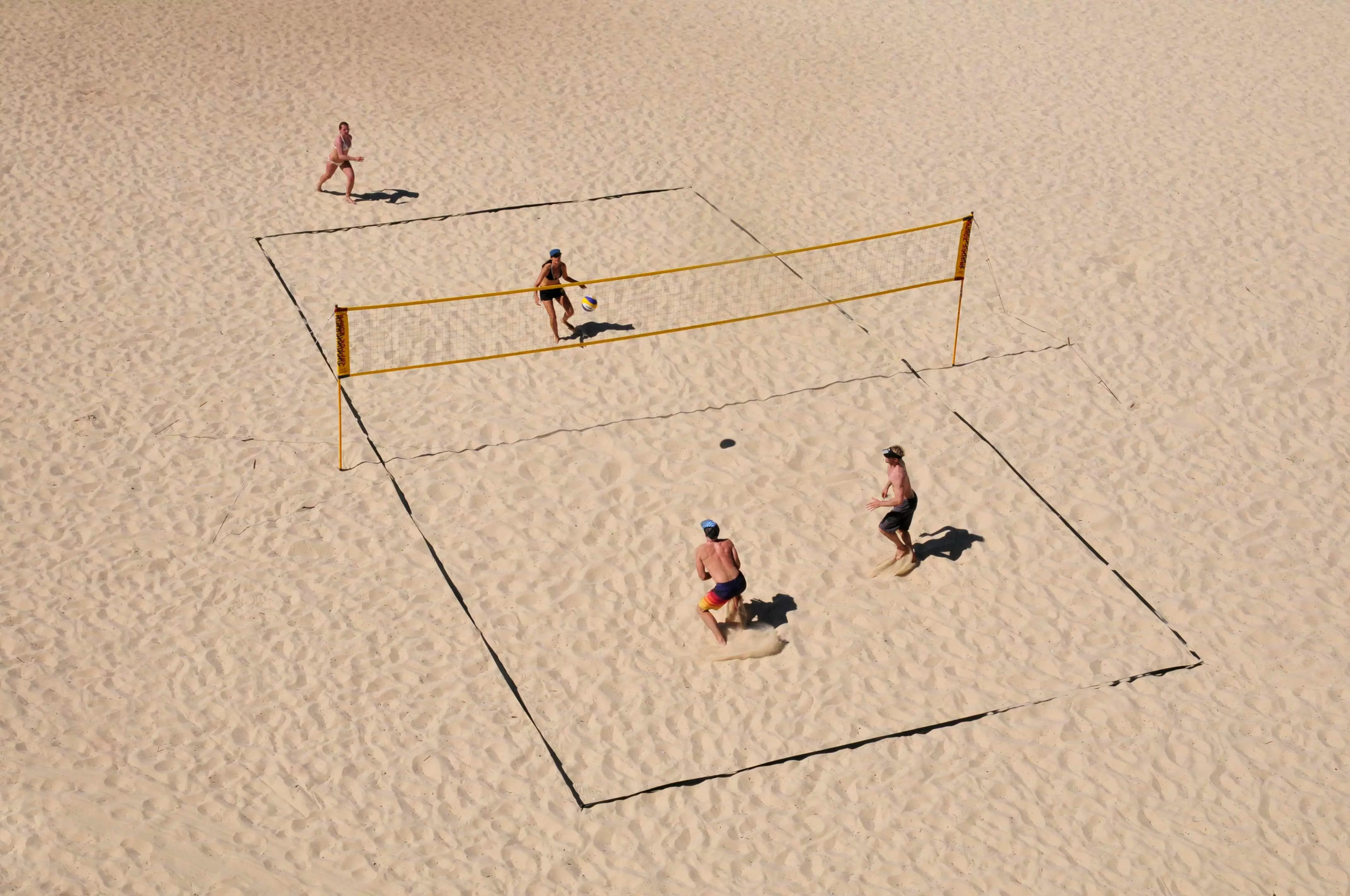
Chiba Prefecture, located just a stone’s throw from the bustling metropolis of Tokyo, serves as a primary getaway for those seeking the restorative power of the ocean. Boasting an expansive coastline that faces the Pacific Ocean, Chiba has cultivated a reputation as the premier beach destination in the Kanto region. From tranquil, shallow waters ideal for families to world-class surfing breaks that draw international athletes, Chiba’s geography offers a diverse range of aquatic experiences.
This guide explores the top-tier coastal destinations within the prefecture, examines the surge in regional tourism, and provides a comprehensive look at how to balance a beach excursion with the urban excitement of the Makuhari area.
Main Facts: The Geography of Chiba’s Shoreline
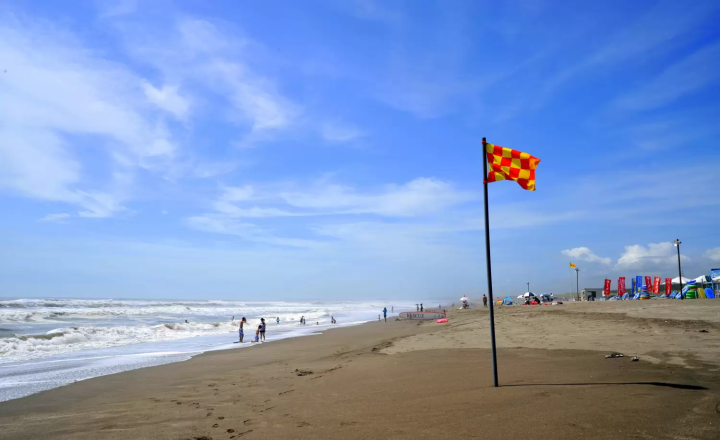
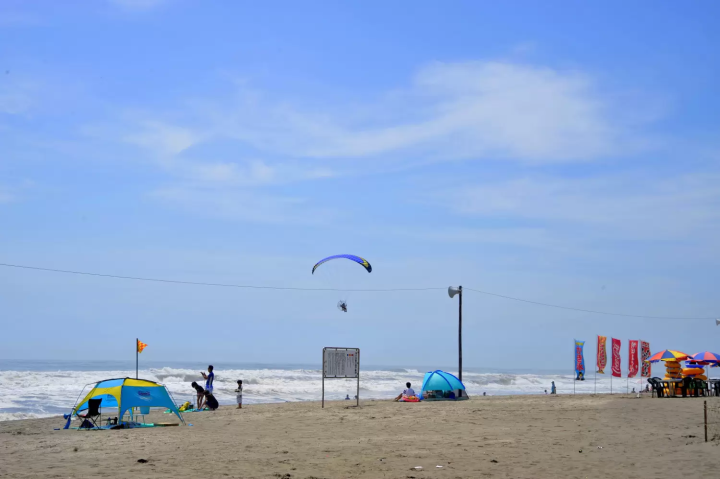
Chiba is defined by its unique peninsular shape, which creates two distinct coastal characters. To the west, the Tokyo Bay area offers urban-adjacent beaches and massive infrastructure like the Makuhari Seaside Park. To the east and south, the Pacific-facing shores—such as the Boso Peninsula and the Kujukuri Hama—offer pristine sands and high-energy surf conditions.
- Proximity: Most Chiba beaches are reachable within 60 to 90 minutes from central Tokyo by train or car.
- Diversity: The region features high-clarity snorkeling spots in the south and expansive, rugged sandy beaches in the east.
- Seasonality: The peak season runs from early July through late August, though spring and autumn remain popular for surfing and seaside leisure.
Chronology of Development: From Local Secret to Regional Hub
The evolution of Chiba’s beaches follows a clear historical trajectory of infrastructure expansion and tourism branding.
- 1980s–1990s: The development of the Makuhari Messe and the surrounding bay area transformed the northern coastline into a hub for business, sports, and entertainment. ZOZO Marine Stadium became a cornerstone of this development.
- Early 2000s: Increased accessibility via the Aqua-Line expressway significantly cut travel times from Kanagawa and Tokyo, leading to a surge in visitors to the Minamiboso region.
- 2010s–Present: A shift toward "experience-based tourism" has seen local municipalities like Katsuura and Onjuku investing in water sports infrastructure, including snorkeling tours and beach-side community events.
- 2026 Outlook: Current trends show a record number of international tourists utilizing digital platforms to secure tickets for local sports and beach-related festivals, marking a new era of global connectivity for the region.
Supporting Data: Why Chiba Leads in Coastal Tourism
Recent tourism surveys indicate that over 60% of international tourists visiting Tokyo look for day trips that offer a "nature escape." Chiba’s strategic advantage lies in its ability to cater to three distinct demographics:
- Families: Beaches like Okinoshima, with its 150-meter-long sandy stretch and shallow entry, provide a safety-first environment that remains a top priority for local tourism boards.
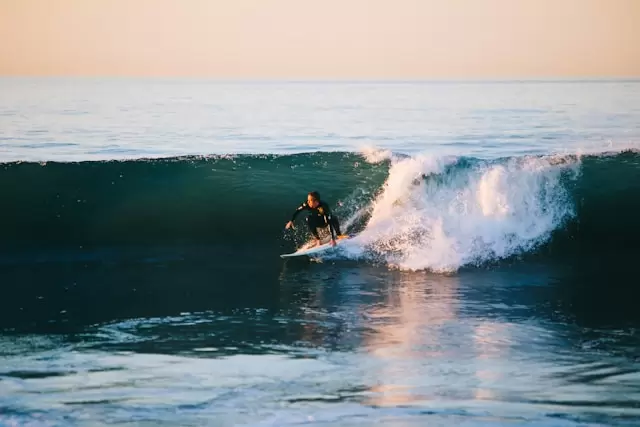
- Professional Surfers: The Kujukuri coastline remains a permanent fixture on the global surfing map, offering consistent swells throughout the year.
- Urban Leisure Travelers: Visitors who prefer the comfort of urban amenities alongside ocean views gravitate toward the Makuhari corridor, which sees a consistent 15% increase in foot traffic during the summer months due to events at the stadium and surrounding parks.
Notable Destinations: A Closer Look
Okinoshima Island Beach (Tateyama City)
Representing the pinnacle of Minamiboso’s natural beauty, Okinoshima is technically a tombolo—a landform that connects to the mainland. Its crystal-clear water is a magnet for snorkelers. It is not uncommon to spot cold-water corals and tropical fish, a testament to the diverse marine currents that converge near the southern tip of the peninsula.
Moriya Beach (Katsuura City)
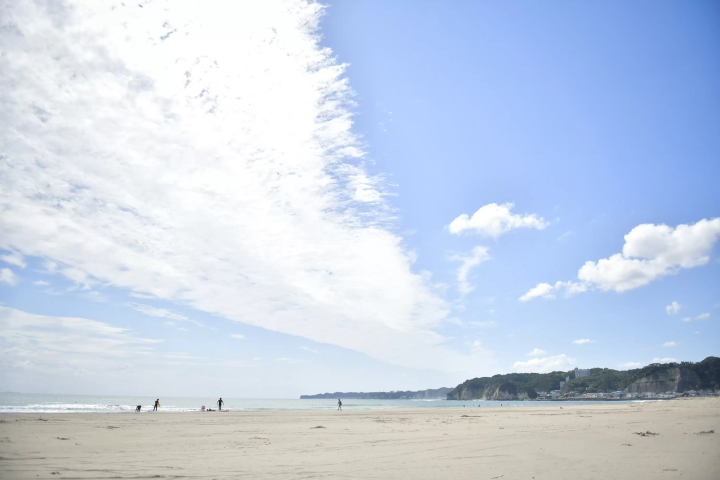
Often hailed as the "Okinawa of Kanto," Moriya Beach is characterized by its striking cobalt blue water and fine, white silica sand. The landmark red torii gate on the nearby Oshima island creates a picturesque, almost ethereal atmosphere, especially at low tide when a sandbar emerges to connect the island to the mainland.
Onjuku Chuo Beach
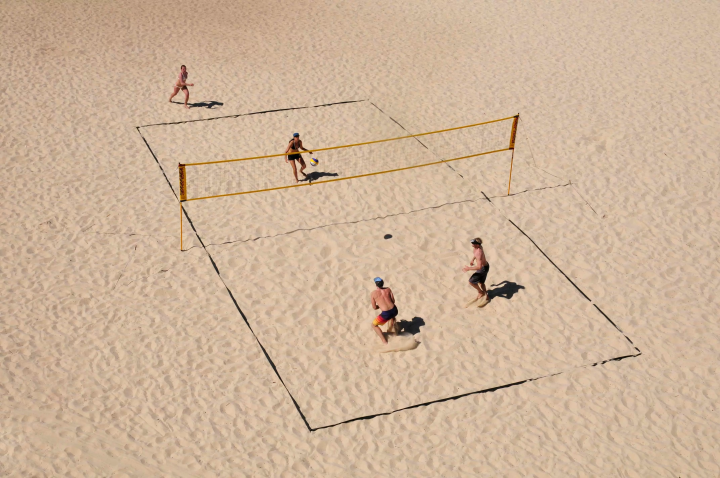
Onjuku is the cultural heart of Chiba’s surfing history. During the summer, the area pulses with energy, hosting beach volleyball tournaments, local festivals, and firework displays that light up the night sky. Its accessibility makes it a primary choice for day-trippers from Tokyo.
Integrating Urban and Natural Leisure: The Makuhari Experience
For travelers who want to maximize their time, the Makuhari area offers a unique hybrid of beach culture and urban convenience.
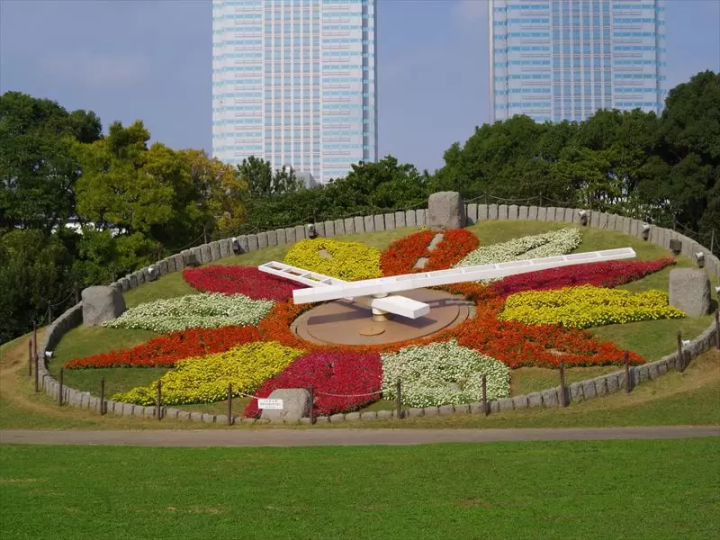
Makuhari Seaside Park
This is not merely a beach but an expansive recreational facility. It serves as a perfect bridge between the intense activities of the city and the serenity of the ocean. It is an ideal spot for those who wish to picnic, jog, or simply watch the sunset over Tokyo Bay without the rigors of a full day in the surf.
ZOZO Marine Stadium: The Seaside Arena
Baseball is a cornerstone of Japanese culture, and the Chiba Lotte Marines’ home stadium offers an experience unlike any other in the country. Because the stadium is situated right on the bay, the sea breeze provides a cooling respite during humid summer night games.
For international visitors, the ability to book tickets online through platforms like Tickets in Japan has streamlined the process of attending these games. It is highly recommended that travelers book well in advance, as games against major rivals often sell out during the summer peak.
Implications: The Future of Coastal Sustainability
As popularity grows, the Chiba Prefectural Government and local tourism bureaus are facing the challenge of sustainability. The influx of visitors brings economic prosperity, but also the need for strict environmental management.
Local initiatives currently focus on:
- Beach Preservation: Regular clean-up efforts involving local businesses and volunteer groups.
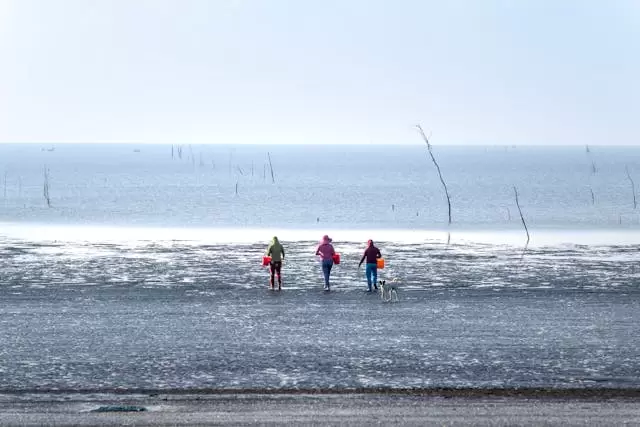
- Water Quality Monitoring: Maintaining the high standards that allow for activities like snorkeling and clam digging.
- Infrastructure Investment: Improving transit links between stations and beach access points to reduce carbon footprints associated with private vehicle usage.
Expert Advice for Travelers
To make the most of a trip to Chiba, we suggest a "hybrid itinerary." Spend your morning at a quieter, nature-focused beach like Moriya or Okinoshima to enjoy the marine life. By the late afternoon, make your way to the Makuhari area. The transition from the rugged, natural beauty of the outer coast to the polished, energetic atmosphere of the stadium district provides a comprehensive look at what makes Chiba one of Japan’s most dynamic prefectures.
Traveler’s Checklist:
- Sun Protection: The Pacific coast can be deceptively strong; UV protection is essential.
- Digital Connectivity: Ensure you have your mobile tickets (e.g., for baseball or event access) downloaded before leaving urban Wi-Fi zones.
- Transportation: Check the Tickets in Japan schedules for train connections to ensure you have a seamless return trip to Tokyo.
In conclusion, whether you are seeking the thrill of a professional baseball game, the quiet of a white-sand beach, or the challenge of the Pacific swells, Chiba offers an unparalleled variety of experiences. Its ability to balance the wild, natural beauty of the Boso Peninsula with the modern, high-tech amenities of Makuhari makes it an essential stop for any traveler exploring the Kanto region.
Disclaimer: The information presented in this article is based on the time it was written. Services, prices, and event schedules may change. Please check official websites or contact facilities directly before planning your visit.


 Neng Nana
 Asro
Asro