Lina Irawan
For the better part of the last decade, the webcam market has been caught in a cycle of stagnation. Consumers have been conditioned to accept a landscape dominated by generic, rectangular plastic boxes—devices that offer the bare minimum in optical performance while masking mediocrity behind the marketing buzzword of "4K brilliance." However, a shift is occurring. The OBSBOT Tiny 3 has arrived, not by attempting to dominate through bulk or aggressive, gamer-centric aesthetics, but by shrinking its physical footprint and aggressively expanding its intelligence.
After an extensive evaluation of the Tiny 3, it is clear that this is not merely another peripheral to clutter your desk; it is a sophisticated piece of hardware that redefines what a remote presenter, educator, or streamer should expect from their primary camera.
Main Facts: The Tiny Powerhouse
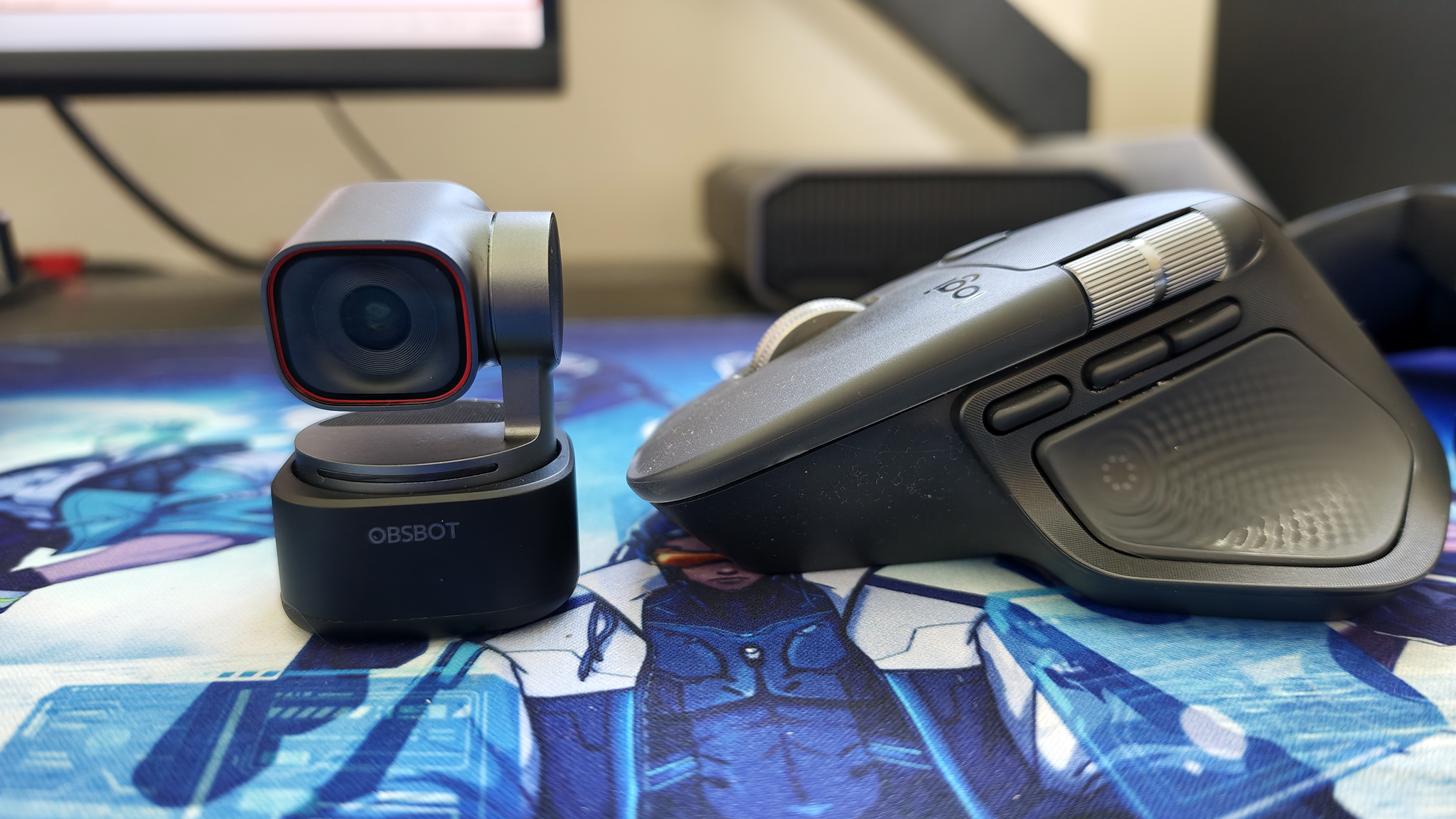
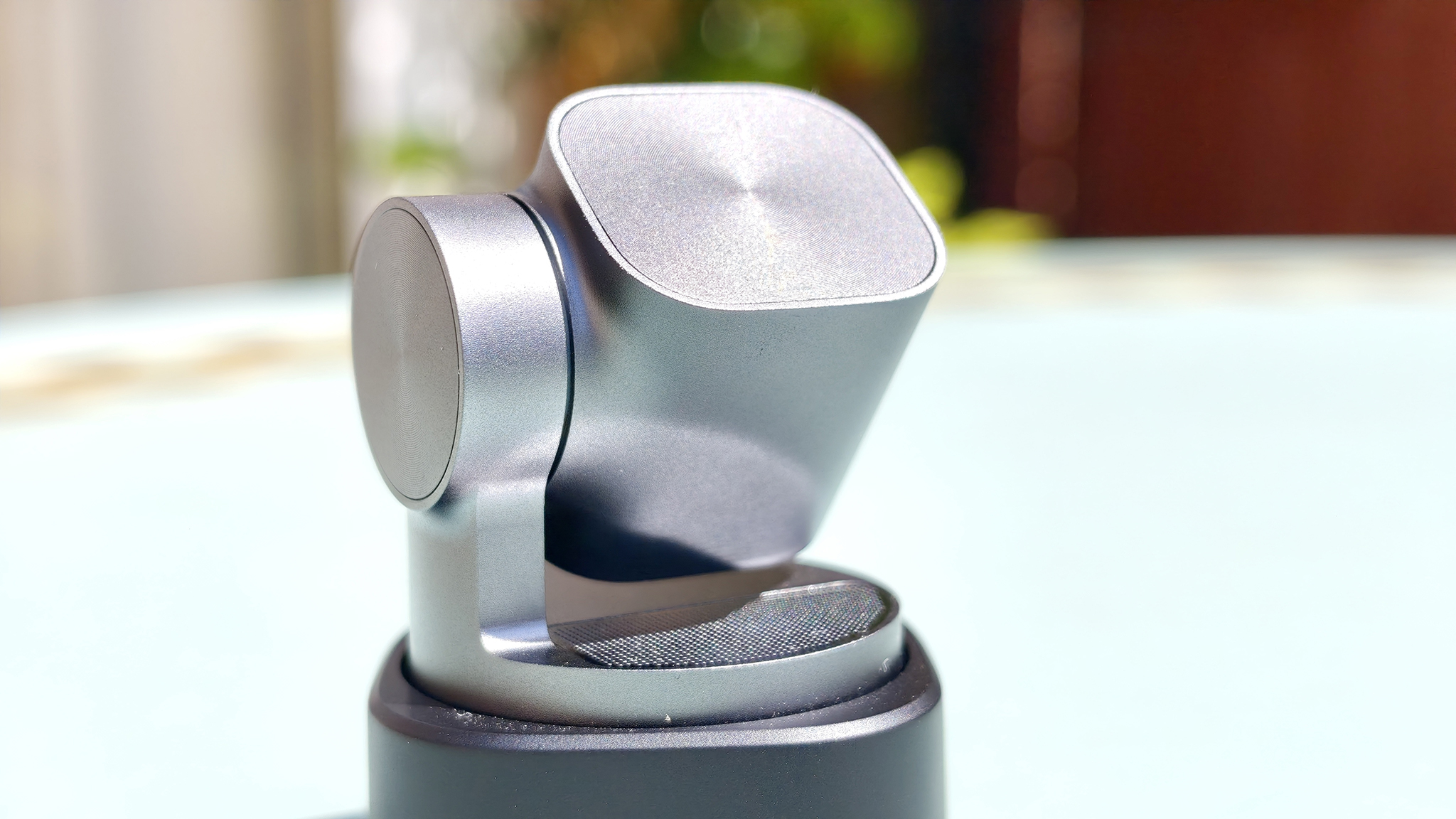
The OBSBOT Tiny 3 is a testament to modern miniaturization. Measuring a scant 4 x 4 x 5 centimeters, it defies the conventional expectations of high-end imaging hardware. Despite its diminutive size, it packs a full 4K sensor, offering professional-grade resolution that remains crisp even in varying lighting conditions.
The core differentiator, however, is its intelligence. The Tiny 3 utilizes proprietary AI-powered tracking that transcends simple motion detection. It is capable of locking onto faces and hands with remarkable fluidity, keeping the subject perfectly centered even during dynamic presentations. When paired with integrated voice control and a suite of gesture-based commands, the device offers a level of accessibility and hands-free control that is rare in the current consumer market.

Chronology: From Concept to Creator’s Tool
The trajectory of the OBSBOT series has been one of iterative refinement. The original Tiny model brought PTZ (Pan-Tilt-Zoom) functionality to the masses, a feature previously reserved for expensive boardroom conferencing systems. The Tiny 2 refined the image quality and tracking speed, establishing a loyal user base among streamers who required a camera that could keep up with their movement.
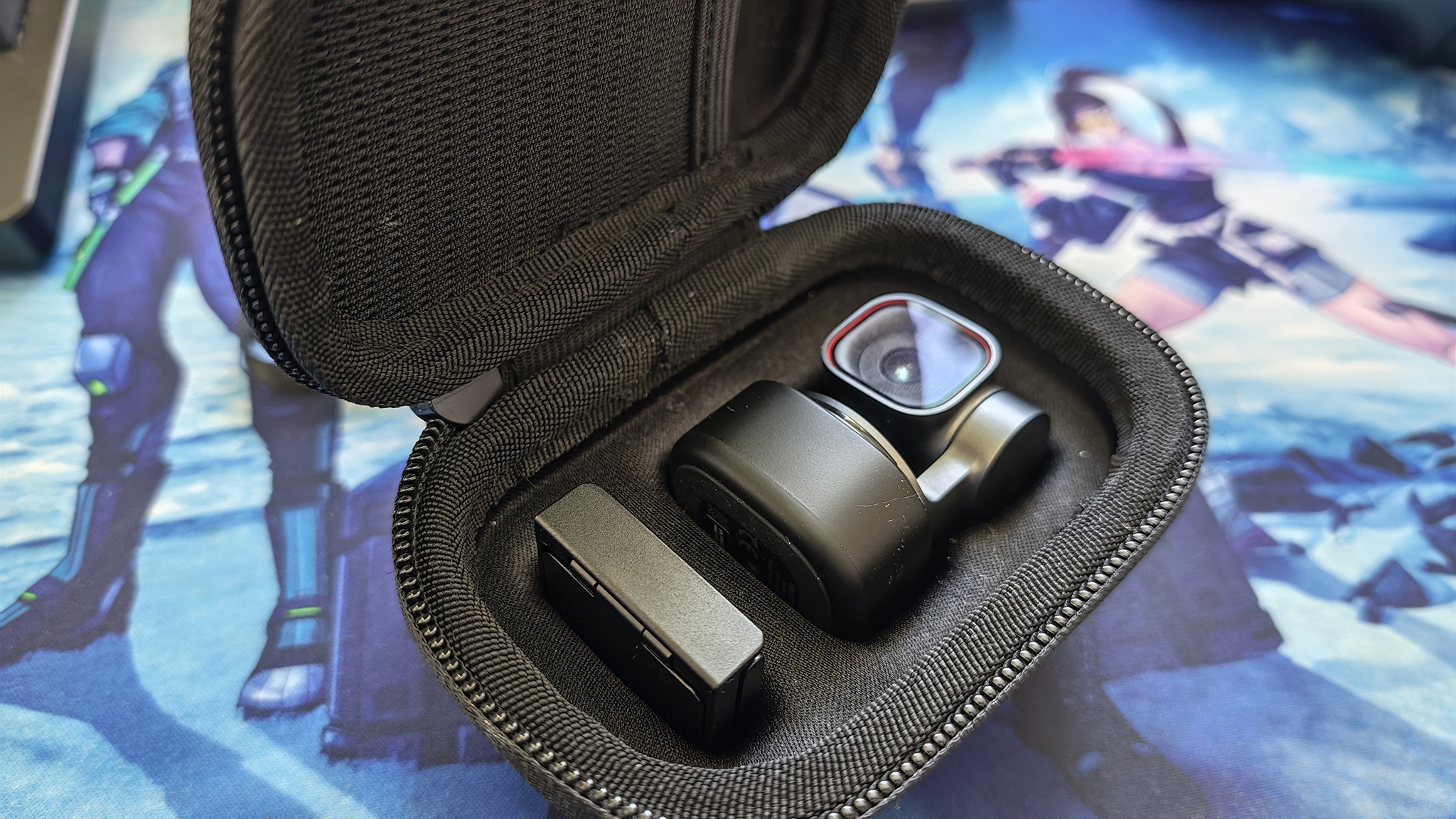
With the Tiny 3, the timeline of development has clearly shifted toward "smart integration." Following its recent market release, early adopters—ranging from corporate trainers to content creators—have noted a significant reduction in setup friction. The device has transitioned from being a "plug-and-play" camera to a "plug-and-perform" production assistant. Its rapid deployment capability, bolstered by a magnetic mounting system and a compact, travel-ready form factor, signals a move away from the static desktop setup toward a more mobile, hybrid work-life balance.
Supporting Data and Technical Specifications
The performance of the Tiny 3 is backed by a robust technical foundation. The device’s internal architecture allows for:
- Imaging: True 4K UHD video capture, ensuring professional clarity for high-definition streaming.
- AI Processing: Onboard neural processing units (NPU) dedicated to real-time object and skeletal tracking.
- Connectivity: USB-C standard for high-bandwidth data transfer, ensuring minimal latency during live broadcasts.
- Physical Build: An aerospace-grade, dark-silvery metal finish that provides both durability and a premium aesthetic.
- Magnetic Versatility: A dual-mounting system consisting of a magnetic base for direct metal adhesion and a secondary, fold-out monitor clip.
When compared to industry stalwarts—such as the Dell Pro 4K series—the Tiny 3 consistently outperforms in tracking agility. While traditional webcams rely on digital cropping to "follow" a user, the Tiny 3 utilizes mechanical rotation, preserving image quality by physically moving the lens assembly to maintain composition.
Official Responses and Industry Reception
The market response to the Tiny 3 has been largely positive, though the conversation is punctuated by debates surrounding its premium price point.
Industry analysts have noted that OBSBOT is positioning the Tiny 3 as an "investment in production value" rather than a casual accessory. In recent statements, company representatives have highlighted the importance of the "Streaming Combo" package—a bundle including a dedicated remote, a professional-grade microphone, and a tripod. This strategy is a direct response to the needs of the modern creator economy, where the barrier to entry for high-quality production is high.
Critics have acknowledged that while the price is steep—starting at $349 (£299) for the camera alone, and scaling up to $600 for the full kit—the cost is justified for professionals whose livelihood depends on high-fidelity video communication. The consensus is that while the device is "not cheap," it represents an essential upgrade for those who need to look "extremely professional" on camera without the need for a dedicated camera crew.
The Implications of "Smart" Hardware
The arrival of the Tiny 3 signals broader implications for the future of work and communication. As remote work becomes the standard rather than the exception, the "video call" has replaced the "in-person meeting."
1. The Death of the Static Shot
The primary implication of the Tiny 3’s design is the abandonment of the static shot. By automating movement, the camera mimics the behavior of a human cameraman. This keeps the audience engaged, as the subconscious shift in framing prevents the visual boredom associated with fixed-position video.
2. Accessibility as a Feature
Voice and gesture control are no longer novelty items; they are accessibility tools. For educators who need to move between a whiteboard and a computer, or for presenters with limited mobility, the ability to command the camera via voice or hand signals is a revolutionary leap forward. It democratizes high-end production, allowing individuals to present more dynamically without needing to touch a keyboard or mouse during a live session.
3. The Shift in Consumer Priorities
Consumers are increasingly willing to pay a premium for "smart" features. The success of the Tiny 3 proves that the market is moving away from purely optical metrics (megapixels and sensor size) and toward functional utility. Users are prioritizing how a camera functions over what the raw specs look like on a box.
Conclusion: Is the Tiny 3 Right for You?
The OBSBOT Tiny 3 is a triumph of design and engineering, balancing a minuscule form factor with gargantuan performance. It is a device that forces us to reconsider the limitations of the traditional webcam.
Buy it if:
- You are a professional presenter, educator, or streamer who requires high-quality, auto-tracking video.
- You value mobility and need a device that can transition from a home office to a remote studio with ease.
- You want to integrate voice and gesture controls into your production workflow.
Don’t buy it if:
- You are a casual user who only requires a basic camera for occasional Zoom calls.
- Your budget is restricted; there are countless fixed-lens 4K webcams available for a fraction of the cost.
- You prefer a "set it and forget it" device that does not require app-based customization or firmware updates.
Ultimately, the Tiny 3 is a bold statement. It argues that if you are going to put a camera on your desk, it should be as smart, agile, and ambitious as you are. While the price tag is undeniably significant, the value proposition—measured in the quality of your output and the ease of your workflow—is equally high. For the serious creator, the OBSBOT Tiny 3 is not just an upgrade; it is the new standard.


 Lina Hope
 Pevita Pearce