

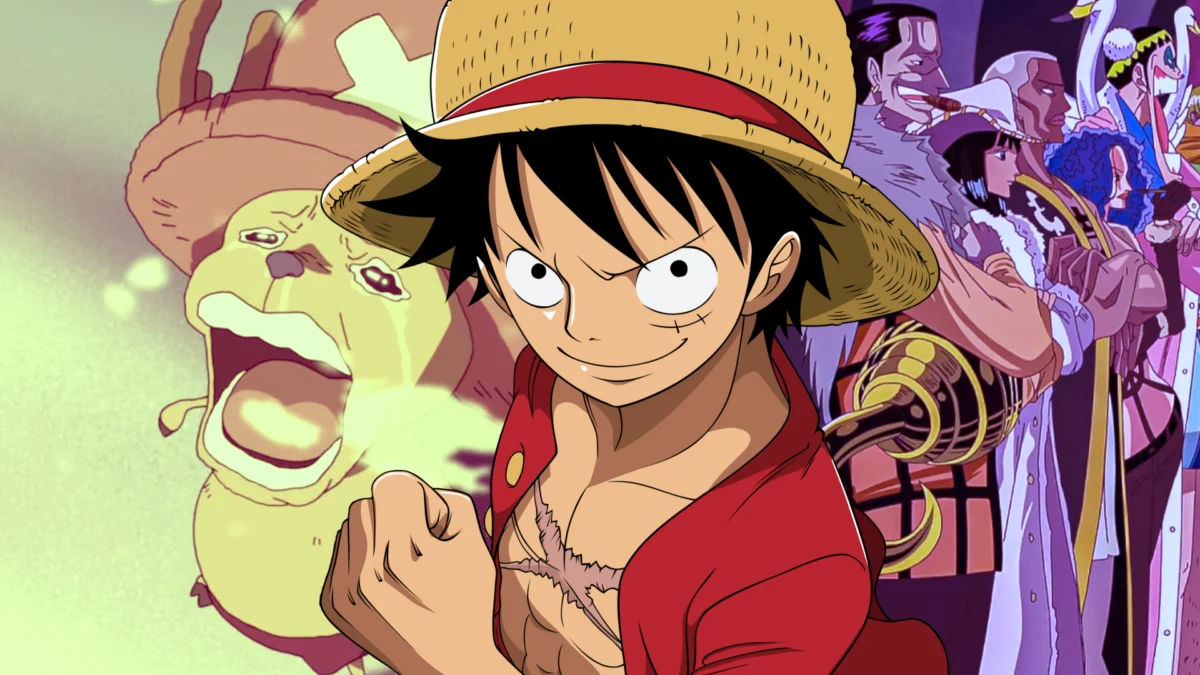
For nearly three decades, Eiichiro Oda’s One Piece has defied the typical lifecycle of long-running shonen manga. While most series risk narrative stagnation after a few years, One Piece has maintained an unprecedented trajectory of growth, evolving from a simple tale of pirates into a sprawling, multi-layered epic. As of mid-2026, the series remains the most ubiquitous property in the Shonen Jump portfolio, commanding global dominance in sales, digital viewership, and merchandising.
The secret to this longevity is not merely the sheer scale of the world-building, but the meticulous construction of its individual arcs. Each chapter serves as a deliberate step in a larger, interconnected saga, constantly raising the stakes and expanding the philosophical boundaries of the story. While even the series’ lower-ranked arcs suffer from occasional pacing issues, they remain essential, providing emotional grounding, thematic development, and crucial foreshadowing that pay dividends years—or even decades—later.
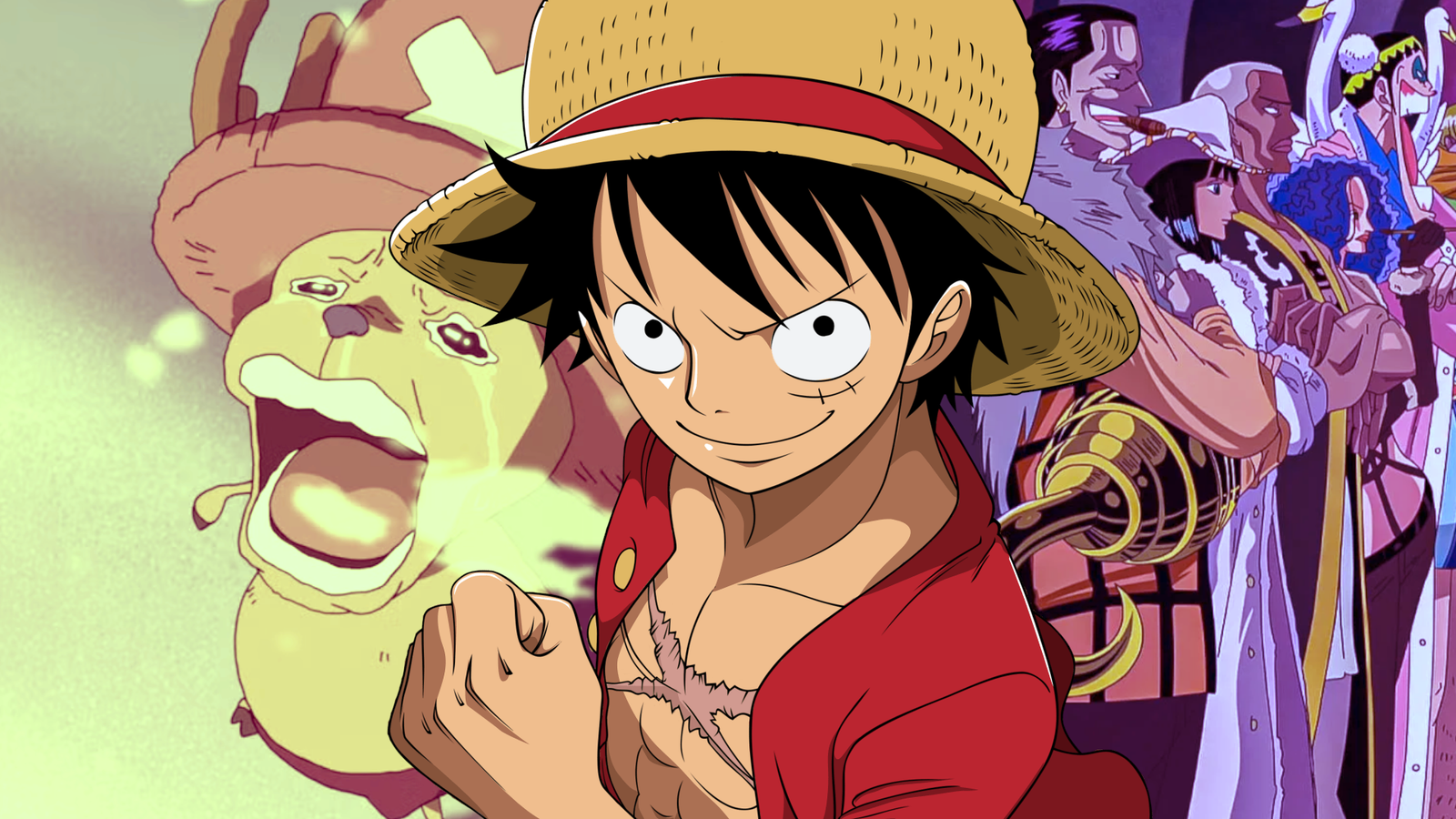
The Chronology of Early Adventures: Building the World
To understand the current state of One Piece, one must examine its origins. The early arcs were designed as structural pillars, introducing the crew, the rules of the world, and the existential threats that would define the Straw Hats’ journey.
1. Syrup Village (Chapters 22–41)
As the third major arc, Syrup Village serves as a character study for Usopp, the crew’s sniper. While it lacks the high-octane spectacle of later arcs, it introduces the recurring theme of "the weight of a lie." Captain Kuro stands as one of the first truly cunning antagonists, providing a tactical challenge for the fledgling crew. The introduction of the Going Merry remains the arc’s most enduring legacy, cementing the ship as an emotional anchor for the Straw Hats.

2. Reverse Mountain (Chapters 101–105)
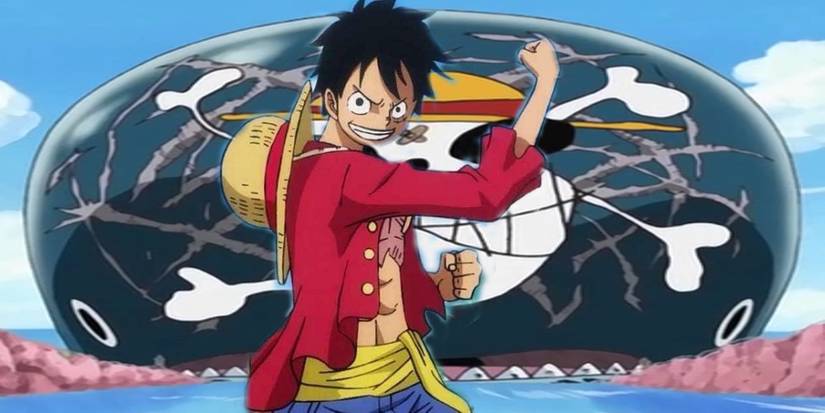
Spanning only two episodes in the anime, the entry into the Grand Line is arguably the most critical "small" arc in the series. Here, Oda established the fundamental mechanics of the world—the Log Pose and the treacherous currents of the Grand Line. Beyond the technical world-building, it introduced Laboon, the giant whale whose tragic wait for his crew serves as a foundational piece of the series’ emotional DNA, later becoming central to Brook’s backstory.
3. Loguetown (Chapters 96–100)
Loguetown is the metaphorical "town of beginnings and endings." By revisiting the site of Gol D. Roger’s execution, Oda mirrored Luffy’s journey with that of the Pirate King. The arc introduced key players—Smoker, Tashigi, and Dragon—whose influence on the political landscape of the New World continues to unfold. Modern fan theories increasingly point to Loguetown as a hidden repository for information regarding the final treasure, Laugh Tale, elevating this early arc to a status of renewed importance.

Supporting Data: Why "Lower-Tier" Arcs Still Matter
Critical analysis of One Piece often distinguishes between "top-tier" sagas and the connective tissue that links them. However, data from viewership metrics and fan engagement polls consistently show that even the less "spectacular" arcs provide vital narrative benefits.
- Jaya (Chapters 218–236): Serving as the gateway to the Skypiea Saga, Jaya is defined by the fated encounter between Luffy and Marshall D. Teach (Blackbeard). This moment is arguably the most significant foreshadowing in the entire series, contrasting the two ideologies of the pirate world. The cathartic defeat of Bellamy serves as a masterclass in narrative payoff.
- Whisky Peak (Chapters 106–114): While dismissed by some as a brief skirmish, this arc was the first to expose the scale of the Baroque Works organization. It successfully integrated humor with high-stakes political intrigue and introduced Nico Robin, shifting the tone of the series toward a more mature, conspiratorial narrative.
- Long Ring Long Land (Chapters 303–321): Often labeled as "filler-like" due to its lighthearted nature, this arc serves a specific narrative function: it provides a calm before the storm. The introduction of Admiral Kuzan (Aokiji) serves as a necessary reality check for the crew, showcasing the insurmountable power of the Marines and setting the stage for the intensity of the Water 7 and Enies Lobby arcs.
Official Perspectives and Narrative Shifts
Oda has frequently stated that the structure of One Piece is akin to a "travelogue." Every destination—no matter how small—is designed to leave a lasting impact on the characters.

The Impact of the Time-Skip (Return to Sabaody)
The "Return to Sabaody" arc (Chapters 598–602) represents a pivot point in the series’ history. Following the emotional devastation of the Marineford War, this arc signaled the transition from the "Paradise" half of the Grand Line to the "New World." It served as a proof-of-concept for the crew’s training, introducing new abilities and character designs while simultaneously setting up the political tension with Fleet Admiral Akainu.
The Cruelty of the Celestial Dragons
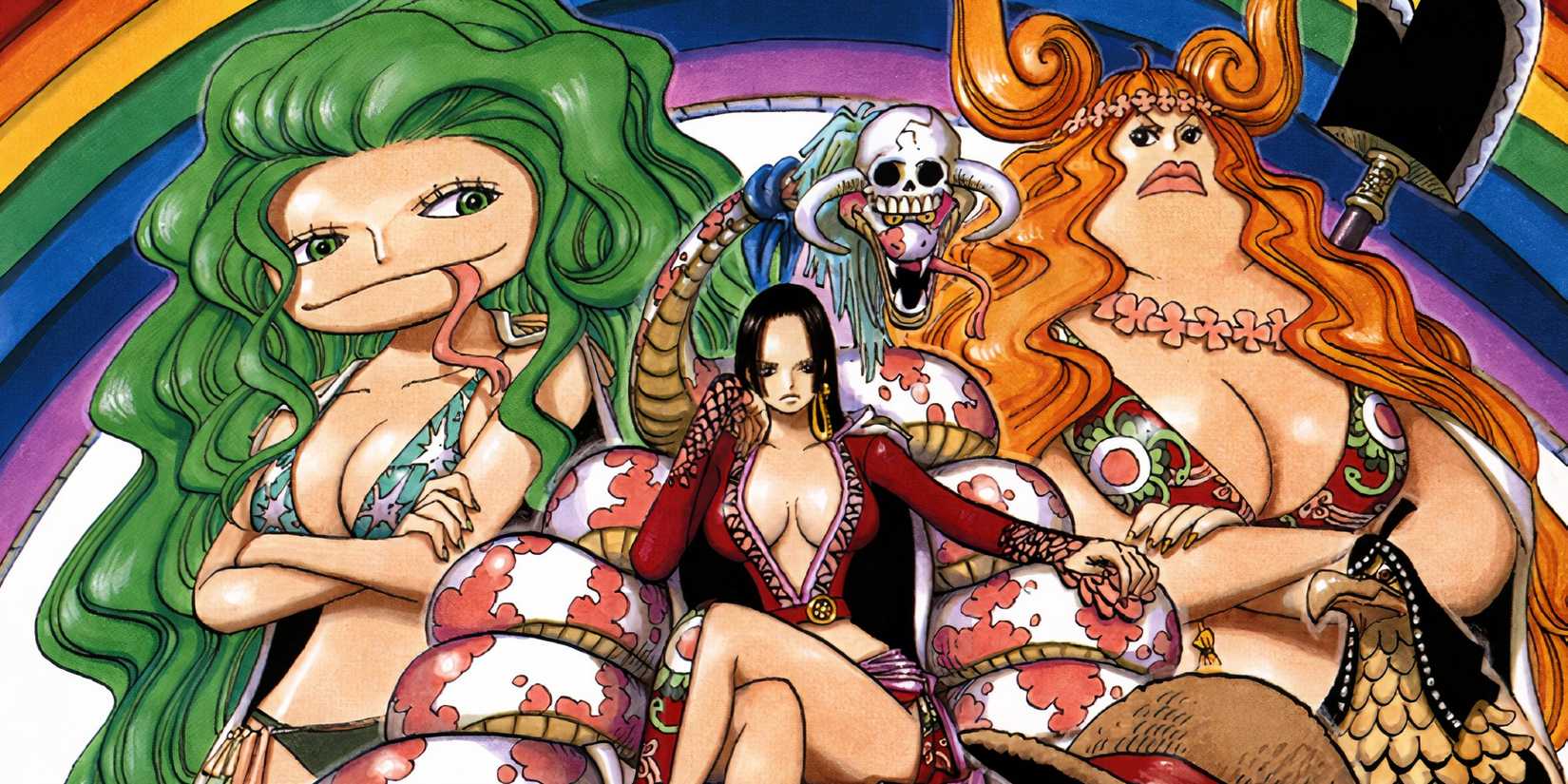
Arcs like Amazon Lily (Chapters 514–524) are often criticized for their pacing, yet they are essential for world-building. The backstory provided for the Kuja tribe and Boa Hancock serves to highlight the pervasive, systemic cruelty of the World Government and the Celestial Dragons. This theme of institutionalized violence has become the central moral conflict of the series’ final acts.

Implications for the Future of the Saga
As the series moves toward its conclusion, the significance of these earlier, smaller arcs becomes increasingly apparent. Plot points that seemed like flavor text in the East Blue or Grand Line entry are now being woven into the final resolution.
The Role of Giants and Elbaf
Little Garden (Chapters 115–129) introduced the concept of the giants of Elbaf. While it was viewed as a side adventure for years, the current narrative trajectory—with the Straw Hats finally heading toward the land of giants—proves that Oda’s long-form storytelling is calculated and deliberate. The "tragic genocides" hinted at in Little Garden are now surfacing as key components of the Void Century mystery.
The Legacy of the Post-Enies Lobby Arc
Following the emotional climax at Enies Lobby, the Post-Enies Lobby arc (Chapters 431–441) was tasked with providing closure to the CP9 conflict. Its success lay in its ability to humanize the crew’s struggles, specifically through the reconciliation with Usopp. This arc solidified the emotional bond of the Straw Hats, proving that the series’ success is rooted as much in character development as it is in world-building.
Conclusion: The Endurance of the Adventure
Eiichiro Oda’s One Piece remains a testament to the power of consistent, long-form storytelling. By refusing to rush the narrative, Oda has created a world where even the quietest moments hold weight. Whether it is the introduction of a new crew member, the reveal of a hidden power, or the simple act of a ship sailing toward the horizon, every arc serves a purpose.
As we look toward the final chapters, the "weakest" arcs of the past now appear as essential pieces of a vast, completed mosaic. For the readers who have followed for 29 years, and for the new fans discovering the series today, One Piece stands as a masterclass in how to build a legacy—one island, one arc, and one story at a time. The journey is not just about the destination, but about the thousands of small, interconnected adventures that make the world of One Piece feel, in every sense, alive.











No comments yet. Be the first to join the conversation!