

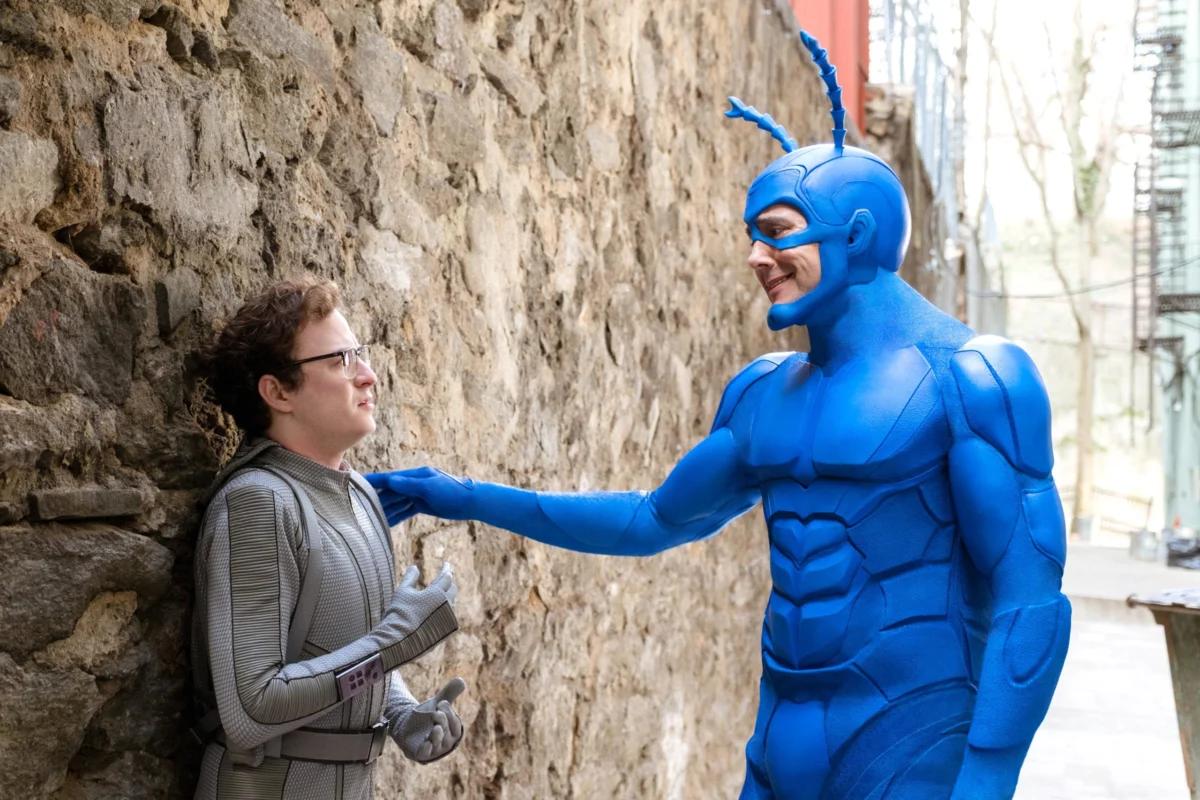
In the crowded landscape of modern streaming, where dark, cynical deconstructions of the superhero genre have become the industry standard, one brightly colored anomaly stands out: Amazon Prime Video’s The Tick. Overshadowed by the corporate dominance of The Boys and the animated visceral intensity of Invincible, Ben Edlund’s live-action reimagining of his iconic creation was canceled after only two seasons. Yet, years after its 2019 conclusion, The Tick persists not as a relic of a failed experiment, but as the most resonant, hopeful, and narratively complex superhero series in the Amazon library.
The Genesis: From Newsletter Mascot to Streaming Icon
To understand the unique DNA of the Amazon series, one must look at the character’s humble origins. Created in 1986 by Ben Edlund for a newsletter distributed by New England Comics, the Tick was never intended to be a critique of modern malaise; he was a pure, absurdist celebration of the genre’s inherent silliness.
The character’s evolution has been a study in adaptation:
- 1986: The original black-and-white comic book debut.
- 1994–1996: The beloved Fox animated series, which solidified the character’s "nigh-invulnerable" blue-clad persona in the cultural zeitgeist.
- 2001: The short-lived but cult-favorite live-action sitcom starring Patrick Warburton.
- 2016–2019: The Amazon Prime Video series, a 20-episode run that sought to marry the character’s absurdity with a grounded, character-driven narrative.
While previous iterations were content to parody the tropes of DC and Marvel, the Amazon series—guided by the vision of Edlund—attempted something more ambitious: it asked what it would feel like to live in a world where superheroes were not just colorful background noise, but sources of deep psychological trauma.
The Narrative Pivot: A Study in Contrasts
The pilot episode of the 2016 series remains one of the most jarring, effective openings in television history. A spaceship crashes, killing a father in front of his son, Arthur Everest. The heroes who emerge are incapacitated by "weaponized syphilis" before being unceremoniously executed by the supervillain known as The Terror. This is not the whimsical world of the 90s cartoon; it is a gritty, grounded reality where heroism carries a heavy cost.
However, this dark opening is a narrative feint. By bringing in Peter Serafinowicz’s Tick—a character of infinite, guileless optimism—the show forces a collision between nihilism and hope. For the first several episodes, the audience is encouraged to wonder if the Tick is real or merely a manifestation of Arthur’s (Griffin Newman) deteriorating mental health. By using Wally Pfister, the cinematographer behind Christopher Nolan’s Dark Knight trilogy, to direct the pilot, the show intentionally tricked the viewer into expecting a "grimdark" aesthetic before subverting it entirely.
The Anatomy of the Series: Characters and Conflict
The series relies on a delicate balance of the absurd and the wounded. The ensemble cast is a masterclass in character writing:
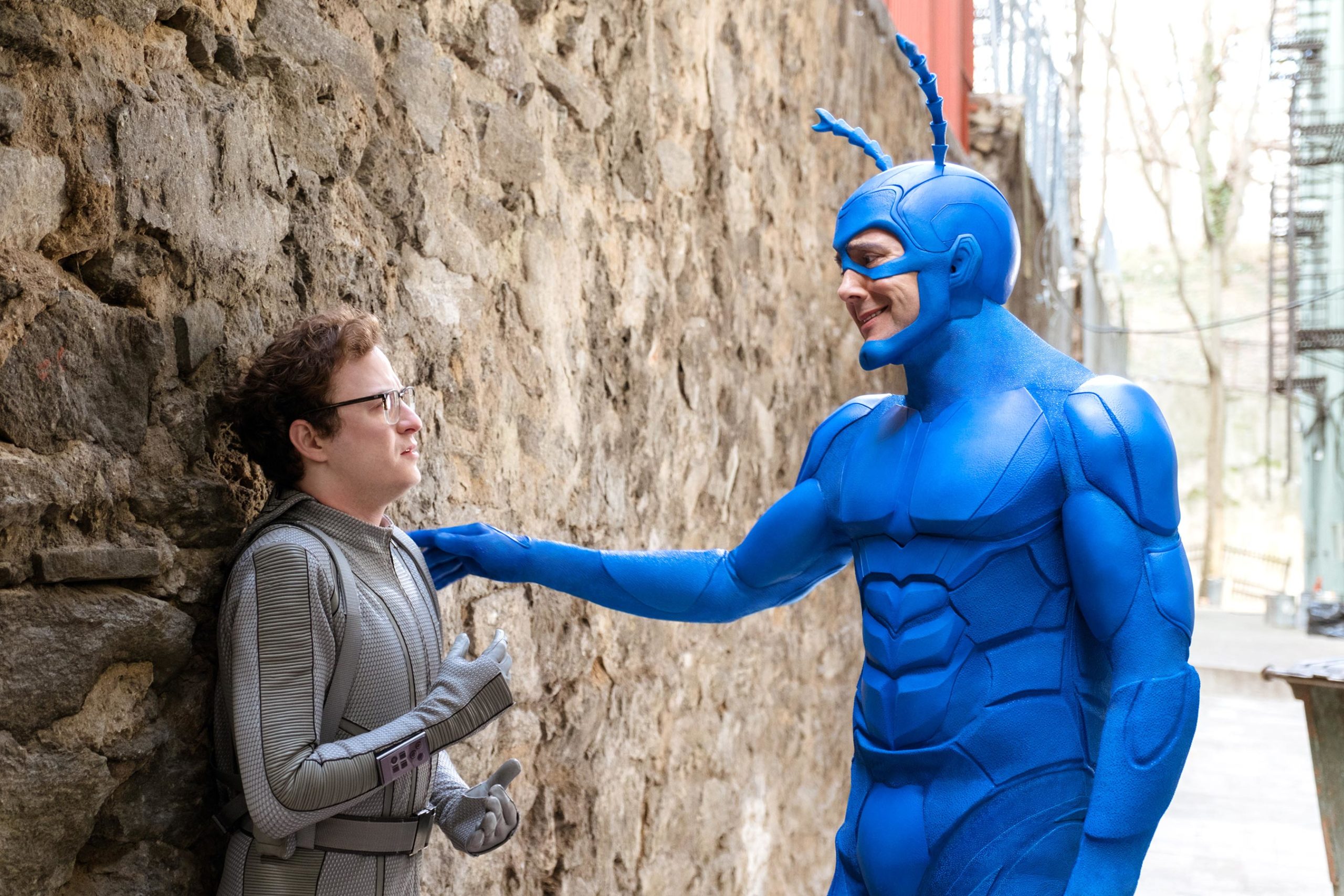
- The Tick (Peter Serafinowicz): A titan of justice who treats the world with a bewildered, childlike delight. His inability to perceive irony makes him the most radical character on television.
- Arthur Everest (Griffin Newman): The "straight man" in a moth suit. Arthur is the heart of the series, representing the trauma-stricken human perspective. His evolution from a fearful accountant to a reluctant hero is the series’ backbone.
- The Supporting Cast: The show populates its world with "failed" heroes like Overkill and Dot (Valorie Curry), the latter of whom provides the grounded, gritty antithesis to the Tick’s soaring idealism.
The brilliance of the writing lies in how it treats the "silly" elements. In most superhero media, a man in a moth suit is a punchline. In The Tick, it is a symbol of a man trying to regain control over his own shattered life. The series suggests that in a world where the government and "official" heroes have failed, the only way to be a hero is to embrace your own "freakishness."
Official Perspectives and Industry Reception
When the series was canceled in 2019, it was met with significant backlash from critics and a loyal fanbase. At the time, Amazon’s strategy was shifting toward high-budget, broad-appeal genre fiction. The Boys, which debuted shortly thereafter, offered a cynical, blood-soaked take on superheroes that aligned better with the "edgy" branding the studio was chasing.
Ben Edlund addressed the cancellation with grace, noting that while the show’s tenure was short, it succeeded in its primary goal: "We wanted to see if we could make a superhero show that was both funny and genuinely touching, and I believe we achieved that."
Critics, such as those at Den of Geek and The A.V. Club, consistently praised the chemistry between Serafinowicz and Newman. The show currently holds a high critical rating on aggregators like Rotten Tomatoes, with reviewers frequently citing its "earnestness" as a point of distinction against the backdrop of an increasingly saturated superhero market.
The Implications: A Model for Modern Heroism
The ultimate legacy of The Tick lies in its philosophical argument. As we look at the conclusion of The Boys and the ongoing fatigue surrounding "deconstructionist" superhero media, The Tick feels more relevant than ever.
The Boys is a show about the rot of power; it is effective but ultimately nihilistic. The Tick, by contrast, is a show about the utility of hope. In the series finale, as the characters face an existential threat, the Tick delivers a speech that functions as a thesis for the entire series: "The truth about the truth is that it’s a choice. Choose love or choose fear."
While the line is delivered in the character’s signature hyper-earnest, slightly unhinged style, it serves as the emotional anchor for the audience. The show posits that "normal" is an illusion. Everyone in the City is "broken"—whether they are suffering from PTSD, failure, or the weight of expectations. The Tick’s genius is his refusal to acknowledge these labels. By treating everyone with the same level of heroic respect, he forces them to live up to a higher version of themselves.
Conclusion: Why It Deserves a Second Look
In the current streaming landscape, we are often served stories that tell us that the world is too broken to be saved. The Tick disagrees. It argues that the world is indeed broken, but that the act of "choosing love" is the only thing that makes life worth living.
As we move further away from its 2019 conclusion, The Tick is increasingly viewed not as a niche comedy, but as a sophisticated, deeply humanistic work of art. It is a show that understands the genre better than its competitors because it recognizes that the true power of a superhero isn’t their strength or their gadgets—it is their ability to inspire, to connect, and to persist when the world seems determined to crush them.
For those who have yet to dive into the City, or those who dismissed it as a simple comedy, the series is waiting. It is a reminder that even in a world of monsters and crises, there is always room for a giant blue guy who just wants to make sure everyone is okay. In the shadow of more cynical blockbusters, the simple, resilient optimism of The Tick is not just refreshing—it is necessary.











No comments yet. Be the first to join the conversation!