Layla Zulfa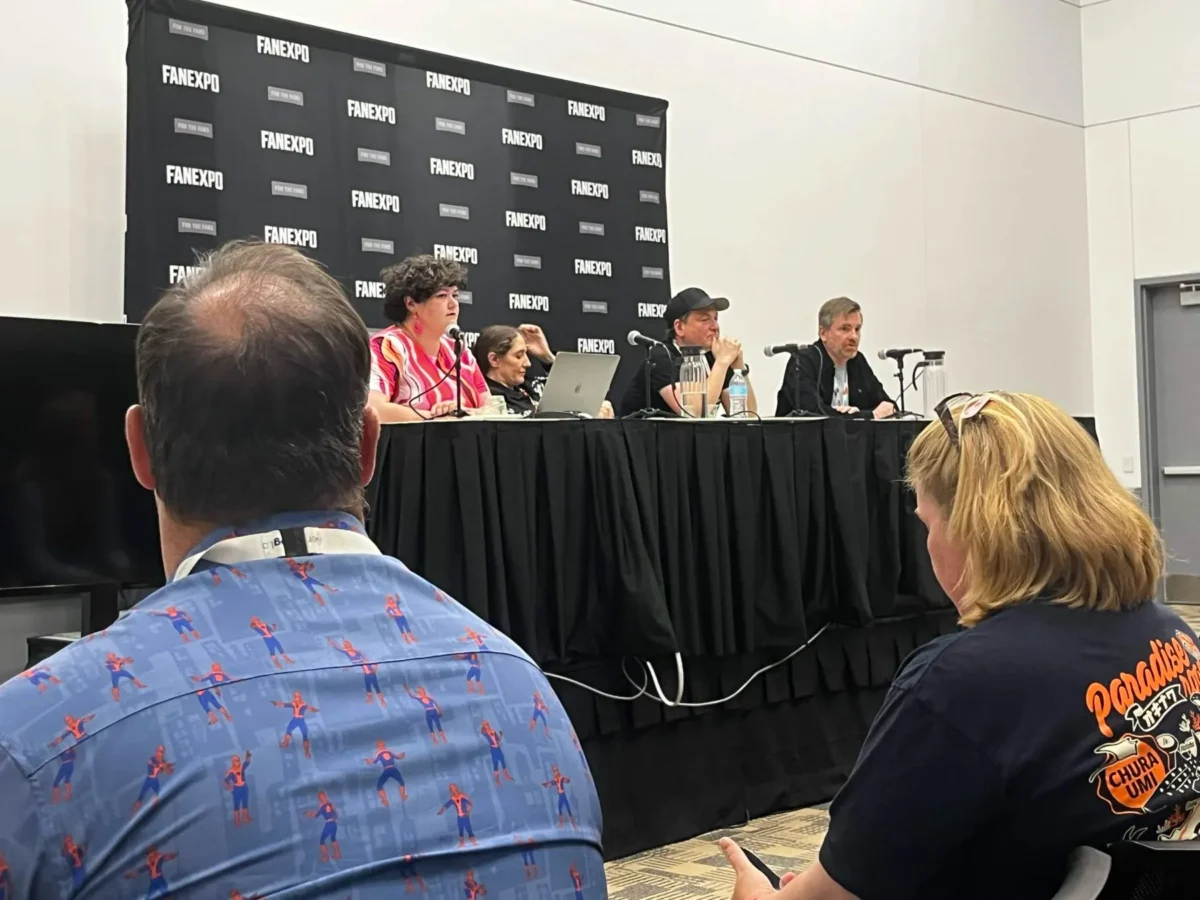
At Fan Expo Denver 2026, the roar of the crowd was not reserved solely for the cosmic-tier titans of the Marvel and DC Universes. While the general public often gravitates toward the spectacle of Avengers-level threats—aliens descending from the heavens or gods clashing in the sky—a dedicated panel turned the spotlight toward the grime, the grit, and the enduring appeal of "street-level" superheroes.
Featuring acclaimed comic creators Charles Soule, Frank Tieri, and Erica Schultz, the discussion provided a rare, behind-the-curtain look at the narrative architecture required to craft compelling stories for icons like Daredevil, The Punisher, and Spider-Man. As these writers dissected the craft, it became clear that the true strength of these characters lies not in their power sets, but in their proximity to the human experience.
The Anatomy of the Grounded Hero: Main Facts
The panel, titled The Enduring Appeal of Street-Level Superheroes, sought to define exactly what separates a hero like Jessica Jones or Luke Cage from the cosmic pantheon.
Charles Soule, whose tenure on Daredevil remains a definitive run in the character’s history, posited that the secret to a street-level hero is their occupation. "Daredevil is a lawyer. Jessica Jones is a private investigator. Luke Cage is a hero for hire," Soule explained. "These aren’t just jobs; they are extensions of their morality and their connection to the city. Their conflicts are not about saving the galaxy; they are about saving a block, a family, or an individual soul."
Erica Schultz, known for her work on Rat City and Laura Kinney: Wolverine, echoed this sentiment by emphasizing the physical and emotional intimacy of these stories. She noted that while high-concept science fiction is essential to the comic medium, the "street" genre offers a rare sense of relatability. When a reader sees a hero navigate the same mundane problems—rent, professional ethics, personal trauma—the act of putting on a mask becomes an inspiring, achievable metaphor for everyday resilience.

The Evolution of the Genre: A Chronology
The conversation shifted toward the history of these characters, tracking how they have evolved from the noir-inspired vigilantes of the 1970s to the complex, psychological portraits seen in modern runs.
- The Origins of Grit: Panelists discussed the foundational influence of 1970s crime fiction on the superhero genre. This era transformed vigilantes from simple crime-fighters into tortured souls grappling with the moral decay of urban environments.
- The Modern Resurgence: The early 2000s, specifically the Marvel Knights era, proved that readers were hungry for darker, more mature storytelling. This period cemented characters like Daredevil and Moon Knight as the gold standard for "street-level" narratives.
- Current Iterations: As of 2026, the panelists noted that writers are now expected to balance established legacy with modern sensibilities. The current trend involves a return to the "boots-on-the-ground" aesthetic, moving away from the "event-fatigue" that has plagued some large-scale superhero crossovers in recent years.
Supporting Data: The Craft of Continuity
One of the most engaging aspects of the panel was the deep dive into the research and development required to keep these long-running characters fresh.
Erica Schultz offered a candid look at her process, revealing that before she begins any project, she conducts a deep-dive audit of the character’s publication history. "You don’t want to repeat what has already been done," she remarked. Schultz specifically cited the work of Chip Zdarsky and Charles Soule on Daredevil as essential reading for anyone looking to enter the character’s headspace.
Frank Tieri, known for his work on Sabretooth: The Dead Don’t Talk, emphasized that the key to avoiding staleness is not just research, but the willingness to challenge the status quo. "People want a fresh take," Tieri said. "They want to see how these characters react to the modern world, not just how they reacted to the world in 1985."
The panel also touched upon the "balancing act" of working within a shared universe. Writers must balance their creative vision with the rigid continuity requirements of publishers like Marvel and DC. Schultz recounted her early work on the Revenge graphic novel, admitting that the experience taught her how to navigate the hierarchy of editorial mandates, often described by writers as being "middle management" in a massive corporate machine.

Official Responses and Creator Perspectives
The discourse provided insight into how these writers view their relationship with their employers and their characters.
Charles Soule shared a pragmatic philosophy regarding creative responsibility: "My name is on the cover, so the blame is going to go to me. I always let it be known: ‘Okay, I’m going to make a change, but it’s going to be my change.’"
This stance is crucial for creators working on massive, multi-generational properties. Soule also provided context on his work with the Lucasfilm Story Group for Star Wars, explaining that while strict continuity can be a hurdle, it is also a tool for building a cohesive, believable world.
When asked about the "off-limits" nature of certain characters, Schultz highlighted the frustration of pitching stories for beloved icons only to find they are tied up in corporate synergy or upcoming film adaptations. It is a reality of the industry, but one that pushes writers to innovate with lesser-known, "street-level" gems who remain largely untouched by the heavy hand of multimedia planning.
Implications: The Future of Street-Level Storytelling
The panel concluded with a segment that left fans buzzing: the "dream wish list" for future projects.

When asked which characters they would like to tackle next, the creators were quick to respond:
- Frank Tieri: Expressed a strong desire to take on a Daredevil run, having yet to steer the Man Without Fear.
- Erica Schultz: Aimed her sights on the iconic Frank Castle, noting that there are still many unexplored facets to the Punisher mythos.
- Charles Soule: Admitted that while he has "done the whole roster" of Marvel’s street-level icons, he would be interested in tackling Moon Knight or Ghost Rider to explore the supernatural side of the street-level experience.
The implications of this discussion are clear: the "street-level" genre is not a secondary tier of the superhero industry; it is the heartbeat of it. As long as audiences crave stories about morality, justice, and the struggle of the individual against an indifferent system, these characters will continue to endure.
The success of the panel at Fan Expo Denver 2026 serves as a reminder to both fans and publishers that while cosmic battles are fun to watch, the stories that resonate longest are the ones that take place on the pavement. Whether it’s the legal drama of Hell’s Kitchen or the psychological warfare of the shadows, the street-level hero remains the most human reflection of our own desire to make a difference in a world that often feels too big to change.
As the industry moves forward, it is evident that creators like Soule, Tieri, and Schultz will continue to prioritize the personal, the visceral, and the grounded, ensuring that the legacy of these heroes remains as durable as the city streets they defend.

 Sagoh
Sagoh
 Ammar Sabilarrohman