Nila Kartika Wati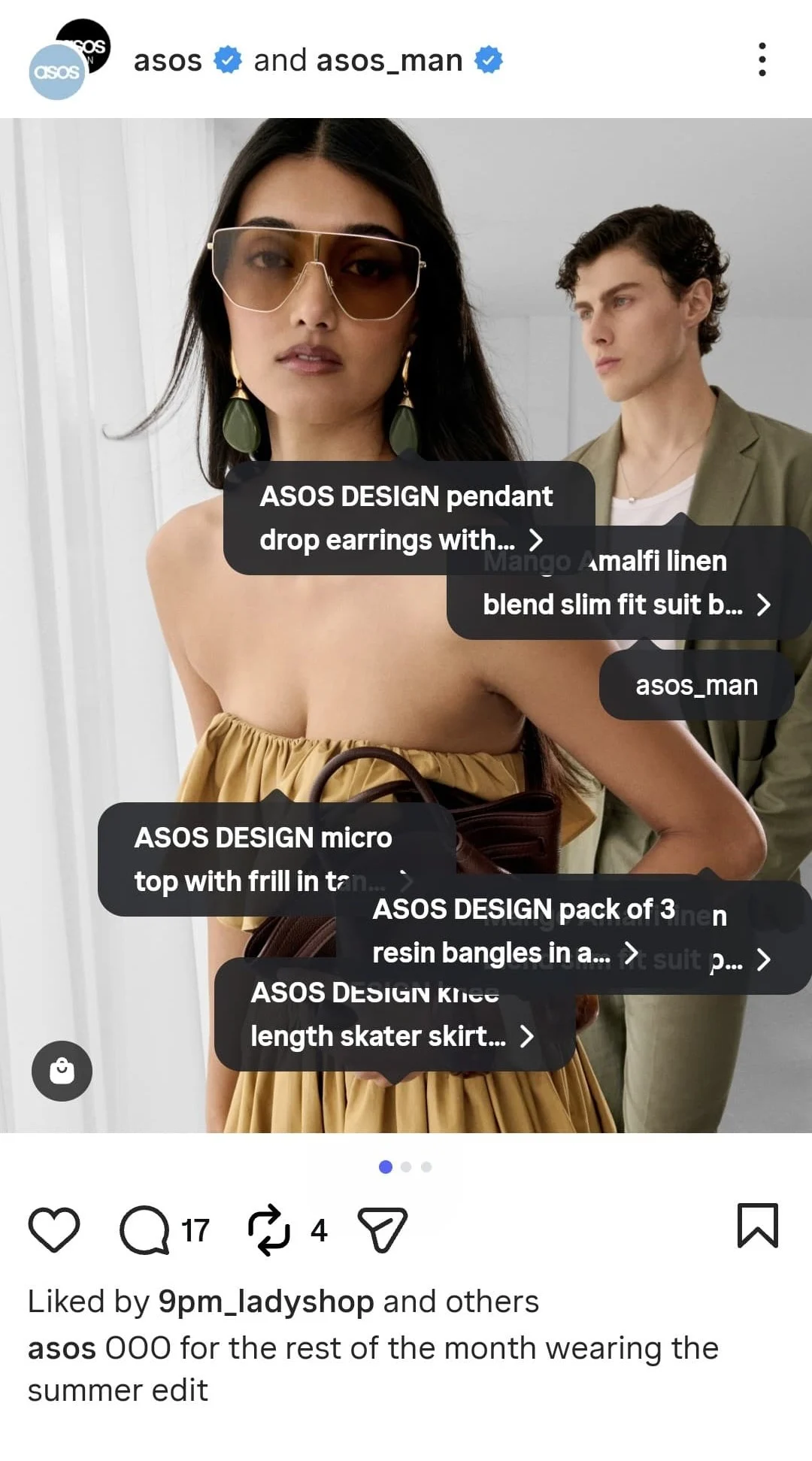
For UK brands, the era of "being on social media" has effectively ended. In 2026, the retail landscape has pivoted from simple brand presence to predictive commerce. Simply maintaining a TikTok Shop or an Instagram catalogue is no longer a competitive advantage—it is the bare minimum requirement for survival. As the digital retail ecosystem evolves, we are entering the age of "invisible checkouts," where artificial intelligence identifies consumer intent and serves the right product before the user even realizes they have a desire for it.
The Evolution of the Digital Storefront: A Categorical Shift
For marketing leaders navigating this landscape, the terminology is more than just semantics; it defines the strategic approach. Distinguishing between social commerce, traditional e-commerce, and social selling is critical for resource allocation.
- Social Commerce: The practice of buying and selling products directly within a social media platform, utilizing native, frictionless in-app checkouts.
- E-commerce: The traditional model of driving traffic from social platforms to a dedicated brand website or application.
- Social Selling: The long-game strategy of building professional relationships and community trust on social media to facilitate sales via direct messaging or future pipeline development.
The modern buyer is characterized by a complete lack of patience. Every additional tap, slow-loading page, or mandatory account creation step serves as a catalyst for cart abandonment. By keeping the transaction native, brands eliminate these barriers, transforming shopping from a deliberate, planned chore into a seamless, organic part of the daily scroll.

The UK Market: From £24 Billion to a £40 Billion Horizon
The United Kingdom remains one of the world’s most mature digital retail markets. Consumers here are not only tech-savvy but highly receptive to in-app purchasing. Recent data reconciliations place the UK social commerce valuation at over £24 billion, with conservative forecasts projecting an acceleration toward £40 billion by the end of the decade.
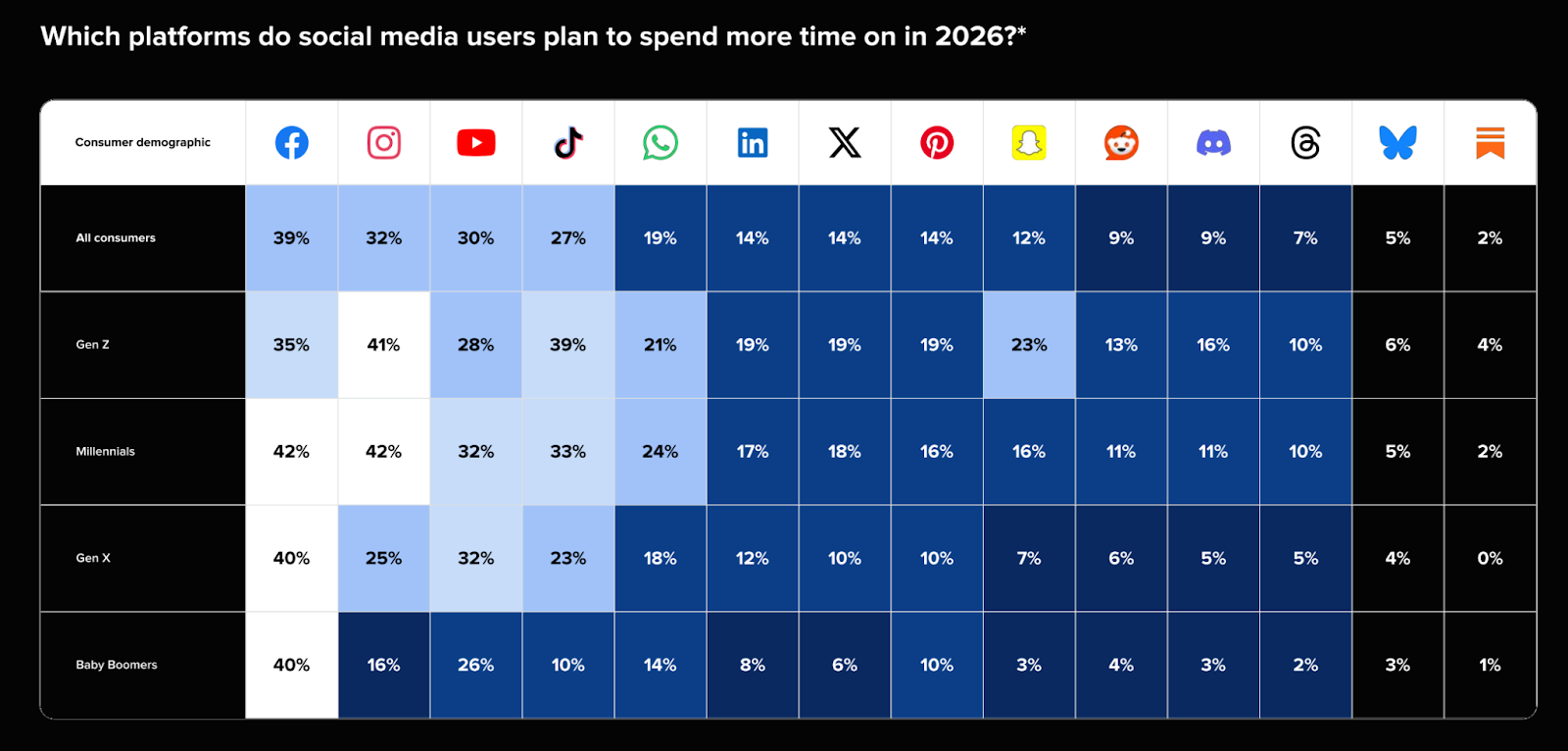
While Gen Z and Millennials remain the primary drivers—favoring creator-led content and short-form video discovery—a significant demographic shift is underway. Older UK cohorts are showing increased comfort with in-app purchasing, bolstered by the familiarity of integrated payment systems like Apple Pay and PayPal. This trend suggests that social commerce is moving from a niche youth activity to a mainstream consumer expectation.
Chronology: The Maturation of Social Shopping
The trajectory of social commerce in the UK has moved through three distinct phases:
- The Awareness Phase (2020–2022): Brands experimented with basic social feeds. Social media served primarily as a billboard to push traffic to external websites.
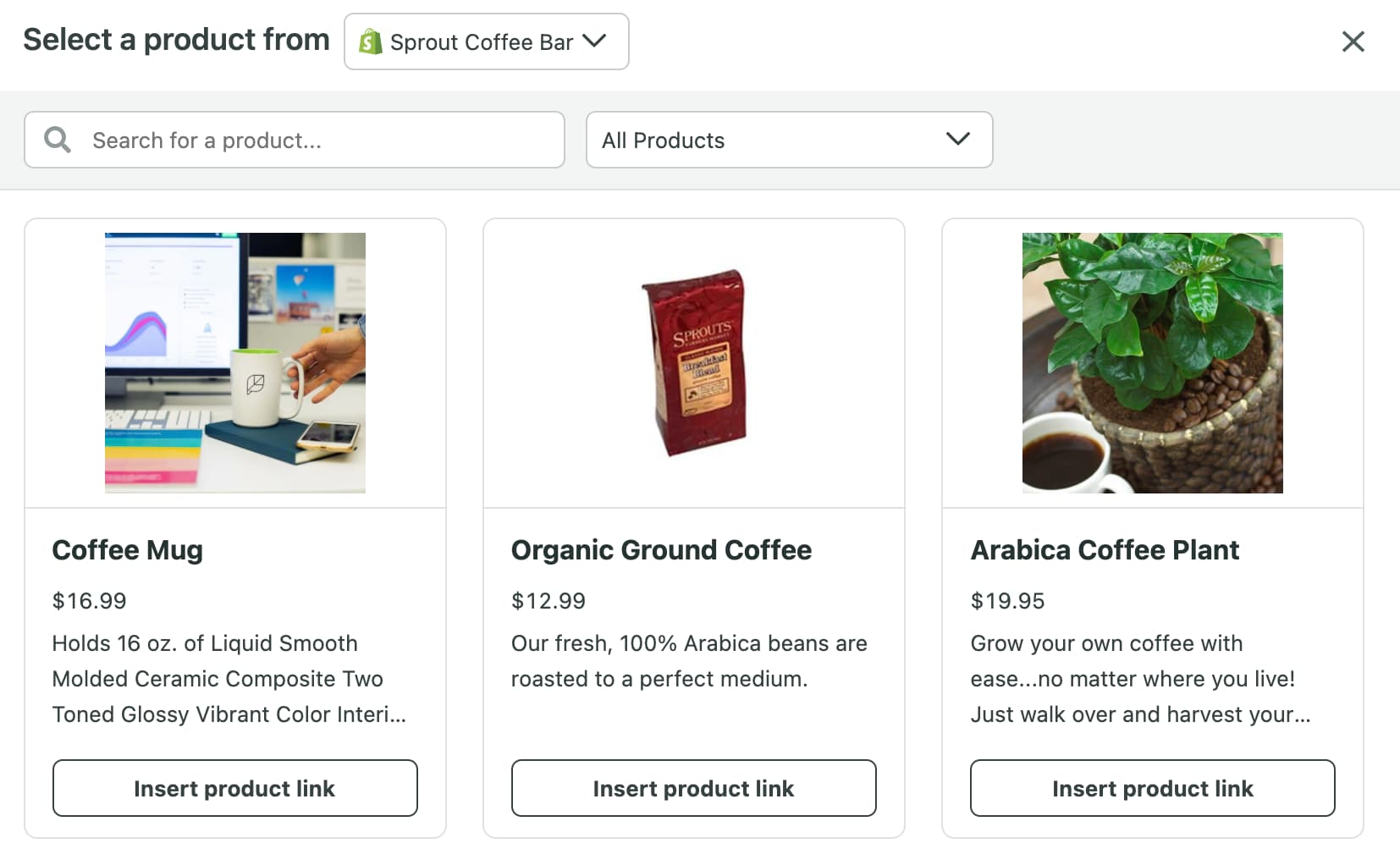
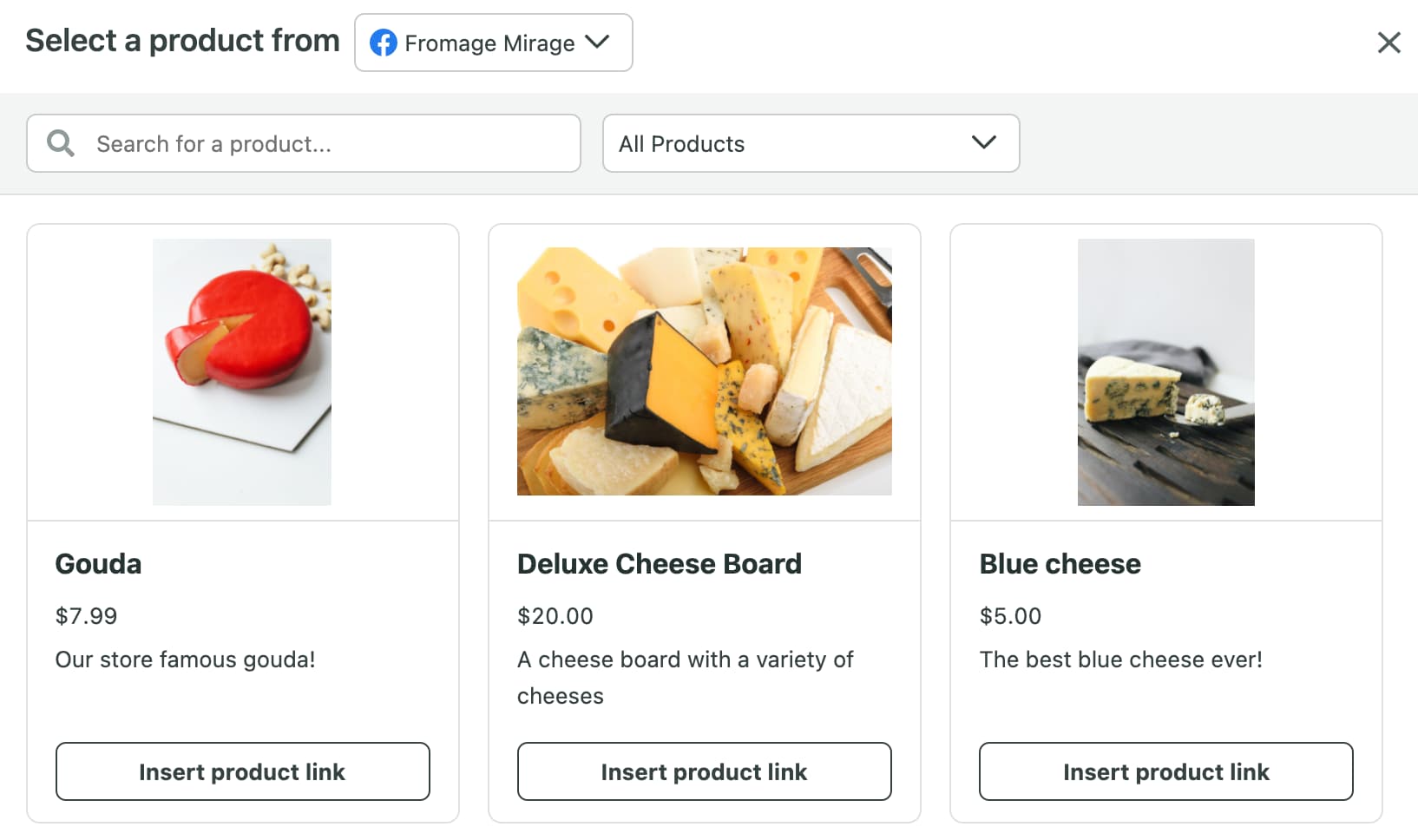
- The Integration Phase (2023–2025): The introduction of native checkouts and direct API integrations with platforms like Shopify allowed for a "shoppable" experience. Brands began to treat feeds as digital showrooms.
- The Predictive Phase (2026–Present): The current era, characterized by AI-driven product recommendations and "invisible" checkouts. Discovery and conversion now occur in a single, fluid motion, effectively collapsing the traditional marketing funnel.
Supporting Data: Why Frictionless is King
The psychology behind the purchase path is rooted in the reduction of cognitive load. Traditional e-commerce requires a user to:
- Click an external link.
- Wait for a third-party site to load.
- Navigate an unfamiliar interface.
- Re-enter payment details.
In-app checkout bypasses these hurdles entirely. Furthermore, social proof acts as the ultimate validator. Research indicates that approximately 70% of shoppers trust peer reviews over brand-led messaging. When a consumer observes a relatable creator demonstrating a product in a real-world setting, trust is established instantly. When this is combined with psychological triggers like limited-time product drops or live stream flash sales, the conversion potential increases exponentially.
Platform Strategy: Where to Focus
To remain competitive, brands must map their objectives to the unique strengths of the major platforms:
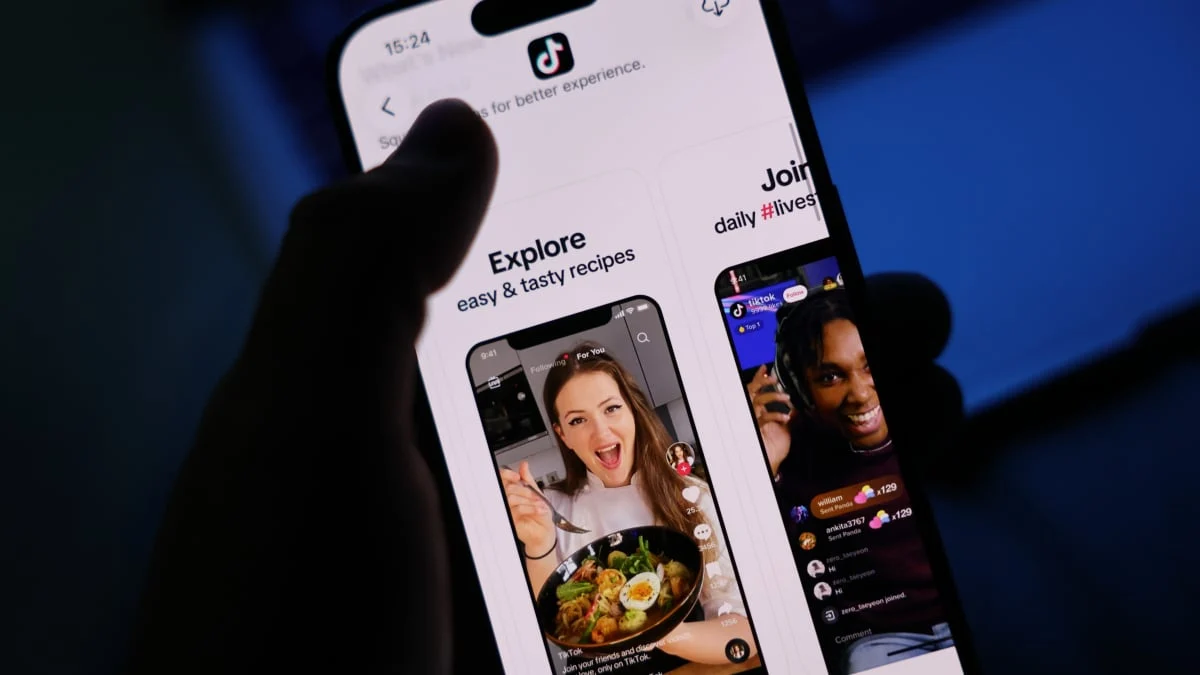
- TikTok Shop: The undisputed leader for impulse buys and viral trends. Success here requires a robust presence in the Affiliate Centre, allowing creators to act as brand ambassadors.
- Instagram/Facebook Shops: The backbone of visual retail. These platforms are best for brands that rely on high-quality, aspirational imagery.
- Pinterest Shopping: Functions as a visual search engine. It is the premier space for high-intent, long-term planning, where rich metadata is the key to organic discovery.
- YouTube Shopping: An often-underrated powerhouse. By integrating with Shopify or WooCommerce, YouTube allows for complex product demonstrations, making it ideal for items that require explanation or expert validation.
Official Perspectives: The Role of AI and Data
Marketing leaders are increasingly relying on predictive algorithms to optimize their storefronts. AI now surfaces products based on granular viewing behavior, analyzing which visual assets drive the highest conversion rates.
However, this reliance on data brings regulatory responsibilities. The Advertising Standards Authority (ASA) maintains strict guidelines regarding influencer partnerships and product claims. For UK brands, transparency is not just an ethical choice; it is a legal requirement. Failure to disclose partnerships or providing inaccurate inventory data—resulting in out-of-stock purchases—can result in severe penalties and a degradation of a brand’s algorithmic standing.
Implications: The Death of the "Billboard" Mentality
The most significant implication of this shift is the total collapse of the traditional marketing funnel. Discovery and conversion now happen in the exact same breath. Brands that continue to treat social channels as mere conduits to a website are failing to capture the "impulse" revenue that defines modern retail.
Case Studies in Excellence
Three UK brands currently illustrate the power of this model:
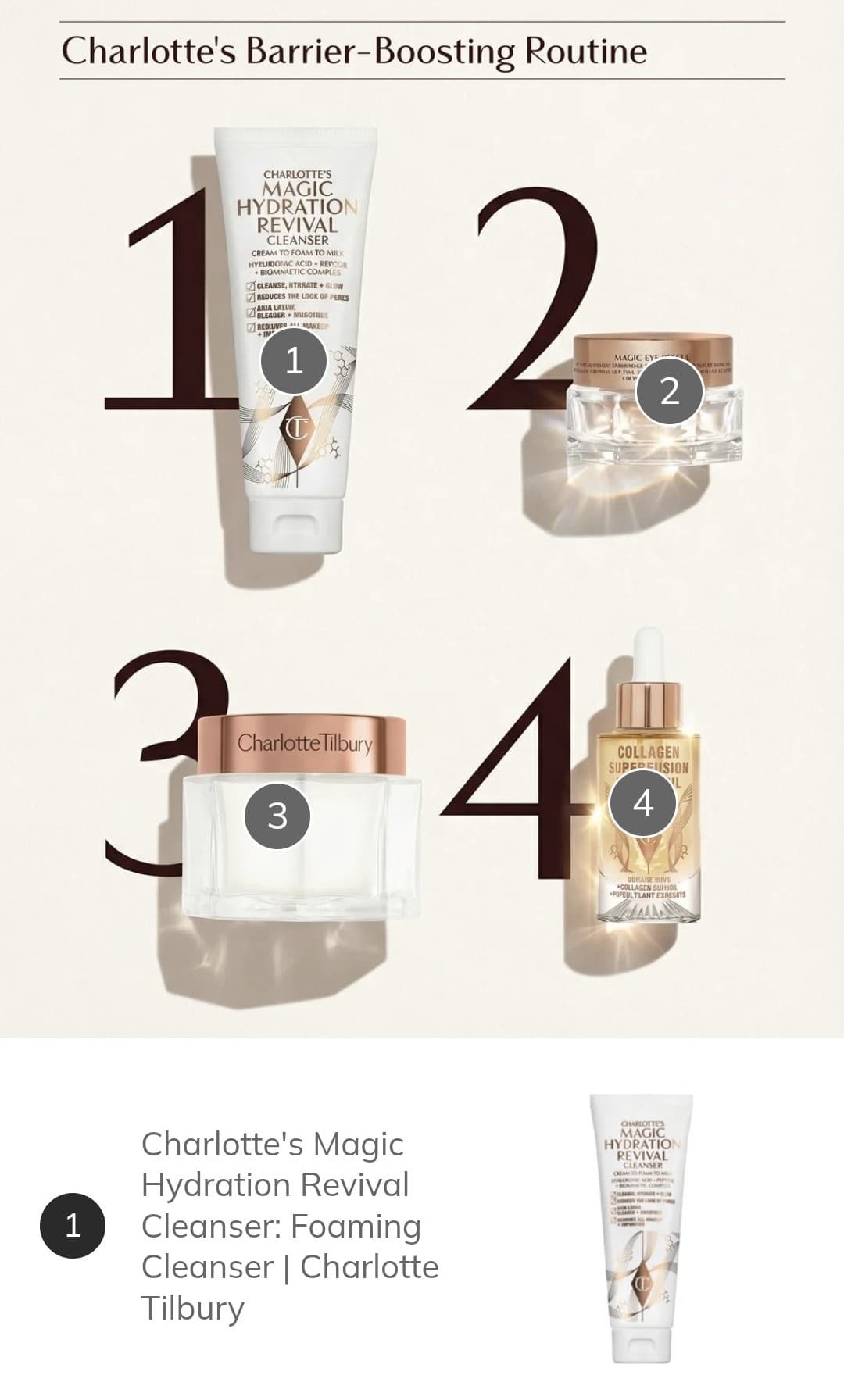
- Charlotte Tilbury: By utilizing Live Masterclasses, they have successfully migrated the high-touch, in-store beauty counter experience to a digital format, solving the "uncertainty" of online makeup purchases.
- Boots: Through strategic collaborations with influencers for TikTok Live events, Boots targets Gen Z with exclusive bundles, effectively driving high-intent traffic without leaving the platform.
- ASOS: The master of the "look." By tagging every element of an outfit in their posts, they increase average order value by selling a complete aesthetic rather than a single item.
The B2B Frontier: Social Commerce Beyond Retail
There is a lingering misconception that social commerce is exclusively a B2C domain. This is incorrect. B2B companies are finding success by applying the same "frictionless" philosophy. LinkedIn’s Lead Gen Forms allow for a similar psychological exchange: a user provides their professional data in exchange for high-value assets like whitepapers or consultations. By removing the friction from the lead-capture process, B2B firms are seeing higher conversion rates than ever before.
Conclusion: The Unified Commercial Operation
For the modern marketing leader, the challenge is no longer about "setting up a shop"—it is about unifying the entire commercial operation. By centralizing analytics, community engagement, and inventory management into a single dashboard, teams can spot trends in real-time and turn routine community interactions into measurable, consistent revenue.
The future of retail is not on your website; it is in the scroll. The brands that win in 2026 and beyond will be those that have fully embraced their social feeds as their primary flagship stores. The infrastructure for this shift exists; the only variable remaining is the agility of the brand to integrate, optimize, and execute.

 Rifan Muazin
 Siti Muinah