


As the mercury climbs, the natural world is facing a silent, invisible crisis that extends far beyond the physical toll of dehydration and heatstroke. Across the globe, from the arid Kalahari Desert to the tranquil slopes of the Italian Apennines, biologists are documenting a troubling phenomenon: extreme heat is actively muddling the minds of animals.
New research suggests that soaring temperatures are impairing the cognitive functions of diverse species, leading to increased aggression, diminished learning capacities, and a dangerous loss of situational awareness. As climate change renders heat waves more frequent and intense, these neurological disruptions threaten to ripple through entire ecosystems, potentially destabilizing food webs and endangering the survival of fragile species.
The Behavioral Breakdown: A Snapshot of Impaired Minds
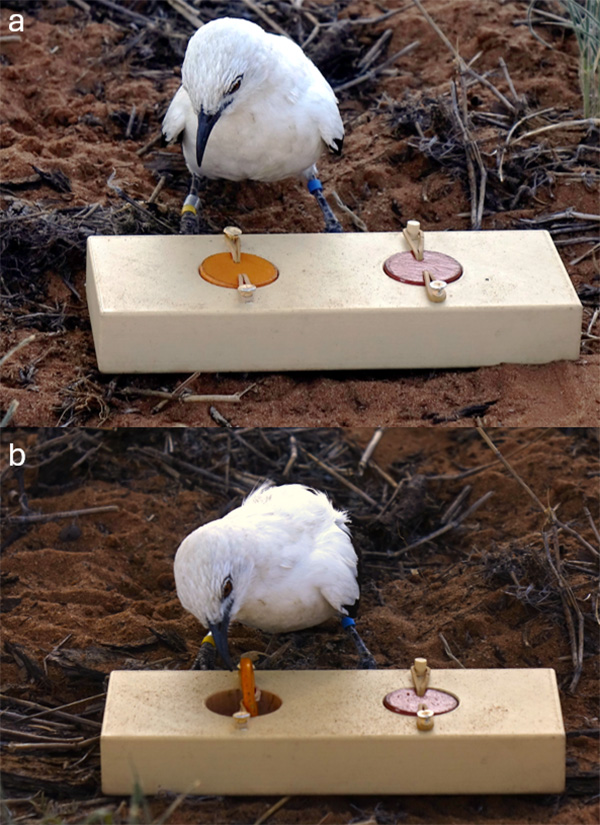
The evidence for this cognitive decline is as varied as it is alarming. In South Africa, behavioral ecologist Amanda Ridley of the University of Western Australia has spent years observing southern pied babblers—medium-sized, black-and-white birds known for their social complexity. On temperate days, these birds exhibit impressive problem-solving skills, easily navigating plastic barriers to reach a mealworm reward. However, when the heat hits, their logic fails. Under high temperatures, the birds repeatedly and stubbornly peck at the barrier, unable to process the simple spatial solution required to access food.

This isn’t an isolated incident. Similar patterns have emerged in studies of Australian zebra finches, which show an inability to solve simple puzzles, essentially "banging their heads against a wall" when faced with heat-induced stress. The impairment extends to aquatic life as well; male guppies, when exposed to high-temperature water, struggle to navigate mazes, even when motivated by the presence of a potential mate.
A Chronology of Discovery: From Human Studies to Wild Observations
The realization that heat alters cognition is not entirely new, though its application to non-human species is a burgeoning field of study.
- 1800s (The Human Baseline): The link between heat and erratic behavior was first documented in humans by Belgian astronomer Adolphe Quetelet. He observed that violent crime in France surged during the summer months, a trend that modern science has since linked to increased gun violence, spikes in mental-health-related hospital admissions, and even higher rates of suicide.
- Early 2000s: Researchers began to isolate the neurological impacts of heat on laboratory subjects. Studies on mice demonstrated that elevated temperatures consistently degraded memory and the ability to navigate spatial environments.
- 2020–2023 (The Aggression Surge): A 2023 study analyzed over 70,000 dog bite reports across major US cities. The results were stark: bite incidents were significantly higher on hot, sunny, and smoggy days. While researchers noted that both humans and dogs may become more irritable in the heat, the trend held even when controlling for human outdoor activity levels.
- 2025–Present: A wave of studies has confirmed that species ranging from snakes to cats, and even territorial fish like the golden julie, exhibit increased hostility when water or air temperatures rise.
Supporting Data: Why "Stupid Hot" Is More Than an Expression
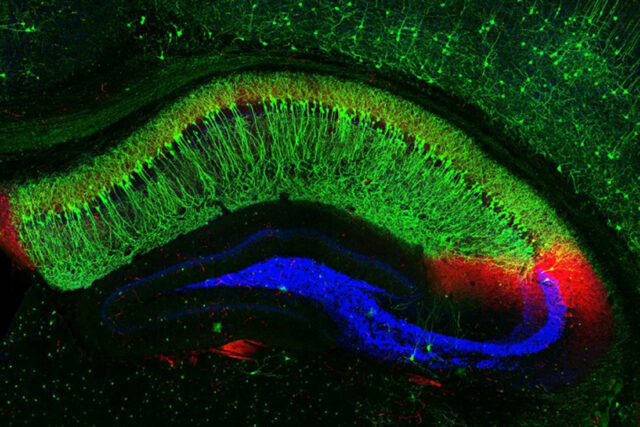
The biological mechanism behind these behavioral shifts is rooted in the physical limits of the brain. As neuroscientist Emily Baird of Stockholm University explains, for ectothermic animals (those that cannot regulate their own body temperature, such as fish and insects), ambient heat is directly translated into brain temperature.
The Pollination Problem
In experiments conducted by Baird, bumblebees were taught to associate specific colors with food rewards. At 77°F (25°C), the bees learned the task with ease. At 90°F (32°C), their performance plummeted, with fewer than half of the subjects able to retain the association. This has profound implications for global food security; if pollinators cannot remember which flowers to visit, crop yields for essential foods like blueberries and tomatoes could suffer, creating a cascading failure in agricultural systems.
The Vigilance Gap
Perhaps the most dangerous impact of heat is the loss of "vigilance." In the Kalahari, Ridley’s team tested how pied babblers responded to predators during heat waves. Using taxidermied genets—a cat-like predator—as a stimulus, they found that birds in cool weather reacted with alarm calls and evasive maneuvers. In contrast, birds in high heat showed little to no difference in their reaction to the predator versus a harmless wooden box. This lack of situational awareness suggests that on a warming planet, prey species are increasingly susceptible to predation, which could lead to rapid population declines.
Official Perspectives and Expert Analysis
The scientific community is increasingly vocal about the severity of this issue. Experts like Elizabeth Derryberry, an evolutionary biologist at the University of Tennessee, emphasize that behavioral adaptation is the most critical tool a species has to survive a changing environment. If that tool is broken by heat, the species’ ability to survive is severely compromised.
"A changing climate means that your ability to behaviorally adapt is even more important," says Amanda Ridley. "If you are too hot to learn, too agitated to forage, or too distracted to notice a predator, you aren’t just uncomfortable—you are effectively unfit for your environment."
The researchers involved in these studies argue that the "cognitive cost" of climate change is currently missing from most ecological models. While scientists often account for physiological stress (like dehydration or metabolic changes), the "neurological stress" remains an underestimated variable.
The Ecosystem Implications: A Ripple Effect
The consequences of "heat-scrambled" brains are not contained within a single species. We are looking at a potential restructuring of ecosystems:

- Trophic Cascades: As prey species lose their vigilance and predators become more aggressive, the balance of who eats whom shifts. This can lead to the over-predation of certain species and the subsequent starvation of others.
- Resource Wars: The study of Italian chamois provides a glimpse into a future of heightened conflict. As vegetation becomes scarcer due to drought and heat, the goats become aggressively territorial. This is not just a display of anger; it is an energy-draining competition that leaves the animals with less physical reserve to survive the heat.
- Urban Vulnerability: Cities, which act as "heat islands," exacerbate these effects. Species that have adapted to urban environments are now facing the dual challenge of navigating human infrastructure while their own cognitive faculties are being eroded by temperatures that exceed those of the surrounding rural landscape.
Conclusion: The Hidden Cost of a Warming World
As we navigate the 21st century, the focus of climate change research has largely been on sea-level rise, extreme weather events, and habitat loss. While these are undeniably critical, the degradation of animal cognition adds a layer of complexity that we are only beginning to understand.
When an animal loses its ability to learn, to socialize, and to defend itself, the ecosystem as a whole begins to fray. The "stupid hot" phenomenon is not just a quirky behavioral footnote; it is a fundamental challenge to the survival of the natural world. If we are to mitigate the worst effects of climate change, we must account for the fact that the victims of our warming planet are not just losing their homes—they are losing their wits. Future conservation efforts must prioritize creating "thermal refuges"—shaded, cooler micro-habitats—that allow species to maintain the cognitive clarity required to survive in an increasingly volatile climate.












No comments yet. Be the first to join the conversation!