

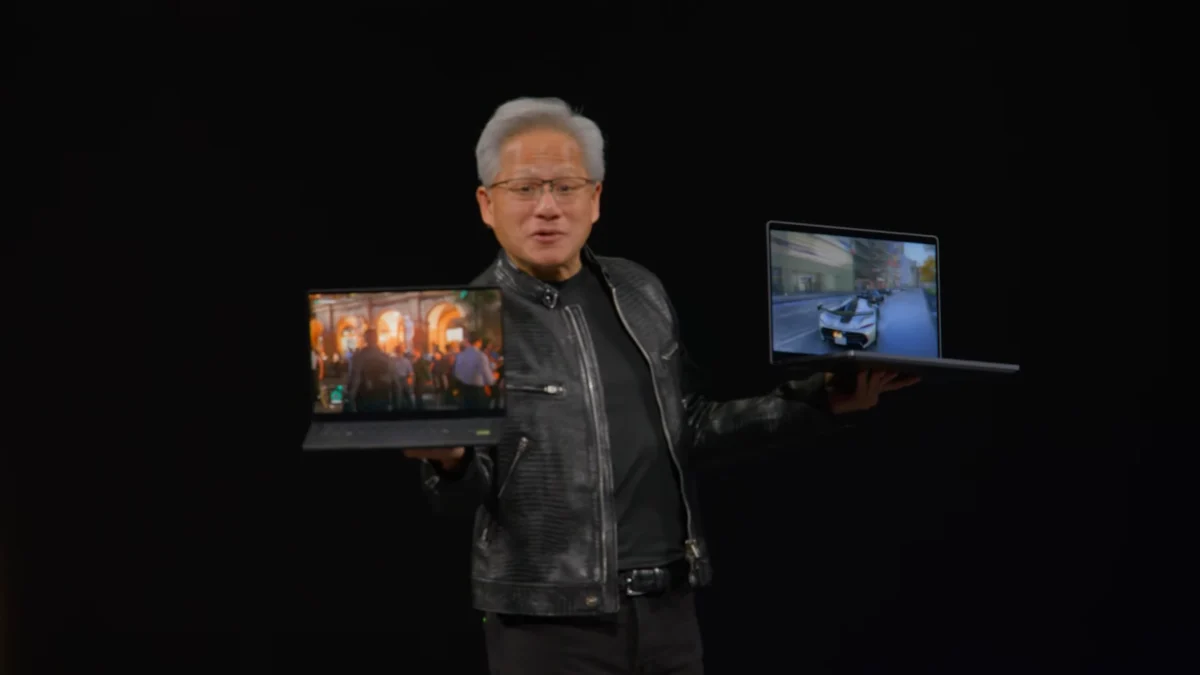
In a move that marks a tectonic shift in the landscape of personal computing, Microsoft has officially pulled the curtain back on the Surface Laptop Ultra. The new flagship device is the first to be powered by Nvidia’s long-rumored, Arm-based RTX Spark chip—a silicon development that industry analysts suggest could finally signal the maturation of the "Windows on Arm" ecosystem.
Following months of intense speculation and a series of coordinated teasers from both Microsoft and Nvidia earlier this week, the announcement confirms that the PC industry is pivoting away from its traditional x86-only reliance. For enthusiasts who have tracked the development of this hardware under its internal codenames, "N1" and "N1X," the reveal of the RTX Spark is the culmination of years of collaborative engineering between the software giant and the graphics powerhouse.
A New Philosophy: "Nothing Wasted. Everything Intentional"
Microsoft has framed the launch of the Surface Laptop Ultra not just as a hardware spec bump, but as a holistic reimagining of the high-end laptop. In an official press release, the company emphasized that the device was developed "from the inside out," with cross-functional teams—spanning mechanical, electrical, thermal, and industrial design—working in lockstep from the inception of the project.
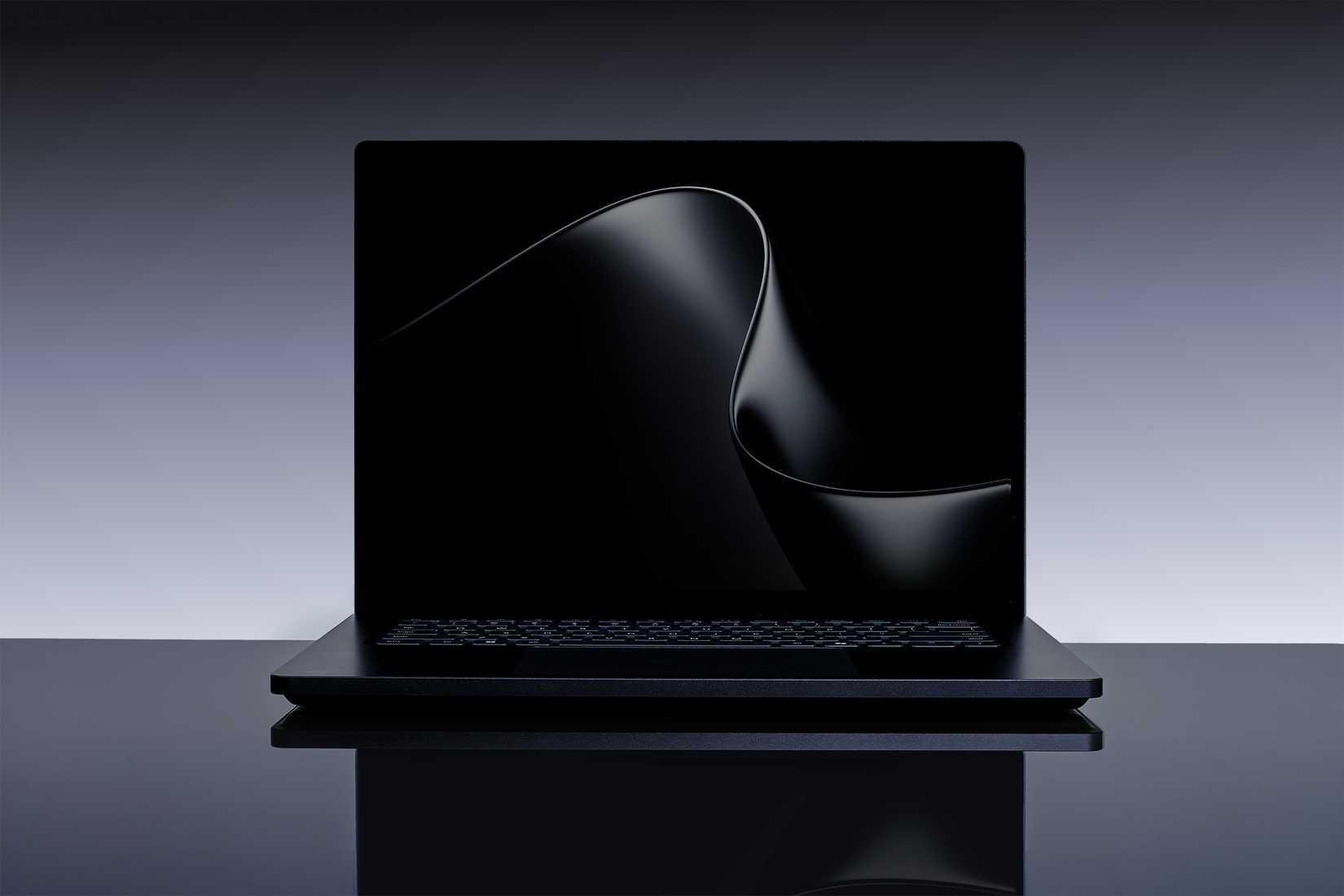
The design ethos, summarized by the mantra "Nothing wasted. Everything intentional," is evident in the chassis. While it bears a striking resemblance to the recently unveiled 8th-generation Surface Laptop for business, the Ultra differentiates itself through its aggressive internal optimization. The device features a 15-inch mini-LED PixelSense Ultra touchscreen, boasting a peak HDR brightness of 2,000 nits and a sharp 262 pixels-per-inch (ppi) density.
Beyond the display, Microsoft has implemented an expansive haptic touchpad, significantly larger than any previous iteration in the Surface lineup. Despite the added power of the RTX Spark architecture, the device maintains a manageable weight of 4.5lbs, positioning it as a premium "workstation-lite" that balances portability with desktop-class performance.
Chronology of a Silicon Revolution
The journey to the Surface Laptop Ultra is a decade-long saga of experimentation. To understand the significance of this launch, one must look at the historical trajectory of Microsoft’s Arm ambitions:
- 2012: Microsoft introduces the Surface RT, utilizing Nvidia’s Tegra mobile chips. While the hardware was innovative, the Windows RT operating system failed to gain traction due to a lack of legacy app support.
- 2017–2024: Microsoft pivots to a long-term partnership with Qualcomm, utilizing the Snapdragon processor line to gradually refine the Windows on Arm experience.
- 2025 (Early): Rumors begin to circulate regarding "Project N1," a mysterious high-performance Arm chip being developed by Nvidia to compete in the Windows laptop space.
- June 1, 2026: Microsoft officially announces the Surface Laptop Ultra, marking the formal integration of the Nvidia RTX Spark into the consumer Surface flagship.
This evolution highlights a strategic pivot. By bringing Nvidia back into the fold, Microsoft is leveraging the graphics giant’s prowess in AI and parallel processing—areas where Nvidia has dominated the data center and gaming markets for years.
Technical Specifications and Performance Expectations
While Microsoft has not yet disclosed the full technical datasheet, the information currently available paints a picture of a machine built for power users, creators, and developers.
The RTX Spark Architecture
The RTX Spark is not merely a mobile processor; it is an integrated system-on-a-chip (SoC) designed specifically for Windows. By focusing on AI acceleration and high-efficiency core management, the chip is designed to handle "all-day battery life" while simultaneously driving demanding creator workloads.
Connectivity and Expansion
Despite the industry-wide trend of stripping away ports, the Surface Laptop Ultra remains surprisingly robust. The chassis includes:

- 3 USB-C ports (speeds yet to be confirmed)
- 1 USB-A port
- Dedicated SD card slot (a nod to content creators)
- Full-sized HDMI port
- 3.5mm headphone jack
Software Optimization: A Collaborative Effort
Perhaps more important than the hardware is the software stack. Microsoft has confirmed that the RTX Spark is optimized for a wide array of high-end software. Through deep collaboration, the following applications are verified to run natively and with hardware acceleration:
- Adobe Creative Suite: Full optimization for heavy video and image rendering.
- Affinity Suite: Targeted performance boosts for design workflows.
- Development Tools: Native support for Claude Code and GitHub Copilot, signaling that Microsoft is targeting the professional developer demographic.
- Gaming: The inclusion of the Xbox app and the Epic App, suggesting the RTX Spark is more than capable of handling modern gaming titles.
Official Responses and Strategic Shifts
The Surface Laptop Ultra is not an isolated product launch; it is the centerpiece of a broader strategy. Over the past few years, Microsoft has ruthlessly pruned its hardware portfolio. The discontinuation of the Surface Book, the Surface Hub, the Surface Duo, and the Surface Laptop Studio was not a sign of retreat, but of consolidation.
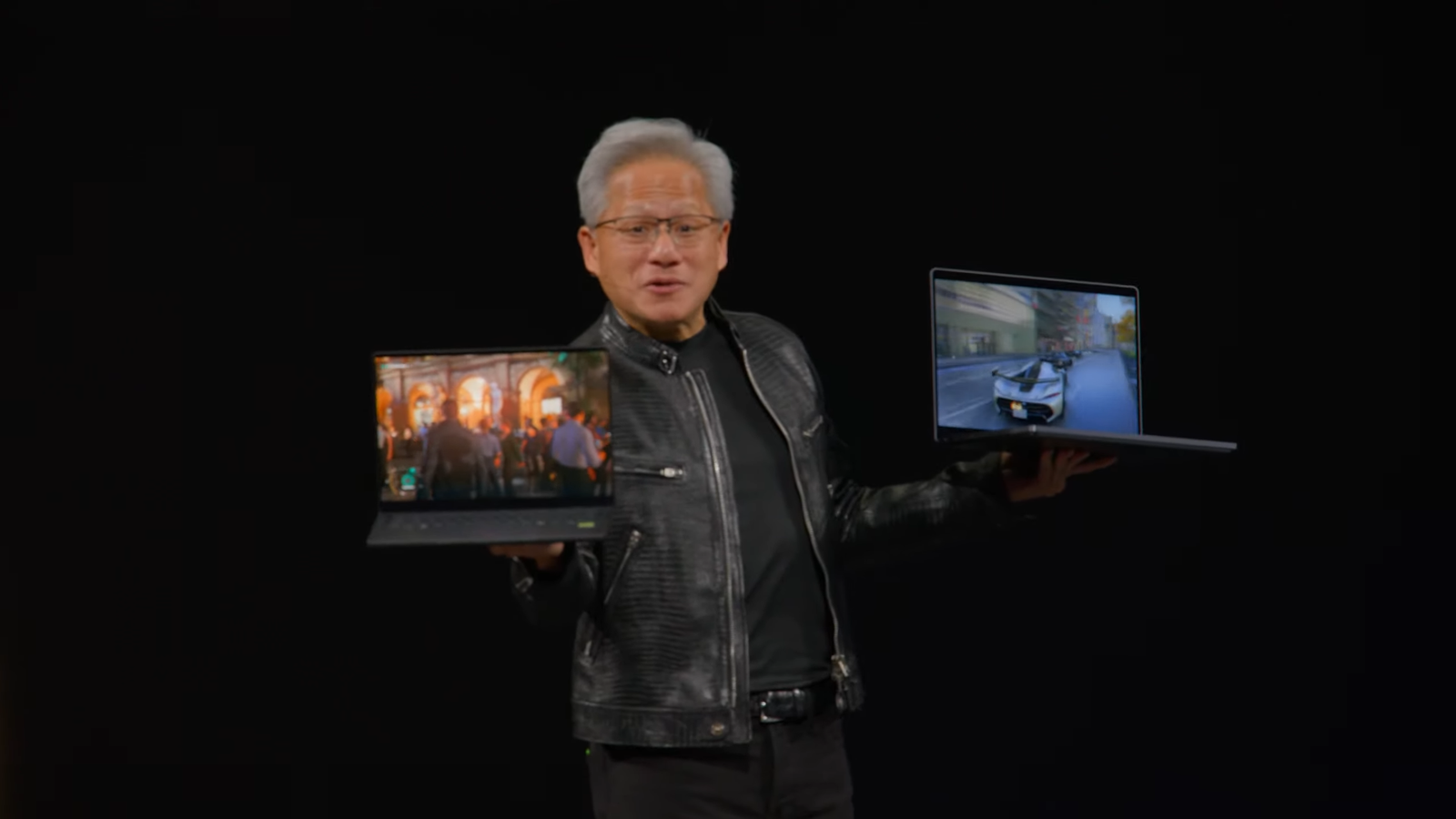
By focusing on a more streamlined lineup, Microsoft is attempting to reclaim the "premium Windows" narrative from Apple’s M-series MacBooks. Industry observers note that the RTX Spark chip is already being courted by major OEMs, including Asus, Dell, HP, and Lenovo. This confirms that Nvidia’s reentry into the PC space is a foundational move for the entire Windows ecosystem, not just a one-off experiment for Microsoft.
Implications for the Industry
The launch of the Surface Laptop Ultra and the RTX Spark chip has profound implications for the future of computing:
1. The Death of x86 Exclusivity
For decades, the "Wintel" alliance between Windows and Intel defined the PC. With the rise of the Snapdragon X series and now the Nvidia RTX Spark, the x86 architecture is facing its stiffest competition since the 1990s. The efficiency gains of Arm-based chips—lower thermals, better battery life, and integrated AI cores—are becoming too significant for the market to ignore.
2. The AI-PC Era
Nvidia’s involvement suggests that AI workloads will be processed locally on the laptop rather than in the cloud. The RTX Spark is built to handle complex generative AI tasks, from real-time video upscaling to automated code completion, with a level of local latency that cloud-based solutions cannot match.
3. Consolidation of the "Ultra" Market
By retiring older form factors and focusing on the "Ultra" branding, Microsoft is signaling a return to its roots: creating the "gold standard" reference device for Windows. If the Surface Laptop Ultra succeeds, it provides a blueprint for other manufacturers to follow, potentially leading to a new golden age of Windows laptop design.
Conclusion: A New Horizon
As we look toward the fall release of the Surface Laptop Ultra, the market finds itself at a crossroads. Microsoft’s decision to move forward with the RTX Spark chip is a bold bet on the efficiency and performance of Arm architecture.
The success of this device will likely be measured by the seamlessness of its application compatibility and the tangible performance delta it offers over existing x86 machines. While pricing remains a mystery, the message from Redmond is clear: the era of the "traditional" laptop is over. In its place, we are seeing the birth of a new, highly optimized, and AI-centric computing platform that intends to challenge the status quo on every level. Whether the market is ready for a fundamental shift in how Windows hardware is built remains to be seen, but the Surface Laptop Ultra has undoubtedly set the stage for a dramatic year in technology.












No comments yet. Be the first to join the conversation!