Dwi Wanna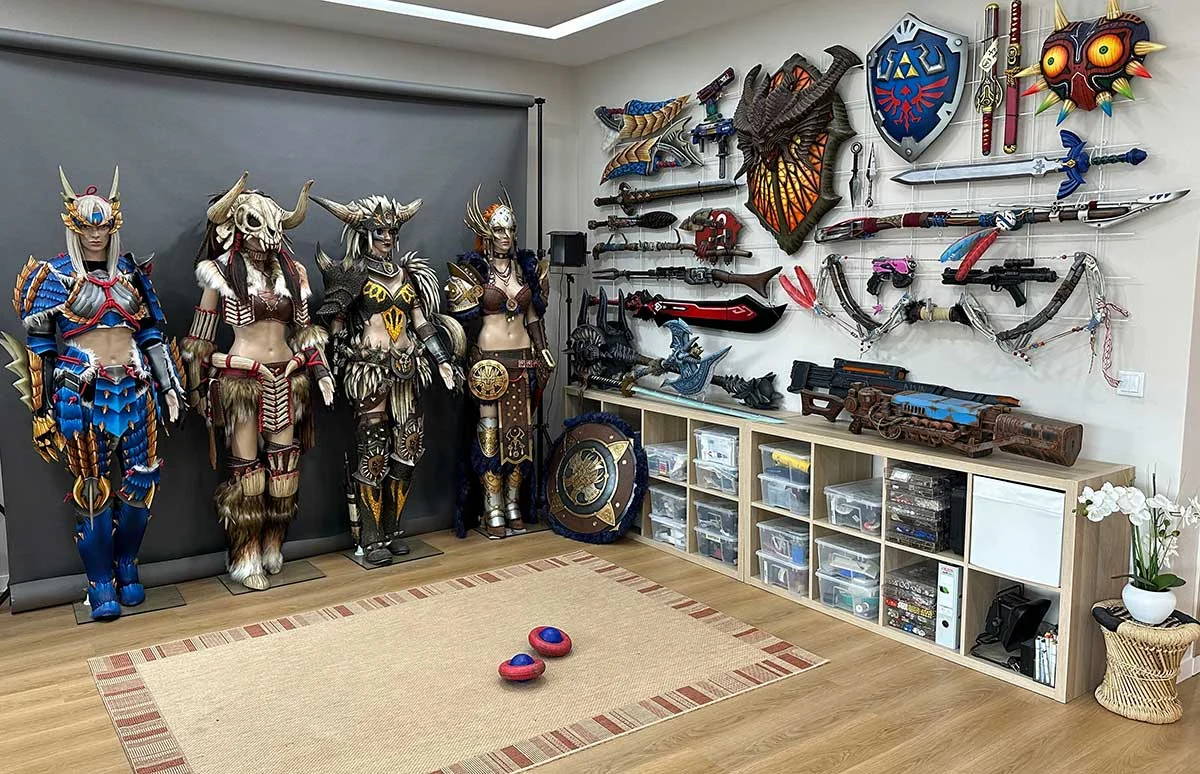
For the professional artist, the environment in which they create is just as critical as the materials they manipulate. For world-renowned cosplayers Benni and Svetlana—collectively known as Kamui Cosplay—the transition from a traditional Bavarian workshop to a sun-drenched studio in Madeira, Portugal, represents more than just a change of scenery. It is a strategic evolution of their professional practice, designed to mitigate burnout, streamline production, and foster long-term artistic sustainability.
The Catalyst for Change: Seeking Sunshine and Simplicity
The decision to relocate was not made lightly. For years, the duo operated out of their home base in Germany, building an empire of intricate EVA foam armor, elaborate fabric costumes, and iconic props. However, as the demands of their self-employed status grew, so did the friction between their creative output and their living conditions.

The primary driver for the move was a combination of environmental and administrative fatigue. The harsh German winters and the persistent lack of sunlight had taken a measurable toll on Svetlana’s mental well-being, leading to periods of severe depression. Furthermore, the relentless weight of German bureaucracy—often characterized by time-consuming paperwork that diverted energy away from their art—became increasingly unsustainable. As the couple noted, the time spent managing administrative hurdles was beginning to eclipse the time spent on the passion that defined their careers. Seeking a climate ranked among the best in the world for year-round consistency, they set their sights on the Portuguese archipelago of Madeira.
A Chronology of Relocation: From Logistics to Layout
Relocating a professional-grade cosplay studio is a logistical undertaking that rivals the construction of the props themselves. The move required the transport of years of collected assets: mannequins, heavy-duty machinery, specialized tools, and a vast inventory of materials.
The Great Migration
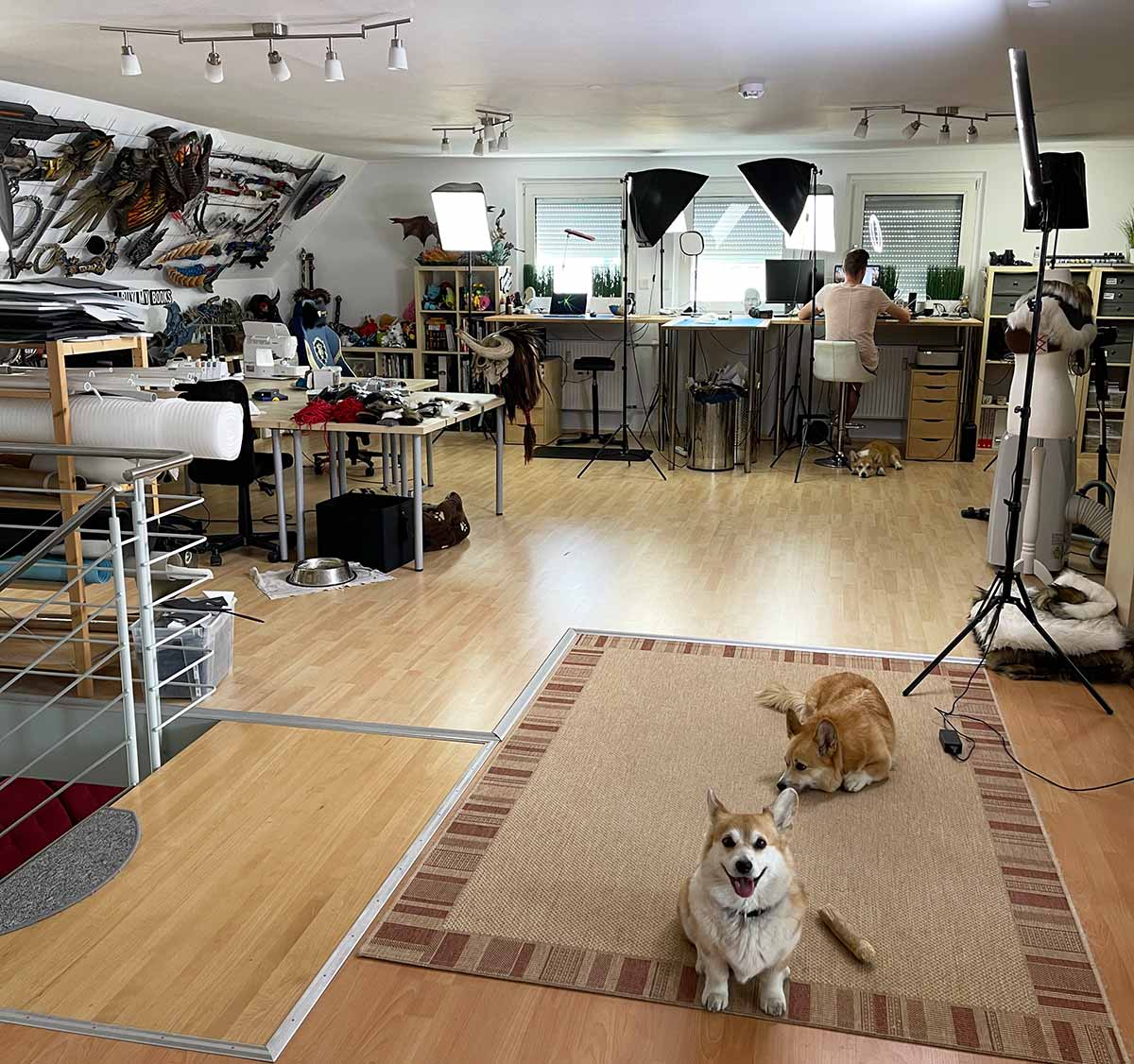
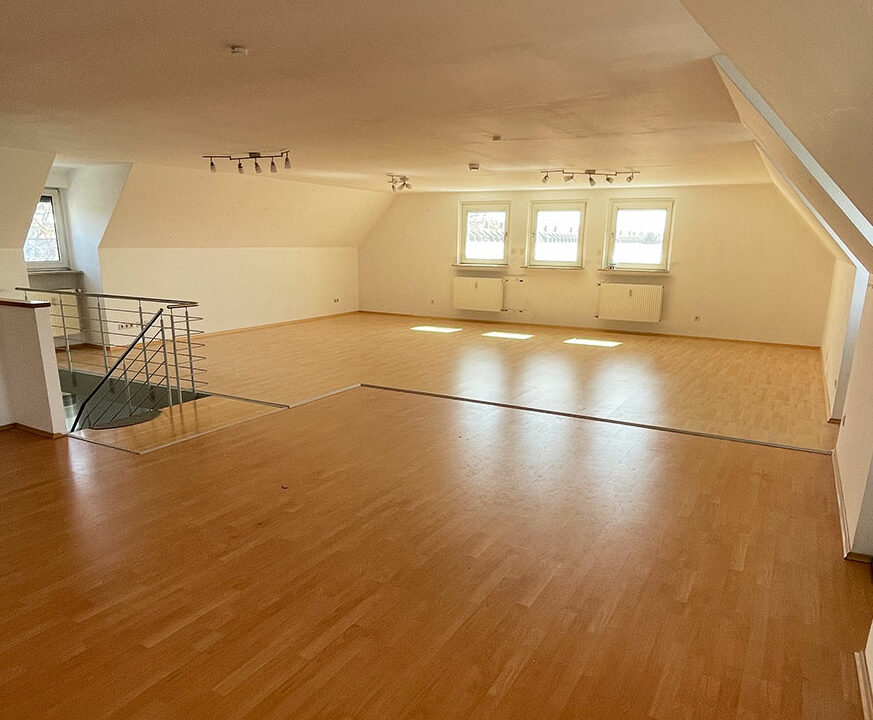
After deciding to make the leap, the couple faced the daunting reality of moving their life’s work across the continent and over the ocean. This required hiring professional shippers and securing a dedicated container for their equipment. Upon arrival in Madeira, the priority was finding a space that could accommodate the unique needs of two full-time creators. They eventually settled on a residence with a large, open-concept living area. In a tactical swap, they designated the living room as their primary studio, opting to convert the master bedroom into their living quarters—a testament to prioritizing professional workflow over traditional domestic layout.
Blueprinting for Productivity
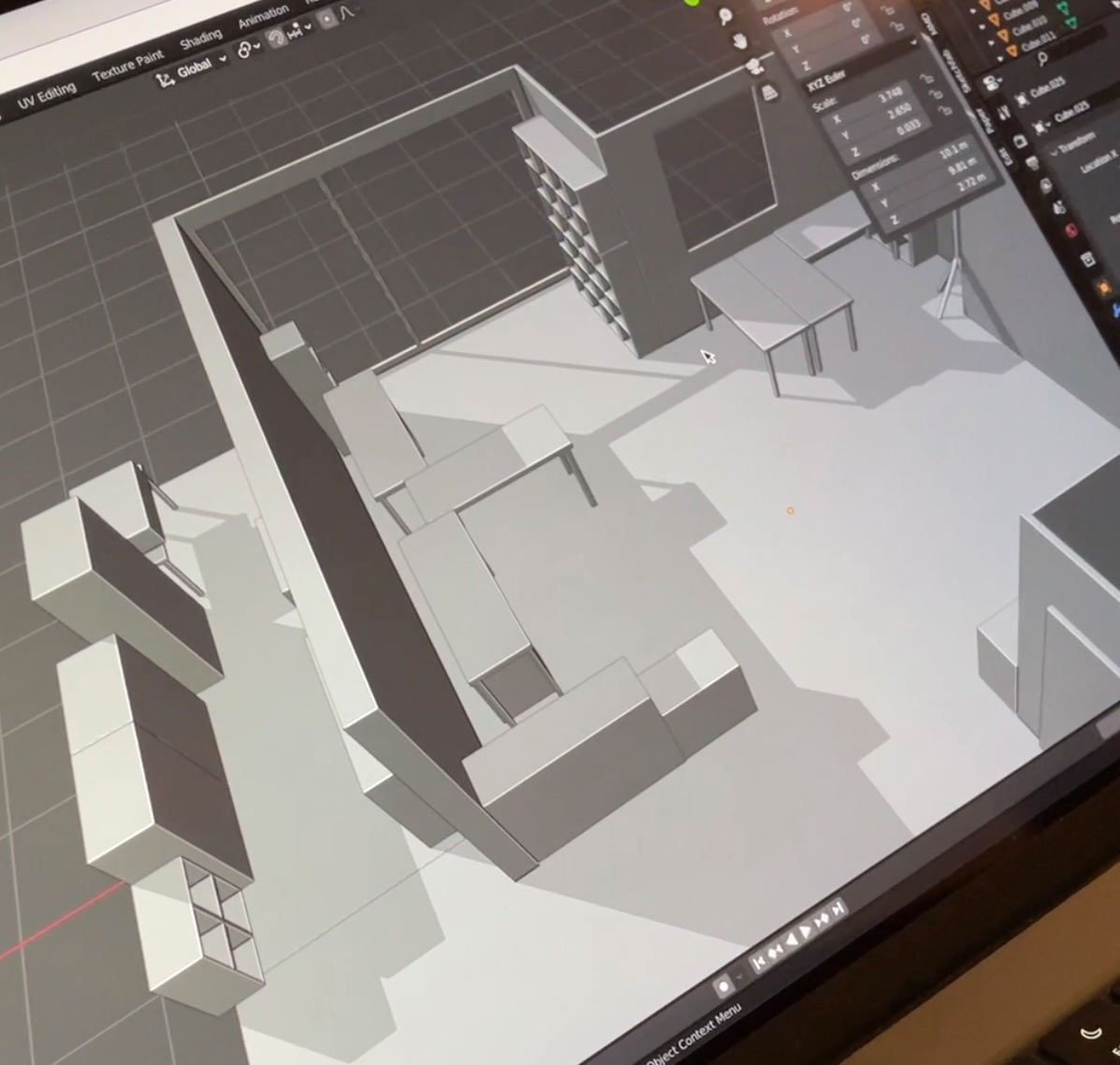
Before a single tool was moved, the couple utilized Blender—the 3D modeling software they already use for prop design—to draft their new workspace. By inputting the exact dimensions of the rooms, they were able to stress-test their furniture placement. They split the studio into two distinct zones:
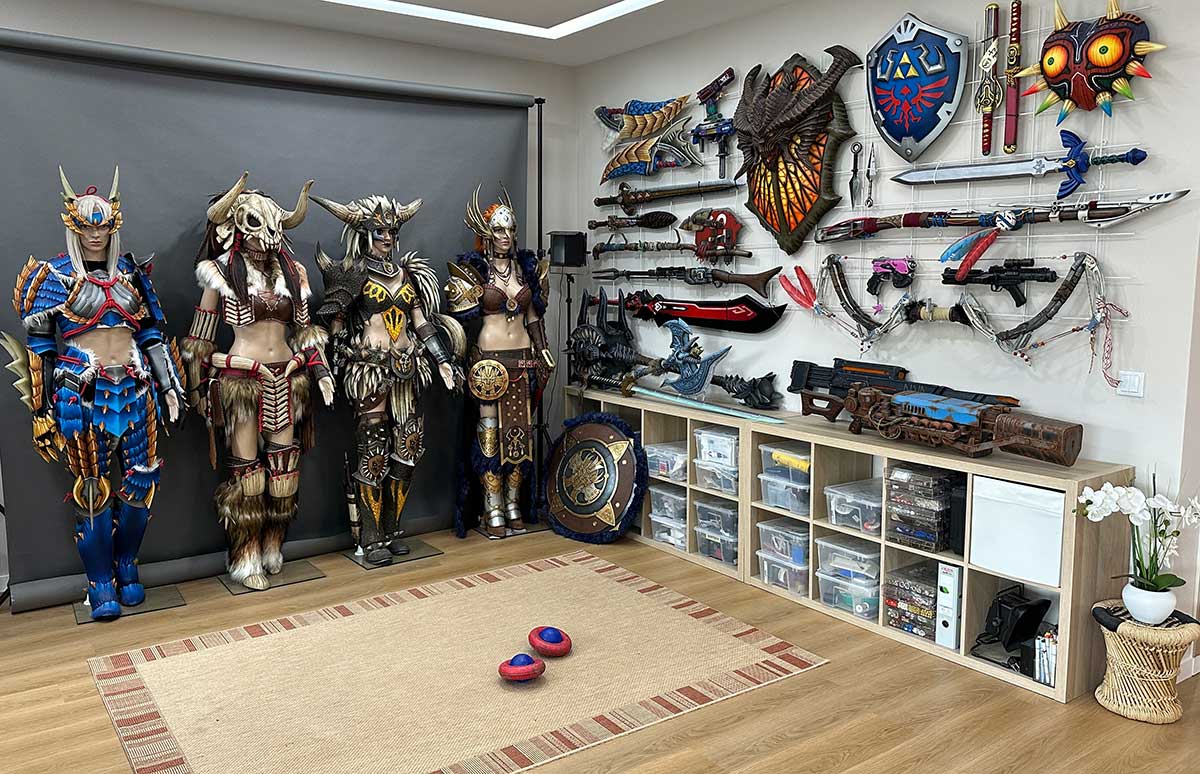
- The Creative Zone: A spacious, aesthetic area designed for filming high-quality YouTube tutorials, showcasing finished props, and documenting progress.
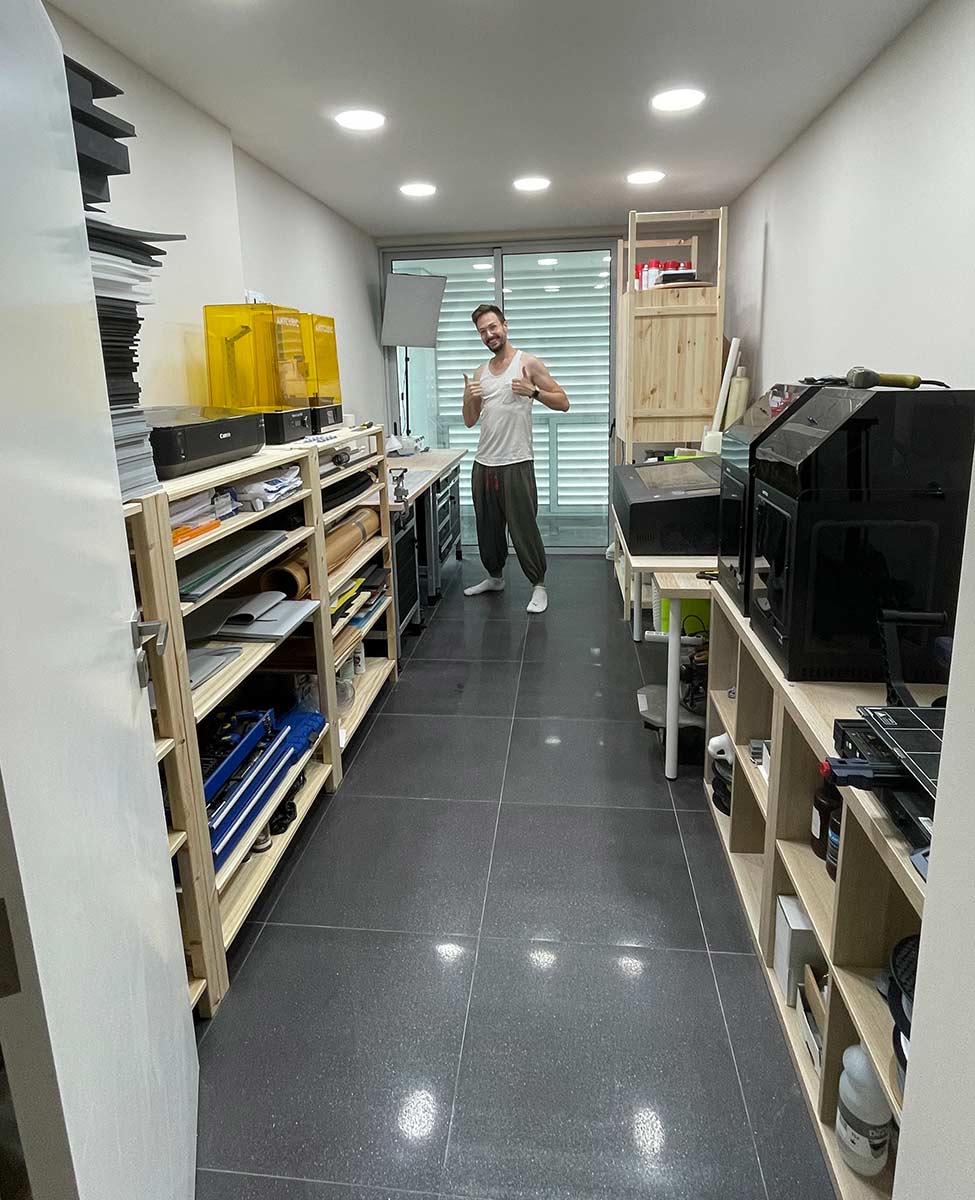
- The Technical Zone: A separate, smaller room dedicated to “dirty” tasks. By isolating activities like 3D printing, airbrushing, and sanding, they effectively managed toxic fumes and dust, keeping their primary living and filming spaces pristine.
Supporting Data: Strategies for Workshop Optimization
The success of the new studio is predicated on lessons learned over two decades of professional crafting. The couple emphasizes that a workshop does not need to be cavernous to be effective; it needs to be intentional.
The Role of Modular Furniture
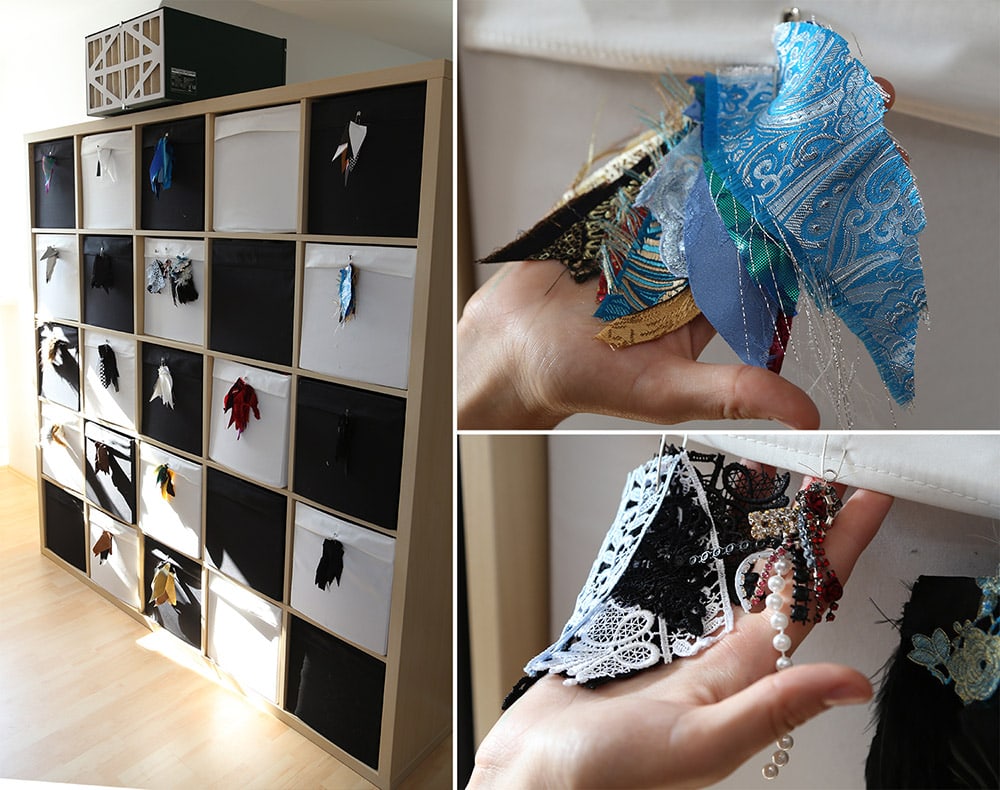
For storage, the couple advocates for the “IKEA model,” specifically highlighting the Kallax and Ivar systems. The modular nature of these units allows for scaling as a collection grows. Kallax units are utilized for heavy display items and fabric organization, while the more utilitarian Ivar shelves are preferred for bulkier materials like rolls of EVA foam and thermoplastics. This accessibility is key: if a tool or material is hidden, it is effectively non-existent.
The Art of Letting Go
A significant portion of the workshop transition involved an audit of their inventory. Cosplayers are notoriously prone to "hoarding" materials, fearing that a specific scrap or half-used bottle of paint might be needed for a future, unforeseen project. To combat this, the couple adopted a policy of radical curation. Excess fabrics and materials that had not been used in years were donated to local cosplay and crafting clubs. This not only cleared physical space but also contributed to the local crafting community, ensuring that materials found a second life rather than ending up in a landfill.
Official Perspectives: The Philosophy of the Craft
In discussing their move and the philosophy behind their studio setup, the Kamui Cosplay team offers insights that serve as a blueprint for any artist—professional or amateur.
The 20-Year Evolution
"Crafting is a journey," Svetlana notes. It is a sentiment that underscores the reality of professional development. Their current, highly optimized setup is the result of two decades of trial and error. Their first "workshop" was a mere corner of a shared room; it took years of iterative growth to reach a point where they could justify and utilize professional-grade machinery. By documenting their history, they remind their audience that every expert started with minimal space and limited tools.
Inventory Management Techniques
To maintain their current high output, the couple employs a rigorous organizational system:
- Translucent Storage: Using transparent boxes for small parts allows for immediate visual identification.
- Sample Libraries: By keeping physical swatches of all fabrics in their inventory, they can verify what they have at a glance, preventing redundant purchases and keeping their supply costs down.
- Specialized Adhesive Stocks: Maintaining a steady supply of industry-standard materials, such as Gütermann HT2 for fabrics and industrial contact cement for EVA foam, ensures that production never halts due to a lack of core consumables.
Implications: The Future of the Creative Workspace
The move to Madeira marks a pivot toward a more sustainable model of creative labor. By prioritizing mental health through climate, simplifying administrative overhead, and designing a space that physically separates creative inspiration from industrial labor, the duo has set a new standard for what a professional cosplay studio can look like.
Professional Considerations
For those considering their own studio renovations, the key takeaway is the importance of digital planning. Using 3D modeling tools to map out a space before purchasing furniture prevents the common pitfalls of overcrowding and poor flow. Moreover, the decision to outsource "dirty" tasks to a ventilated, secondary space is a vital consideration for anyone working with resins, aerosols, or plastics.
A Call to the Community
As they settle into their new environment, the couple remains committed to the educational aspect of their brand. Through their ongoing YouTube content and detailed guides, they continue to demystify the professional side of cosplay. Their journey serves as a reminder that the "dream studio" is not a destination, but an ongoing project that grows in lockstep with the artist’s skills and needs.
As they conclude their transition, Benni and Svetlana invite their followers to reflect on their own creative spaces. The question remains: how much of your environment is serving your art, and how much is merely cluttering your path? For Kamui Cosplay, the answer is clear—by curating their surroundings, they have cleared the way for the next two decades of creativity.


 Siti Muinah
 Azzam Bilal Chamdy