Jia Lissa
It is a rare phenomenon in Hollywood when a high-concept, $180 million studio blockbuster manages to balance the frantic, hyper-kinetic energy of a Jerry Bruckheimer production with the intimate, soulful vulnerability of a character study. Yet, that is precisely the tightrope walked by Tony Scott’s 2006 sci-fi thriller, Déjà Vu. Nearly two decades after its release, the film remains an outlier—a mind-bending, technically audacious exploration of love, loss, and the nature of time that stands as one of the most underrated entries in the Denzel Washington and Tony Scott collaborative canon.
The Premise: A High-Stakes Collision of Genres
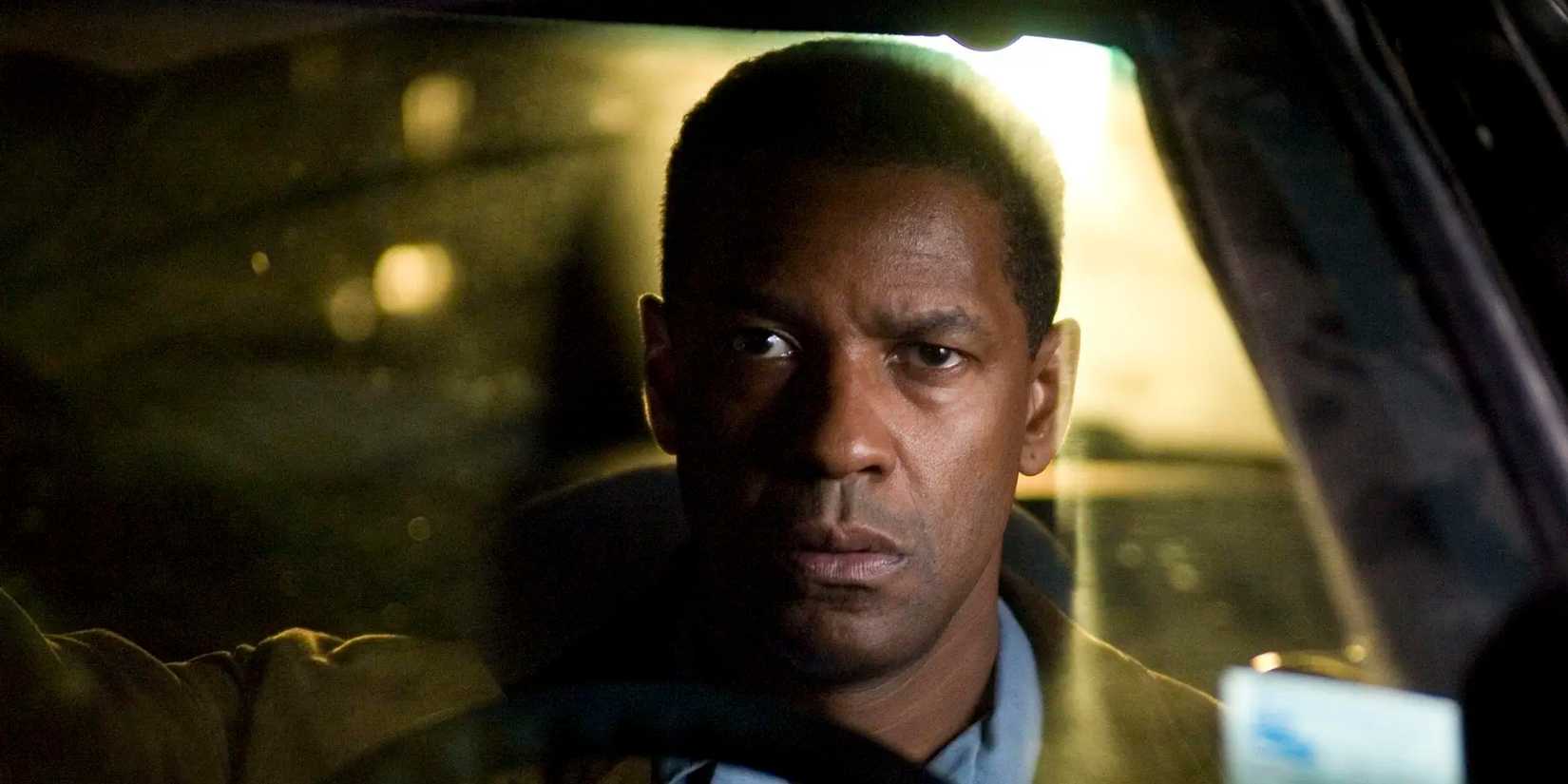
At its core, Déjà Vu is a hybrid of a police procedural and speculative science fiction. The narrative begins with a horrific domestic terrorist attack: a ferry bombing in New Orleans that claims the lives of hundreds. As ATF agent Doug Carlin (Denzel Washington) arrives on the scene to lead the investigation, he is drawn to an anomaly—the body of a woman, Claire Kuchever (Paula Patton), whose death seems to precede the actual explosion.
What follows is not merely a "whodunit," but a "when-did-it-happen" puzzle. Carlin is recruited by a clandestine government unit utilizing a surveillance technology called "Snow White," which allows operators to observe the past—but only four days, six hours, and three minutes into the past. This isn’t time travel in the traditional sense; it is a voyeuristic, non-interactive window into history. However, as Carlin becomes increasingly obsessed with the tragic life and death of Claire, the film’s scientific boundaries begin to blur, evolving into a desperate, metaphysical race to alter the trajectory of fate.
Chronology of a Masterpiece
The production history of Déjà Vu is as complex as its plot. Developed by screenwriters Terry Rossio and Bill Marsilii, the script went through significant iterations before landing on Tony Scott’s desk. Scott, coming off the visceral success of Man on Fire (2004), was looking to push his stylistic boundaries.

- Pre-Production: The film was green-lit with an ambitious budget, reflecting the studio’s confidence in the pairing of Washington and the producer-director team of Jerry Bruckheimer and Tony Scott.
- The Post-Katrina Context: Filming in New Orleans in the immediate aftermath of Hurricane Katrina added a haunting, somber weight to the production. The city was not just a set; it was a character grieving in real-time, providing an authentic layer of devastation that permeates every frame of the opening act.
- Release and Reception: Released in late November 2006, the film arrived during a crowded season. While it performed respectably, grossing over $180 million globally, critics were initially divided on its structural complexity. It was only in the years that followed, as audiences revisited the film on home media, that its reputation shifted from a "solid action movie" to a "cult-classic sci-fi masterpiece."
The Technical Craftsmanship of Tony Scott
To understand the brilliance of Déjà Vu, one must understand the evolution of Tony Scott’s visual language. By 2006, Scott had perfected a technique involving "fractured" editing, multiple film stocks, and high-saturation color palettes. In Déjà Vu, these stylistic choices serve a narrative purpose. The film is about the perception of time, and by layering images—often showing multiple angles of the same moment or blending the present with the past through surveillance monitors—Scott forces the audience to experience the same cognitive dissonance as his characters.
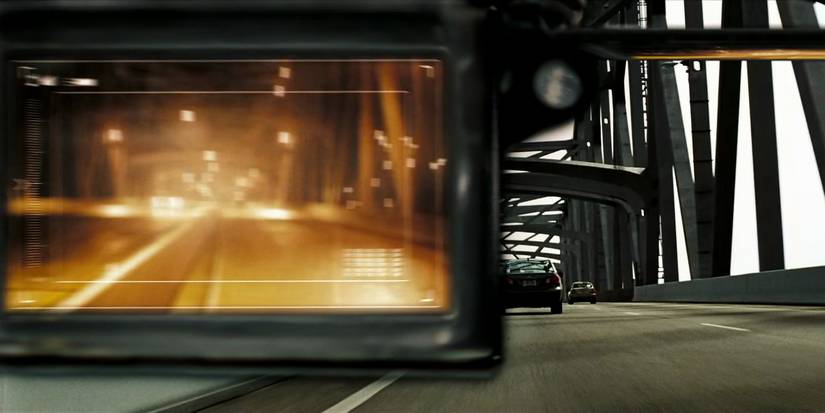
The centerpiece of this technical mastery is the infamous "split-timeline" car chase. In this sequence, Carlin drives through the streets of New Orleans while wearing a pair of futuristic goggles that show him the past. He is physically navigating the present while reacting to events that occurred four days earlier. The editing is dizzying, intercutting between the two timelines in a way that feels like a fever dream. It is, without hyperbole, one of the most inventive action sequences in the history of cinema. It transcends simple car chases by adding a layer of psychic burden; Carlin isn’t just chasing a suspect—he is chasing a ghost, trying to synchronize his reality with a past that is rapidly slipping away.
Supporting Data and Thematic Implications
While many science fiction films focus on the "how" of time travel, Déjà Vu is preoccupied with the "why." The film’s scientific "rules" are flimsy, serving more as a catalyst for emotional stakes than a rigorous hard-science explanation. However, this is precisely where the film succeeds.
The data points of the film—the specific timing of the surveillance, the mechanics of the "window," and the physics of the bridge sequence—are all designed to support a singular emotional arc: the profound sense of longing. Washington, playing against the cold, clinical nature of the technology, delivers a performance of quiet, desperate humanity. When he realizes that the only way to save Claire is to leave the present behind entirely, the film pivots from a thriller to a tragic, romantic epic.

The implications of the film’s conclusion remain a point of discussion among fans. Does the film suggest a multiverse? A predestination loop? Or is it a commentary on the power of individual agency to override the cold machinery of fate? By refusing to provide a neat, scientific explanation, Scott invites the audience to participate in the mystery.
The Legacy of a Director
The tragic death of Tony Scott in 2012 left a void in the landscape of action cinema. While his brother, Ridley Scott, is frequently lauded for his grand, sweeping epics, Tony was the master of the "human" machine. He understood that a movie was only as good as the pulse of its characters.
In Déjà Vu, Scott found a perfect vehicle for his interests. The film feels like a farewell to the medium—a work that is deeply concerned with the way we look at images, the way we remember the past, and the way we attempt to fix the unfixable. The film serves as a testament to his ability to blend the high-octane excitement of a blockbuster with a genuine, heartbreaking sensitivity.
Official and Critical Perspectives
Upon its 20th anniversary, the film has undergone a significant critical reappraisal. Contemporary critics have noted that Déjà Vu feels more relevant in the modern era of "prestige sci-fi." Where many modern blockbusters rely on CGI to create scale, Déjà Vu relied on the chemistry between Washington and Patton and the sheer audacity of Scott’s editing.
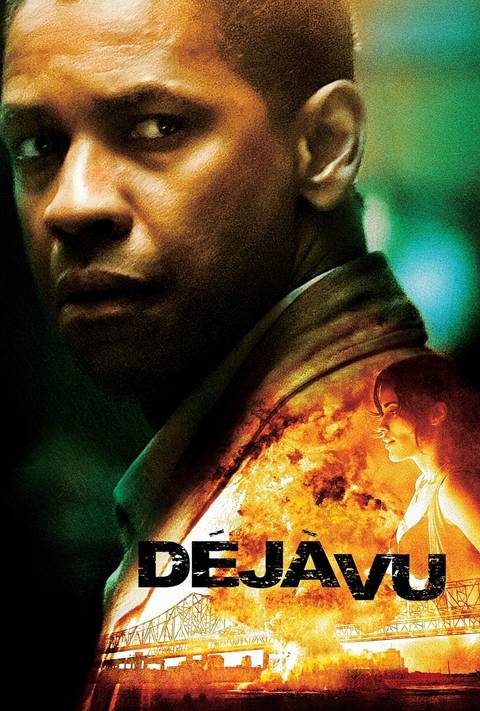
The "official" consensus, as reflected by modern audience scores and retrospective essays, is that the film is a misunderstood gem. It challenged the audience’s intelligence in a way that few studio films dare to do today. It is a film that demands to be watched, rewound, and analyzed, much like the surveillance footage that obsesses the protagonist.
Why ‘Déjà Vu’ Remains Essential Viewing
If you are a fan of cerebral science fiction, Déjà Vu is non-negotiable. It is a film that rewards repeated viewings; each time you watch, you catch a new detail in the background—a blink-and-you-miss-it frame that hints at the circular nature of the story.
The film stands as a reminder that a blockbuster doesn’t need to be shallow. It can be loud, fast, and expensive, while still holding a mirror up to the human condition. It captures a moment in time—the mid-2000s, the lingering trauma of a post-9/11 world, and the final peak of a director who truly understood the power of the camera lens.
As we look back at the landscape of 21st-century cinema, Déjà Vu remains a singular, shimmering anomaly. It is, in the truest sense of the word, a film you feel like you’ve seen before, yet one that always manages to reveal something entirely new upon your return. If you haven’t revisited this time-bending masterpiece, now is the time to step through the window and see it for yourself.


 Lina Hope
 Raul Delapena Setiawan