Azzam Bilal Chamdy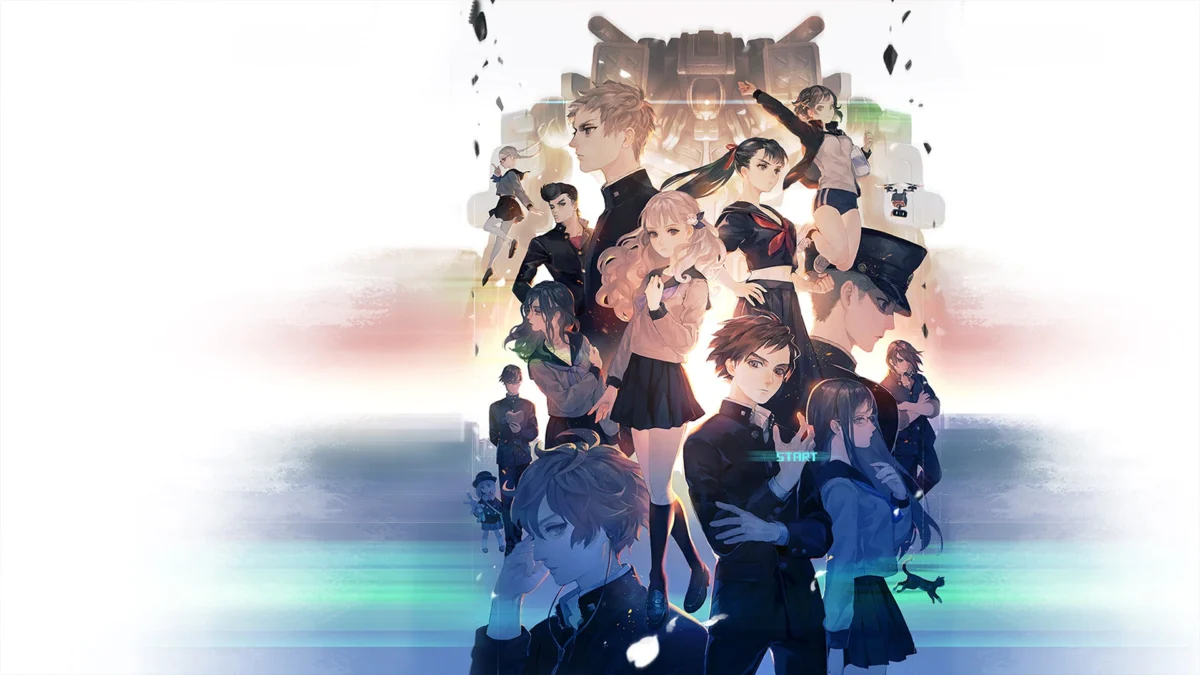
For nearly two decades, the Japanese studio Vanillaware has occupied a unique, almost mythic space in the gaming industry. Renowned for its distinctive, painterly 2D art style, intricate mechanical systems, and deeply emotional storytelling, the studio has cultivated a fiercely loyal following. Titles such as Odin Sphere, Dragon’s Crown, 13 Sentinels: Aegis Rim, and Unicorn Overlord are frequently cited as masterpieces of their respective genres. Yet, for the growing segment of the gaming community that exclusively utilizes PC hardware, these titles have remained frustratingly out of reach.
That narrative, however, has recently shifted. With the long-awaited announcement that Muramasa: The Demon Blade is finally heading to PC as an expanded 4K edition, the question has naturally evolved from "Why won’t they bring their games to PC?" to "What is preventing the rest of the library from following suit?"
The Main Facts: Bridging the PC Divide
The news of Muramasa: The Demon Blade transitioning to PC has acted as a catalyst for a broader conversation regarding Vanillaware’s publishing philosophy. For years, the prevailing assumption among fans was that Vanillaware—led by the visionary George Kamitani—held an ideological opposition to the PC platform. This belief was bolstered by the studio’s historical focus on console-first development and the occasional comment from publishers regarding exclusivity agreements.
However, recent insights have dismantled this misconception. James Mielke, an industry veteran and the founder of the BitSummit indie game festival, recently shared direct correspondence from George Kamitani on social media platform Bluesky. The revelation was stark: Vanillaware is not the bottleneck. The studio has a profound desire to see its catalog ported to PC, but they are tethered to the financial and logistical decisions of their various publishing partners.
A Chronology of Artistic Excellence and Platform Limitation
To understand the significance of this development, one must look at the trajectory of Vanillaware’s output. Since its inception in 2002 (as Puraguru, later reincorporated as Vanillaware), the studio has been defined by a commitment to high-fidelity 2D artistry that pushes the hardware of its time to its absolute limits.
- 2007: Odin Sphere (PlayStation 2): A sprawling, Shakespearean epic that solidified the studio’s reputation for lush, hand-drawn visuals.
- 2009: Muramasa: The Demon Blade (Wii): A high-octane action RPG set in feudal Japan. It became a cult classic, celebrated for its fluid combat and vibrant color palette.
- 2013: Dragon’s Crown (PS3/PS Vita): A genre-defining brawler that blended RPG progression with co-op action, further cementing the studio’s aesthetic signature.
- 2019: 13 Sentinels: Aegis Rim (PS4/Switch): A monumental achievement in narrative design, blending real-time strategy with a non-linear sci-fi mystery. It remains one of the most critically acclaimed titles in the studio’s history.
- 2024: Unicorn Overlord (Multi-console): A tactical RPG that revitalized the genre, showcasing the studio’s ability to refine complex systems into accessible, addictive loops.
Throughout this timeline, the platform availability remained strictly tethered to the consoles of the day. While other Japanese developers like Sega, Capcom, and Square Enix pivoted aggressively toward the PC market via Steam, Vanillaware remained an island. The recent pivot to bring Muramasa to PC serves as a precedent, proving that technical feasibility is no longer the primary hurdle.
Supporting Data: The Publisher-Developer Dynamic
In the modern gaming landscape, the relationship between a developer and a publisher is often the decisive factor in platform availability. While Vanillaware creates the software, companies like Atlus, Marvelous, and NIS America manage the distribution, funding, and marketing.
In the case of Unicorn Overlord, for instance, Atlus explicitly stated during the game’s release cycle that their contractual agreement with Vanillaware focused solely on console deployment. This created a perception that Vanillaware was uninterested in the PC market. However, Mielke’s clarification confirms that the studio’s stance is one of "eager cooperation" rather than "active resistance."
The economic reality is that porting a game—even a 2D title—requires significant investment. It is not merely a matter of "flipping a switch." It involves ensuring compatibility with a vast array of PC hardware, implementing high-resolution support, remapping controls for keyboard and mouse, and managing digital storefront logistics. If a publisher deems that the return on investment for a PC port does not meet their internal metrics, the project is shelved, regardless of the developer’s creative wishes.
Official Responses and Clearing the Air
The confusion regarding Vanillaware’s intentions reached a fever pitch following the release of Unicorn Overlord. When reports surfaced that the developers had no plans for a PC version, many fans internalized this as a statement of intent from the studio itself.
James Mielke’s intervention was instrumental in correcting this record. By stating, "I asked Vanillaware’s George Kamitani why he hasn’t put his other games on PC and he said he totally wants to, but it’s up to the publisher to finance the ports," he provided a definitive answer to the community. He further emphasized that the "reports were wrong" regarding the studio’s supposed anti-PC sentiment.
This transparency shifts the burden of advocacy. If the developers are willing, the conversation now centers on market demand. Publishers are notoriously data-driven; they respond to clear, quantifiable evidence that a product will be profitable.
The Implications: What Comes Next?
The implications of this revelation are significant for the PC gaming community. If the bottleneck is indeed financial and publisher-controlled, then the path forward is through the democratization of consumer demand.
1. The Power of Public Discourse
Publishers monitor social media sentiment, wishlist trends, and engagement metrics. When a community makes a concerted effort to express interest, it provides the "business case" for a publisher to greenlight a port. This is not about harassment or "review bombing," but rather about constructive visibility.
2. The Muramasa Precedent
The success or failure of the upcoming Muramasa: The Demon Blade PC edition will likely serve as a litmus test. If the port performs well commercially, it provides empirical evidence to publishers (such as Atlus or Marvelous) that Vanillaware’s back catalog has a viable, untapped revenue stream on the PC platform.
3. The Future of Preservation
Beyond commercial success, there is the critical issue of game preservation. Many of Vanillaware’s earlier titles, such as Dragon’s Crown or the original Odin Sphere, are becoming increasingly difficult to play as older hardware degrades. Bringing these titles to PC is an essential step in ensuring that one of the most distinct art styles in gaming history remains accessible to future generations of players.
4. Technical Hurdles and Artistic Integrity
One of the reasons Vanillaware’s games are so visually striking is their precise, hand-drawn nature. Transitioning these assets to higher resolutions, as seen with the 4K Muramasa project, requires a level of craftsmanship that respects the original vision. If publishers do decide to fund these ports, they must do so with a commitment to maintaining the artistic integrity that defines the studio.
Conclusion: A Call for Constructive Advocacy
Vanillaware stands at a crossroads. The studio has proven that its creative output is timeless, but it remains trapped by the constraints of legacy publishing models. The revelation that George Kamitani is open to the PC platform changes everything. It transforms a "closed door" scenario into an "open door" negotiation.
For fans, the message is clear: the developers are on your side. If you want to see the sprawling, tactical depth of Unicorn Overlord or the narrative complexity of 13 Sentinels: Aegis Rim on your Steam Deck or high-end desktop, the path forward is through continued, respectful engagement. Whether through formal inquiries, social media advocacy, or simply supporting the upcoming Muramasa release, the community now holds the key to unlocking one of gaming’s most precious, locked-away libraries.
The industry is listening—but it is up to the players to ensure that the message is heard loud and clear: Vanillaware belongs on the PC.


 Asro
Asro
 Muslim