Azzam Bilal Chamdy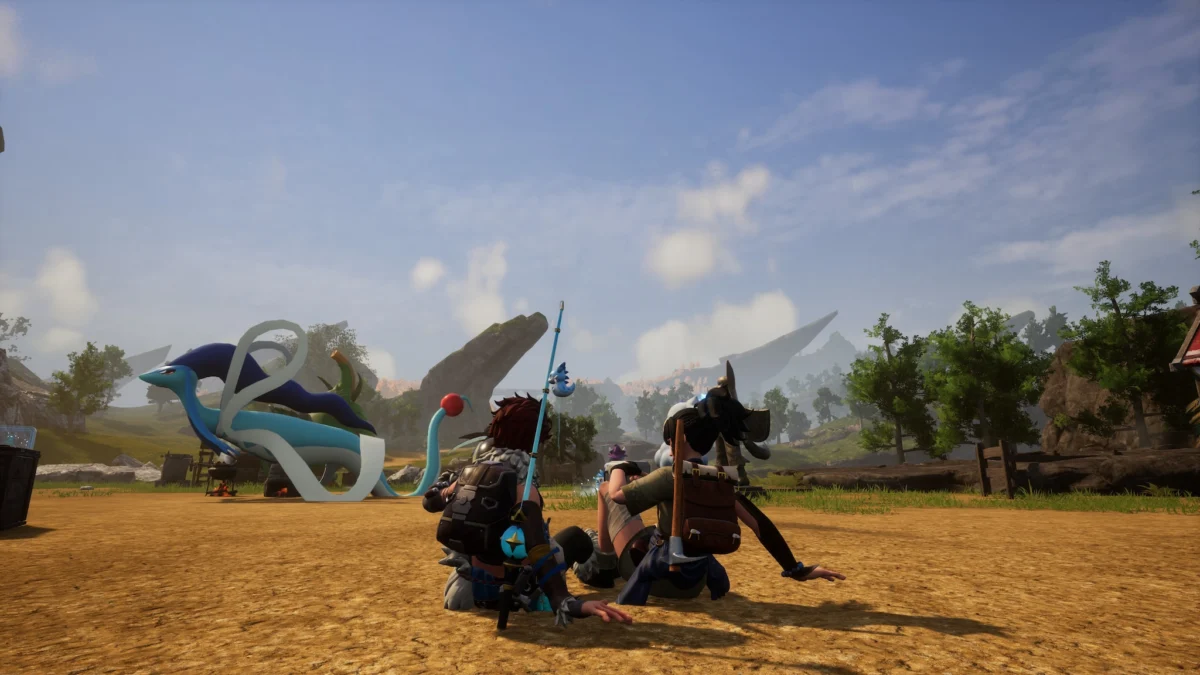
When Nintendo and The Pokémon Company officially filed a patent infringement lawsuit against Pocketpair, the independent developer behind the runaway hit Palworld, in September 2024, the gaming industry held its collective breath. For many, it felt like the inevitable collision of a gargantuan industry titan and a plucky, unconventional newcomer. Two years later, however, the narrative has shifted from a story of corporate destruction to one of tactical resilience. As Palworld approaches its highly anticipated 1.0 full release on July 10, 2026, the legal battle that once threatened to derail the project has been effectively reduced to a footnote—a case study in how agile development can neutralize legacy litigation.
The Chronology of a High-Stakes Legal Battle
The legal confrontation began in the wake of Palworld’s unprecedented success. Following its early-access launch in early 2024, the game—frequently and colloquially dubbed "Pokémon with guns"—shattered player count records on Steam. By September 2024, Nintendo, acting in tandem with The Pokémon Company, filed suit, alleging that Palworld infringed upon three Japanese patents.
These patents primarily concerned fundamental gameplay loops: the mechanics of capturing monsters, the ability to release them for combat, and the specific systems for riding creature companions. Nintendo sought both a permanent injunction—which would have effectively killed the game’s distribution—and significant financial damages.
For nearly 24 months, the legal proceedings dominated industry headlines. However, the momentum began to swing in late 2025 as the Japanese Patent Office (JPO) began reviewing the validity of the claims. In several instances, the JPO raised concerns regarding the originality of Nintendo’s filings, citing "prior art" from existing survival games like ARK: Survival Evolved. These setbacks weakened the legal foundation of Nintendo’s case, turning what was expected to be a swift execution of intellectual property rights into a drawn-out, increasingly fruitless slog.
The Tactical Pivot: Pocketpair’s Proactive Design Changes
Perhaps the most critical factor in the neutralization of the lawsuit was Pocketpair’s decision to alter the very features at the heart of the litigation. Recognizing the legal risks, the studio chose a path of "preventative compliance."

Rather than waiting for a court order to force their hand, Pocketpair engineers systematically redesigned key gameplay mechanics. The most notable change involved the "Pal Sphere" summoning system. Originally, players could capture monsters by throwing spheres in a manner that Nintendo argued violated their specific patents. Pocketpair modified the projectile and summoning trajectories, moving away from the contentious mechanics.
Similarly, the game’s traversal systems were overhauled. The original gliding mechanic, which involved direct interaction with the Pals, was replaced with a dedicated, distinct glider item. These changes were not merely aesthetic; they were deliberate legal maneuvers. By decoupling the gameplay experience from the disputed patents, Pocketpair effectively rendered the threat of an injunction moot. Even if Nintendo were to win on the merits of their patent claims, they would find themselves litigating against a version of the game that no longer exists in the public sphere.
Supporting Data and the "Chump Change" Reality
As the October 1, 2026, court hearing approaches, legal analysts have begun to quantify the likely outcomes. Reports indicate that the scope of the lawsuit has been narrowed almost exclusively to older versions of Palworld.
Financial analysts familiar with Japanese patent law suggest that even in a worst-case scenario for Pocketpair, the potential damages are negligible compared to the billions of dollars Nintendo commands. Some experts have gone so far as to describe the potential payout as "chump change"—a figure that would likely be covered by Pocketpair’s massive early-access revenue, effectively making the two-year legal battle a cost of doing business rather than a death knell.
The data suggests that Nintendo’s strategy of using litigation to stifle a competitor has failed to achieve its primary objective: the removal of Palworld from the market. With the game set to hit its 1.0 release next month, the "market disruption" that Nintendo likely feared has already occurred. Millions of players are already engaged with the ecosystem, and the game has matured into a stable, multifaceted survival-crafting title that stands on its own merits.

Official Responses and Corporate Optics
Throughout this ordeal, Pocketpair has maintained a stance of cautious transparency. While they have acknowledged the ongoing legal process, they have remained committed to their development roadmap, ensuring that the 1.0 launch remains on track. This poise has garnered them significant support within the gaming community.
The optics of the situation have, admittedly, become a headache for Nintendo. By pursuing a lawsuit against a smaller studio, Nintendo has found itself cast as the "corporate bully" in the court of public opinion. Whether this characterization is entirely fair is a matter of debate—Nintendo has a well-documented history of protecting its intellectual property with aggressive legal vigor. However, in the age of social media, the narrative of a massive conglomerate attempting to crush a creative indie project has resonated deeply with gamers.
The discourse surrounding the lawsuit has moved beyond the courtroom and into the broader industry conversation regarding "patent trolling" and the over-protection of gameplay mechanics. Critics argue that if Nintendo’s patents were upheld, it would set a dangerous precedent, allowing established giants to "fence off" entire genres of gaming by patenting basic features like inventory management, monster collection, or traversal mechanics.
Implications for the Future of the Industry
The Palworld saga serves as a watershed moment for independent developers. It highlights the importance of legal due diligence and the necessity of maintaining architectural flexibility within a game’s codebase. Pocketpair’s ability to "patch out" potential legal liabilities suggests a new blueprint for indie studios operating in the shadow of industry giants.
1. The Death of the "Killer Injunction"
The most significant implication is the diminishing power of the injunction in modern game development. As long as developers are willing and able to pivot their mechanics, the ability for a rights holder to force a total shutdown of a competitor’s product is significantly reduced.

2. The Limits of Patent Breadth
This case will likely force a re-evaluation of how patents are granted in the software and gaming sector. The JPO’s willingness to cite "prior art" from non-Nintendo titles like ARK signals a potential shift toward stricter scrutiny for gameplay patents. If courts begin to reject patents that are too broad, the industry may see a reduction in "defensive" litigation.
3. The "Palworld Effect" on Studio Growth
Finally, the lawsuit has acted as a paradoxical marketing engine. The constant media coverage of the "Nintendo vs. Pocketpair" battle kept Palworld in the public consciousness for two years. For a game in early access, this level of sustained visibility is worth far more than any legal settlement costs.
Conclusion: A New Era for Palworld
As Palworld prepares for its full 1.0 release on July 10, 2026, the industry finds itself in a strange position. The lawsuit continues, but the fire has gone out of it. Nintendo may secure a symbolic victory or a modest financial settlement, but they have failed to secure the primary prize: the market exclusion of their rival.
Pocketpair has successfully navigated the most dangerous waters an indie studio can face. By prioritizing product evolution over legal confrontation, they have proven that even a small team can survive an assault from the largest players in the industry. As players prepare to jump into the full version of the game across Windows, Xbox, and PlayStation, the legacy of this lawsuit will likely be remembered not as the end of Palworld, but as the moment the game cemented its place as a permanent fixture in the gaming landscape.
The battle in the courtroom may continue until the gavel drops in October, but for the millions of fans worldwide, the verdict is already in: Palworld has arrived, it has endured, and it is here to stay.


 Asro
Asro
 Muslim