Dwi Wanna
Blizzard Entertainment has long held the mantle of the king of the Action Role-Playing Game (ARPG) genre, but the path from the launch of Diablo 4 to its current state has been anything but linear. Following the lukewarm reception of the Vessel of Hatred expansion, which many critics—including this one—felt lacked the narrative punch and mechanical depth required to sustain the momentum of the base game, the community was left clamoring for a true evolution.
Enter Diablo 4: Lord of Hatred. This latest expansion is not merely a content drop; it is a definitive conclusion to the sprawling arc that began with the release of the base game. By delivering a campaign of staggering emotional weight and introducing complex, high-skill-ceiling mechanics, Blizzard has arguably produced its finest work since Diablo 2.
The Narrative Culmination: A Story of Hatred and Redemption
The narrative arc of Lord of Hatred picks up in the immediate, desperate aftermath of Vessel of Hatred. Neyrelle, our tortured protagonist, remains on the run, traversing new lands in a frantic attempt to contain Mephisto, the Lord of Hatred, within the soulstone that serves as his prison.
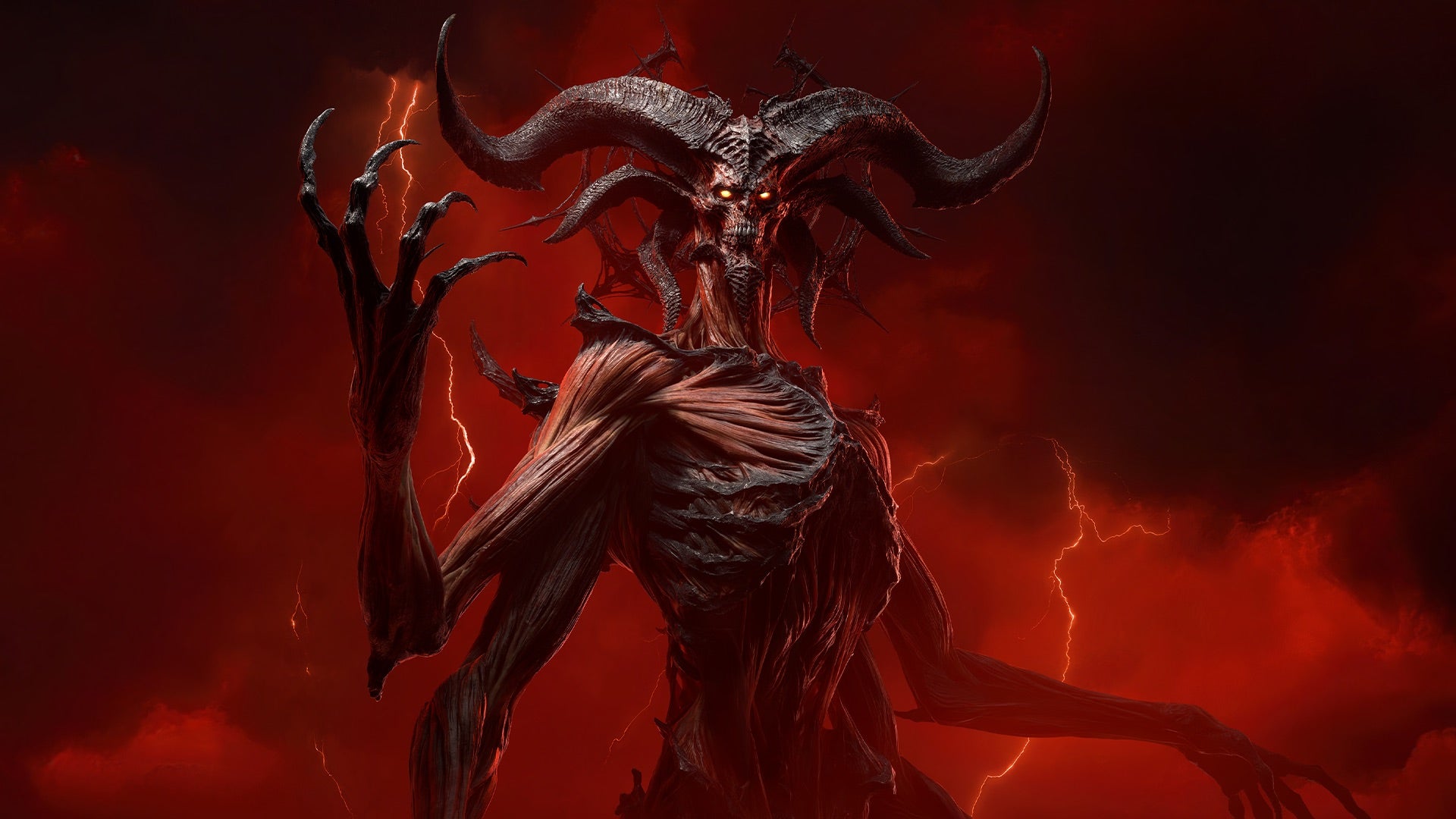
Unlike its predecessor, which often felt like a collection of disjointed side quests, Lord of Hatred is a tight, focused, and relentless narrative experience. It feels like an apology for the narrative shortcomings of the previous expansion. The campaign wastes no time on filler, instead opting to force players into high-stakes scenarios that challenge the very nature of Sanctuary’s morality.
Perhaps most surprising is the re-examination of Lilith. While she was the standout character of the base game, Lord of Hatred strips away her layers of godhood, leaving a desperate, diminished figure. This creative choice allows for a nuanced dialogue between her current state and her past actions, providing a level of character consistency that fans have been begging for since the franchise’s pivot toward a darker, more cinematic aesthetic.
Skovos: The Aegean Heart of Sanctuary
A core strength of the Diablo franchise has always been its environmental storytelling, and Lord of Hatred introduces the Skovos Isles, a region that serves as the Mediterranean heart of the Diablo world. Visually, Skovos is a departure from the gloomy swamps and scorched deserts of previous maps.

Drawing heavy inspiration from the Aegean islands, the region features sun-drenched, red-tiled roofs, intricate cobblestone pathways, and the closest architectural equivalent to a Parthenon we have seen in the series. Beyond the aesthetics, Skovos holds immense lore significance: it is the birthplace of humanity’s progenitors. The matriarchal society of the Amazons, who rule this land with a nod to the mythos of Themyscira, provides a fresh cultural backdrop that feels both ancient and vital to the unfolding conflict. Despite being smaller in total landmass than other regions, the verticality and density of Skovos ensure that every square inch feels purposeful.
The Mechanical Shift: Classes and Complexity
Blizzard’s approach to player classes in this expansion has been defined by a pivot toward "boldness" rather than "familiarity." While many expected the return of the classic Amazon class, the development team opted for the Warlock, a hybrid powerhouse that blends the playstyles of the Necromancer and the Sorcerer.
The Warlock: A Test of Mastery
The Warlock is, without question, the most demanding class ever introduced to the franchise. It is a summoner-caster hybrid that requires players to manage multiple layers of resource expenditure and minion positioning. The ability to tactically sacrifice minions to empower specific spells creates a loop of risk and reward that feels incredibly satisfying once mastered. It is a class that demands high engagement, rewarding those who plan their rotations rather than those who simply mash keys.

The Paladin’s Long-Awaited Arrival
It is worth noting that the Paladin, which shadow-dropped in December, remains the backbone of the expansion’s front-line combat. Serving as the quintessential "sword-and-board" tank, the Paladin fills a void that has existed since the launch of Diablo 4. By incorporating angelic movement abilities and borrowing classic techniques from the history of the series, the Paladin feels like a natural, long-overdue addition to the roster.
Evolving the Endgame: War Plans and the Horadric Cube
For the long-term player, the expansion’s most significant contributions are the systemic changes to the endgame. The introduction of "War Plans" gamifies the repetition of endgame activities. By allowing players to curate a playlist of dungeons and events, Blizzard has created a progression system that exists above and beyond the standard gear grind. Completed plans yield superior rewards, incentivizing players to engage with the game’s various systems more intentionally.
Furthermore, the return of the Horadric Cube is a masterstroke. By allowing players to upgrade item rarity and tweak affixes, Blizzard has provided a much-needed pressure valve for players who previously hit a gear ceiling. This system significantly reduces the "RNG fatigue" that often plagues the endgame, offering a deterministic path toward build perfection.

Implications for the Future of Diablo 4
The success of Lord of Hatred carries profound implications for the future of the Diablo franchise. Firstly, it proves that Blizzard is capable of listening to, and acting upon, player feedback regarding the "live service" model. After the rocky seasons of the past, the inclusion of meaningful character development and deeper customization options indicates a shift toward player retention through quality rather than simple time-gated chores.
Furthermore, the expansion sets a new bar for cinematic storytelling in the ARPG genre. The final boss encounter is a technical marvel, combining mechanical innovation with high-fidelity visuals that highlight the maturity of the engine. If this expansion is the "end of the beginning" for Diablo 4, the future of the franchise looks remarkably bright.
Final Thoughts: A Mandatory Journey
Whether you are a casual player who skips the cutscenes or a theory-crafter looking to push the limits of the new talent trees and level cap of 70, Lord of Hatred has something substantial to offer. The new skill tree, which integrates legendary powers into the core leveling process, feels like a necessary quality-of-life update that should have been present from the start.

In a market saturated with loot-based games, Diablo 4: Lord of Hatred stands out because it remembers what made the series a cultural touchstone: the atmosphere, the weight of the combat, and the feeling that you are a small part of a grand, cosmic war. Blizzard has delivered a package that is not only essential for fans of the genre but is also a definitive statement that Diablo remains at the peak of its powers.
For those who have been waiting for the right moment to jump back into Sanctuary, that time is now. Lord of Hatred is, quite simply, the best version of Diablo 4 we have ever seen.
Summary of Key Features
- New Region: Skovos Isles, featuring Mediterranean-inspired architecture and deep lore implications.
- New Class: The Warlock, a complex summoner-caster hybrid requiring high-level mechanical skill.
- Endgame Revamp: The introduction of "War Plans" for structured, rewarding endgame loops.
- Systemic Additions: The return of the Horadric Cube and an expanded talent tree system.
- Narrative Closure: A high-stakes campaign that concludes the initial Diablo 4 story arc with emotional finality.


 Asro
Asro
 Muslim