Neng Nana
When the first season of X-Men ’97 premiered in 2024, the industry—and the fanbase—approached it with a healthy dose of skepticism. Reviving a beloved Saturday morning cartoon from the 1990s carried the distinct scent of a corporate nostalgia play, a shallow attempt to mine IP for quick streaming engagement. However, the series rapidly dismantled those assumptions, proving itself to be a sophisticated, emotionally resonant, and occasionally devastating exploration of prejudice, identity, and the heavy burden of heroism.
Now, as we approach the premiere of X-Men ’97 Season 2 on July 1, 2026, the question has shifted. It is no longer about whether the show can justify its own existence, but whether it can sustain the high-water mark set by its predecessor. Having screened the initial four episodes, the verdict is clear: Marvel Studios Animation has not only avoided the dreaded "sophomore slump," but has doubled down on the narrative complexity and visual audacity that made the first season a modern classic.
A Chronology of Chaos: The Time-Travel Premise
Season 2 picks up exactly where the Season 1 finale left off, thrusting the audience into a fragmented timeline. The X-Men have been scattered across the ages, a narrative device that allows the showrunners to experiment with different genres and historical settings while maintaining the core themes of the series.

The narrative splits into three distinct theaters of conflict:
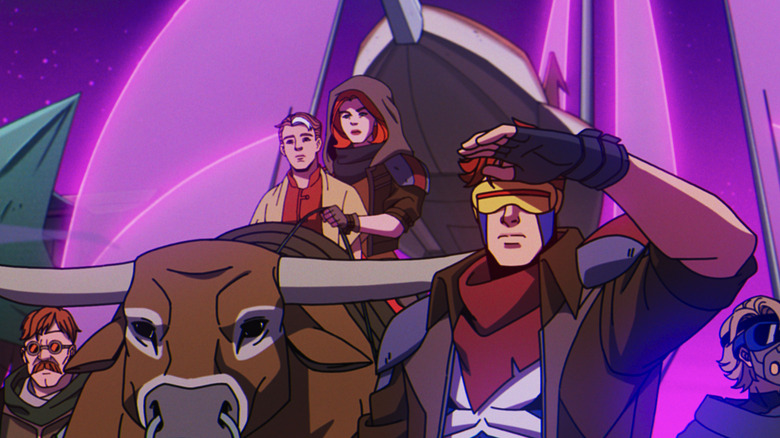
- The Far Future: Cyclops, Jean Grey, Storm, Morph, and a de-powered Wolverine are stranded in a bleak, dystopian landscape. Here, the struggle is for survival in a world that has already lost its way, forcing characters who are used to being guardians of the status quo to adapt to a reality where the status quo is essentially extinction.
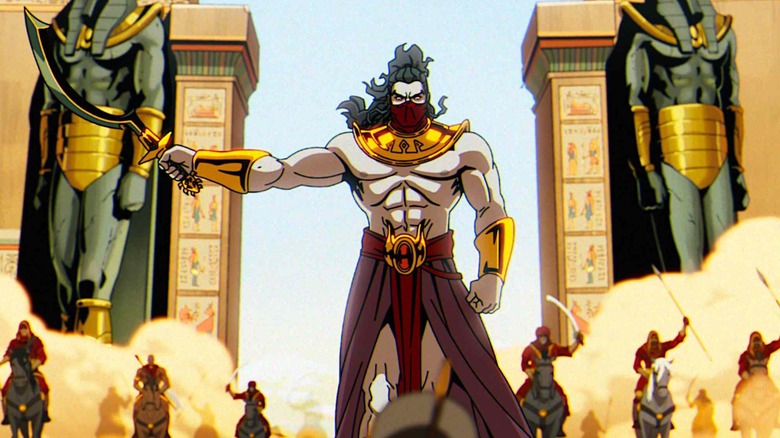
- Ancient Egypt: Professor X, Magneto, Rogue, Beast, and Nightcrawler find themselves in the cradle of civilization. This arc is particularly significant, as it delves into the origins of En Sabah Nur (Apocalypse), providing a mythic backdrop to the series’ recurring focus on the "first mutant."
- The Present Day: While our primary heroes are displaced, the "present" of the 1990s is left vulnerable. With the X-Men missing, the vacuum is filled by X-Factor, a government-sponsored mutant team, and X-Force, the black-ops squad led by Cable.
This multi-pronged structure effectively manages the show’s lightning-fast pacing. By separating the cast, the writers ensure that every character has room to breathe, even as the plot hurtles toward an inevitable, high-stakes collision of these disparate factions.
Supporting Data: Animation, Aesthetics, and Action
One of the most persistent criticisms of the original 90s series was the limitations of its animation budget, which often resulted in static shots and reused assets. X-Men ’97 continues to represent a massive departure from that heritage. The animation is brighter, more fluid, and capable of handling complex, high-octane set pieces with a cinematic quality that rivals feature films.

A standout moment arrives in the second episode, "A Force to Be Reckoned With." Jubilee, often relegated to the background in ensemble pieces, takes center stage in a breathtaking action sequence. Set to Veruca Salt’s "Volcano Girls," the sequence captures the frantic, rebellious energy of the mid-90s perfectly. It is a reminder that while the show deals with heavy themes like genocide and existential dread, it is still, at its heart, an X-Men story—which means it must be fun.
The choreography in these scenes is more than just visual flair; it is storytelling through motion. The way Jubilee navigates the battlefield, utilizing her pyrotechnic powers in concert with her roller skates, demonstrates how far the series has come in terms of character-specific combat dynamics.
Character Before Conflict: The Heart of the Series
Despite the cosmic stakes and the time-travel shenanigans, X-Men ’97 succeeds because it prioritizes the internal lives of its protagonists. The writing team displays a remarkable level of sincerity that prevents the dialogue from veering into camp. When Storm declares the X-Men to be "the dawn that breaks [Apocalypse’s] night," it is delivered with a conviction that feels earned, not forced.
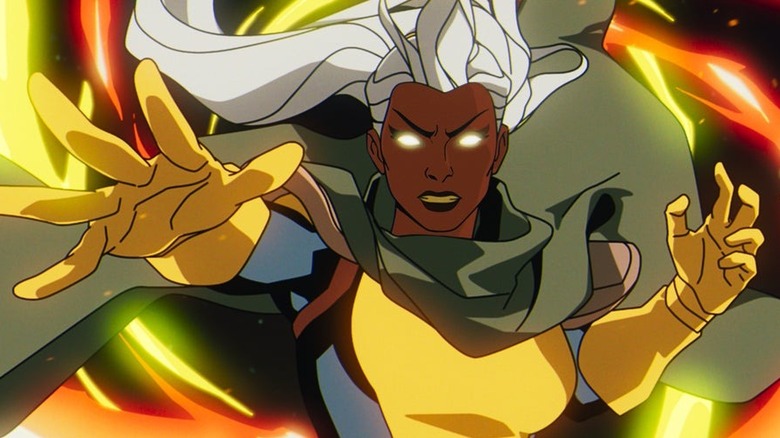
The character development in Season 2 is particularly poignant for those dealing with the trauma of the previous season. Rogue, still reeling from the tragic loss of Gambit, finds an unexpected ear in a young, vulnerable En Sabah Nur. This interaction is the season’s masterstroke: pairing a character defined by her longing for touch and connection with a future tyrant who has never known love. It highlights the show’s central thesis—that mutants are not inherently evil or good, but shaped by the circumstances and the hands that guide them.
The dynamic between Cyclops and Jean also undergoes a profound shift. Having sent their son, Nathan, into the future during the events of Season 1, they now find themselves physically present in that same timeline. They are granted a rare, second chance at the parenthood that was stolen from them, providing a grounded, emotional anchor to their science-fiction journey.
Apocalypse: The Return of the Immortal
The introduction of Apocalypse as the primary antagonist of Season 2 is a bold choice, particularly given that he was a constant presence in the original 90s cartoon. Ross Marquand provides a chilling vocal performance, channeling the late John Colicos with uncanny precision.
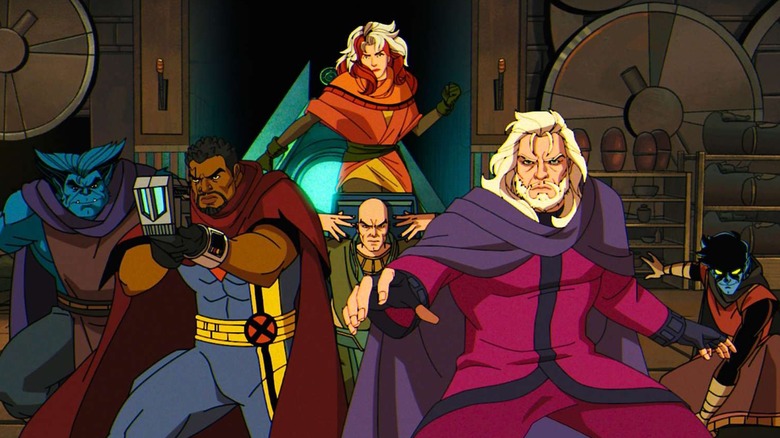
What makes this iteration of Apocalypse work is that the show refuses to portray him as a one-dimensional "big bad." By exploring his origins as an enslaved mutant fighting for survival, the series draws a direct, albeit uncomfortable, parallel between him and the X-Men themselves. He is a cautionary tale of what happens when the fight for survival stops being about coexistence and starts being about supremacy. He believes in a world where only the fittest rule, making him the perfect ideological foil for Professor Xavier and Magneto.
Implications for the Marvel Animated Universe
The success of X-Men ’97 carries significant implications for the future of Marvel Studios Animation. It proves that there is a massive, underserved appetite for "prestige" animation—stories that respect the intelligence of the audience, respect the source material, and are not afraid to be dark or complex.
The show has become a beacon of light in the current superhero landscape. At a time when many live-action superhero projects are struggling with audience fatigue and tonal inconsistency, X-Men ’97 stands as a testament to the power of the medium. It shows that whether it’s a 2D-animated screen or a massive IMAX display, the fundamental components of a great story remain the same: character stakes, clear ideological conflict, and a genuine love for the material.
Official Verdict and Final Thoughts
If Season 1 was the "shock to the system" that proved the viability of this revival, Season 2 is the consolidation of its power. It is more confident, more visually daring, and more emotionally mature. The two-part "The Rise of Apocalypse" is already poised to become a staple of fan discussions, likely sitting alongside Season 1’s "Remember It" as one of the best hours of animation in the last decade.
The writers have managed the impossible: they have taken a property that is nearly forty years old and made it feel like the most urgent, relevant story on television. Whether you are a lifelong devotee of the original series or a newcomer intrigued by the critical acclaim, Season 2 offers a masterclass in how to honor the past while charging fearlessly into the future.
Final Rating: 9/10
X-Men ’97 Season 2 premieres on Disney+ on Wednesday, July 1, 2026. Given the momentum of the series, fans are advised to avoid spoilers—the revelations contained in these first four episodes are best experienced firsthand.


 Sagoh
Sagoh
 Nana Wu