Lina Hope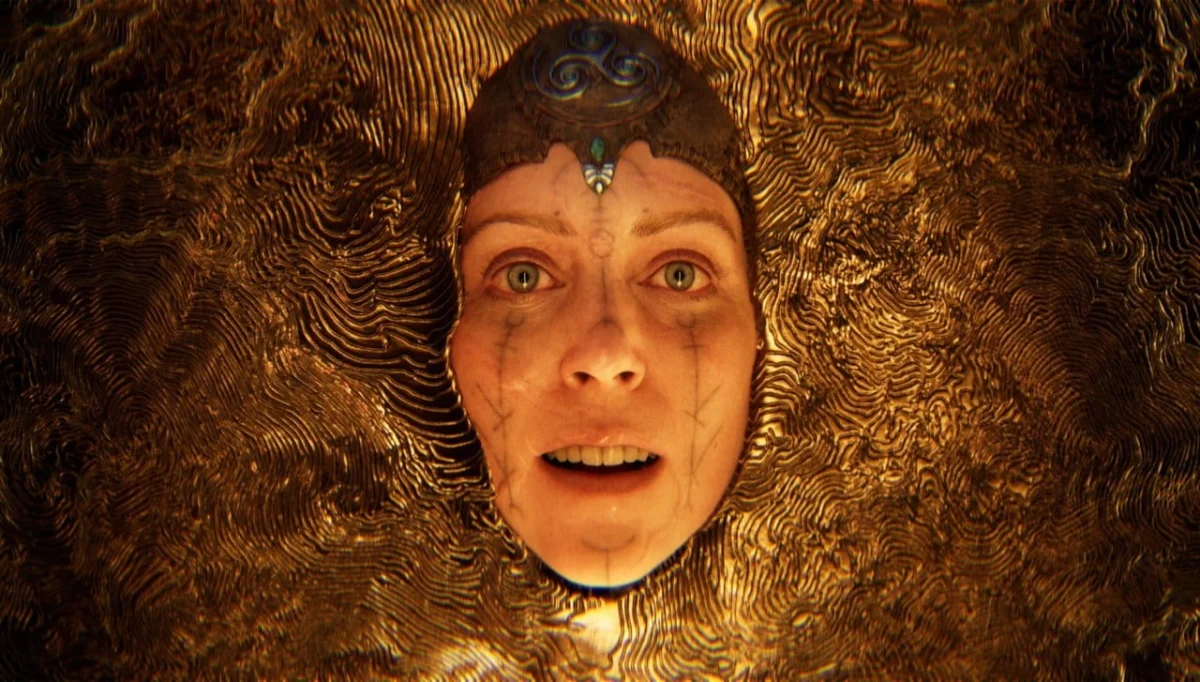
Cambridge, UK – June 17, 2026 – In a dramatic and unexpected turn of events, Ninja Theory, the acclaimed development studio behind the critically lauded Hellblade series, finds itself on the precipice of closure, just days after unveiling its highly anticipated new title, Senua, for the PlayStation 5. Reports emerging from industry insiders and corroborated by multiple reputable sources indicate that Microsoft, the parent company of Xbox, has informed the Cambridge-based studio of its impending shutdown. However, in a ray of hope amidst the grim news, Ninja Theory is reportedly actively seeking a buyer to secure its independence and continue its creative endeavors.
This stunning development casts a long shadow over the future of one of gaming’s most distinctive voices, a studio known for its bold narrative-driven experiences and innovative use of technology. The news has sent shockwaves through the gaming community, particularly given the recent announcement of Senua, a game poised to be a significant exclusive for the PlayStation 5, slated for a 2027 release. The stark contrast between the excitement surrounding a new PS5 title and the existential threat of studio closure has left many bewildered and concerned.
A Swift and Disconcerting Turn of Events
The timeline of these revelations is remarkably compressed and deeply unsettling. A little over a week ago, the gaming world buzzed with the unveiling of Senua, a project that promised to build upon the psychological depth and visceral gameplay that defined Hellblade: Senua’s Sacrifice. The announcement, made by Ninja Theory themselves, highlighted the game’s development for the PlayStation 5, a platform that has become synonymous with cutting-edge gaming experiences. This news was met with widespread enthusiasm, reaffirming Ninja Theory’s place as a valuable asset in the gaming landscape.
However, the euphoria was short-lived. Reports began to surface on June 16th, suggesting that Microsoft’s Xbox division was preparing for significant studio closures as part of a broader restructuring initiative. The Verge, in a paywalled report, was among the first to detail the dire situation facing Ninja Theory, stating that the studio had been informed of its impending closure earlier that day. This news was subsequently amplified by Bloomberg’s veteran games journalist, Jason Schreier, who has a strong track record of reporting on industry trends and internal studio dynamics. Schreier’s reporting indicated that Ninja Theory was not alone in facing such a threat, with several other Xbox-owned studios reportedly bracing for potential shutdowns or fighting to retain their independence. Among those mentioned are Compulsion Games and Double Fine, further underscoring the scale of the impending changes within Microsoft’s gaming arm.
The abruptness of this situation is particularly jarring. To go from celebrating the announcement of a new, high-profile game to facing the potential dissolution of the studio within the span of a week is a scenario that few could have anticipated. It raises serious questions about the strategic decision-making within Microsoft’s Xbox division and the communication channels between the corporate entity and its creative studios.

The Historical Context: A Legacy of Innovation
Ninja Theory, founded in 2000, has carved a unique niche for itself in the industry. Their early work, including Heavenly Sword for the PlayStation 3, showcased a commitment to cinematic storytelling and innovative gameplay mechanics. While not always a commercial juggernaut, the studio consistently delivered titles that were artistically ambitious and critically acclaimed.
Their breakthrough came with Hellblade: Senua’s Sacrifice in 2017, a game that transcended traditional gaming genres. It was a masterclass in psychological horror, deeply exploring themes of psychosis, trauma, and mental health with an unprecedented level of sensitivity and authenticity. The game’s innovative use of binaural audio to simulate voices within the protagonist’s mind was groundbreaking, immersing players in Senua’s fractured reality in a way that was both powerful and profoundly affecting. This critical success, along with its subsequent Definitive Edition and a strong showing on multiple platforms, cemented Ninja Theory’s reputation as a studio capable of delivering truly unique and impactful experiences.
Acquired by Microsoft in 2018 as part of its expansion of Xbox Game Studios, Ninja Theory was expected to benefit from the resources and backing of a major publisher, allowing them to further pursue their creative vision. Their subsequent work, such as Bleeding Edge and Senua’s Saga: Hellblade II (which was developed for Xbox Series X/S and PC), continued to showcase their distinctive style. However, the recent announcement of Senua for the PS5 suggests a potential shift or a complex multi-platform strategy, which, in retrospect, might have been part of their efforts to ensure the studio’s long-term viability.
Supporting Data: A Wider Trend of Consolidation and Restructuring
The reported closures at Ninja Theory are not isolated incidents but appear to be part of a larger strategic "reset" within Microsoft’s Xbox division. This move comes in the wake of a period of intense scrutiny and pressure on Xbox to improve its financial performance and market share.
Recent statements from Microsoft CEO Satya Nadella have underscored this imperative. Just this past weekend, Nadella emphasized the need to make the Xbox business "sustainable." This statement, coupled with revelations from new Xbox boss Asha Sharma about the division operating at a "3% accountability margin," paints a clear picture of a company looking for significant cost-cutting measures and efficiency improvements. A 3% margin suggests that profitability is razor-thin, leaving little room for underperforming ventures or studios that do not demonstrably contribute to the bottom line.

The gaming industry, particularly the AAA space, is characterized by escalating development costs and fierce competition. Publishers are under immense pressure to deliver consistent returns on investment. In such an environment, studios that are perceived as not meeting financial expectations or strategic objectives are often the first to face the axe. This is a harsh reality of the business, where creative ambition must ultimately be balanced with commercial viability.
The potential closure of Ninja Theory, along with other studios like Compulsion Games and Double Fine, highlights a broader trend of consolidation and rationalization within the gaming industry. Major publishers are increasingly focused on optimizing their portfolios, divesting from underperforming assets, and investing more heavily in their most successful franchises and studios. While this can lead to greater stability for some, it often comes at the cost of diversity and creative risk-taking.
Official Responses and the Path Forward
As of the publication of this article, official statements from Microsoft regarding the specific fate of Ninja Theory remain limited. However, the consistent reporting from credible outlets strongly suggests that internal communications have already taken place. The hope for Ninja Theory’s survival lies in its reported efforts to find an external buyer. This would allow the studio to break away from Microsoft’s direct ownership and potentially regain the creative freedom and financial independence it enjoyed prior to its acquisition.
The success of such an endeavor would depend on several factors. Firstly, there needs to be a willing buyer with the financial capacity and strategic interest in acquiring a studio of Ninja Theory’s caliber. This could be another publisher seeking to bolster its development roster with a studio known for its unique vision, or perhaps an independent investment group. Secondly, the terms of any potential sale would need to be agreeable to both Microsoft and Ninja Theory, ensuring a smooth transition and the preservation of the studio’s intellectual property and talent.
The involvement of industry veterans like Jason Schreier in reporting these developments lends significant credibility to the narrative. His connections within the industry and his meticulous reporting have often provided early and accurate insights into major shifts and shake-ups.

Implications for the Gaming Landscape
The potential closure of Ninja Theory carries significant implications for the broader gaming industry and for players alike.
For Players: The immediate concern is the future of Senua. If Ninja Theory were to shut down, it is uncertain whether the game would be completed, and if so, by whom. The announcement of a PS5 exclusive title, only for the studio to be on the verge of closure, raises questions about the contractual agreements in place and the future of that project. Fans who have been eagerly anticipating the continuation of Senua’s journey would undoubtedly be devastated by the prospect of it being cancelled or significantly altered. Beyond Senua, the loss of Ninja Theory as a distinct creative entity would mean fewer opportunities for the kind of unique, character-driven narratives they are known for.
For the Industry: The situation at Ninja Theory serves as a stark reminder of the precarious nature of game development, even for established and critically acclaimed studios. It highlights the immense pressures faced by developers operating under large corporate umbrellas, where strategic shifts and financial targets can quickly supersede creative aspirations. This news could also embolden other studios facing similar uncertainties to explore options for independence or seek new partnerships. Furthermore, it raises concerns about the health of the Xbox ecosystem and its ability to retain and nurture creative talent.
For Microsoft: This situation represents a significant public relations challenge for Microsoft. The acquisition of Ninja Theory was seen as a strategic move to enhance Xbox’s first-party studio lineup. If the studio is indeed shut down, it could be viewed as a failure of that strategy and a sign of internal turmoil. The company will need to carefully manage its communications and its future studio acquisitions to avoid further damaging its reputation among developers and players.
Ultimately, the story of Ninja Theory in the coming days and weeks will be closely watched. The hope remains that a buyer will emerge, allowing this talented studio to continue its legacy of crafting unforgettable gaming experiences. The gaming world is holding its breath, hoping that this chapter does not end in tragedy for one of its most distinctive and cherished voices. The future of Senua and the legacy of Ninja Theory hang precariously in the balance, a testament to the ever-shifting and often brutal realities of the modern video game industry.


 Lina Irawan
 Sagoh
Sagoh