Lina Irawan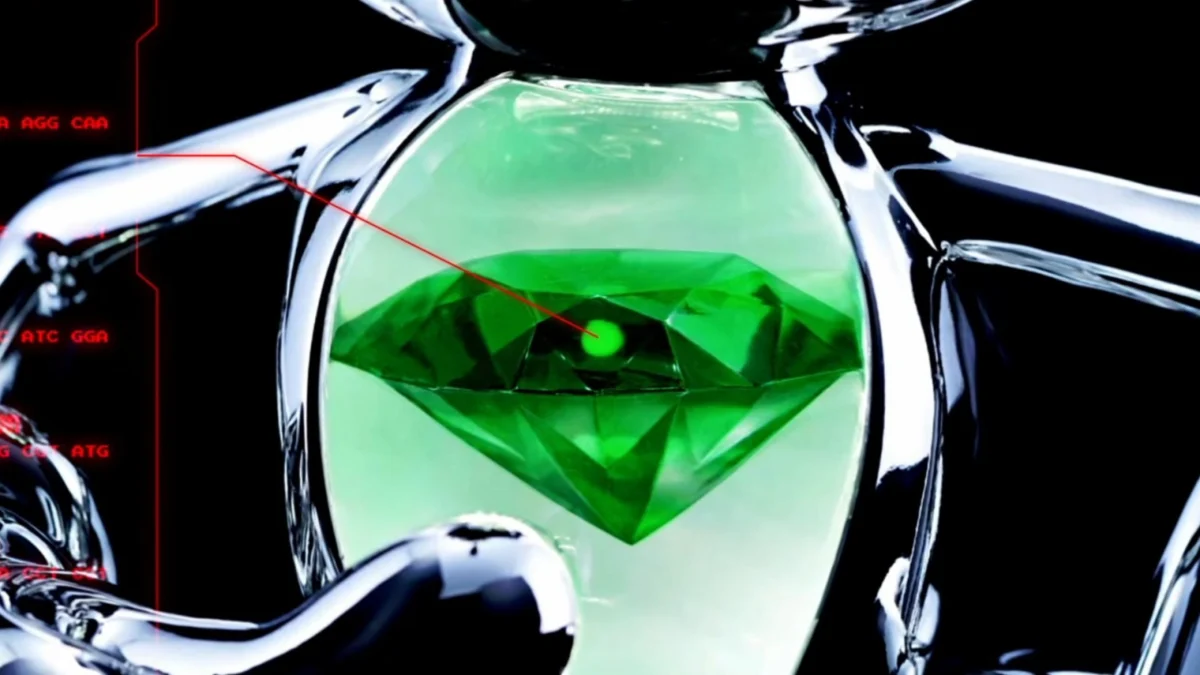
In a move that blurs the lines between gaming history and speculative biotechnology, Sega has unveiled a life-size Sonic the Hedgehog statue that contains what the company describes as "synthetic Sonic DNA." The installation, commissioned to celebrate the iconic character’s 35th anniversary, serves as both a high-concept art piece and a bewildering milestone in brand marketing.
For fans who have spent three decades navigating Green Hill Zone and collecting gold rings, this announcement represents a transition from digital representation to a literal, physical presence. By encoding the character’s personality, speed, and quirks into a genetic blueprint, Sega has invited the public to ponder the future of legacy—and perhaps the ethics of synthetic biology in the gaming industry.
Main Facts: The Anatomy of a Hedgehog
The centerpiece of the anniversary celebration is a life-size, hyper-realistic statue of Sonic, housed in a specialized viewing chamber. Within the figure’s abdominal region, protected by a glowing, containment-grade replica of a Chaos Emerald, lies the "DNA" sequence.
According to the official press release, this is not biological material in the sense of a living organism. Rather, it is a sophisticated, digitally engineered synthetic sequence designed to represent the "core" of the character. The project was spearheaded by the biotechnology design firm LOM BABY, a group notorious for their "impossible" biological installations, including engineered dragon meat and recreations of the T-Virus from the Resident Evil franchise.
The "DNA" is essentially a physical manifestation of data. By quantifying Sonic’s traits—his velocity, his blue pigmentation, his penchant for chili dogs, and his famously paradoxical inability to swim—LOM BABY translated these characteristics into a synthetic code, which was then synthesized into a stable, glowing medium.
Chronology: From 1991 to Genetic Synthesis
To understand the gravity of this announcement, one must look at the trajectory of the Sonic the Hedgehog franchise over the last 35 years:
- 1991: Sonic makes his debut on the Sega Genesis, cementing himself as the primary mascot of the brand and a global pop-culture icon.
- 2000–2010: As the series expands into 3D environments, the lore becomes more complex, introducing the Chaos Emeralds as vessels of immense, mystical power.
- 2020: The release of the Sonic the Hedgehog film franchise introduces the character to a new generation of mainstream audiences, elevating his status beyond the gaming console.
- 2026 (June 16): Sega officially announces the 35th-anniversary initiative, revealing the "Sonic DNA" project in collaboration with LOM BABY.
- 2026 (June 23): The public viewing of the statue commences at the Sega flagship store in Shibuya, Tokyo.
This chronology tracks a steady evolution from a two-dimensional sprite to a three-dimensional icon, and now, to an entity that possesses a "physical" essence.
Supporting Data: The Science of "Impossible" Artifacts
The partnership with LOM BABY provides a layer of credibility to what might otherwise be dismissed as a mere PR stunt. LOM BABY has established a niche in the art world by creating physical objects that feel like artifacts from a science-fiction timeline. Their previous works have included samples of "Alien DNA" and synthetic meat cultures designed to challenge the observer’s perception of what is real versus what is manufactured.
The process of creating the Sonic DNA involved a multidisciplinary approach:
- Trait Quantization: Developers and writers analyzed 35 years of source material to distill the "Sonic spirit" into a list of binary parameters.
- Genetic Mapping: Using synthetic biology protocols, these parameters were converted into a sequence that mimics the structure of a living organism’s genetic code.
- Encapsulation: The resulting material was synthesized and sealed within a containment vessel—the Chaos Emerald—to ensure the "essence" remains preserved and visible for generations to come.
This process is a prime example of "speculative design." While it does not create a living, breathing hedgehog, it creates a tactile, permanent anchor for the brand’s identity.
Official Responses and Corporate Strategy
Sega’s messaging regarding the project is both reverent and cryptic. In the official statement released on June 16, a representative from the company stated: "We wanted to ensure that Sonic’s core—the speed, the optimism, and the defiance of the status quo—would continue to exist far into the future without ever fading. By encoding his characteristics into a physical, synthesized form, we are not just celebrating a character; we are preserving an idea."
The decision to display the figure in Shibuya, the heart of Tokyo’s youth and tech culture, signals that Sega intends to position Sonic as an entity that transcends the digital medium. Industry analysts suggest that this is part of a broader strategy to diversify the "Sonic" brand. By treating the character as a biological or "living" asset, Sega is moving toward a model where Sonic is viewed as an evolving, permanent fixture of human culture, rather than a legacy video game mascot.
Implications: The Ethics and Future of Digital Legacy
The project has sparked a broader conversation regarding the preservation of intellectual property. If a company can "synthesize" the essence of a character into a physical medium, what does that mean for the future of digital preservation?
The "Jurassic Park" Comparison
Critics and fans alike have drawn parallels to the Jurassic Park franchise, where the preservation and synthesis of DNA allow for the resurrection of the past. While Sega’s project is strictly artistic and synthetic, it poses an intriguing question: in an era of rapid technological advancement, where is the boundary between a "brand" and a "living entity"?
Biotechnology and Pop Culture
The involvement of LOM BABY suggests a trend where luxury and high-concept art will increasingly utilize biotechnology as a medium. Just as collectors pay millions for physical artifacts, there is a growing market for "genetically engineered" art. By applying these techniques to a mascot as beloved as Sonic, Sega is effectively testing the public’s willingness to engage with their favorite characters in a physical, tangible way.
The Preservation of Fandom
For the fans, the "viewing window" provided in the statue’s stomach is more than just a gimmick. It is a pilgrimage point. The idea that a piece of "Sonic" will exist for future generations, theoretically safe from the degradation of software formats or server shutdowns, provides a sense of comfort for a community that has spent decades in the company of the character.
Conclusion: A New Frontier
As the world prepares for the public unveiling on June 23, the discourse surrounding the life-size Sonic figure continues to grow. Whether viewed as a bizarre marketing stunt, a breakthrough in brand-led biotechnology, or a heartfelt tribute to a gaming legend, one thing is certain: Sega has succeeded in keeping the conversation about the Blue Blur alive in a way that is entirely unprecedented.
The statue stands as a testament to the fact that Sonic the Hedgehog is no longer just a collection of pixels on a screen. Through the strange, innovative lens of synthetic DNA, Sega has turned a digital speedster into an immortalized artifact. As we look toward the next 35 years, the lines between the digital and the biological will likely continue to blur, and if the current trend is any indication, Sonic will be leading the charge, faster than ever, into a new, synthetic future.
For those wishing to witness the installation firsthand, the exhibit opens to the public on June 23 at the Sega Shibuya flagship store. Attendees are encouraged to arrive early, as high foot traffic is expected for this unique, once-in-a-generation display.


 Nana Wu
 Azzam Bilal Chamdy