Reynand Wu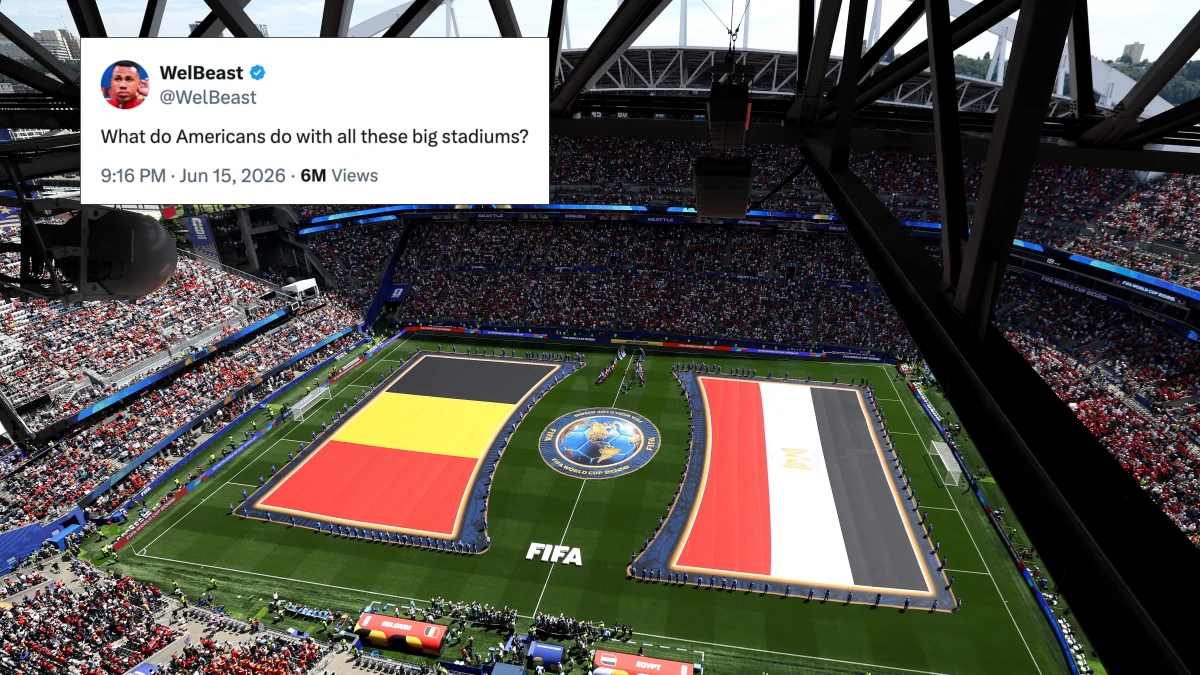
The 2026 FIFA World Cup is, by all metrics, a colossal logistical and athletic undertaking. With 48 teams competing across 11 U.S. host cities and an additional 25 communities serving as base-camp training sites, the tournament is the largest in the sport’s history. Yet, as the world’s eyes fixate on the drama unfolding on the grass, a parallel, equally compelling narrative has emerged on the digital frontier. International fans—many of whom are experiencing the United States for the first time—have turned the tournament into a sprawling, real-time ethnographic study of American culture.
What began as a logistical necessity—traveling between matches in cities like Greensboro, Chattanooga, Columbus, and Spokane—has blossomed into an internet-defining "side quest." Visitors are not merely traveling from hotel to stadium; they are navigating the mundane, peculiar, and uniquely American landscapes of gas stations, suburban grocery stores, and chain restaurants, documenting their wide-eyed wonder for millions of followers.
The Rise of the "Americana" Influencer
The poster child for this phenomenon is undoubtedly Freddy (@FreddyLA7), a German supporter whose road trip through the American South has transformed into a masterclass in organic viral content. Boasting over 600,000 followers, his feed is less about soccer tactics and more about the cultural shock of the American everyday.
A Chronology of Discovery
Freddy’s journey serves as a timeline of the "tourist-as-ethnographer" trend:
- Arrival in Georgia: Upon landing in Atlanta, his first viral posts focused on the accessibility of fast-food giants like Taco Bell and the sheer scale of Walmart, which he described as a "city under one roof."
- The Southern Odyssey: Moving through the South, he explored Stranger Things filming locations, treating the suburban sprawl of Georgia as a cinematic pilgrimage.
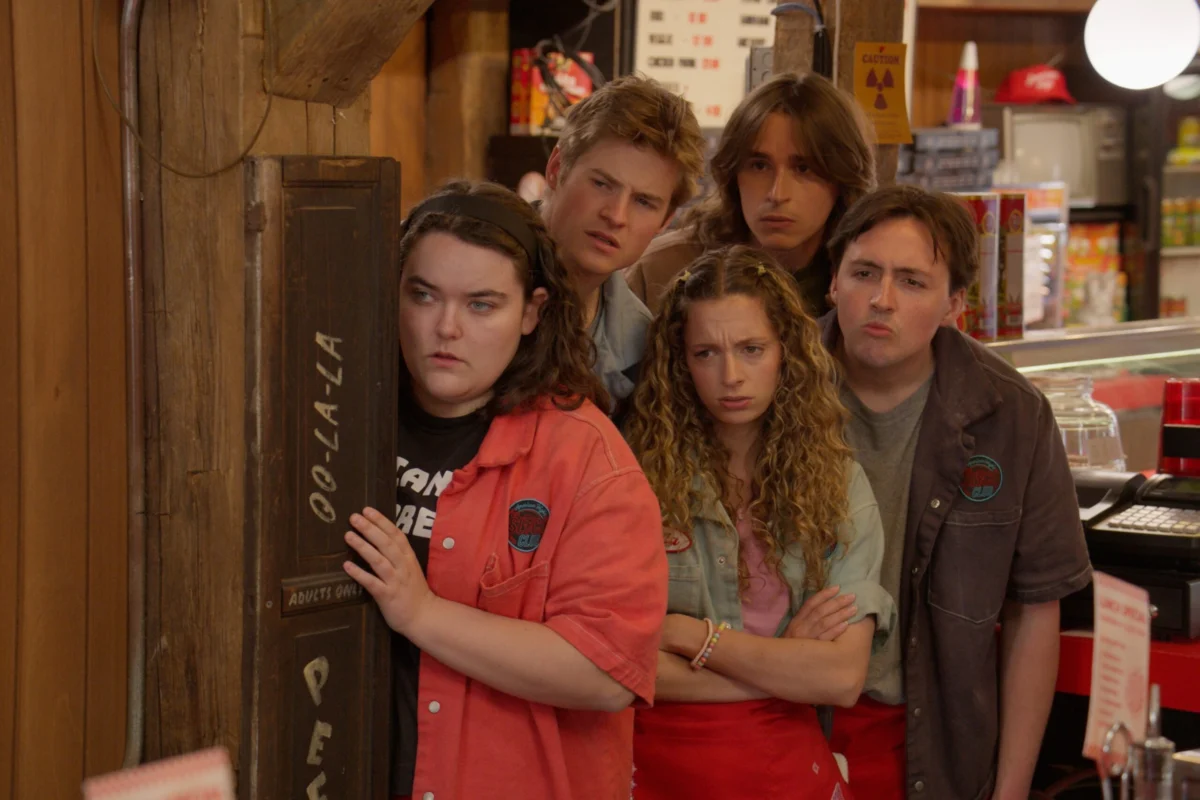
- The Waffle House Revelation: Perhaps his most iconic moment involved his maiden voyage to a Waffle House. Giving the establishment a "10/10" rating, his review triggered an outpouring of support from locals who felt a surge of pride in seeing their humble late-night haunt celebrated by a global visitor.
- Cultural Immersion: After becoming enamored with the country music of Ella Langley, which dominated his local radio airwaves, he found himself invited to attend her concert—a testament to how these digital interactions are bridging the gap between tourist and local.
- The Political Intersection: His reach even extended into the corridors of power, with meetings involving the Mayor of Houston and shoutouts from U.S. lawmakers, highlighting the surprising intersection of sports tourism and soft diplomacy.
Supporting Data: The Scale of the Phenomenon
Freddy is not an outlier; he is the vanguard of a broader movement. The hashtag-driven exploration of American life has seen a surge in engagement as fans from across the globe find delight in the "boring" aspects of U.S. life.
Swedish fan Elsa Thora has turned the discovery of common American pantry staples—specifically ranch dressing and grocery-store snacks—into a serialized digital event. Her fascination with the iconic yellow school bus, a staple of the American suburban landscape, has garnered hundreds of thousands of views, illustrating the disconnect between the "Hollywood version" of America and the reality visitors are experiencing on the ground.
Other notable trends include:
- The UK Perspective: British visitors have taken to social media to document their bewilderment at the luxury grocery chain Erewhon and the sheer scale of high school football stadiums, which many have compared to professional arenas in Europe.
- Culinary Tourism: From the "bottomless" chips and salsa culture embraced by Japanese visitors to the viral obsession with the chicken tenders at Raising Cane’s documented by Irish fans, the American fast-food landscape has become a legitimate tourist attraction.
- The Tailgate Culture: Scottish fans in Boston have provided extensive commentary on the ritual of the American tailgate, finding the pre-game parking lot festivities to be a stark, communal contrast to the pub-centered pre-match culture of Europe.
The Friction: Logistics, Costs, and Controversy
While the online sentiment remains overwhelmingly positive regarding the "vibes" of the tournament, the logistical reality has been far less romantic. The 2026 World Cup has been marred by significant challenges that have drawn the ire of both fans and world leaders.
Price Gouging and Economic Strain
The cost of entry has become a primary point of contention. Reports of exorbitant price gouging at hotels and rental car agencies in host cities have reached the highest levels of government. The President of Mexico recently issued a formal statement expressing concern over the financial barriers facing traveling supporters, suggesting that the tournament risks becoming an elite-only event.
Transportation and Access
The U.S. transit infrastructure, which is notoriously decentralized compared to the high-speed rail networks of Europe and Asia, has struggled to accommodate the influx of fans. In New York City and Dallas, reports of massive transit delays and stranded commuters have dominated news cycles. Furthermore, the issue of "missing tickets"—where fans arrived at stadiums only to find their digital or physical passes invalid—has left many feeling betrayed by the FIFA ticketing system.
The Human Cost: Visa Hurdles
Perhaps the most sobering aspect of the tournament involves the restrictions on access. The U.S. visa process has proven to be an insurmountable hurdle for many supporters, staff, and even athletes. The story of Cape Verde goalkeeper Josimar Dias, known as "Vozinha," highlights this tragedy. After a career-defining performance in a 0-0 draw against Spain, the goalkeeper revealed to his 8 million Instagram followers that his mother could not be in the stands to witness his triumph due to visa complications and prohibitive travel costs.
Implications for Future Tournaments
The 2026 World Cup serves as a case study for the future of mega-sporting events in an age of social media ubiquity. The tournament has successfully exported a version of American culture that is earnest, welcoming, and profoundly strange to outsiders.
The Shift in Sports Journalism
Traditionally, sports journalism focused on the match statistics and tactical analysis. However, this tournament has forced a shift toward "cultural reporting." Media outlets are now tracking the "fan experience" as closely as the goal tallies. This suggests that for future World Cups, the host nation’s ability to provide a seamless "cultural experience" will be just as important as their ability to provide world-class stadiums.
FIFA’s Responsibility
The backlash against FIFA regarding ticket failures and transit chaos suggests that the organization can no longer rely on the prestige of the event to mask logistical failures. As the tournament continues through July 19, the pressure is mounting on organizers to address the systemic issues that have soured the experience for thousands of fans.
Conclusion: A Tale of Two World Cups
The 2026 FIFA World Cup is effectively two tournaments happening at once. One is a high-stakes, multi-billion-dollar athletic competition played under the glare of international media. The other is a grassroots, chaotic, and heartwarming road trip across the heartland of America, played out in the aisles of supermarkets and the parking lots of fast-food chains.
While the administrative and logistical failures represent a significant blemish on the tournament’s legacy, the "side quests" of fans like Freddy and Elsa Thora provide a much-needed human narrative. They remind us that the World Cup is, at its core, a gathering of people. Even if the transit is jammed and the tickets go missing, the act of a stranger finding joy in a carton of ranch dressing or a Waffle House breakfast is the kind of organic, authentic connection that the digital age often promises but rarely delivers. As the final whistle approaches on July 19, the enduring legacy of this tournament may not be who lifted the trophy, but how the world finally got to see, eat, and experience the real America.

 Evan Lee Salim
 Iffa Jayyana