Laily UPN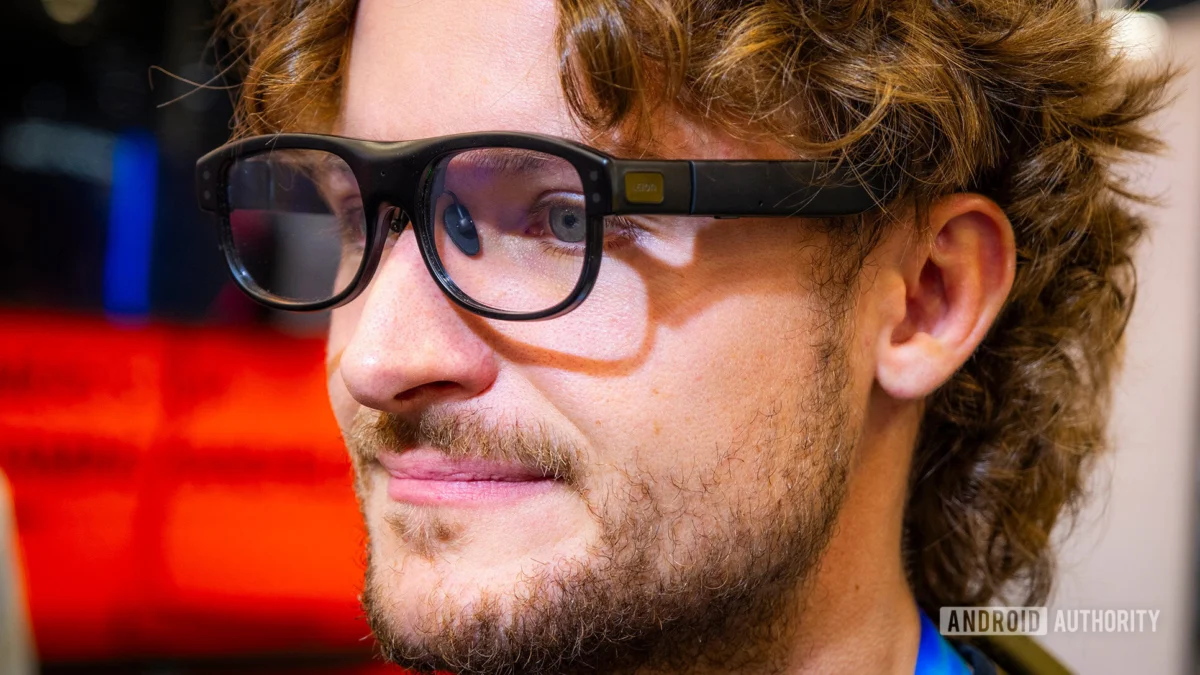
As smart glasses emerge from the realm of science fiction into the hands (and onto the faces) of mainstream consumers, the legal landscape is struggling to keep pace. While these devices promise a future of seamless augmented reality and hands-free connectivity—much like the rapid ascent of smartwatches a decade ago—they are now colliding with the harsh realities of public safety.
The State of Illinois is poised to become the first in the United States to explicitly restrict the use of artificial intelligence (AI) smart glasses while operating a motor vehicle. This legislative move marks a critical turning point in the debate over wearable technology, signaling that lawmakers are no longer willing to wait for accidents to happen before regulating the next generation of computing.
Main Facts: The Proposed Legislation
The core of the issue lies in Illinois House Bill 4843, which seeks to amend the state’s existing restrictions on the use of electronic communication devices. Current laws in Illinois—and indeed throughout most of the country—generally permit the use of hands-free devices while driving. However, the proposed amendment takes a hardline stance against AI-integrated eyewear.
The bill explicitly categorizes "artificial intelligence smart glasses" as electronic communication devices but, crucially, denies them the exemptions typically afforded to hands-free equipment. Under the new language, the standard defenses for using a device in "voice-operated mode" or while a vehicle is stopped in traffic are explicitly nullified for smart glasses.
If signed into law, the bill creates a blanket prohibition. Whether a user is checking an AR-overlay map or simply listening to a podcast via integrated audio, the act of wearing these devices while in control of a moving vehicle would constitute a violation of state law.
A Chronology of the Smart Glass Regulatory Wave
The rise of smart glasses has been a multi-year trajectory, evolving from bulky prototypes to sleek, everyday frames. To understand the current regulatory climate, we must look at the timeline of this technology’s rapid deployment:
- 2013–2015: The Prototype Era. Google Glass introduced the world to the concept of head-mounted displays. While the product was a commercial failure, it planted the seed of privacy and safety concerns among the public and regulators.
- 2020–2023: The Audio-First Pivot. Companies like Meta (Ray-Ban Meta) and various boutique manufacturers shifted focus toward audio-only smart glasses, emphasizing voice assistants and open-ear audio, which were generally perceived as less intrusive than displays.
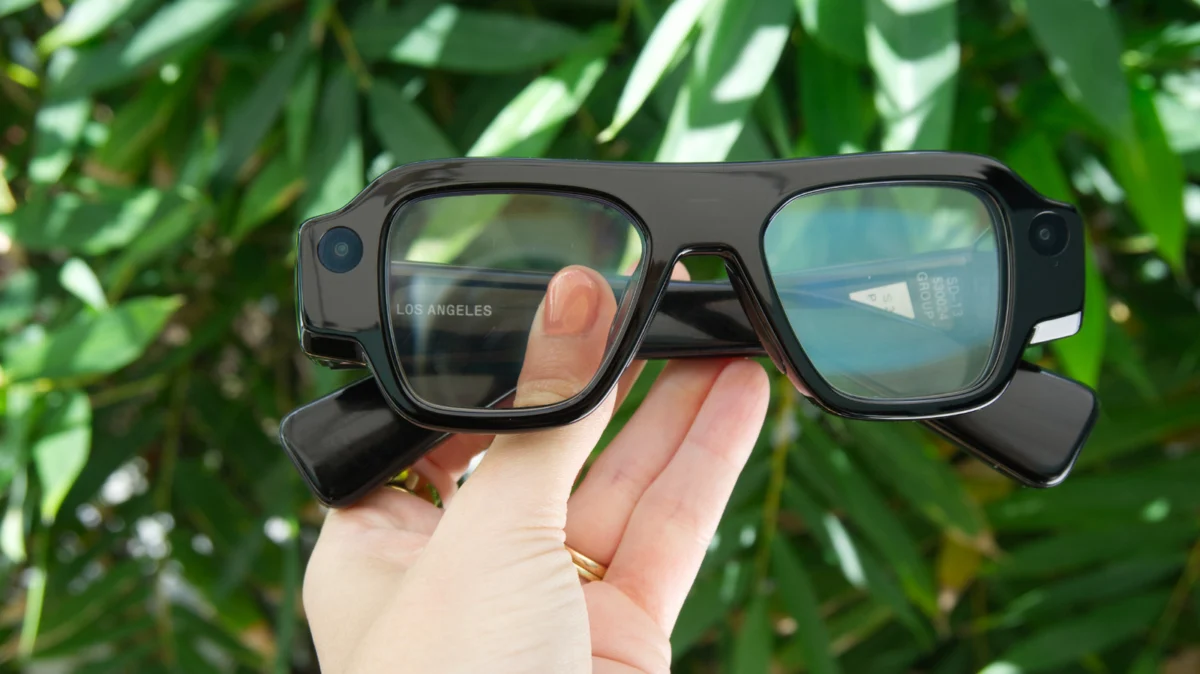
- 2024: The AR Resurgence. The industry saw a massive shift toward full AR integration, with products like Snap’s new Spectacles and upcoming hardware from Google and Samsung (the "Intelligent Eyewear" project) pushing the boundaries of what these devices can project into the user’s field of view.
- Early 2025: The Privacy Backlash. States began drafting legislation concerning mandatory recording indicators, acknowledging that cameras on faces present a unique set of societal risks.
- 2026: The Legislative Pivot to Automotive Safety. Illinois introduces HB 4843, the first major attempt to treat smart glasses as a high-risk distraction for drivers, signaling a shift from "privacy concerns" to "public safety concerns."
Supporting Data: Why Distraction is the Primary Concern
The urgency behind the Illinois bill is rooted in the broader crisis of distracted driving. According to data from the National Highway Traffic Safety Administration (NHTSA), distracted driving remains one of the leading causes of traffic fatalities in the United States, claiming thousands of lives annually.
While hands-free phone use has been touted as a "safe" alternative to holding a device, research consistently suggests that cognitive distraction—the mental focus required to interact with an AI or a digital interface—is as dangerous as manual distraction.
The Cognitive Load Factor
Unlike a standard Bluetooth headset, smart glasses offer a persistent digital overlay. Even if the user is not actively "using" an app, the constant presence of visual or auditory information creates a "cognitive load." When a driver is processing information from an AR display, their reaction times to road hazards are significantly delayed. Studies in human-computer interaction (HCI) have demonstrated that even minor visual distractions can increase the likelihood of "inattentional blindness," where a driver fails to perceive objects in their direct line of sight because their brain is occupied with digital stimuli.
Official Responses and Policy Justification
Legislators supporting the Illinois bill have been clear: they do not want to wait for a "catastrophic event" involving smart glasses to justify the legislation.
"We are seeing a new class of devices that fundamentally alter how a person perceives their environment," said one legislative aide involved in the drafting of the bill. "When you are driving, your focus must be on the road. Whether it’s a phone in your hand or an AR overlay on your glasses, the outcome of a distraction is the same."
Law enforcement agencies have also voiced support for the measure, albeit for practical reasons. From an enforcement standpoint, identifying whether a driver is "interacting" with a pair of smart glasses is nearly impossible. A police officer cannot tell if a driver is reading a text message via a lens display, viewing a notification, or simply listening to music. By implementing a blanket ban on the device while driving, the state removes the burden of proof from the officer, making the law enforceable.
Implications: The Future of Wearables and Automotive Law
The passage of the Illinois bill could serve as a template for other states, triggering a domino effect across the Midwest and beyond. The implications for the technology sector and the general public are profound:
1. The Death of "One Size Fits All" Regulation
The industry currently treats audio-only glasses (like smart spectacles) and AR-display glasses as the same category of product. Illinois’ law reflects this, failing to distinguish between a device that merely plays music and one that displays navigation maps. This lack of nuance may force manufacturers to pivot their design strategy, perhaps creating "driving modes" that automatically disable certain features when GPS or accelerometer data detects high-speed movement.
2. The Burden on Manufacturers
Tech giants like Samsung, Google, and Meta will now have to contend with a fragmented legal landscape. If every state writes its own version of a "Smart Glass Ban," companies will be forced to bake geofencing or sophisticated sensor-based software into their hardware to comply with local laws. This could lead to a scenario where smart glasses functionality is restricted based on the user’s location, similar to how certain features are geo-locked on mobile devices.
3. Cultural Shift and Social Norms
The move to ban these devices while driving mirrors the early days of cell phone regulation. Just as society transitioned from "it’s fine to talk while driving" to "it’s dangerous to use a phone," we are entering a period of social recalibration regarding smart eyewear. This will likely lead to increased public scrutiny of anyone wearing glasses in public, as the perception of the device shifts from "cool wearable" to "potential safety hazard."
4. The Future of AR in Transportation
While the current trend is toward banning these devices, there is a potential middle ground. Some argue that AR could eventually improve driving safety by providing heads-up displays (HUDs) for navigation, hazard alerts, and speed monitoring. However, as long as these devices are consumer-grade electronics rather than integrated automotive systems, regulators are likely to view them with extreme skepticism.
Conclusion
The push to regulate smart glasses in Illinois is a clear signal that the era of "anything goes" for wearable tech is drawing to a close. As the technology becomes more sophisticated, the line between helpful assistance and dangerous distraction becomes increasingly blurred.
For the average consumer, the message is clear: if you are planning to invest in the next generation of smart glasses, be prepared to stow them in the glove box when you get behind the wheel. The road ahead for wearable technology is promising, but it is currently paved with restrictive, and perhaps necessary, new laws. As other states monitor the situation in Illinois, it is highly probable that the "smart" in smart glasses will soon have to include "smart enough to know when to turn off."

 Jia Lissa
 Neng Nana