Lina Hope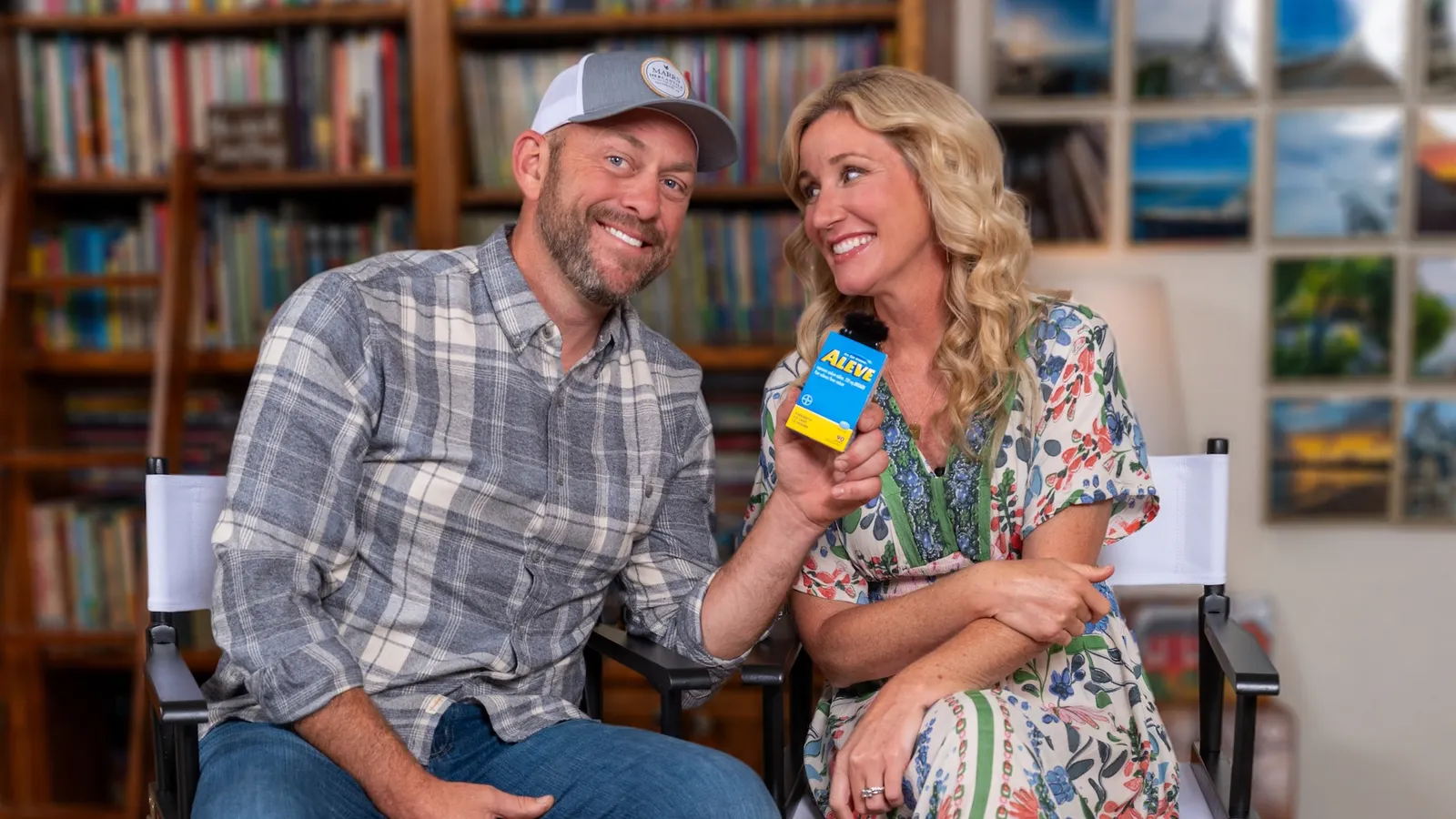
By Sara Karlovitch
Published June 17, 2026
In a strategic pivot to align its brand with the modern, aspirational lifestyle of the American homeowner, Bayer’s Aleve has launched “Project DIY.” The campaign, which represents a significant evolution of the broader “Feel Aleve” brand platform, leverages the explosive popularity of home renovation culture to position the pain reliever as an essential tool for the modern DIY enthusiast. By tapping into the influence of HGTV stars and viral social media creators, Aleve is moving beyond traditional medical marketing to become a lifestyle partner for those tackling home improvement.
The Core Concept: Positioning Pain Relief as a DIY Tool
The premise of “Project DIY” is rooted in data-driven insights. According to internal research by Bayer, 28% of consumers who regularly purchase pain relief medication explicitly identify home improvement as a primary hobby. This realization has sparked a shift in how the brand communicates its value proposition: instead of marketing Aleve merely as a remedy for post-injury recovery, the company is positioning it as a proactive companion for physical exertion.
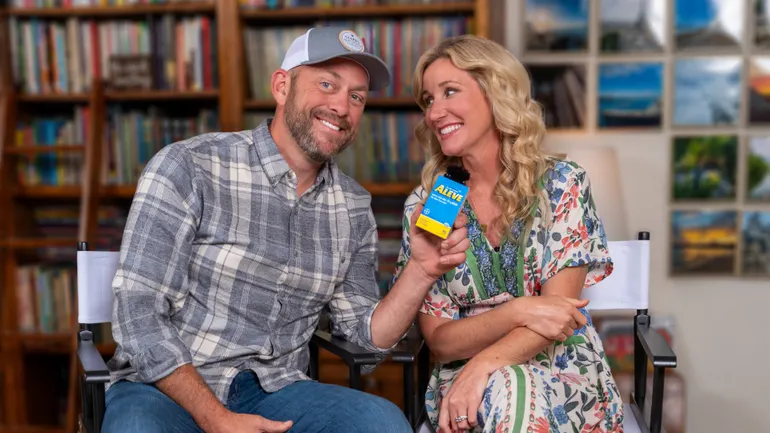
The campaign features HGTV personalities Jenny and Dave Marrs, known for their restoration projects, who are fronting the initiative. In a recent Instagram teaser, the couple is seen unpacking a Walmart bag filled with standard renovation supplies—a tape measure, a level, and, notably, a box of Aleve. The message is clear: when the project demands physical stamina, Aleve is part of the toolkit.
A Chronological Look at the “Project DIY” Rollout
The launch of “Project DIY” did not happen in a vacuum; it is the culmination of a broader strategy to engage consumers where they live and work.
- Q1 2026: Bayer reported group sales of €13.4 billion (approximately $15.6 billion), reflecting a 2.4% year-over-year decrease. In the wake of these results, the company signaled a pivot toward more targeted, high-engagement marketing campaigns to bolster the consumer health division.
- Early Q2 2026: Development of the “Feel Aleve” platform expansion began, focusing on the intersection of physical activity and the growing home-improvement trend.
- June 2026: The official launch of the campaign via social media. The Marrs family project, focused on renovating a family’s back porch to increase functionality, served as the campaign’s anchor content.
- Mid-June 2026: The brand expanded the narrative by incorporating prominent DIY influencers, including Imani Keal and Liz Hartmann. These creators shared authentic, behind-the-scenes content documenting the physical toll of projects—such as installing railings or mounting cabinetry—while highlighting Aleve as their recovery solution.
The Landscape of the DIY Economy
To understand the necessity of this campaign, one must examine the state of the modern DIY sector. Recent reports indicate that a staggering 75% of American homeowners have attempted at least one DIY project. This surge is not accidental; it has been fueled by the "HGTV effect," where television programming has democratized the knowledge required for home renovation, and social media, which has gamified the process of "before-and-after" reveals.
The influence of social media on purchasing behavior cannot be overstated. Data from the Home Improvement Research Institute (HIRI) shows that 30% of millennial and Gen Z homeowners have increased their home improvement spending by over 25% based on content they consumed on platforms like Instagram and TikTok. By embedding itself into this ecosystem, Aleve is positioning its product as a necessary utility in the modern DIYer’s supply chain.
Supporting Data: Why This Strategy Works
The marriage of pain relief and DIY is not merely a creative choice; it is a response to consumer psychographics.
1. The Physical Toll of Renovation
Home improvement is rarely just about aesthetics; it is physically taxing. Lifting heavy lumber, kneeling on concrete floors, and repetitive motions involved in sanding or painting are frequent causes of minor aches and inflammation. Aleve, which is marketed for long-lasting pain relief, directly addresses the specific physiological needs of the weekend warrior who needs to get back to work the next morning.
2. The Influencer Economy
By partnering with DIY creators like Imani Keal and Liz Hartmann, Aleve is tapping into high-trust communities. Unlike traditional commercials, which consumers may view with skepticism, content from a trusted DIY influencer demonstrating how they "powered through" a project with the help of a pain reliever feels authentic. It validates the struggle of the renovation process and offers a relatable solution.

3. The "Retail Ecosystem" Connection
The strategic placement of Aleve in a Walmart bag alongside hardware store staples suggests a broader retail strategy. By aligning the brand with the environment of a physical store purchase, Aleve makes its presence top-of-mind for shoppers who are already in the "planning phase" of their next home project.
Official Responses and Strategic Implications
While Bayer has not released a granular breakdown of the budget for "Project DIY," the commitment to the campaign suggests a significant investment in influencer partnerships and social media ad spend.
"We are meeting the consumer where their passions lie," a company representative implied through the campaign’s design. By moving away from the traditional, sterile pharmacy aisles of marketing and into the creative, active, and messy world of home renovation, Bayer is attempting to humanize the Aleve brand.
Implications for the Pain Relief Market
- Shift from Symptom-Focused to Lifestyle-Focused Marketing: If "Project DIY" succeeds, other pharmaceutical companies may follow suit, moving away from "pain = injury" messaging to "pain = a byproduct of a productive life."
- Targeted Demographic Engagement: This campaign is a masterclass in reaching millennials and Gen Z homeowners—a demographic that is currently driving the housing and renovation markets.
- Cross-Category Brand Association: By associating itself with the success of a completed DIY project, Aleve is building a positive association. When a consumer completes a beautiful, functional renovation, they are likely to associate that success with the tools that allowed them to finish the job—including their pain relief.
Challenges Ahead: Navigating the DIY Boom
Despite the strategic brilliance of the campaign, there are risks. The DIY market is heavily dependent on the broader economic climate. As inflation and interest rates continue to impact the housing market, the discretionary income available for home renovations may fluctuate.
Furthermore, the brand must ensure that its messaging remains grounded. If the campaign comes across as too corporate or fails to respect the authenticity of the DIY community, it risks backlash. However, by giving space to creators like Keal and Hartmann, Aleve demonstrates a willingness to take a backseat, allowing the experts to lead the conversation.

Conclusion
Aleve’s “Project DIY” is a sophisticated example of modern brand integration. By recognizing that the pain relief consumer is also a creative, ambitious, and physically active homeowner, Bayer is successfully transforming a commodity product into a lifestyle necessity. As the line between digital inspiration and physical execution continues to blur, Aleve’s move to become a fixture in the DIY toolkit is not just a marketing experiment—it is a blueprint for how legacy brands can remain relevant in an era of hyper-niche, influencer-led consumerism.
As the project continues to roll out throughout 2026, the industry will be watching closely to see if this pivot can successfully reverse the current sales trends and cement Aleve’s place as the unofficial sponsor of the modern home renovation boom.

 Laily UPN
 Ammar Sabilarrohman