Ali Ikhwan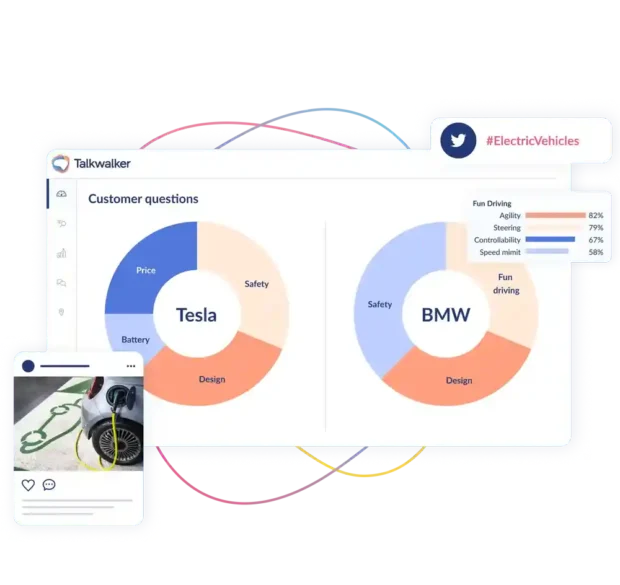
In the hyper-connected landscape of 2026, the volume of digital conversation has transcended human capacity for manual analysis. For marketing departments, the ability to discern the "signal from the noise" is no longer a competitive advantage—it is a baseline requirement for survival. As consumer sentiment shifts with unprecedented speed, AI-powered social listening has evolved from a niche analytical tool into the primary nervous system of modern brand management.

The Evolution: From Keyword Tracking to Cognitive Analysis
Social listening, in its nascent form, relied on rigid Boolean search strings—essentially telling a computer to "find every post that mentions brand X." While useful for basic monitoring, this approach was profoundly limited. It failed to capture nuance, ignored visual contexts, and was entirely reactive, spotting trends only after they had already peaked.

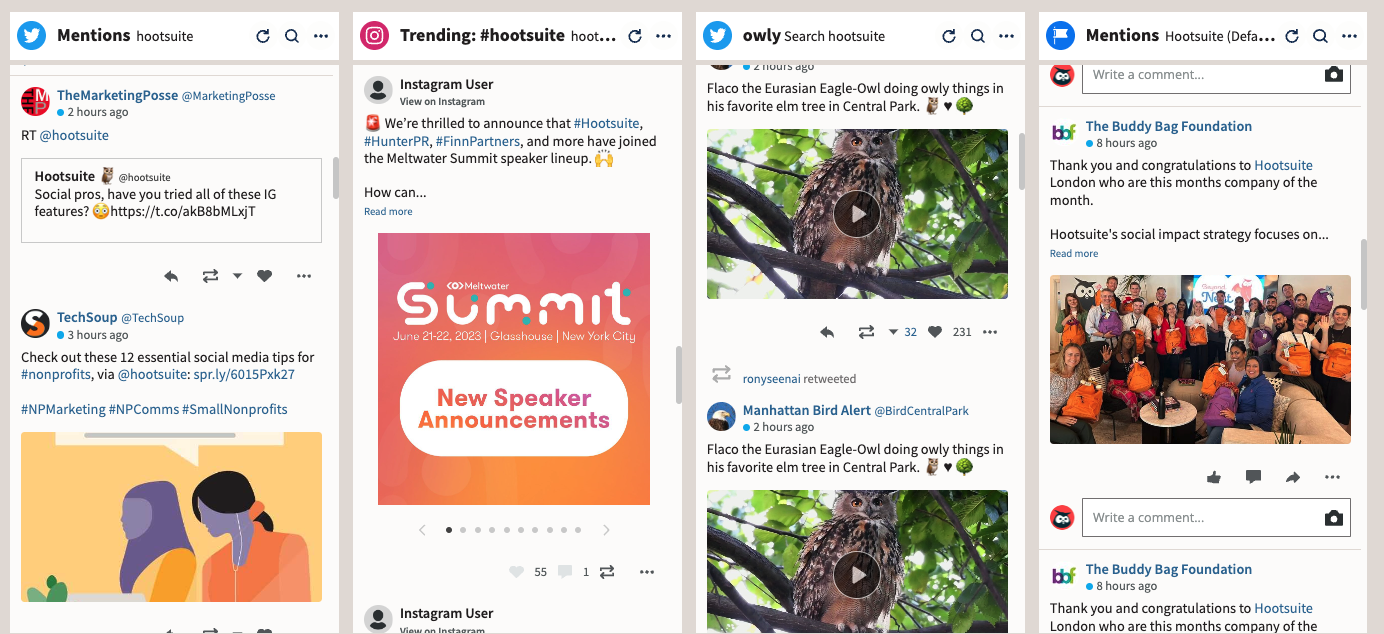
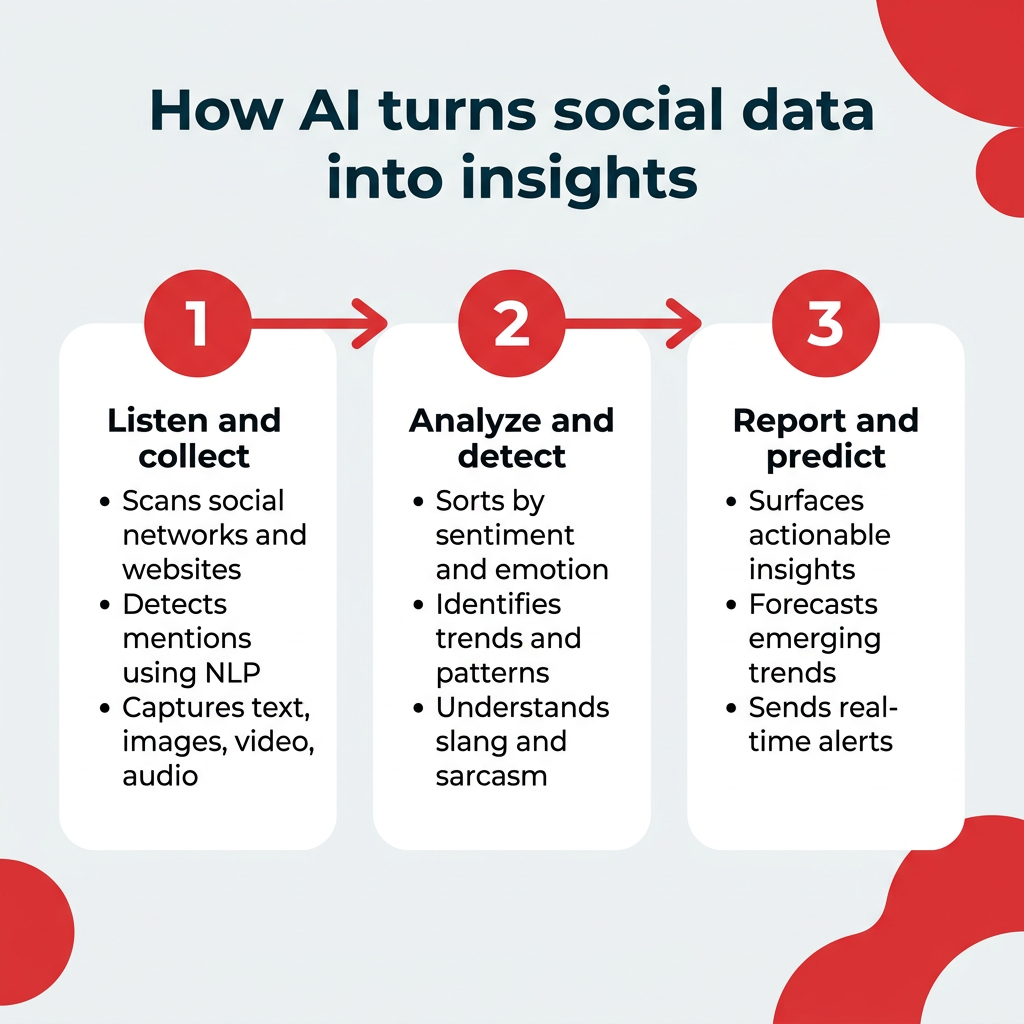
Today, the integration of Artificial Intelligence and Natural Language Processing (NLP) has fundamentally altered this paradigm. Modern AI doesn’t just read text; it interprets intent. By analyzing syntax, sarcasm, slang, and sentiment, AI tools can now distinguish between a customer expressing genuine frustration and one using hyperbolic, positive slang. Furthermore, the rise of "Visual Listening"—the ability for AI to recognize logos, products, and even specific settings within images and video—has closed a massive data gap that previously left marketers blind to significant portions of brand-related content.
Chronology of the Shift: The Path to Predictive Intelligence
The transition toward AI-centric social listening did not happen overnight. It followed a distinct technological trajectory:
- 2020–2022 (The Reactive Era): Brands utilized basic keyword monitoring to track mentions. The focus was primarily on customer service responsiveness rather than strategic foresight.
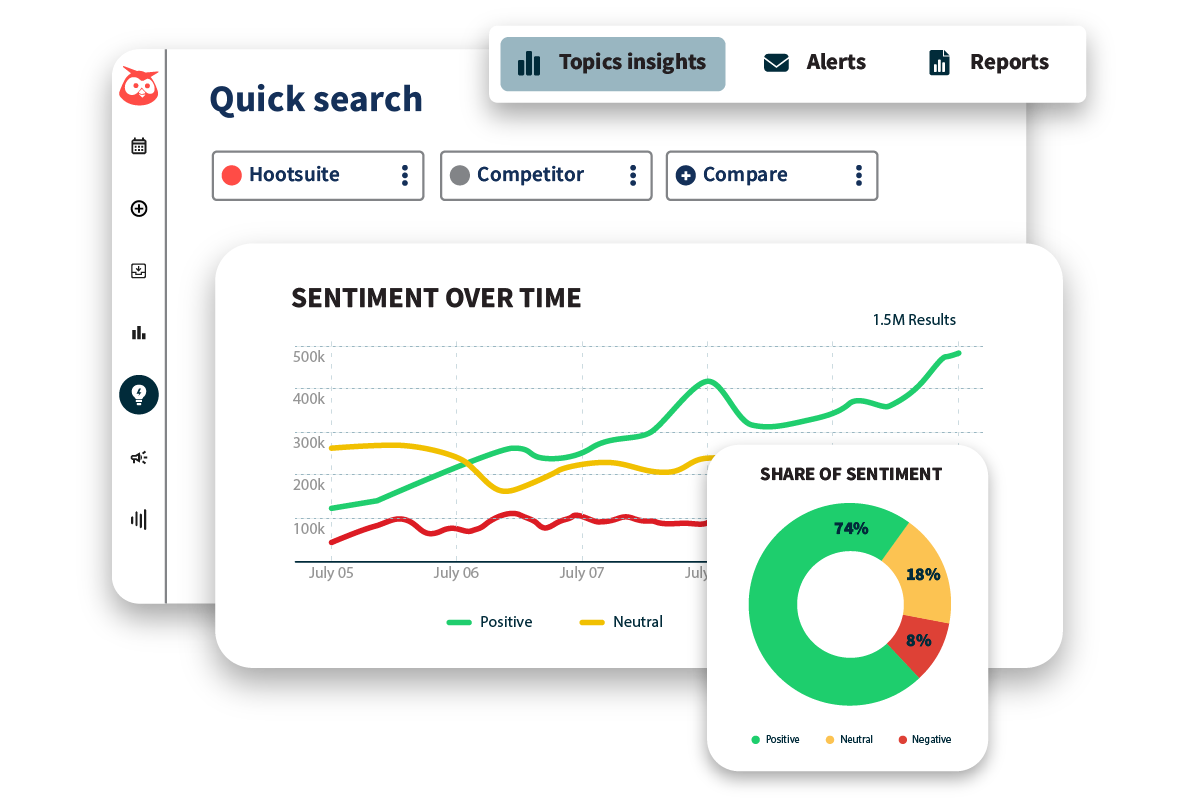
- 2023–2024 (The Sentiment Era): The adoption of basic NLP allowed for the categorization of "positive," "negative," and "neutral" sentiment. This enabled brands to report on brand health metrics with greater accuracy.
- 2025–2026 (The Predictive Era): The current landscape is defined by predictive analytics. AI now analyzes historical data patterns to forecast future volume spikes, emerging market trends, and potential PR crises before they manifest as full-scale issues.
This shift has moved social listening from the desk of the community manager to the boardroom of the CMO. According to recent data from Forrester, 83% of B2C marketing executives are now actively consolidating their workflows into unified AI-powered dashboards, seeking to integrate listening, publishing, and reporting into a single, cohesive engine.

Supporting Data: Why Efficiency is the New ROI
The pressure on marketing budgets remains intense. With the 2025 Gartner CMO Spend Survey revealing that marketing budgets have largely flatlined at 7% of overall company revenue, efficiency has become the primary driver of Return on Investment (ROI).
AI social listening serves this efficiency mandate directly. By automating the filtering of irrelevant data—such as bot activity or unrelated mentions—AI saves thousands of hours of manual labor annually. For an enterprise-level brand, the ability to shift human capital from "data scrubbing" to "strategy development" is a financial imperative.

Comparing Traditional vs. AI-Powered Listening
| Feature | Traditional Listening | AI-Powered Listening |
|---|---|---|
| Search Logic | Exact keyword matches | Contextual/Semantic understanding |
| Sentiment | Basic positive/negative | Emotion detection (anger, joy, sarcasm) |
| Speed | Reactive | Proactive (Predictive signals) |
| Scope | Text-only | Text, Image, Audio, Video |
| Scalability | Limited by manual capacity | Infinite across channels/languages |
Case Study: The Data-Driven Slam Dunk
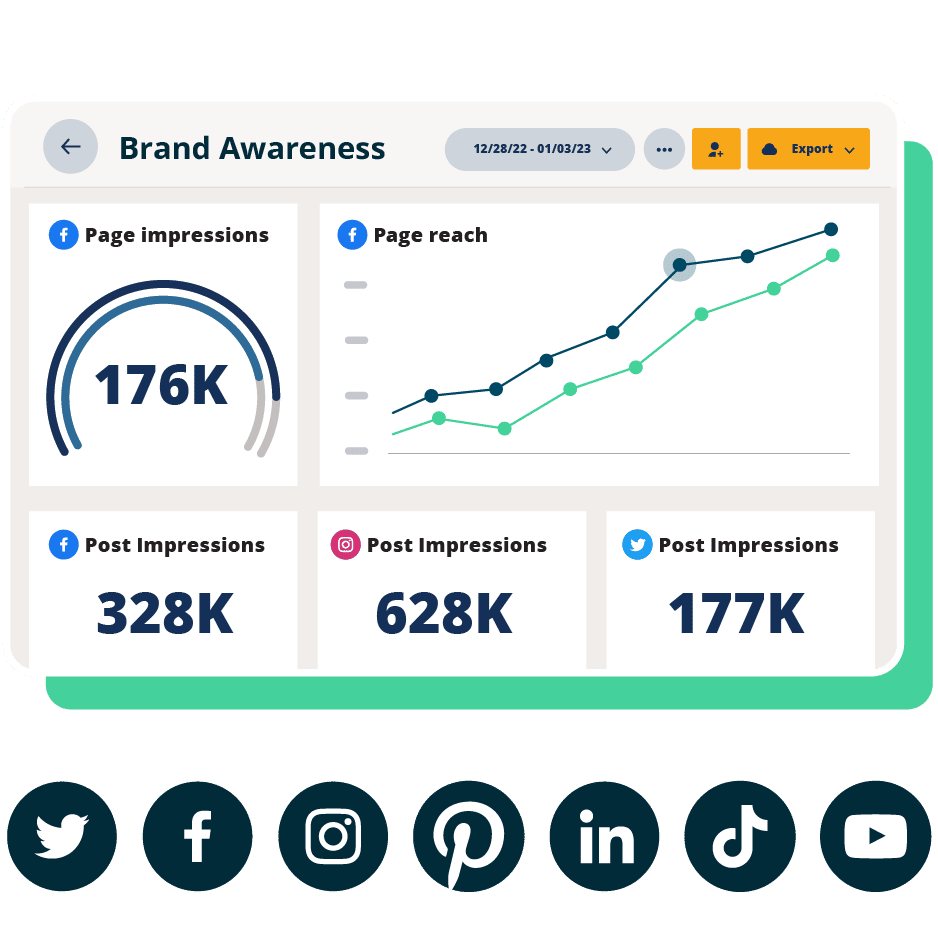
The practical application of these tools is best illustrated by recent success stories in the sports and entertainment sector. An NBA franchise, struggling to justify its social media spend, implemented the Talkwalker by Hootsuite platform to overhaul its content strategy.
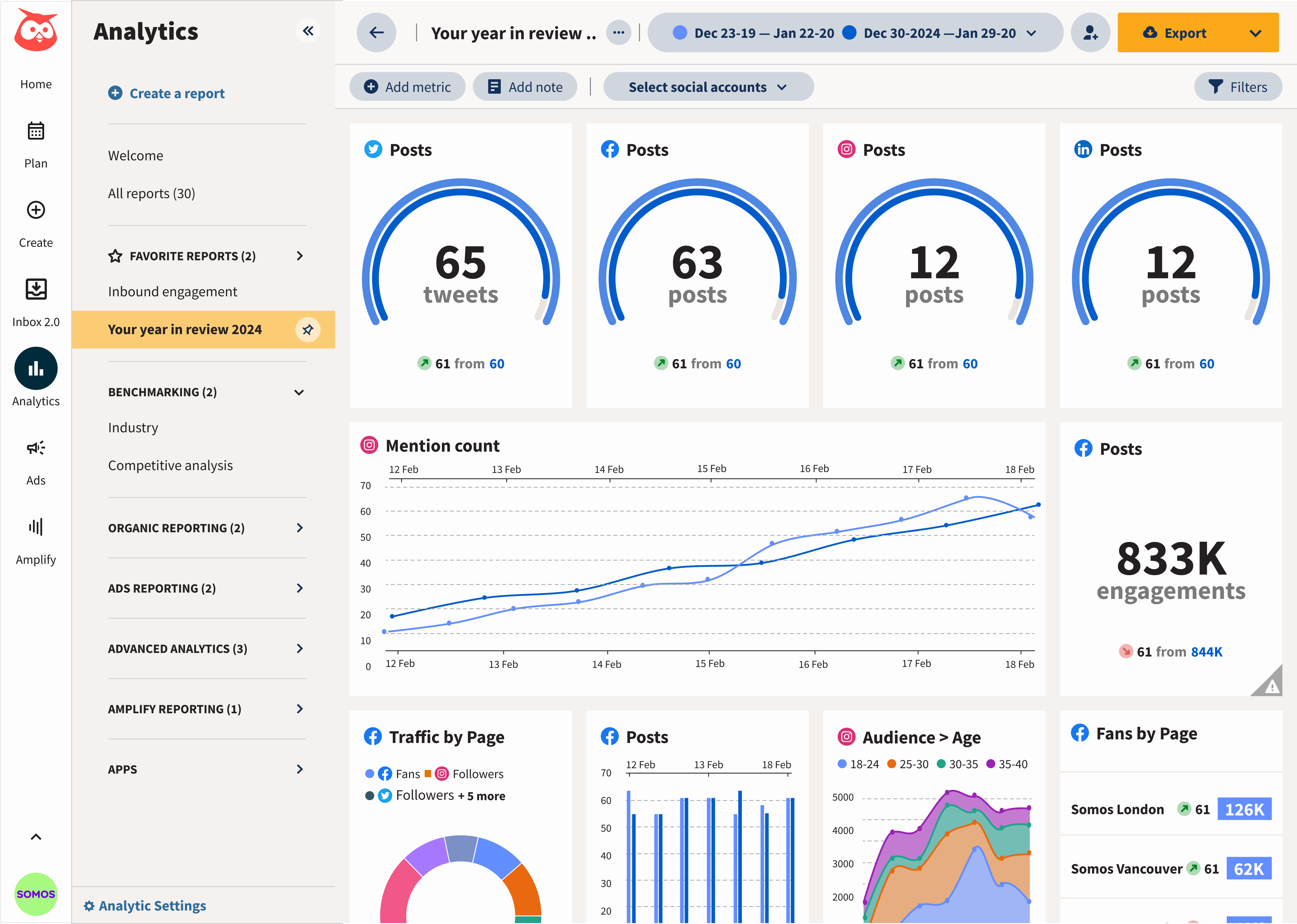
By using AI to analyze fan engagement, the team discovered that their audience was significantly more interested in original, "behind-the-scenes" content than the repurposed game highlights they had been prioritizing. By shifting their content mix to 80% original footage, the team realized a 352% increase in video views and a 46% growth in total impressions season-over-season. This level of granularity—identifying exactly which emotional drivers resonated with fans—allowed the team to move from guessing to data-backed content creation.
Implications for Modern Marketers
The shift toward AI-powered social listening carries profound implications for how brands operate across six critical domains:

1. Proactive Crisis Management
The most dangerous threats to a brand are those that start as a whisper. AI tools monitor for anomalies in real-time. If a specific keyword or sentiment starts to trend negatively, the system triggers an instant alert, allowing for a strategic response before a "micro-issue" becomes a viral crisis.

2. Precision Influencer Marketing
Gone are the days of choosing influencers based solely on follower count. AI analyzes the impact of an influencer by measuring the relevance of their audience to your brand. It identifies creators who are actually driving conversations, ensuring partnerships are based on authentic influence rather than vanity metrics.
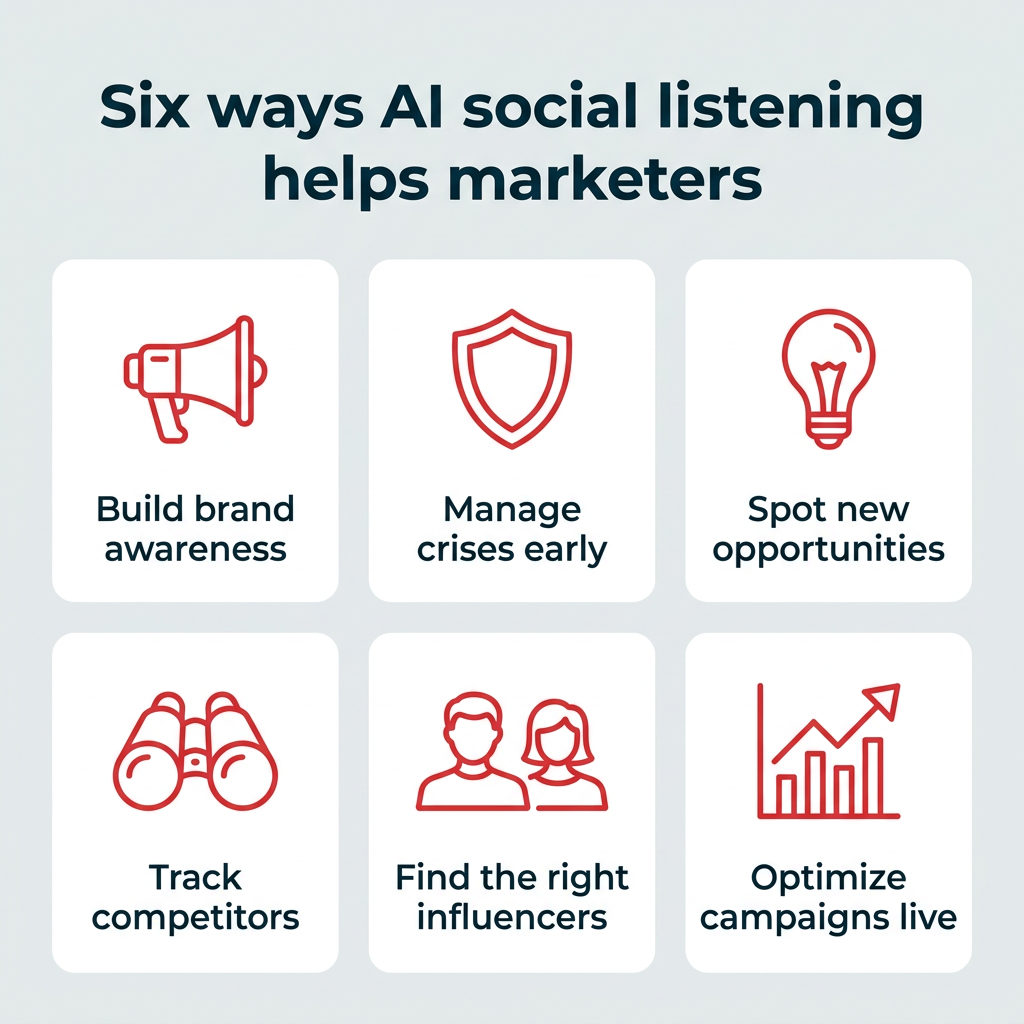
3. Real-Time Campaign Optimization
Marketing is no longer a "set-and-forget" activity. AI allows teams to monitor a campaign’s reception in real-time. If a messaging pivot is required due to confusion or unexpected sentiment, marketers can adjust the tone or focus of their content on the fly, effectively salvaging campaigns that might otherwise have failed.

4. Competitive Intelligence
Understanding your share of voice is critical, but understanding why you have that share is better. AI tools benchmark your performance against competitors, alerting you to their new product launches, messaging shifts, and successful campaigns as they unfold.

5. Product Innovation
Social media is the world’s largest focus group. By listening to organic conversations, brands can identify "market gaps"—unmet needs or common complaints about current industry offerings—that serve as a roadmap for R&D and product development.

6. Visual Intelligence
Brands are visual entities. When a product or logo appears in a meme, a TikTok video, or a podcast thumbnail, it represents an awareness opportunity. AI-driven visual listening captures these moments, allowing brands to track their presence in spaces where no text-based mention occurs.

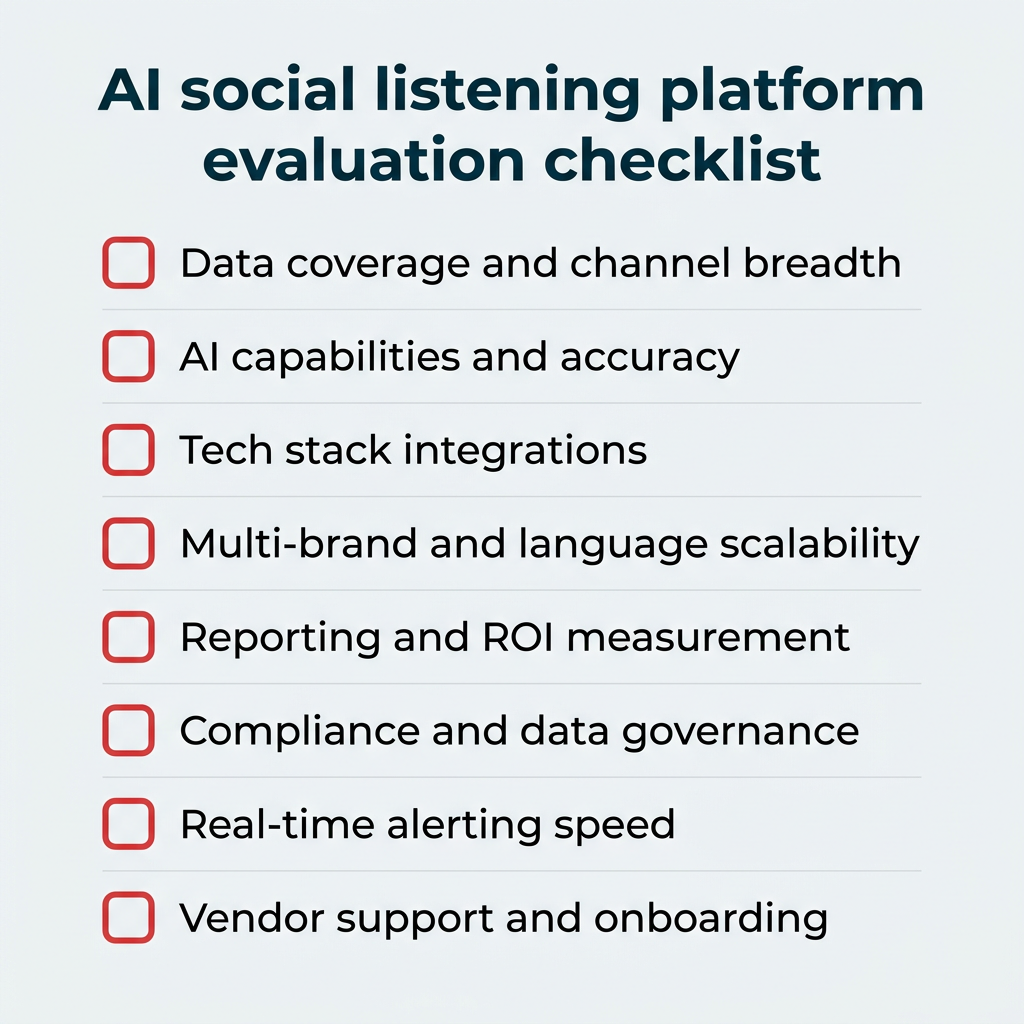
Selecting the Right Platform
For the enterprise buyer, the market is crowded with sophisticated options. The selection process should be guided by your specific organizational needs:

- For Integrated Workflows: Hootsuite remains the industry leader for teams that need to combine social listening with publishing, engagement, and reporting in a single, user-friendly interface.
- For Deep Enterprise Scale: Talkwalker by Hootsuite is the gold standard for organizations requiring advanced, multimedia listening, including the ability to monitor audio content in podcasts and videos.
- For Consumer Research: Brandwatch and YouScan excel in large-scale consumer intelligence, offering deep-dive data into market trends and visual identity.
- For PR and Media Intelligence: Meltwater provides a robust solution for brands that need to bridge the gap between traditional media (news/broadcast) and social conversations.
Addressing the Challenges of Implementation
While AI is a powerful ally, it is not a "magic button." Organizations must be prepared to address the inherent challenges of AI adoption:

- Data Overload: The goal is not to collect all data, but the right data. Successful teams must invest time in configuring their AI Query Builders to exclude noise.
- Contextual Accuracy: Despite advances in NLP, human language remains complex. Teams should periodically audit the AI’s sentiment scoring to ensure it is aligning with their brand’s specific vernacular.
- Human-in-the-Loop: AI provides the insights, but humans must determine the strategy. The most successful organizations use AI to inform their decisions, not to replace the critical thinking required to navigate sensitive brand narratives.
Conclusion: The Future is Responsive
As we look toward the latter half of 2026 and beyond, the gap between brands that listen and those that don’t will only widen. AI social listening has effectively democratized the ability to understand the customer at scale. It removes the guesswork from the creative process and replaces it with actionable, evidence-based intelligence.
For the modern marketer, the path forward is clear: integrate, automate, and analyze. By adopting these technologies, brands can stop merely "broadcasting" to their audience and start participating in the conversations that define their future. The technology is here, the data is abundant, and the brands that thrive will be those that learn to listen—really listen—to the world around them.


 Laily UPN
 Ammar Sabilarrohman