Laily UPN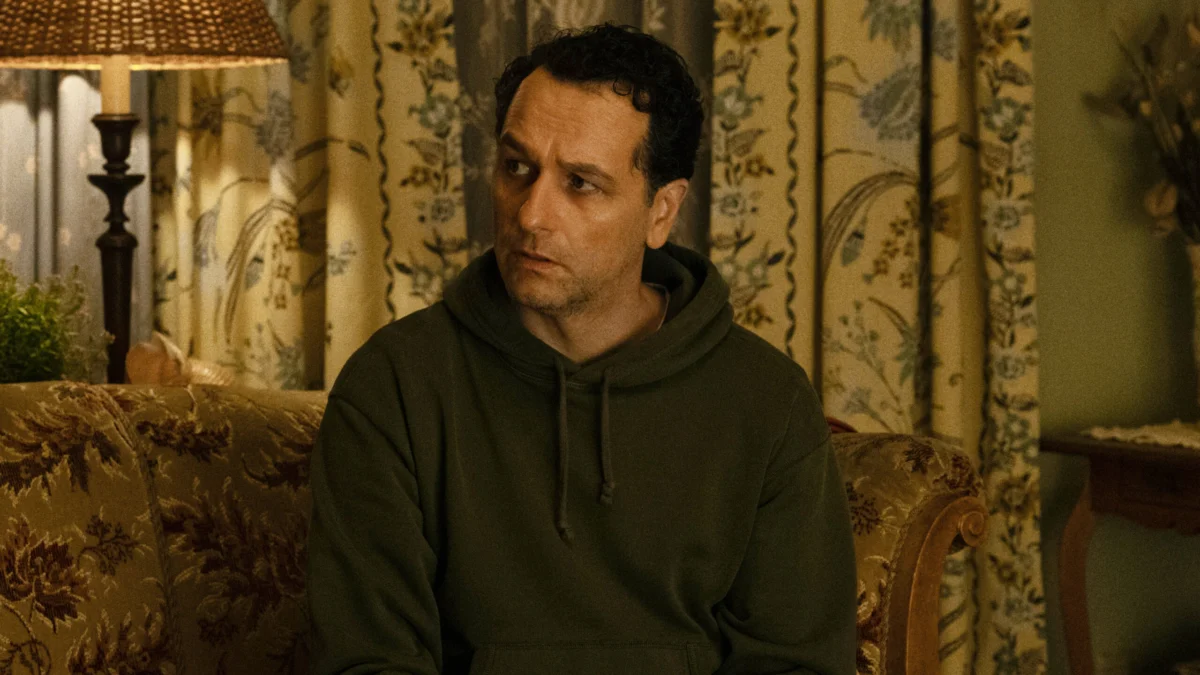
SPOILERS: This report contains significant plot details regarding the Season 1 finale of Widow’s Bay, titled "We Hope You Enjoyed Your Time!"
The fog surrounding the mysterious, isolated locale of Widow’s Bay may be thick, but the future of the hit Apple TV series is clearer than ever. Following a breakout first season that blended atmospheric dread with sharp, character-driven tension, Apple TV officially renewed the series for a second season last week. As audiences process the harrowing revelations of the season finale, series creator Katie Dippold has stepped forward to peel back the layers of the island’s dark mythology and the tragic burden now resting on the shoulders of Mayor Tom Loftis.
The Weight of the Crown: Mayor Loftis’s Tragic Discovery
The Season 1 finale, "We Hope You Enjoyed Your Time!", delivered a gut-wrenching twist that fundamentally altered the trajectory of the show. For Mayor Tom Loftis, portrayed with weary complexity by Matthew Rhys, the island has long been a prison disguised as a home. His desperate ambition to escape the suffocating reach of the island’s centuries-old curse has been the series’ narrative engine, but the finale revealed that the stakes were far more personal than he ever dared to imagine.
The core of the island’s conflict revolves around the bloodline of its founder, Richard Warren (Hamish Linklater). The supernatural mandate is clear: the curse remains absolute as long as the Warren lineage survives. Throughout the season, Loftis believed he had identified the final link in the form of the elderly Ruth Livingston (K Allan). However, in a moment of devastating clarity, Loftis discovered that Ruth was not the end of the line, but rather the secret mother of his late wife, Lauren.

This revelation makes Loftis’s son, Evan (Kingston Rumi Southwick), the true final descendant of Richard Warren. "God help him if anyone on the island finds out," Dippold told Deadline. For a man who has spent his entire tenure as Mayor attempting to safeguard his town while grappling with the impossible, the realization that his own flesh and blood is the anchor for the island’s suffering is a crushing blow.
Chronology of a Curse: From 1702 to the Present Day
To understand the gravity of the finale, one must look at the historical framework established by Dippold throughout the season. The show’s mythology is rooted in a brutal 1702 origin, a period revisited through flashback episodes that highlighted the foundational sin of Richard Warren.
The "underground torture chamber" discovered in the finale serves as a physical manifestation of this history. As Dippold explains, the chamber is not a modern aberration but a legacy of the island’s earliest days. "It’s a system that they’ve come up with that you see back in 1702 when Sarah Warren finds that room," says Dippold. "It’s a system that they’ve modernized over the years to keep things quiet and safe and calm."
The chronology of the show’s tension has been carefully metered. While the series maintains a "monster-of-the-week" procedural structure, the serialized mystery of the island’s origins and the Warren bloodline has consistently raised the stakes. The finale’s conclusion—where the storm briefly abates following a sacrifice—suggests a momentary reprieve, yet the ominous tolling of the bells serves as a reminder that the island’s appetite is far from sated.

Balancing the Macabre with the Mundane
A hallmark of Widow’s Bay is its delicate, often jarring, tonal balance. Dippold, who cut her teeth in the writers’ rooms of iconic comedies, has meticulously crafted a show that refuses to fall into the trap of parody.
"I don’t know that I would have watched that show [if it were just a spoof]," Dippold admitted. "As a horror fan, I just want to be immersed in the island. I want to feel like I’m in New England. I want to feel like I am isolated."
The challenge, according to the creator, was maintaining enough humor to keep the audience grounded without undercutting the genuine terror of the narrative. "There’s a lot of blink-and-you-miss-it kind of moments," she explains. "It’s about being okay with people potentially missing the joke, because it’s better that than shining a spotlight on it so much that you think, ‘Oh, I’m watching a comedy show.’"
This restraint is evident in the performance of Hamish Linklater. His portrayal of Richard Warren required a transition from a dry, colonial-era historical figure to a supernatural entity—a task that required immense trust between the actor and the showrunner. Dippold notes that Linklater’s ability to completely transform—so much so that she occasionally forgot he was the same actor who starred in Midnight Mass—was pivotal to the show’s success.

Official Insights: The Philosophy of Acceptance
When asked about the underlying themes of the show, Dippold points to "acceptance" as the primary psychological thread connecting the characters. Mayor Loftis, in particular, represents the struggle of the individual against an inescapable environment.
"For Loftis, who has had dreams of getting off this island, first he wants to make it a better place because deep, deep down, he knows his son probably can’t leave because of what happened to his wife," Dippold observes. "You learn in the finale that deep down, he’s known all along."
This realization serves as a metaphor for the human condition—the transition from youthful, naive optimism to the difficult, often dark reality of adulthood. The island is, in many ways, a stand-in for the "low lows" of life that one cannot simply flee. Loftis’s arc in the finale is the tragic acceptance that his life, and the life of his son, are irrevocably tied to the soil of Widow’s Bay.
Implications for Season 2
With the renewal of the series, fans are already speculating on the implications of the Season 1 cliffhanger. If Evan is the final descendant, what does that mean for his survival?

Dippold’s comments regarding the "bells still ringing" suggest that the reprieve the characters feel is fragile at best. The existence of the torture chamber and the secrets held by characters like Wyck (Stephen Root) suggest that the island’s hierarchy has plenty of buried secrets left to uncover.
"What exactly is under those doors, that would be for later," Dippold teased, signaling that the second season will likely pivot toward the systemic mechanisms that have kept the island "safe and calm" for centuries. Furthermore, the political instability in the town, compounded by the Mayor’s crushing secret, creates a pressure cooker environment. As the community begins to realize that the curse is not just a ghost story but a tangible, predatory force, the alliances forged in Season 1 will likely be tested to their breaking point.
Looking Ahead
The success of Widow’s Bay lies in its refusal to offer easy answers. It is a show that asks its audience to lean into the discomfort. By blending the isolation of New England gothic horror with the intricate character dynamics of a prestige drama, Dippold has created a world that feels both expansive and claustrophobic. As production gears up for the second season, the primary question remains: can the residents of Widow’s Bay ever truly reconcile with the forces that bind them, or will the island’s dark history inevitably consume the only people who know the truth?
For now, the storm has passed, but in the world of Widow’s Bay, the calm is merely a prelude to the next, inevitable descent into the dark.

 Basiran
 Siti Muinah