Reynand Wu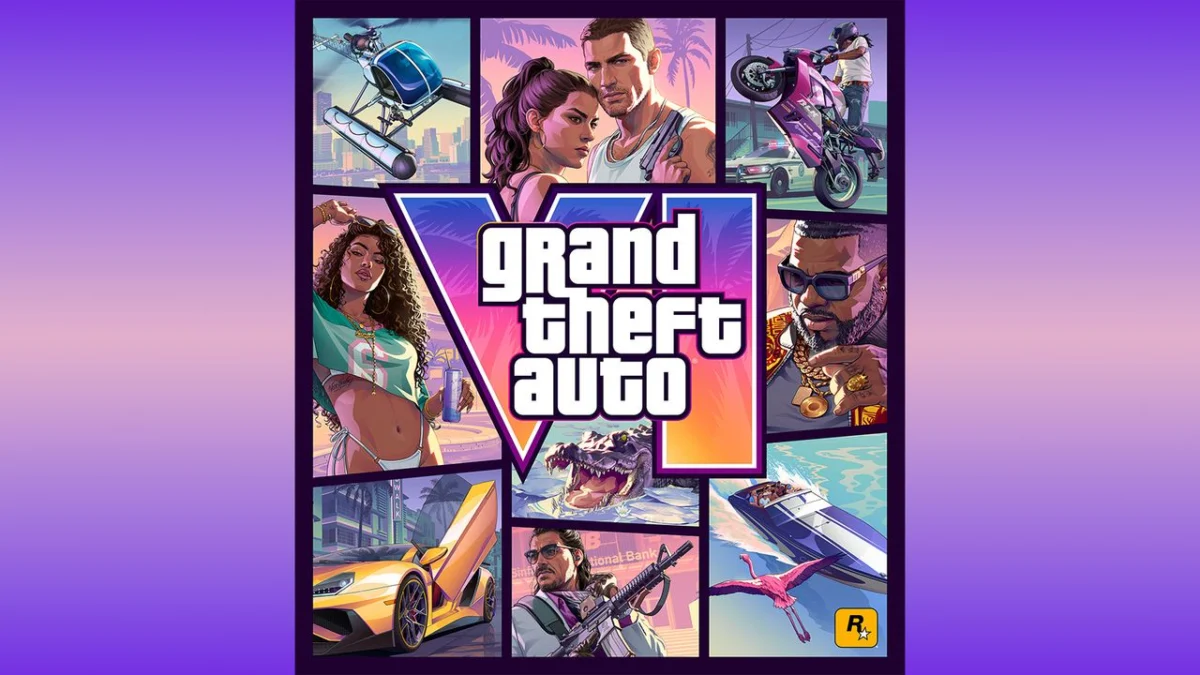
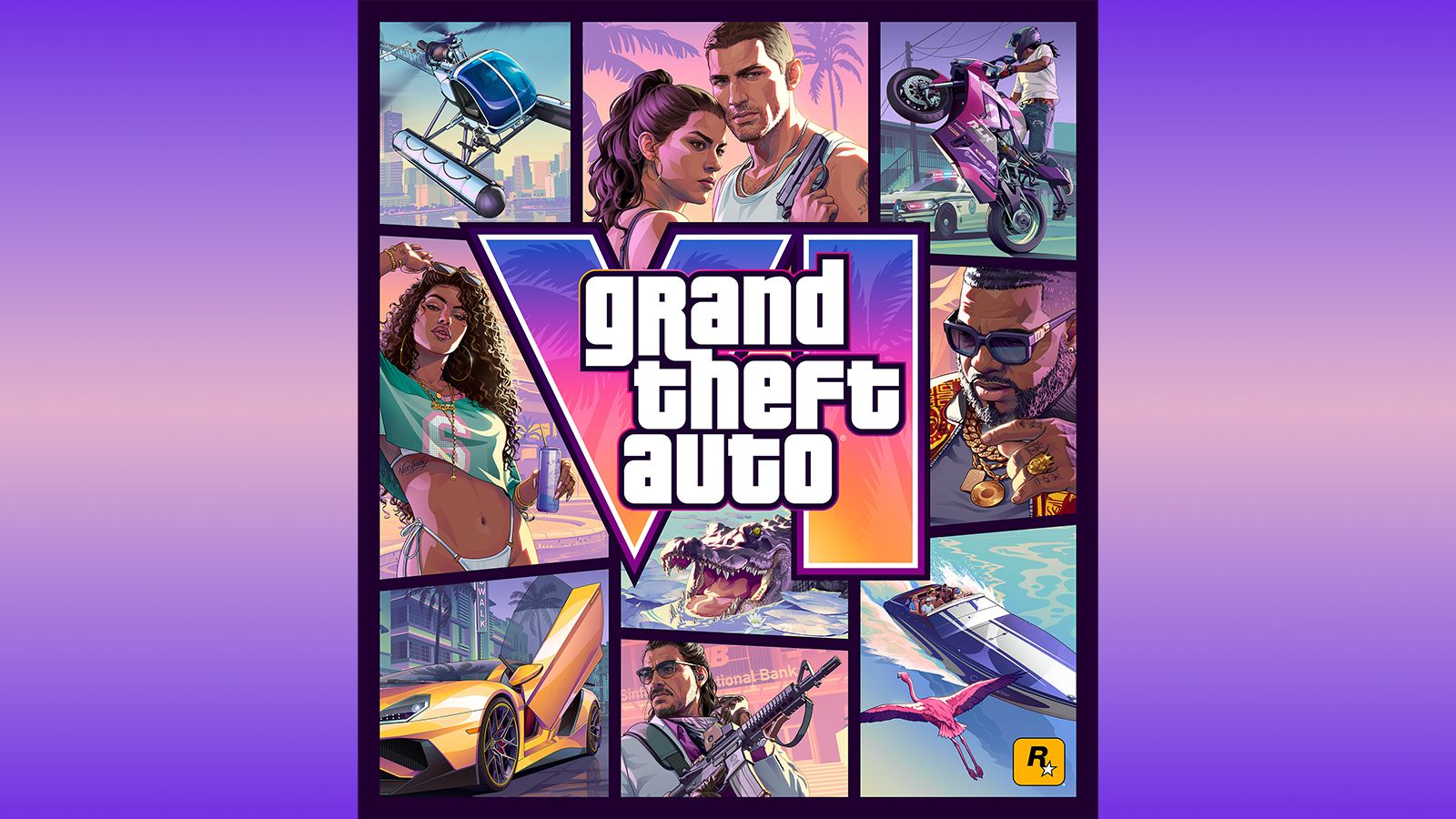
The gaming industry holds its collective breath whenever Rockstar Games makes a move, but the recent unveiling of the official Grand Theft Auto VI box art has sent shockwaves through the community that transcend mere marketing. In a strategic, 30-second reveal that felt as much like a cultural event as a product announcement, Rockstar has confirmed that the long-awaited return to the neon-soaked streets of Vice City is finally within reach.
As the iconic grid of stylized, comic-book-inspired panels appeared—a visual shorthand that has defined the series since Grand Theft Auto III—it became clear that Rockstar is leaning into its own legacy. This is more than just a cover; it is a statement of intent, a promise of consistency, and a masterclass in brand identity.
The Visual Legacy: Why the Box Art Matters
For decades, the Grand Theft Auto franchise has utilized a specific visual language. The collage of panels, each featuring a snapshot of a character, a vehicle, or an explosive set piece, serves as a narrative preview. It functions as a storyboard for the chaos to come. By adhering to this aesthetic, Rockstar is signaling that while the technology has evolved—and the budget has ballooned—the soul of the series remains anchored in the same satirical, high-octane DNA that made the franchise a global phenomenon.
The art itself evokes a distinct sense of nostalgia for the original Vice City, yet it is clearly modernized for the current generation of hardware. It isn’t just a callback; it is a refinement. In an era where game marketing is increasingly focused on cinematic trailers and "in-engine" footage, the simplicity of a static, illustrated box art remains a powerful tool for brand recognition. It bridges the gap between the player’s history with the series and the impending future of the franchise.
Chronology of the Hype Cycle
The path to this box art reveal has been one of the most protracted and scrutinized development cycles in the history of interactive entertainment. To understand the significance of this moment, one must look back at the timeline of the project:
- 2013–2014: Following the monumental success of Grand Theft Auto V, speculation regarding a sequel begins almost immediately.
- 2018–2020: Development rumors swirl as Rockstar focuses on Red Dead Redemption 2, leaving fans to speculate on the scale of the next entry.
- 2022: A massive, unauthorized leak provides an early glimpse into the game’s development, confirming the dual-protagonist narrative and the setting of Vice City.
- December 2023: The official trailer drops, shattering YouTube records and confirming the game’s 2025 release window.
- June 2024: Rockstar releases the official box art and announces the commencement of pre-orders, shifting the narrative from "speculation" to "imminent reality."
This timeline highlights a decade of anticipation. For many fans, the box art isn’t just an image; it is the final piece of the puzzle that proves the game is officially moving toward a retail launch.
Supporting Data: The Cost of Ambition
Behind the artistic choices and the marketing hype lies a financial reality that is, quite frankly, unprecedented. Industry analysts have long suggested that Grand Theft Auto VI represents the most expensive entertainment product ever created.
Rumors regarding the development budget suggest a figure somewhere between $1 billion and $2 billion. When analyzed against a development cycle that has spanned over a decade, these numbers begin to make sense. Rockstar is not just building a game; they are building a persistent, evolving digital ecosystem.
The economic pressure to recoup these costs is significant. This leads to the burning question on every gamer’s mind: What will the price point be?
While the standard retail price for AAA games has shifted from $60 to $70, industry insiders are debating whether GTA VI will be the title that breaks the $80 or even $100 barrier for a base edition. Given the sheer scale of the world—which is rumored to be the most detailed open-world environment ever rendered—Rockstar may feel justified in pushing the boundaries of software pricing. With pre-orders opening on June 25, the industry will finally see how Rockstar positions itself in an increasingly inflationary market.
Official Responses and Strategic Positioning
Rockstar Games has maintained its characteristic silence regarding the specifics of the game’s pricing and microtransaction models. Their strategy has always been one of "quality over quantity" in terms of communication. By allowing the box art and the trailers to do the heavy lifting, they maintain an aura of mystery that competitors spend millions trying to manufacture.
The decision to open pre-orders on their own website is a tactical move designed to capture the maximum margin per unit, bypassing third-party retailers where possible. It also allows them to control the messaging surrounding pre-order bonuses and collector’s editions, which are expected to be unveiled in the coming weeks.
Implications for the Gaming Industry
The release of GTA VI is set to be a "market-moving" event. Historically, the launch of a Grand Theft Auto title creates a "black hole" effect, where it draws attention, capital, and player engagement away from virtually every other title in the market.
1. The Benchmark for Open-World Design
Technologically, the game is expected to set a new bar for AI, physics, and environmental interactivity. The "comic book" aesthetic of the box art suggests a focus on characters that are larger than life—a return to the satirical caricatures that defined the series’ writing style. If the game delivers on the technical promises suggested by the visuals, it will likely render current-generation benchmarks obsolete.
2. The Shift in Monetization
The inclusion of a deep, potentially long-term online component (the successor to GTA Online) is almost guaranteed. The financial model of GTA VI will likely influence the next decade of "live service" gaming. If Rockstar successfully charges a premium price and sustains a massive recurring revenue stream, it will cement the "games as a service" model as the gold standard for AAA publishers.
3. Cultural Impact
Beyond the financials, GTA VI will be a test of the series’ cultural relevance in a modern era. The franchise has often been criticized for its edgy humor and depiction of American society. Navigating a cultural landscape that is significantly more polarized and sensitive than it was during the GTA V era (2013) will be the company’s biggest challenge. The box art suggests a bold, unapologetic return to form, signaling that Rockstar is not interested in tempering its satirical edge.
Conclusion: A New Chapter Begins
As the date for pre-orders approaches on June 25, the excitement surrounding Grand Theft Auto VI is reaching a fever pitch. The box art, while familiar, serves as a comforting reminder of the series’ consistency. It tells us that despite the years of development, the ballooning budgets, and the massive weight of expectation, we are returning to the chaos, the satire, and the adrenaline that only Rockstar Games can deliver.
Whether it costs $70, $80, or more, the reality is that the market is ready. The box art is the key, and the door to Vice City is finally swinging open. For a decade, we have waited for the next evolution of the series; it now appears that the wait is finally over, and the return to the neon-drenched streets of Florida is closer than ever.
As we look toward the launch, one thing is certain: Grand Theft Auto VI will not just be a game; it will be the defining media event of the decade. The grid of panels on the box art is only the beginning—the real story will be written by the millions of players who will eventually step into this sprawling, satirical, and highly anticipated world.


 Neng Nana
 Dwi Wanna