Nana Muazin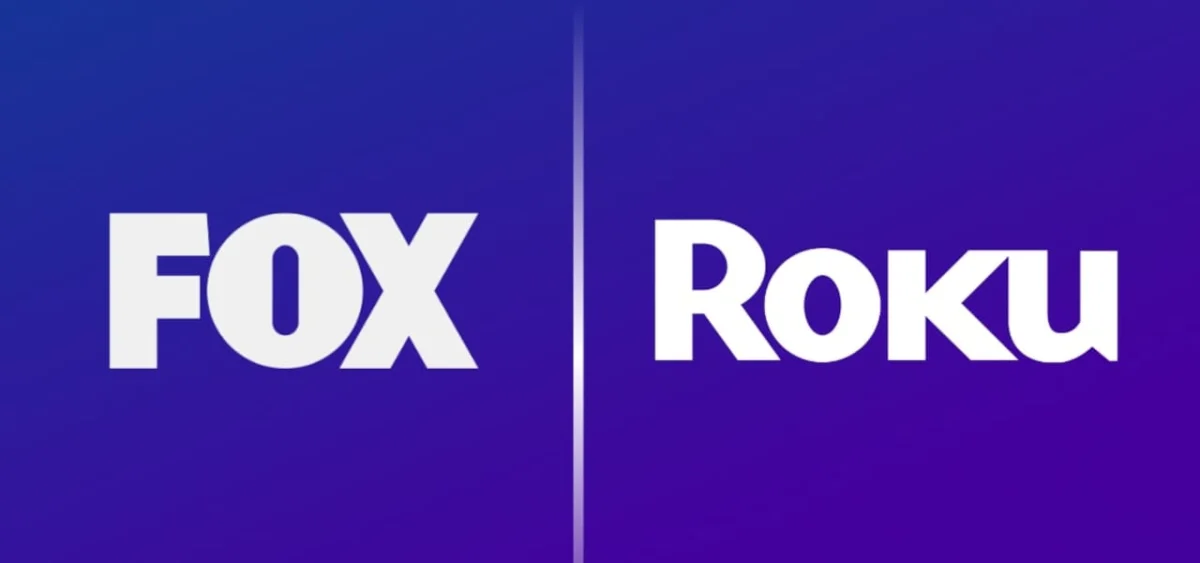
By Editorial Staff
June 18, 2026
In a move that promises to redraw the map of the modern digital entertainment landscape, Fox Corporation has officially announced its acquisition of streaming giant Roku for a staggering $22 billion. While the merger is being positioned by Fox executives as a strategic expansion into the digital-first ecosystem, industry analysts are reading between the lines: this is not merely a purchase of hardware and software; it is a masterstroke in controlling the infrastructure of the American living room.
As the industry grapples with the fallout of this massive consolidation, the deal serves as a grim reminder that in the "Streaming Wars," the most valuable asset is no longer the content itself—it is the screen the content appears on.
The Main Facts: A Convergence of Power
The deal, valued at $22 billion, represents one of the most significant media acquisitions of the decade. By absorbing Roku, Fox gains direct access to a platform that serves as a vital gateway for over 100 million households globally.
For years, Roku has operated as a "neutral" arbiter of streaming, hosting a vast ecosystem that includes industry titans like Netflix, Disney+, and YouTube, alongside niche services like Crunchyroll. By bringing this platform under the Fox umbrella, the Murdochs are essentially acquiring the "digital cable box" of the 21st century. This acquisition integrates Roku’s robust operating system, proprietary advertising technology, and granular user-data analytics into a portfolio that already boasts the broadcast reach of Fox News, Fox Sports, and the increasingly dominant free-ad-supported streaming television (FAST) service, Tubi.
Chronology: The Road to Consolidation
The trajectory leading to this acquisition has been marked by a decade of rapid transformation in how viewers consume media.
- 2014–2018: The Rise of the Gateway. Roku successfully transitioned from a hardware manufacturer (the small streaming stick) to a platform-as-a-service model, licensing its OS to smart TV manufacturers like TCL and Hisense.
- 2019–2022: The Streaming Explosion. As major studios launched their own platforms, Roku’s value soared. It became the essential "aggregator" that prevented consumers from being lost in a fragmented landscape of apps.
- 2023–2025: The Market Correction. Following the post-pandemic streaming slump, Roku faced intense pressure from Big Tech (Amazon’s Fire TV and Google TV). Meanwhile, Fox successfully scaled Tubi, realizing that the future of linear-style viewing was not in paid subscriptions, but in ad-supported streaming.
- Early 2026: Secret Negotiations. Whispers of a potential sale began in Q1 of 2026, as Roku’s stock volatility and the escalating costs of maintaining a platform ecosystem made an exit to a well-capitalized media giant inevitable.
- June 2026: The Deal Signed. Fox officially announces the acquisition, sparking immediate debate regarding market dominance and vertical integration.
Supporting Data: Why Roku Matters
To understand why Fox would shell out $22 billion, one must look at the data points that define Roku’s dominance:
- Market Reach: Roku currently commands one of the largest shares of the U.S. smart TV market. This provides Fox with unprecedented insight into consumer viewing habits, down to the second.
- Advertising Dominance: Roku’s advertising technology, which allows for highly targeted, dynamic ad insertion, is considered best-in-class. When coupled with Fox’s existing ad inventory and Tubi’s growth, Fox essentially becomes a vertical advertising powerhouse capable of selling spots across the entire funnel.
- The "Neutrality" Premium: Roku’s primary value has been its position as a "Switzerland" of streaming. By purchasing this neutral ground, Fox gains the ability to prioritize its own content (like Fox Sports or Tubi originals) via algorithmic placement, while simultaneously collecting "tax" from competitors who want to remain visible on the platform.
Official Responses and Corporate Strategy
In the immediate wake of the announcement, Fox Corporation released a statement intended to soothe the nerves of competitors and regulators alike.
"Roku will remain an open, agnostic platform," a Fox spokesperson stated. "Our goal is to enhance the user experience by leveraging our expertise in live television and sports, ensuring that the Roku ecosystem remains the most intuitive interface for viewers worldwide."
However, industry insiders are skeptical. "If you own the store, you naturally put your own products on the eye-level shelves," notes media analyst Sarah Jenkins. "Fox can claim they won’t prioritize their content, but the architecture of the Roku OS is now theirs to tinker with. The temptation to favor their own high-margin programming will be immense."
From the perspective of Roku’s board, the deal is framed as a necessary evolution. Facing fierce competition from deep-pocketed rivals like Amazon, Google, and Apple, Roku was arguably reaching the ceiling of its growth as a standalone company. Joining a media conglomerate provides the capital depth required to compete in a hardware-intensive, low-margin industry.
The Broader Implications: A Shifting Ecosystem
The Fox-Roku deal is not an isolated event; it is a symptom of a larger, systemic consolidation of the media landscape.
.png)
The Death of Independent Discovery
For creators and smaller, independent production houses, this acquisition is a warning sign. As media conglomerates own both the production studios and the distribution channels, the "gatekeeper" effect intensifies. Smaller entities will find it increasingly difficult to get their content discovered on platforms that are incentivized to promote the owner’s internal library.
The Homogenization of Content
When a handful of companies own the entire pipeline—from the camera that films the show to the streaming stick that displays it—the incentive for creative risk-taking diminishes. Algorithms trained to maximize ad revenue and retention often favor safe, predictable content over experimental or challenging narratives. We are moving toward a television landscape defined by "algorithmic efficiency" rather than cultural impact.
The Regulatory Landscape
Perhaps the most concerning aspect for some industry observers is the lack of regulatory friction. Following the Department of Justice’s recent, rapid approval of the Paramount-Warner Bros. Discovery merger, there is a sense of inevitability regarding these massive horizontal and vertical integrations. With the DOJ appearing to prioritize market scale over competition, the Fox-Roku deal may face little to no meaningful opposition in Washington.
Conclusion: The New Reality
The Fox-Roku acquisition signals the end of the "Wild West" era of streaming. We are entering an era of "Platform Feudalism," where a few dominant entities control the pathways of digital consumption.
For the average viewer, the immediate impact may be negligible—a new menu layout here, a slightly different ad load there. But for the health of the broader entertainment ecosystem, the stakes could not be higher. The consolidation of ownership suggests that the future of television will be defined not by a diversity of voices, but by the efficiency of the conglomerates that carry them. As the dust settles on this $22 billion deal, one thing is certain: the era of the neutral platform is officially over. The gatekeepers have moved in, and they have no intention of leaving.


 Neng Nana
 Dwi Wanna