Suro Senen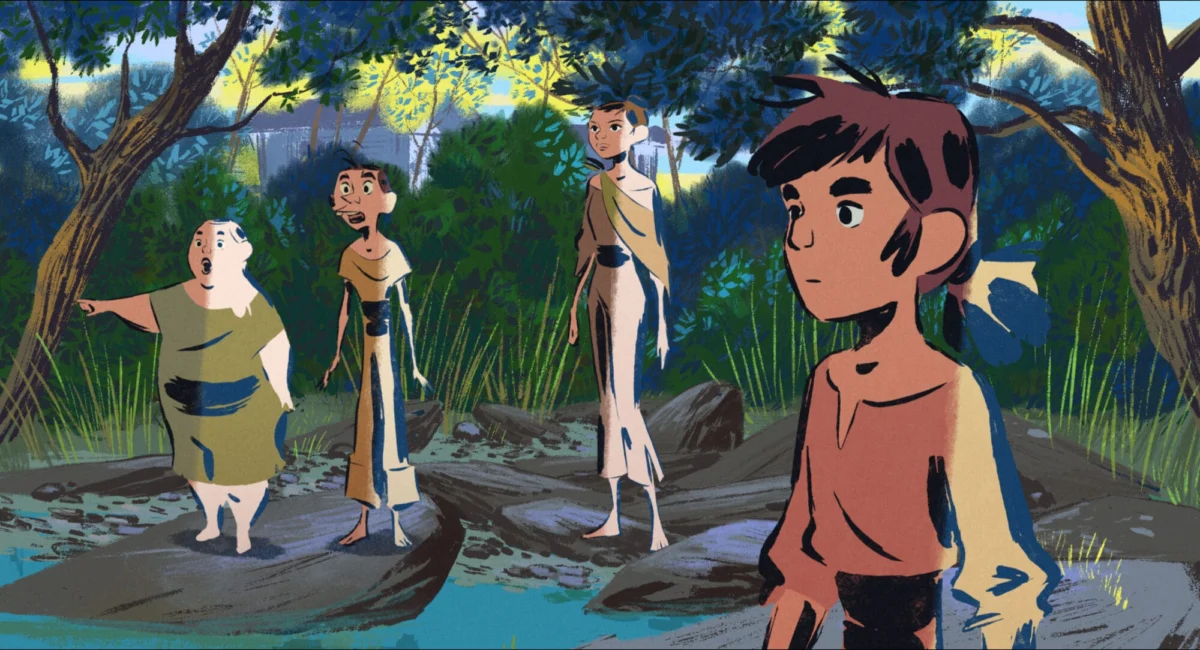
Animation, much like the iconic, untamable protagonist of Georges Bizet’s 1875 opera, is a "gypsy’s child." It knows no law, acknowledges no boundaries, and possesses a restless, transformative spirit. It is fitting, then, that Sébastien Laudenbach—a director who has built a career on pushing the medium’s boundaries—has turned his lens toward Carmen, the most-performed opera in history, to create a work that is as visually rebellious as its subject.
Following the success of The Girl Without Hands and his co-direction of the celebrated Chicken for Linda!, Laudenbach arrives at the Annecy International Animation Film Festival with Viva Carmen. Fresh from a lauded debut at the Cannes Directors’ Fortnight, the film is widely considered a frontrunner for this year’s prestigious Cristal award.
The Genesis of a Modern Tragedy
The project began nearly a decade ago, born from a casual conversation between Laudenbach and his longtime producer, Pierre-Henri Léon. The central question posed was deceptively simple: "What would it be like to view the tragedy of Carmen through the eyes of a child?"
In the traditional opera, a chorus of children appears early on, often relegated to the background. Laudenbach and screenwriter Santiago Otheguy seized upon this, elevating the children to the role of protagonists. In this iteration, the children are not mere spectators; they are aware of Carmen’s impending doom and act as a collective force of resistance, desperately attempting to rewrite the fate of the woman who embodies freedom.
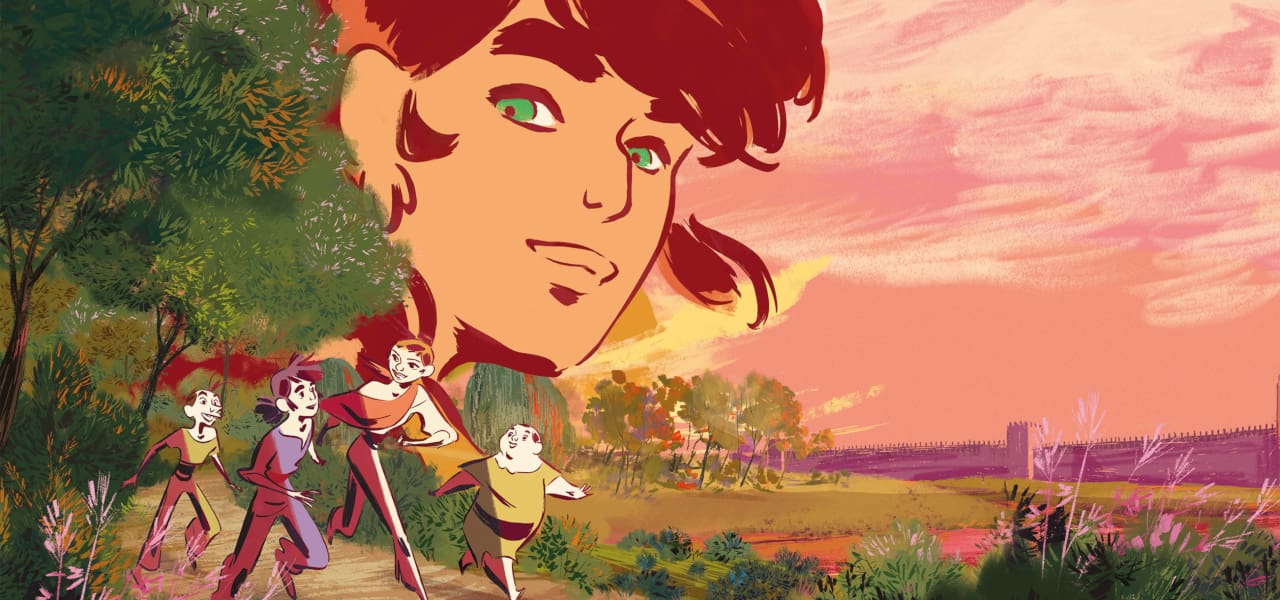
The development process was bolstered by the involvement of Damien Brunner of Folivari. For Brunner, the project was deeply personal; his background in architecture and his heritage as the son of a Spanish mother allowed him to provide a nuanced, structural understanding of the Andalusian setting that grounds the film’s operatic intensity.
Chronology: From Concept to Competition
The journey of Viva Carmen spans eight years of meticulous creative evolution:
- 2018–2019: Conceptualization begins. Laudenbach and Otheguy establish the narrative arc, focusing on the child-centric perspective and the theme of proactive resistance against inevitable tragedy.
- 2020–2021: Early development phase. The team recruits a powerhouse creative trio: Elodie Rémy (production design), Eléa Gobbé-Mévellec (character design), and Cyril Pedrosa (graphic design). This period marks a shift from solo authorship to a highly collaborative, "porous" creative environment.
- 2022–2023: Scouting and visual identity. Rémy and Pedrosa visit Seville to immerse themselves in the geography and light of the region. The team solidifies the film’s distinct aesthetic—a play of deep shadows and vivid, saturated colors.
- 2024–2025: Musical integration and animation. Composers Amine Bouhafa and Isabelle Laudenbach deconstruct Bizet’s score, weaving together famous motifs with obscure themes to create a bridge between classical opera and contemporary animation audiences.
- May 2026: World premiere at Cannes Directors’ Fortnight.
- June 2026: Official selection for the feature film competition at the Annecy International Animation Film Festival.
Crafting a Collective Aesthetic
A defining feature of Viva Carmen is its visual departure from traditional animation tropes. Laudenbach admits that in the early stages, he struggled to visualize the film, a creative block that served as a catalyst for deeper collaboration.
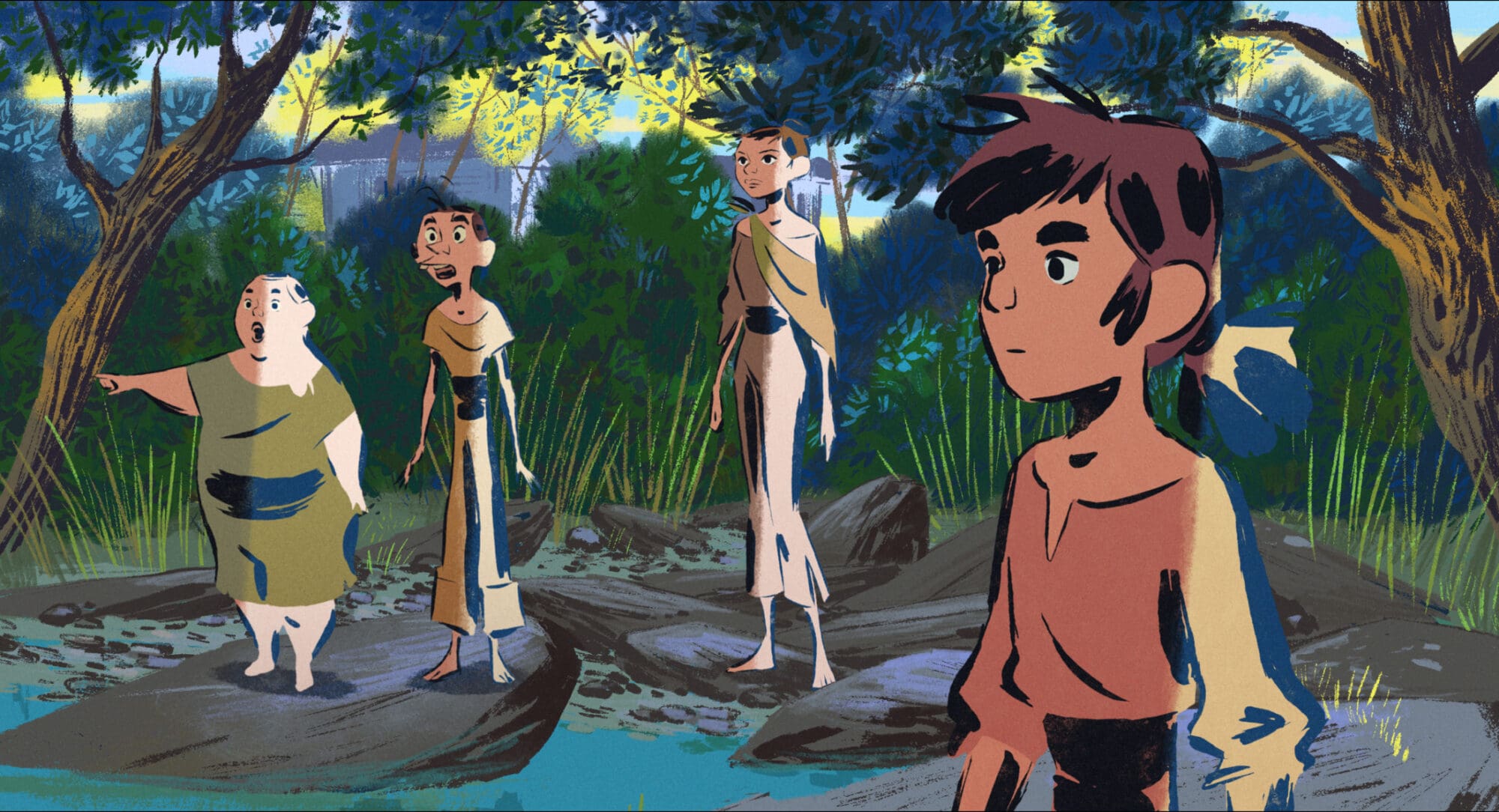
"When I met Cyril Pedrosa, he immediately created spaces, characters, and very concrete elements," Laudenbach notes. The synergy between Rémy, Gobbé-Mévellec, and Pedrosa was so profound that the final product became a unified tapestry. The team achieved a visual language characterized by strong contrasts, reflecting the duality of the story: the brightness of childhood hope against the dark, encroaching reality of systemic violence.

The animation style serves a narrative purpose. By stripping away the hyper-realism often found in modern features, the team utilized animation’s innate subjectivity to represent the world as a child might perceive it—full of sensory intensity, emotional extremes, and non-linear logic.
Addressing the Heavy: Femicide and Hope
Perhaps the most ambitious aspect of Viva Carmen is its unflinching approach to the source material. Carmen is, at its heart, a story of femicide. Translating such a mature, violent narrative for a young audience is a delicate tightrope walk.
Laudenbach draws parallels to the classic era of Disney, where films like Sleeping Beauty maintained a veneer of family-friendly charm while flirting with genuine darkness. "We are tackling some difficult topics in a direct way," he explains. "How do you tell a tragic tale for a young audience? We don’t hide the violence, but we contrast it with the children’s agency."
By giving the children the power to resist, the film shifts the narrative from one of passive victimhood to one of active engagement with injustice. This choice mirrors Laudenbach’s broader philosophy: that animation is the ultimate tool for discussing complex, adult themes—such as failure and resilience—without alienating the younger viewer.
Supporting Data: Production and Distribution
Viva Carmen is a robust international effort, reflecting the global appetite for high-quality, auteur-driven animation. The film was produced by Folivari, with significant financial and creative backing from:
- France 3 Cinéma: Providing essential support for French cultural production.
- Région Auvergne-Rhône-Alpes: Supporting the local animation ecosystem.
- La Garde Montante Films: Co-production partners.
International sales are being managed by Global Constellation, ensuring the film reaches audiences well beyond the European market. Distribution in France will be handled by Haut et Court Distribution, a company known for its commitment to distinctive and bold cinematic voices.
Implications: The Future of Animated Storytelling
The success of Viva Carmen at Cannes and its warm reception leading into Annecy signal a shifting trend in the animation industry. There is a growing desire for films that do not prioritize "success" as the only narrative outcome. Instead, Laudenbach champions a cinema of "failure and resilience."
"Today, many children’s films talk only about success," Laudenbach reflects. "But when we fail, what do we do next? We try to change the world."

The implication here is profound: animation is moving away from the sanitized, predictable formulas of the early 21st century toward a more subjective, experimental, and emotionally honest form of storytelling. By blending the grandeur of Bizet’s opera with the raw, chaotic energy of childhood, Laudenbach has created a film that doesn’t just adapt a classic—it interrogates it.
Furthermore, the "collective" nature of the production offers a blueprint for future studios. By fostering a workspace where the lines between production design, character design, and graphic art are blurred, Laudenbach suggests that the next generation of masterpieces will not be the result of a single "auteur’s" iron grip, but the result of a shared, porous creative vision.
As the industry converges on Annecy, Viva Carmen stands as a testament to the idea that animation is not merely a genre for the young, but a powerful medium for all. It serves as a reminder that even when the outcome is tragic, the act of coming together—to sing, to fight, and to witness—is, in itself, a victory. Whether or not it secures the Cristal, Viva Carmen has already succeeded in its primary goal: it has made us listen to an old story with new ears, and see it through a younger, more hopeful set of eyes.

 Laily UPN
 Basiran