Dwi Wanna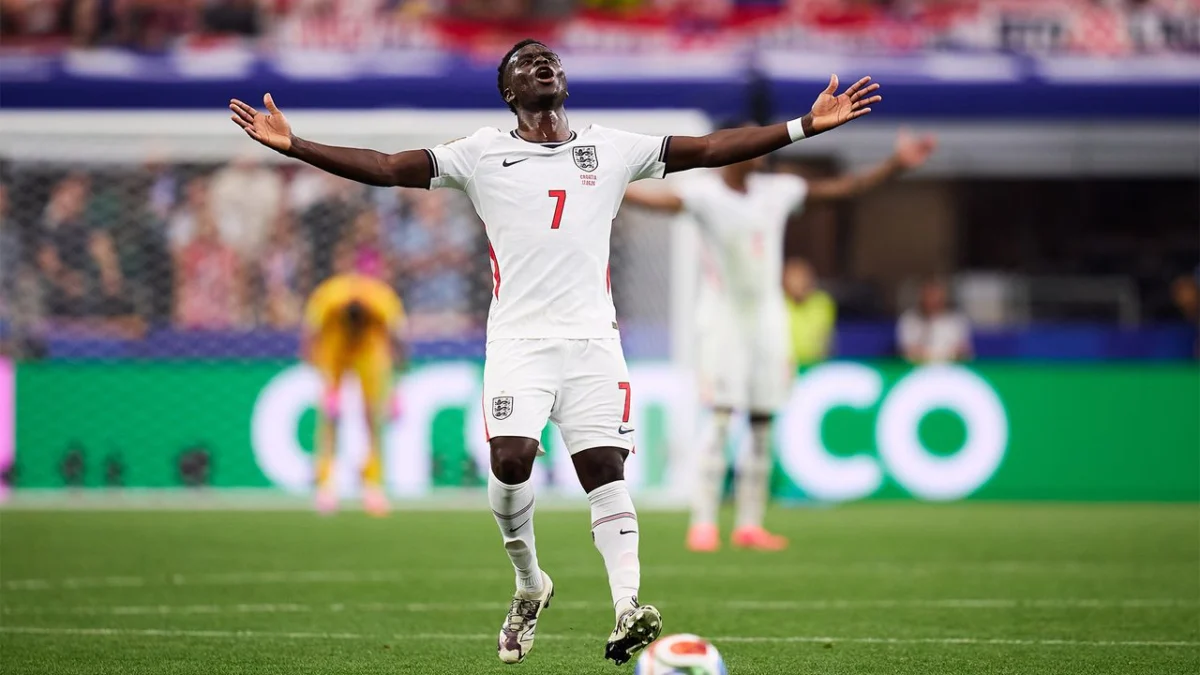
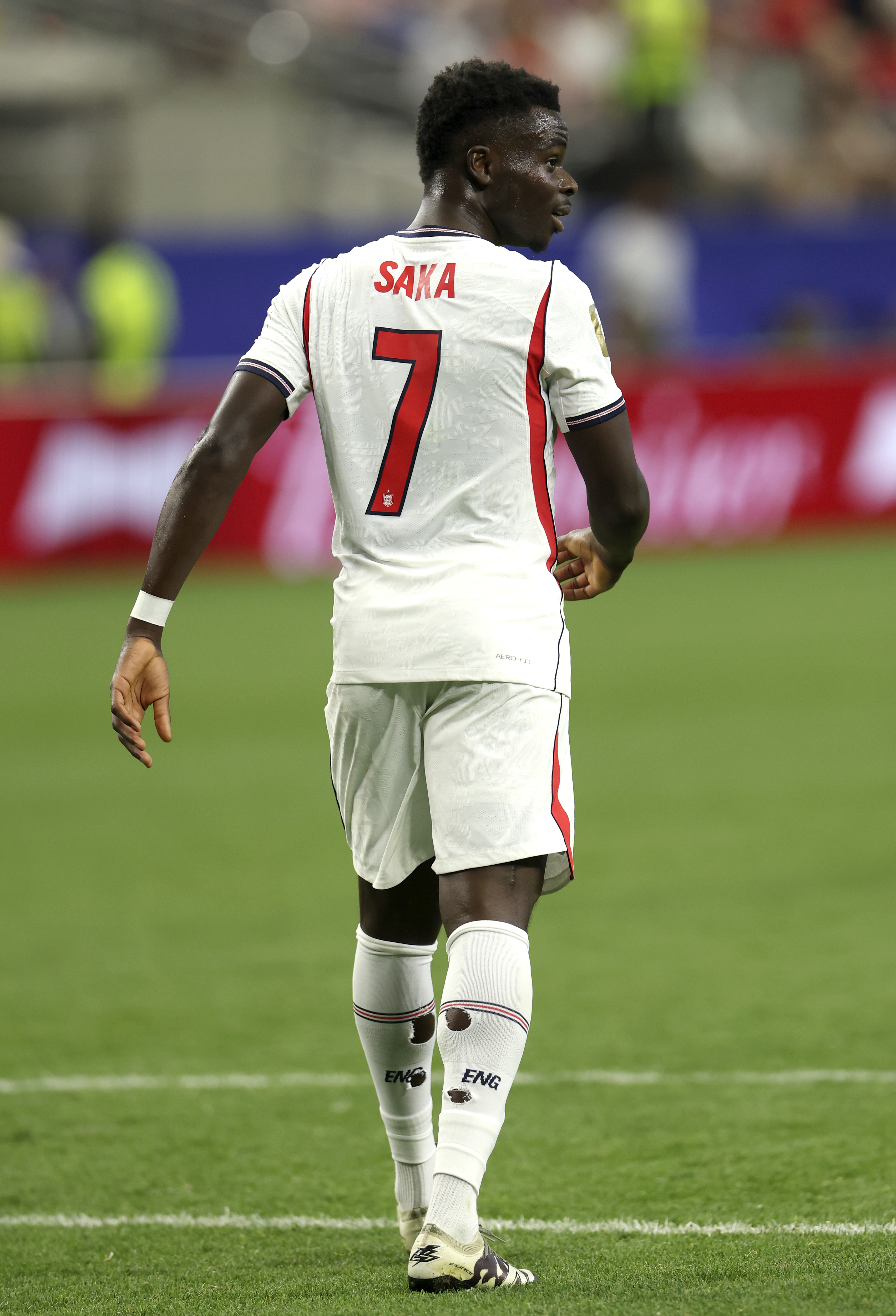
In the high-stakes, hyper-visual world of global football, personal branding has become as critical as on-pitch performance. As the 2026 FIFA World Cup captures the world’s attention, England’s talismanic forward Bukayo Saka has quietly signaled a significant shift in his commercial evolution. During recent tournament action, eagle-eyed observers spotted a subtle yet striking new logo gracing his footwear—a design that serves as the centerpiece for his latest collaboration with sportswear giant New Balance and luxury streetwear staple Stone Island.
This debut is not merely a branding exercise; it is a calculated expansion of Saka’s identity, blending the raw intensity of elite sport with the elevated aesthetic of contemporary fashion.
The Core Elements: Decoding the ‘BS’ Motif
The logo itself is a masterclass in minimalist design. Eschewing the cluttered, overly intricate crests often associated with professional athletes, the design features a stylized rendition of Saka’s initials, "BS," forged into a sharp, lightning-bolt motif.
The aesthetic choice is deliberate. The "lightning bolt" geometry implies speed, precision, and electricity—traits that define Saka’s playing style. By utilizing clean, geometric lines, the designers have ensured the logo remains legible and impactful, whether embroidered onto a high-performance cleat or printed on oversized, high-end lifestyle apparel. It is a bold, contemporary mark that captures a sense of modern dynamism while retaining a personal connection to the player himself.
Chronology: From Partnership to Personal Identity
The trajectory of Bukayo Saka’s partnership with New Balance provides a clear timeline for this evolution.
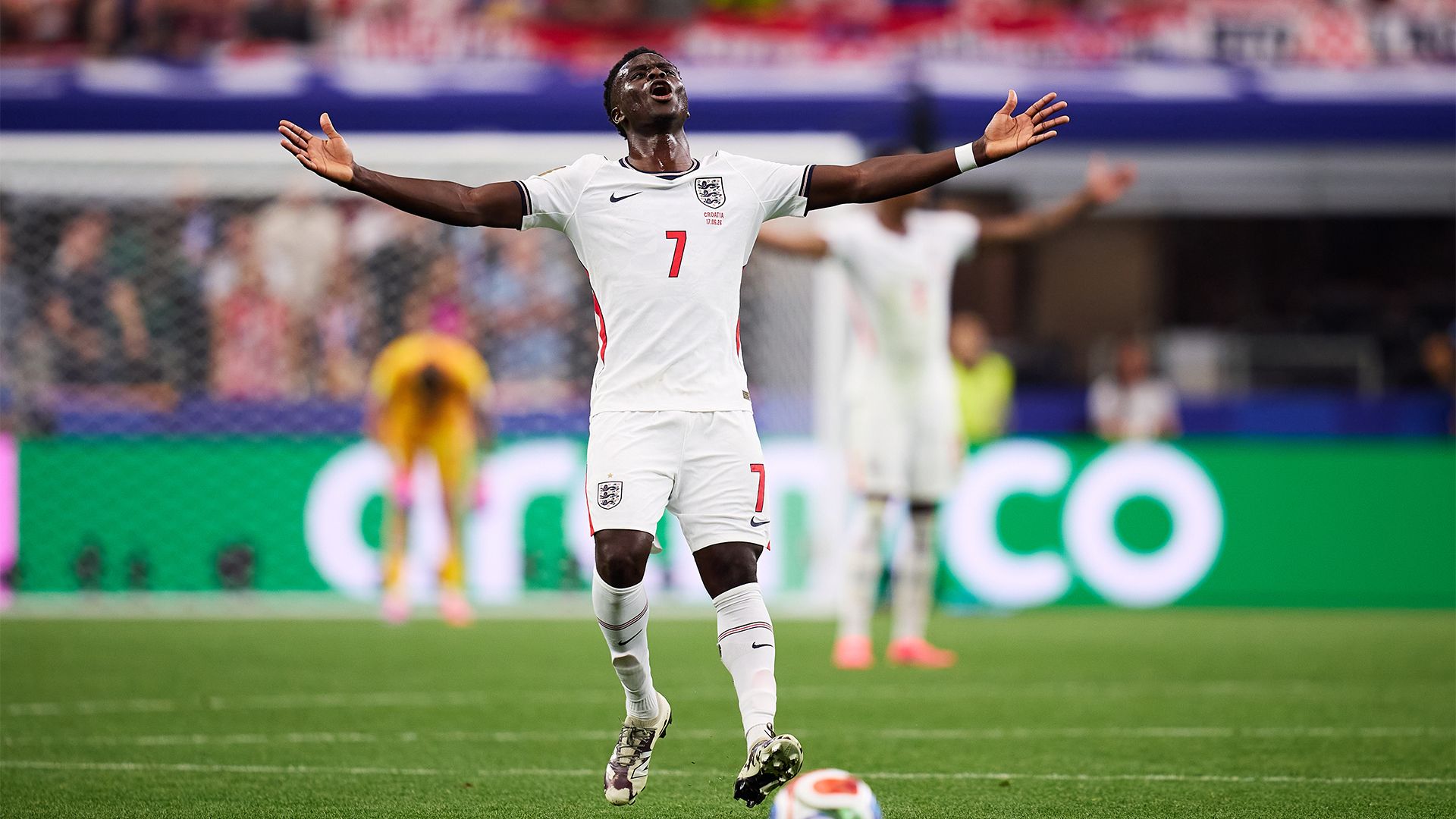
- 2021: The Strategic Alliance: Saka signed a long-term partnership with New Balance, marking a pivotal moment in his career as he transitioned from a promising academy graduate to a global superstar.
- 2023–2025: The Foundation Phase: Throughout these years, Saka served as the face of various New Balance campaigns, predominantly focusing on the Furon boot line. During this period, he integrated into the brand’s lifestyle ecosystem, gaining exposure to design processes and creative direction.
- Mid-2026: The World Cup Reveal: As the FIFA World Cup commenced, the collaboration with Stone Island was unveiled. The inclusion of his personal logo on the Furon Elite FG v9 marks the first time his own brand identity has been formally integrated into a high-profile product release, cementing his status as a creative force rather than just a brand ambassador.
Supporting Data: The Convergence of Sport and Streetwear
The choice of Stone Island as a partner for this collaboration is significant. Stone Island, a brand synonymous with technical fabric innovation and subcultural heritage, rarely engages in mainstream sports partnerships. Its involvement suggests that New Balance is positioning Saka not just as a footballer, but as a lifestyle icon.
The Summer ‘026 capsule collection, which features the logo, leans heavily into ’90s football nostalgia—a period currently experiencing a massive resurgence in fashion. By merging the archival appeal of 90s kits with the cutting-edge performance technology of the Furon Elite, the collection targets a demographic that spans both the die-hard match-going fan and the "hypebeast" consumer.
Market data consistently shows that athletes with strong, recognizable personal logos—think Michael Jordan’s "Jumpman" or Cristiano Ronaldo’s "CR7"—command significantly higher commercial value and longer-term brand loyalty. By introducing this logo during the World Cup, the peak of global football viewership, Saka is effectively anchoring his brand in the memories of millions of fans during the most televised event on Earth.
Official Perspectives and Creative Direction
While New Balance has remained tight-lipped regarding the long-term roadmap for the logo, industry experts suggest this is a foundational step.
"The transition from an athlete wearing a brand to an athlete becoming a brand occurs when they have a visual anchor," says design analyst Marcus Thorne. "Saka’s new logo is clean, scalable, and versatile. It is designed to live on everything from digital content and social media profiles to limited-edition apparel drops. It signals a move toward a more autonomous commercial career for the player."
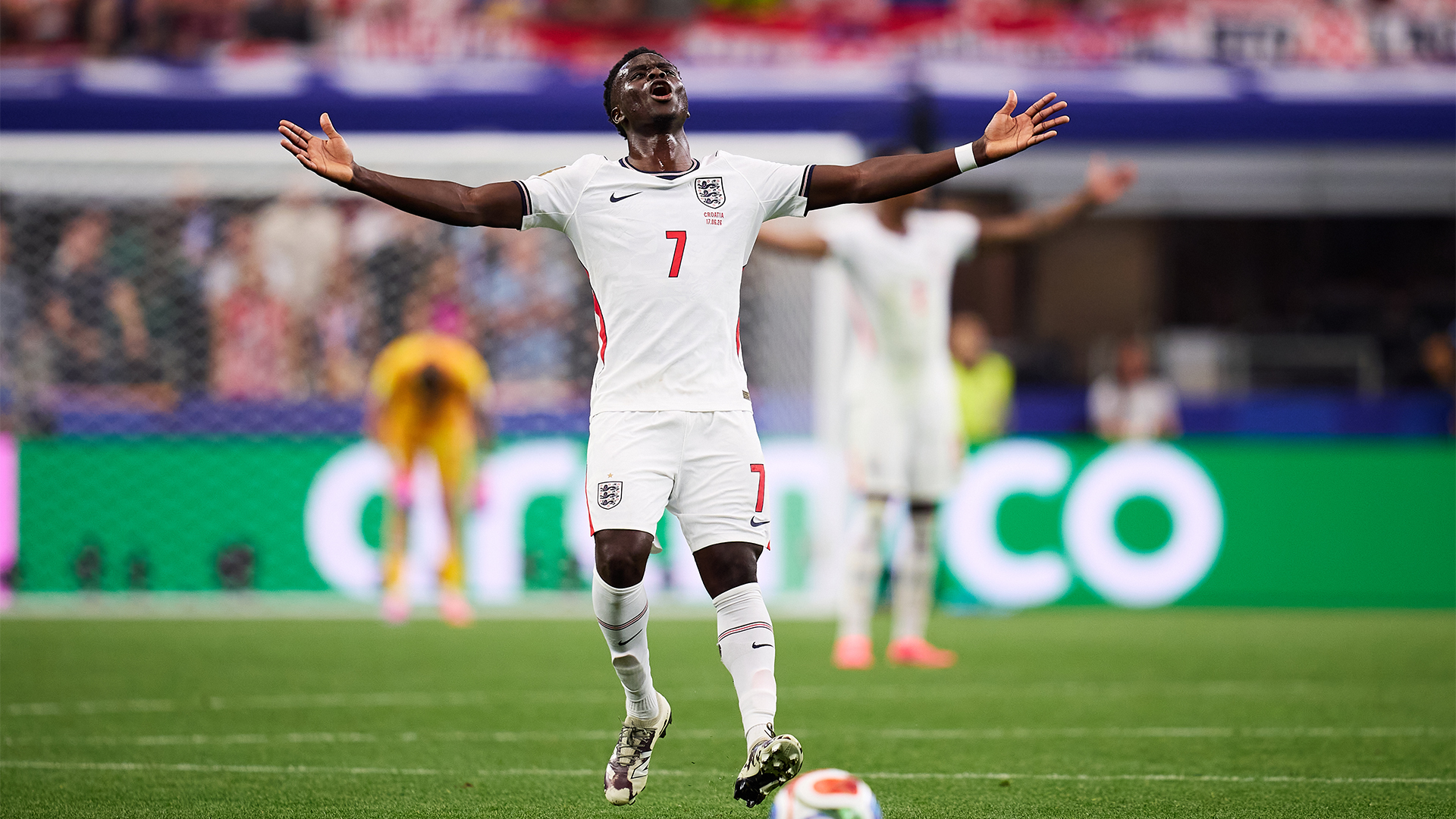
For Saka, the move appears to be a natural extension of his personality: humble yet assertive. In interviews, he has frequently spoken about his interest in fashion and the importance of storytelling through apparel. The logo serves as the shorthand for that story, allowing him to communicate his values—speed, innovation, and his North London roots—without saying a word.
Implications: The Shifting Landscape of Athlete Branding
The unveiling of the Saka logo underscores several broader shifts within the professional sports industry:
1. The Death of the "Generic" Ambassador
Athletes are no longer content to simply hold a shoe and smile for a camera. They are increasingly involved in the design, creative, and strategic elements of their partnerships. The "co-creator" model is the new standard, and a personal logo is the mandatory stamp of authenticity for this tier of athlete.
2. High-Fashion Integration
The partnership with Stone Island is a testament to the blurring lines between performance sports gear and high-end fashion. Athletes are now viewed as tastemakers. When a footballer wears a brand, it isn’t just about the technology of the shoe; it’s about the cultural cachet of the design.
3. Digital-First Branding
The logo is inherently digital-friendly. In an era where a player’s digital footprint—Instagram, TikTok, and match highlights—is their primary method of connecting with fans, a logo that looks good on a small screen or as a graphic overlay is essential. The "lightning bolt" motif is designed for the infinite scroll, instantly recognizable in a thumbnail or a social media graphic.
Looking Ahead: What’s Next for the ‘BS’ Brand?
As the 2026 World Cup progresses, we can expect to see the logo appear across an increasingly diverse range of media. If history is any indicator, this is only the beginning. With the establishment of a personal mark, Saka joins an elite echelon of athletes who have transcended their sport.
Future iterations will likely see the logo on off-pitch apparel, training gear, and perhaps even standalone capsule collections that have little to do with football performance and everything to do with personal style. For the global design community, this launch offers a masterclass in how to build a legacy: keep the design crisp, the strategy intentional, and the brand identity intrinsically linked to the person it represents.
Ultimately, Bukayo Saka has demonstrated that while his feet may be doing the talking on the pitch, his brand is clearly positioned for a long, high-impact future off of it. Whether this logo eventually evolves into a full-scale personal brand or remains a symbol of his high-performance partnerships, it has already achieved its primary goal: it has turned a player into an icon, and a performance into a brand.
As we watch the remainder of the tournament, keep an eye on the boots. The lightning bolt is moving fast, and it is likely just the first strike of many in a career that is defining the next generation of athlete-led design.


 Laily UPN
 Basiran