Asep Darmawan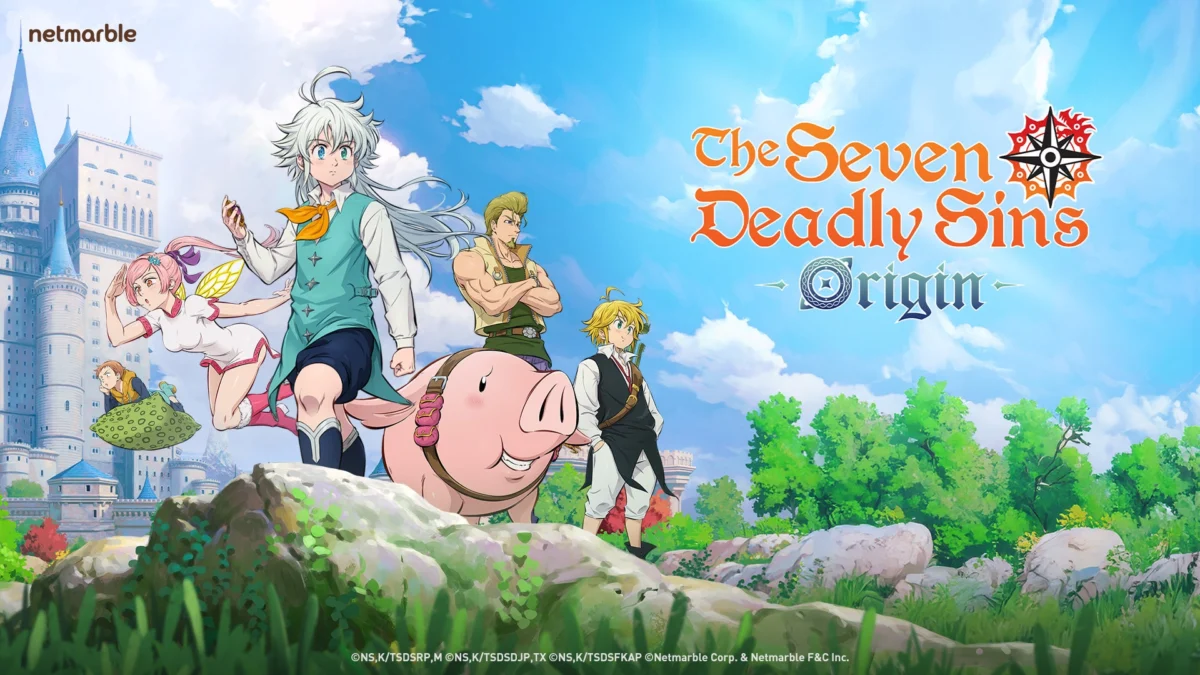
In an increasingly crowded market of free-to-play, open-world action RPGs, the competition has never been fiercer. Following the massive global success of titles like Genshin Impact, developers are racing to deliver high-fidelity, console-quality experiences to mobile and PC players. The latest contender to enter this high-stakes arena is The Seven Deadly Sins: Origin, an ambitious project from industry giant Netmarble.
With a definitive launch schedule now confirmed, the title is poised to challenge the status quo, promising a blend of expansive exploration, tactical combat, and a multiversal narrative that bridges the gap between anime fandom and hardcore RPG mechanics.
Main Facts: What is The Seven Deadly Sins: Origin?
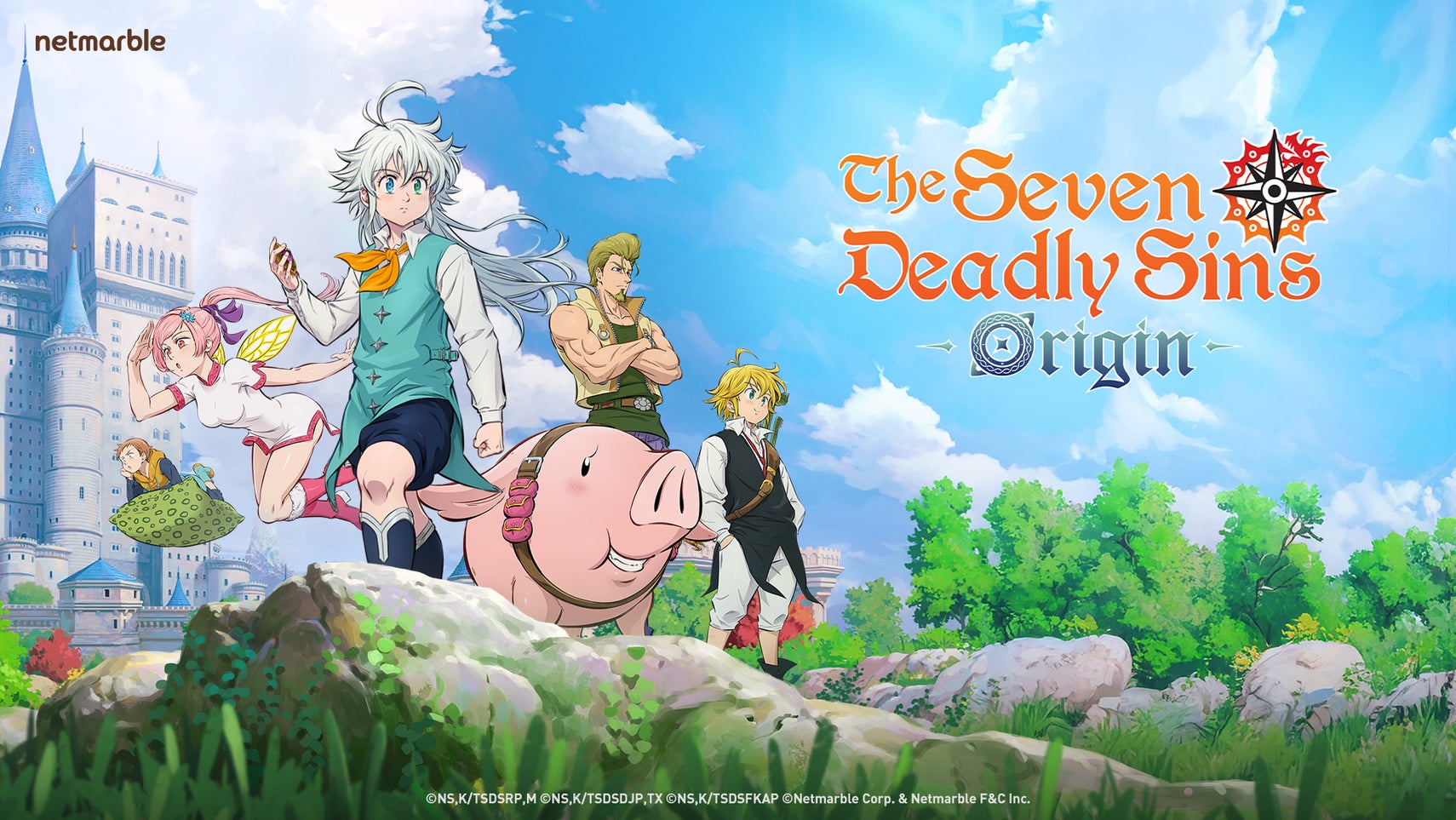
The Seven Deadly Sins: Origin is a sprawling open-world action RPG developed and published by Netmarble. Based on the beloved The Seven Deadly Sins anime and manga series, the game transports players into the magical kingdom of Britannia.
Unlike previous iterations of the franchise which often leaned into turn-based systems or linear storytelling, Origin is designed as a fully realized, three-dimensional sandbox. Players step into the shoes of Prince Tristan, the son of Meliodas and Elizabeth, tasked with the monumental duty of restoring order to a fractured realm.
The game’s technical prowess is a primary selling point. By leveraging modern engine capabilities, Netmarble has crafted a visual identity that mirrors the vibrant, cell-shaded aesthetic of the source material while providing the fluid combat responsiveness expected of modern action titles. Key features include:
- Action-Oriented Combat: Real-time, party-based battles that allow players to swap between characters mid-combat to execute devastating combos.
- Multiversal Roster: A massive collection of heroes from across the Seven Deadly Sins timeline, brought together by a plot device that transcends traditional canon.
- Life-Skill Integration: Beyond the battlefield, the game offers a "cozy" gameplay loop, featuring systems for fishing, cooking, foraging, and environmental interaction.
- Cross-Platform Play: The title is launching across PC (via Steam), PlayStation 5, iOS, and Android, with synchronized progress across devices.
The Chronology of a Global Launch
Netmarble has opted for a staggered release strategy, which is becoming a standard practice for massive cross-platform titles to ensure server stability.
The Roadmap to Release:
- Pre-Registration Phase: Currently live. Players can sign up via the official website to secure launch-day rewards, a standard incentive designed to gauge interest and populate day-one player counts.
- PC and Console Launch (March 16): The game will debut on Steam and the PlayStation 5. This segment of the launch targets the "hardcore" audience, focusing on those who prefer the graphical fidelity and control precision afforded by dedicated gaming hardware.
- Global Mobile Launch (March 23): One week following the PC/Console release, the iOS and Android versions will go live. This creates a staggered onboarding process, allowing the development team to iron out potential technical bottlenecks before the massive influx of mobile users.
Supporting Data: The Market Landscape
The decision to develop The Seven Deadly Sins: Origin is not merely a creative choice but a calculated market move. The "Genshin Effect" has redefined expectations for mobile gaming. Where titles were once expected to be bite-sized, casual experiences, the current market trends indicate that players are actively seeking long-term "live service" RPGs that offer hundreds of hours of content.
According to industry analysts, the open-world RPG segment is one of the highest-earning categories in mobile gaming. By utilizing an established IP like The Seven Deadly Sins, Netmarble reduces its "Customer Acquisition Cost" (CAC). Fans of the manga/anime are significantly more likely to engage with the title than with an original IP, providing an immediate, built-in player base.
Furthermore, the integration of console platforms—specifically the PS5—is a strategic move to capture the "hybrid" player demographic: users who spend their mornings playing on their phones during a commute and their evenings experiencing the same game on a 4K television.
Official Responses and Creative Vision
In various promotional communications, Netmarble has emphasized that Origin is not a direct adaptation of the existing anime story. Instead, it serves as an original chapter set within the established universe. This creative freedom is crucial. It allows the writers to circumvent the constraints of the existing manga plot, enabling them to introduce original threats and character dynamics that would otherwise be impossible.
The introduction of "multiversal" elements serves as a narrative justification for the game’s "Gacha" mechanics—the system by which players acquire new characters. By bringing characters together from different points in the series’ timeline, Netmarble justifies the presence of powerful heroes on a single team, effectively blending "fan service" with gameplay functionality.
The studio has also addressed the "cozy" aspects of the game, framing them as a necessary reprieve from the high-octane combat. "We wanted to ensure that players feel at home in Britannia," a spokesperson noted in a recent developer diary. "Combat is only half the journey. The ability to explore the environment, forage for ingredients, and interact with NPCs provides a sense of agency and world-building that elevates the experience from a mere combat sim to a living, breathing world."
Implications for the Industry
The success of The Seven Deadly Sins: Origin will serve as a bellwether for the future of licensed anime games.

1. The Death of the "Mobile-Only" Mindset
If Origin succeeds, it reinforces the trend that major developers must prioritize cross-platform compatibility. Players are increasingly weary of "mobile-only" quality, and the ability to play on a high-end console is now a significant value proposition.
2. The Power of "Cozy" Mechanics in Hardcore Games
The inclusion of life-sim elements in an action RPG is a growing trend. By catering to both the "hardcore" combat-focused player and the "casual" explorer, Netmarble is casting a wide net. This dual-layer design is likely to become a mandatory feature for future open-world RPGs looking to maintain long-term player retention.
3. The Challenges of Multiversal Storytelling
While the multiversal approach offers creative freedom, it also presents a narrative risk. If the story lacks a cohesive "anchor" or fails to respect the weight of character arcs from the original source material, it could alienate die-hard fans. The success of Origin will depend heavily on whether the original story feels meaningful or merely like a vehicle for character sales.
4. Technical Hurdles
Staggered releases are a double-edged sword. While they help manage server loads, they also create a "knowledge gap." Players on PC will have a seven-day head start, which could lead to meta-game dominance and social stratification by the time the mobile audience joins. Netmarble will need to balance the playing field effectively to keep the mobile community engaged.
Final Thoughts: A Contender to Watch
The Seven Deadly Sins: Origin is arriving at a pivotal moment. With a highly recognizable IP, a polished visual presentation, and a business model that bridges the gap between console and mobile, it has all the hallmarks of a major player.
Whether it can dethrone the reigning kings of the genre remains to be seen. However, by focusing on a mixture of original narrative, deep combat systems, and a relaxing, exploratory loop, Netmarble is signaling that they are not just looking to mimic the success of others—they are looking to define the next generation of mobile-to-console gaming.
For those interested in joining the fray, the road begins with pre-registration. With the launch window now locked in for March, the kingdom of Britannia is about to get much, much busier.


 Asro
Asro
 Muslim