Layla Zulfa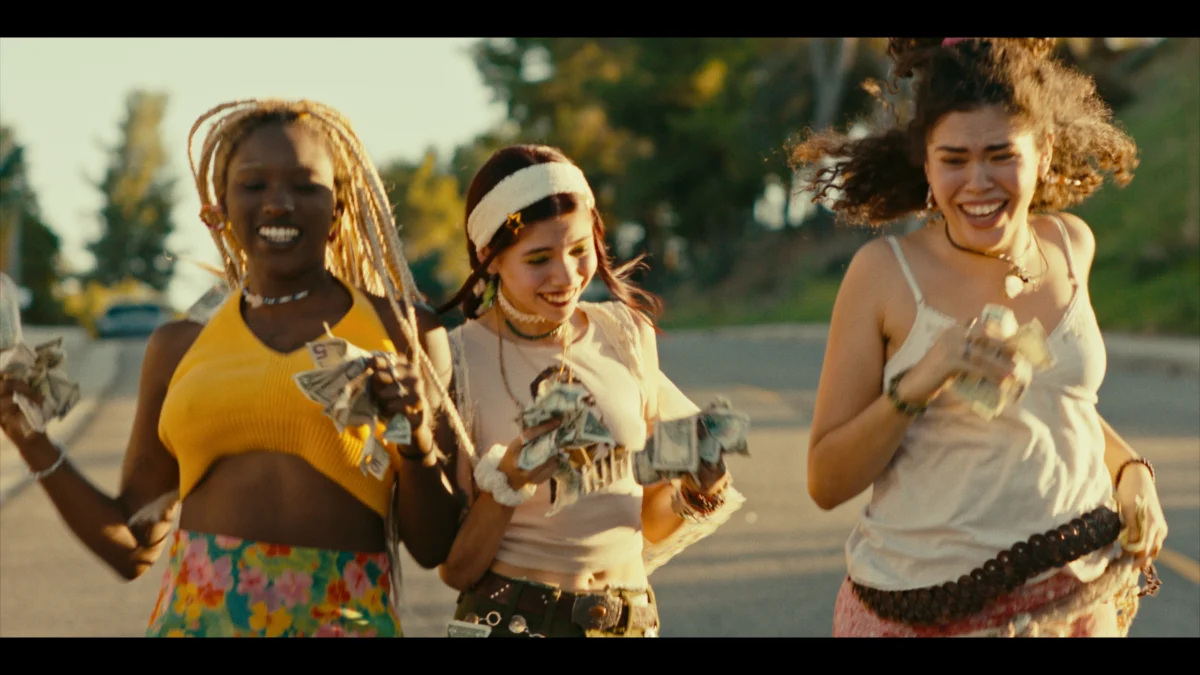
In an era defined by the frantic pursuit of digital virality and the high-stakes gamble of the traditional festival circuit, the path to launching an independent film career has never felt more opaque. Emerging filmmakers are bombarded with conflicting advice: some argue that a premiere at a top-tier festival is the only ticket to industry legitimacy, while others insist that an algorithmic conquest on TikTok or YouTube is the modern-day equivalent of a studio deal.
While there is merit to both schools of thought, a quiet revolution is brewing in the suburbs of Los Angeles. Valley Daze, an independent television pilot created by Jocelyn Catt, Genu Lee, and Marco Bizio, is proving that a third, often-overlooked path—prioritizing hyper-local community engagement—might be the most sustainable and rewarding strategy of all. By eschewing the gatekeepers of the traditional industry, this collective has turned a $30,000 budget into a symbol of grassroots cinematic success.
The Anatomy of a Grassroots Project
At its core, Valley Daze is a Clerks-esque ensemble comedy that captures the vibrant, chaotic pulse of the San Fernando Valley. The pilot follows a motley crew of skaters, influencers, drug dealers, artists, and wallflowers as they navigate the highs and lows of a week in their suburban home.
What elevates the project beyond the standard tropes of youth comedy is its granular, almost obsessive commitment to regional authenticity. The film breathes with the specific vernacular, geography, and cultural rhythms of the Valley—details that could only be captured by creators who grew up within its borders.
The project is the result of a massive, collaborative effort. It brought together over 100 Los Angeles locals, many of whom formed their bonds in the classrooms of San Fernando Valley high schools. This was not a project born in a boardroom; it was funded by a community that pooled its own resources, driven by a shared desire to see their specific corner of the world reflected on screen. By funding the project themselves, the creators retained complete creative control, ensuring that the finished product remained unadulterated by the pressures of outside financiers.
A Chronology of Collaboration
The journey of Valley Daze from a high school dream to a city-backed cultural event followed a deliberate, unconventional trajectory:
- 2023 – Development and Fundraising: Catt, Lee, and Bizio mobilized their network of friends, local artists, and fellow high school graduates. Through a series of grassroots crowdfunding campaigns, they raised $30,000.
- 2023 – Production: Utilizing local locations and a crew comprised entirely of Valley-based talent, the team shot the pilot over the course of the year. The focus was on "guerrilla" efficiency, leveraging existing local relationships to keep costs low while maintaining high production values.
- Early 2024 – The Shift in Strategy: Recognizing the saturation of online content platforms, the creators made a pivotal decision: they would not pursue the traditional path of digital uploads or submitting to film festivals, where their work would be one of thousands fighting for a sliver of attention. Instead, they decided to bring the film directly to the people who inspired it.
- Mid-2024 – Community Screenings: The pilot began its life in local theaters and community spaces throughout the Valley. Each screening was treated as a local event, fostering a sense of ownership among the residents who saw their own lives depicted on screen.
- June 2024 – Institutional Recognition: The project’s success caught the attention of Los Angeles City Councilmember Adrin Nazarian. Recognizing the potential for a new model of civic-filmmaker partnership, the Council organized a formal, high-profile screening at the El Portal Theater.
The Power of the "Community-First" Ethos
The distribution strategy for Valley Daze is a masterclass in audience development. By skipping the digital "noise," the creators built a dedicated, passionate, and—most importantly—local base of supporters. This approach provides a level of security that algorithmic discovery cannot match. When an audience member feels a personal connection to a story, they become an advocate, transforming the project into a movement.

Executive producer David Dastmalchian, a veteran actor known for his work in major studio tentpoles and intimate indies alike, recognized this value early on. His involvement provided a bridge between the indie spirit and industry credibility, lending the project a professional seal of approval that helped it gain traction with city officials.
Official Responses: The City’s Role in Nurturing Talent
The decision by the Los Angeles City Council to host a sold-out screening of Valley Daze signals a shifting perspective within local government. For Councilmember Adrin Nazarian, representing the East San Fernando Valley in District 2, the project is more than just a comedy—it is an economic and cultural investment.
In a recent interview with IndieWire, Nazarian emphasized the importance of supporting filmmakers in their infancy. "I was so impressed by the crew from Valley Daze," Nazarian stated. "These people, for the most part, are all Valley-based, Valley-grown. There was a common bond between each one of them across the school boundaries. They came together in their early 20s and made something really amazing. You want to continue to foster that. Not only for that talent to be seen and to be recognized, but you want to nurture it so that it continues to grow here."
Nazarian’s perspective highlights a growing concern in Hollywood: the "brain drain" of talent that leaves local areas for the promise of studio centers. By supporting Valley Daze, the City Council is actively creating an environment where talent can stay, work, and thrive.
"Where does a giant, almond-producing tree come from?" Nazarian asked, drawing a poignant analogy. "It comes from one little seedling. When you give that chance, when you nurture it, when you do all the things necessary to make that little seedling thrive, it’s going to do a lot more. And that’s something we should never lose sight of."
Implications for the Future of Indie Film
The success of Valley Daze serves as a case study for the future of independent production. As streaming platforms consolidate and film festivals become increasingly competitive, the "middle class" of filmmaking is disappearing. Valley Daze suggests that the solution is not to try to compete with the giants, but to build a foundation that is entirely independent of them.
The Sustainability of Regional Filmmaking
The project demonstrates that there is a massive, untapped appetite for content that is hyper-specific to a region. For too long, independent film has chased "universality," often resulting in homogenized, generic stories. Valley Daze leans into the specific, finding the universal through the lens of the deeply local.

Rethinking Distribution
By prioritizing physical, local screenings, the creators have managed to build a direct relationship with their audience. This bypasses the need for costly marketing campaigns and provides the creators with immediate, actionable feedback. In an industry where filmmakers are often disconnected from their audience by layers of distribution, this direct pipeline is invaluable.
A New Model for Local Government
The involvement of the Los Angeles City Council suggests a new potential for public-private partnerships. If cities were to adopt "cultural incubator" programs modeled on the success of this screening, they could facilitate the growth of local film economies that require minimal public funding but provide significant cultural dividends.
Looking Ahead: The Next Chapter
While the immediate future of Valley Daze remains a subject of speculation, the creators have expressed interest in developing the pilot into a full series. The momentum generated by the city-sponsored screening at the El Portal Theater has undoubtedly opened doors that would have remained firmly shut under a traditional, passive distribution strategy.
For the young filmmakers behind the project, the mission remains the same: to tell the stories of the people they know in the place they love. Whether this leads to a streaming deal, a broadcast pick-up, or a continued life as an independent series, the creators have already achieved something far more rare: they have built a community that is invested in their success, ensuring that no matter what happens next, they will not be doing it alone.
Every independent filmmaker should be so lucky. In a landscape that often feels designed to crush the dreams of the small-scale creator, Valley Daze stands as a testament to the idea that if you build for your community, the community will, in turn, build you.
The "LA City Council Presents: Valley Daze" screening took place on Friday, June 19, at the El Portal Theater, marking a milestone in the project’s journey from a backyard experiment to a regional cultural phenomenon.

 Nana Muazin
 Nana
Nana