Nila Kartika Wati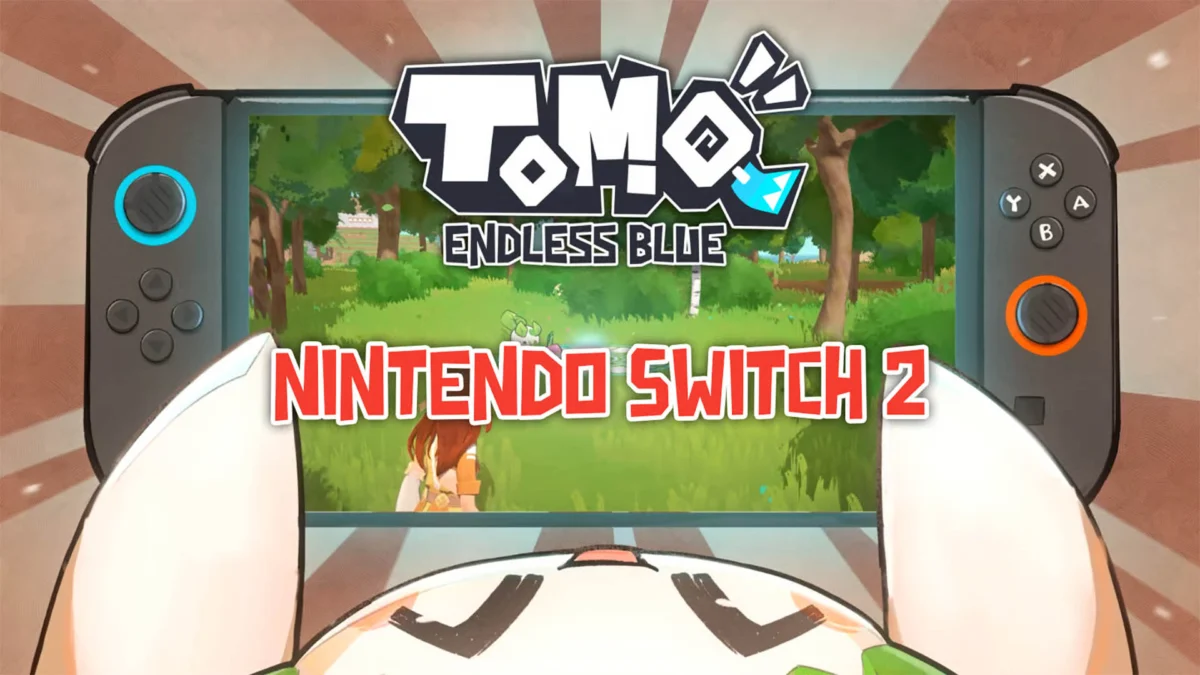
The horizon of the indie gaming landscape has grown significantly brighter this week as developer Onibi officially confirmed that their highly anticipated creature-collecting action RPG, Tomo: Endless Blue, is set to launch on the Nintendo Switch 2. This announcement, which follows a wave of overwhelming public demand, serves as a high-water mark for a project that has already captured the hearts of the gaming community through its distinct blend of cozy exploration, tactical combat, and innovative world-building.
As the title prepares for its multi-platform debut in 2026, the success of its ongoing Kickstarter campaign highlights a growing appetite for games that bridge the gap between creative sandbox mechanics and heartfelt creature-collection narratives.
The Core Concept: What is ‘Tomo: Endless Blue’?
Tomo: Endless Blue is a sprawling, procedurally generated epic that casts players as explorers navigating a vast, mystical ocean realm. Unlike traditional monster-taming games that rely on linear progression, Tomo emphasizes a sense of agency and discovery. The world itself is comprised of fragments of lost civilizations that now drift as islands across the titular Endless Blue.
Players are tasked with sailing through this vast expanse, uncovering the secrets of these isolated cultures, and interacting with the "Tomo"—mysterious, charming creatures that serve as both companions and combat allies. The game’s design philosophy hinges on a trifecta of core pillars:
- Combat and Companionship: Utilizing a team-based action system, players fight alongside their collected Tomo, developing unique synergies to overcome challenges in a dynamic environment.
- Engineering and Exploration: A robust building system allows players to construct intricate vehicles and functional contraptions using blocks. This mechanic is essential for traversing the vast, procedurally generated terrain of the oceanic islands.
- Cozy Life Simulation: When the dust of adventure settles, the game invites players to settle down within these vibrant, island-bound communities. Players can cultivate relationships with unique characters and create a home for their Tomo, blending the high-stakes exploration with the relaxing pacing of a life sim.
Chronology of Development and Crowdfunding
The journey of Tomo: Endless Blue from a concept to a multi-platform powerhouse has been rapid and remarkably well-received.
- Early Development: Onibi began conceptualizing the project with the intent to create a world that felt both expansive and intimate. The "Endless Blue" setting was chosen to facilitate high-level freedom in procedural generation, ensuring that no two playthroughs would feel identical.
- The Kickstarter Launch: Recognizing the need for community feedback and financial stability, the team launched a Kickstarter campaign earlier this year. The project hit its funding goals with unprecedented speed, effectively doubling its initial target within weeks.
- The "Switch 2" Announcement: As the Kickstarter campaign approached its final days, the pressure from the community regarding a potential Nintendo release reached a fever pitch. In response, Benjamin Devienne, founder of Onibi, confirmed that development resources had been allocated to bring the game to Nintendo’s upcoming hardware.
- Future Milestones: With the Steam (Windows PC) version already confirmed, the team has now expanded its roadmap to include Mac and Linux support, alongside a commitment to providing DRM-free distribution, catering to the enthusiast gaming demographic.
Supporting Data: Why the Switch 2 Port Matters
The decision to port Tomo: Endless Blue to Nintendo’s next-generation hardware is not merely a strategic choice; it is a fundamental alignment with the game’s identity. On the surface, the "cozy" aesthetic and the focus on creature collection are hallmark traits of the Nintendo audience—a demographic that has historically gravitated toward titles like Pokémon, Animal Crossing, and The Legend of Zelda.
Market Implications
The inclusion of the Switch 2 in the launch window provides Onibi with access to an audience that values handheld gaming and local interaction. Nintendo’s hardware has long served as the home for "niche" titles that eventually found mass-market appeal. By targeting the Switch 2, Onibi is positioning Tomo not just as a PC-centric project, but as a portable experience that fits into the daily lives of its players.
Funding Momentum
The fact that the Kickstarter has doubled its goal suggests that the financial risk associated with a multi-platform rollout is significantly mitigated. Crowdfunding data often acts as a proxy for consumer interest; with thousands of backers already committed, the "Endless Blue" universe has a built-in community that will likely serve as the foundation for the game’s marketing and post-launch support.
Official Perspectives: The Philosophy Behind the Project
In a press release issued alongside the announcement, Benjamin Devienne, Founder and CEO of Onibi, shed light on the vision behind the decision to prioritize the Switch 2.

"The community has been asking about Nintendo Switch 2 since the first days of the campaign," Devienne noted. "Tomo is about setting sail to find rare creatures, bringing them home, and building a world around them. That fantasy feels very natural on Nintendo hardware, and we wanted to celebrate the final days of the Kickstarter by confirming that bringing Tomo to Switch 2 is part of our plan."
This statement underscores a recurring theme in modern indie development: the importance of listening to the community. By validating the requests of their backers, Onibi has effectively turned their donor base into brand ambassadors, ensuring that the anticipation for the 2026 release remains at a boiling point.
Implications for the Future of Indie RPGs
The success of Tomo: Endless Blue serves as a case study for the current state of indie gaming. As major AAA publishers continue to grapple with ballooning budgets and creative stagnation, smaller studios like Onibi are finding success by doubling down on "niche" mechanics that prioritize player agency and atmospheric world-building.
The Rise of the "Procedural Cozy"
Tomo sits at the intersection of two very popular trends: procedural generation and cozy gaming. Traditionally, procedural generation was reserved for roguelikes or survival games. However, by wrapping these mechanics in an approachable, anime-inspired aesthetic, Onibi is lowering the barrier to entry for complex gameplay systems.
Multi-Platform Portability
The commitment to PC, Mac, Linux, and Switch 2 suggests that Onibi is aiming for a "hardware-agnostic" approach. By supporting DRM-free distribution and multiple operating systems, they are ensuring that their game remains accessible to enthusiasts who may avoid walled-garden storefronts. This inclusive strategy is increasingly common among successful indie developers who recognize that their community is often more fragmented than the mainstream console-only market.
Conclusion: Setting Sail in 2026
As we look toward the 2026 release window, Tomo: Endless Blue stands as a testament to the power of a clear, resonant vision. The game does not try to reinvent the action RPG genre from the ground up; instead, it refines and combines the most satisfying elements of creature collecting, building, and exploration into a cohesive, ocean-bound adventure.
For those who have supported the project since its early Kickstarter days, the promise of a Switch 2 version is the ultimate reward. It ensures that the world of the Tomo will be available exactly where it feels most at home—in the hands of players, ready to be explored one island at a time. Whether navigating the mysterious waters, constructing a floating fortress, or bonding with a newfound companion, the journey through the Endless Blue promises to be one of the most anticipated indie milestones of the coming year.
As the development cycle progresses, all eyes will be on Onibi to see how they translate their ambitious, procedurally generated world onto the new, high-performance hardware of the Nintendo Switch 2. If their track record thus far is any indication, the voyage is only just beginning.


 Asro
Asro
 Muslim