

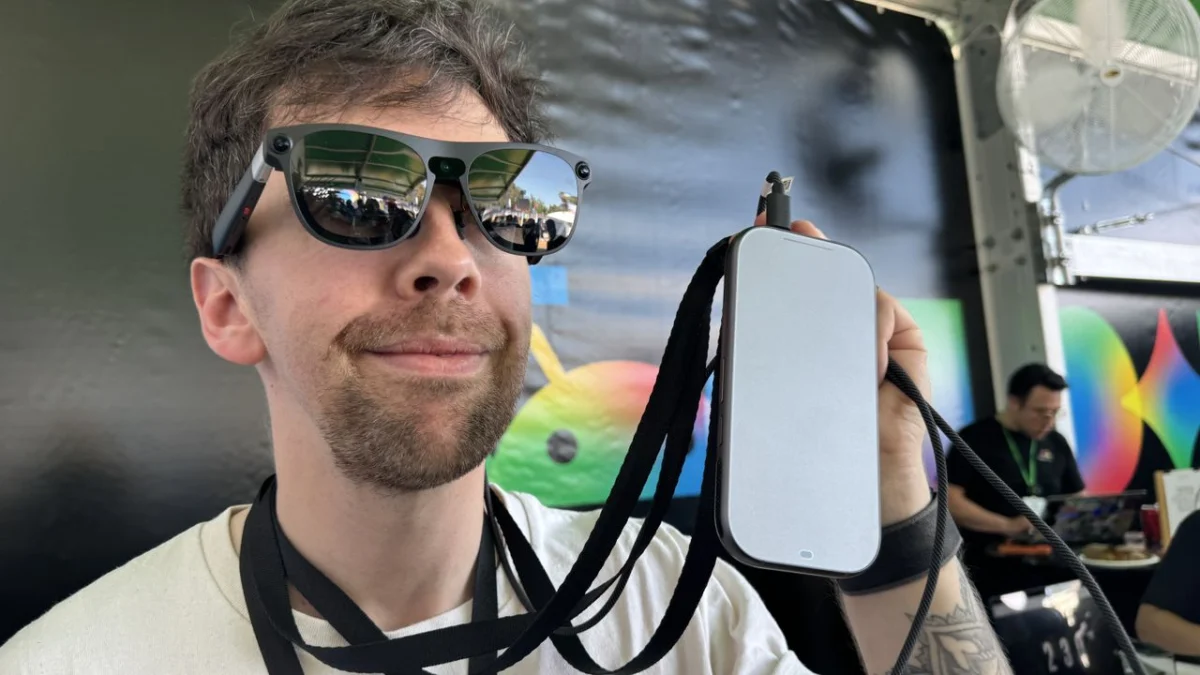
The landscape of wearable technology is undergoing a seismic shift. For years, the industry has chased the "holy grail" of augmented reality: a device that delivers the immersive, high-fidelity experience of a dedicated VR headset while maintaining the form factor and social acceptability of a pair of everyday glasses. At this year’s Google I/O, that vision moved significantly closer to reality. Among a suite of high-profile collaborations with industry stalwarts like Samsung, Gentle Monster, and Warby Parker, Google’s partnership with Xreal—codenamed Project Aura—stood out as the most compelling preview of our spatial future.
The Evolution of the Wearable Frontier: Main Facts
Project Aura is not merely a pair of "smart glasses" in the traditional, notification-heavy sense. Instead, it represents a concerted effort to condense the processing power and spatial mapping capabilities of heavy-duty hardware like the Samsung Galaxy XR or the Apple Vision Pro into a streamlined, wearable aesthetic.
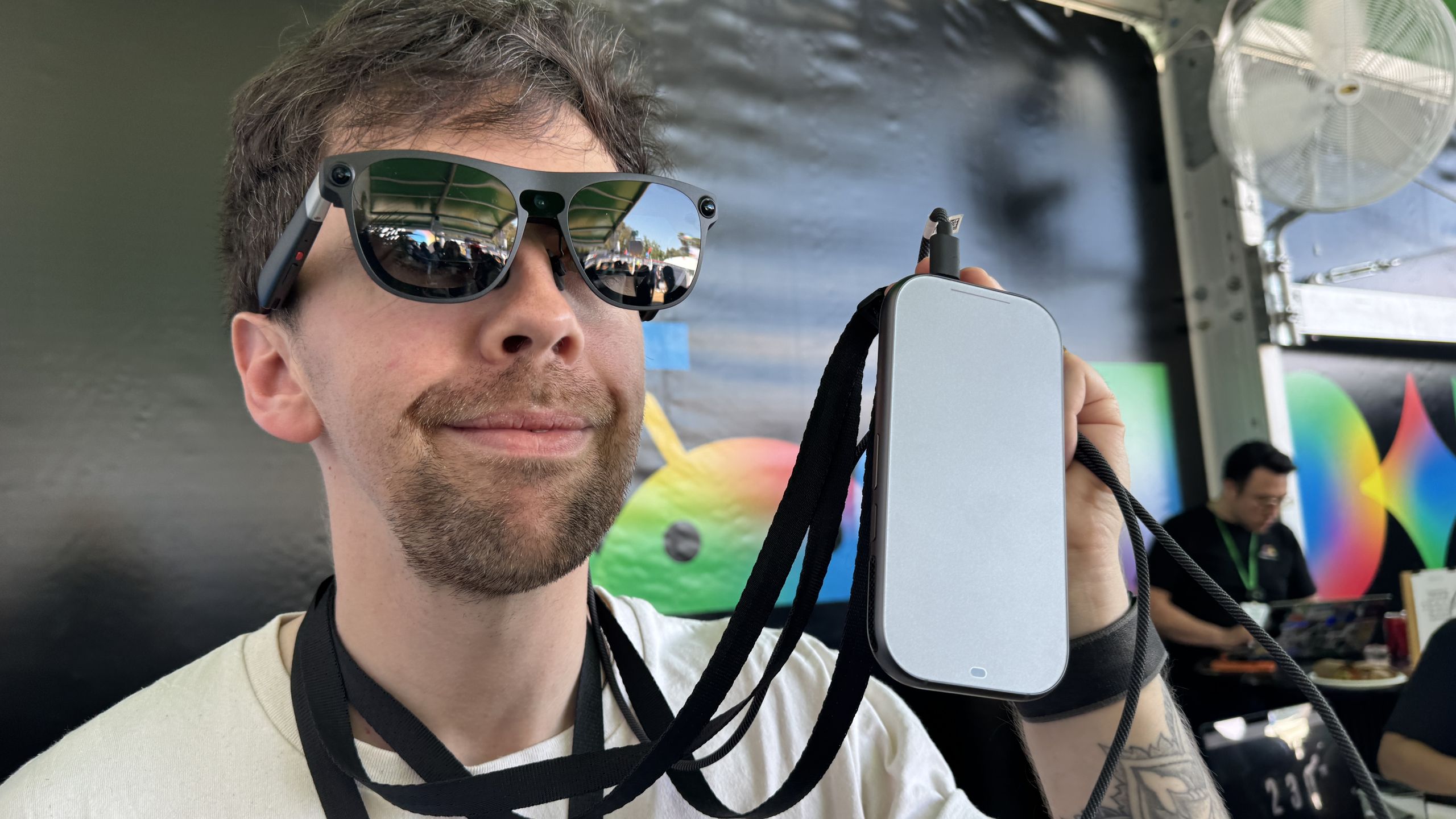
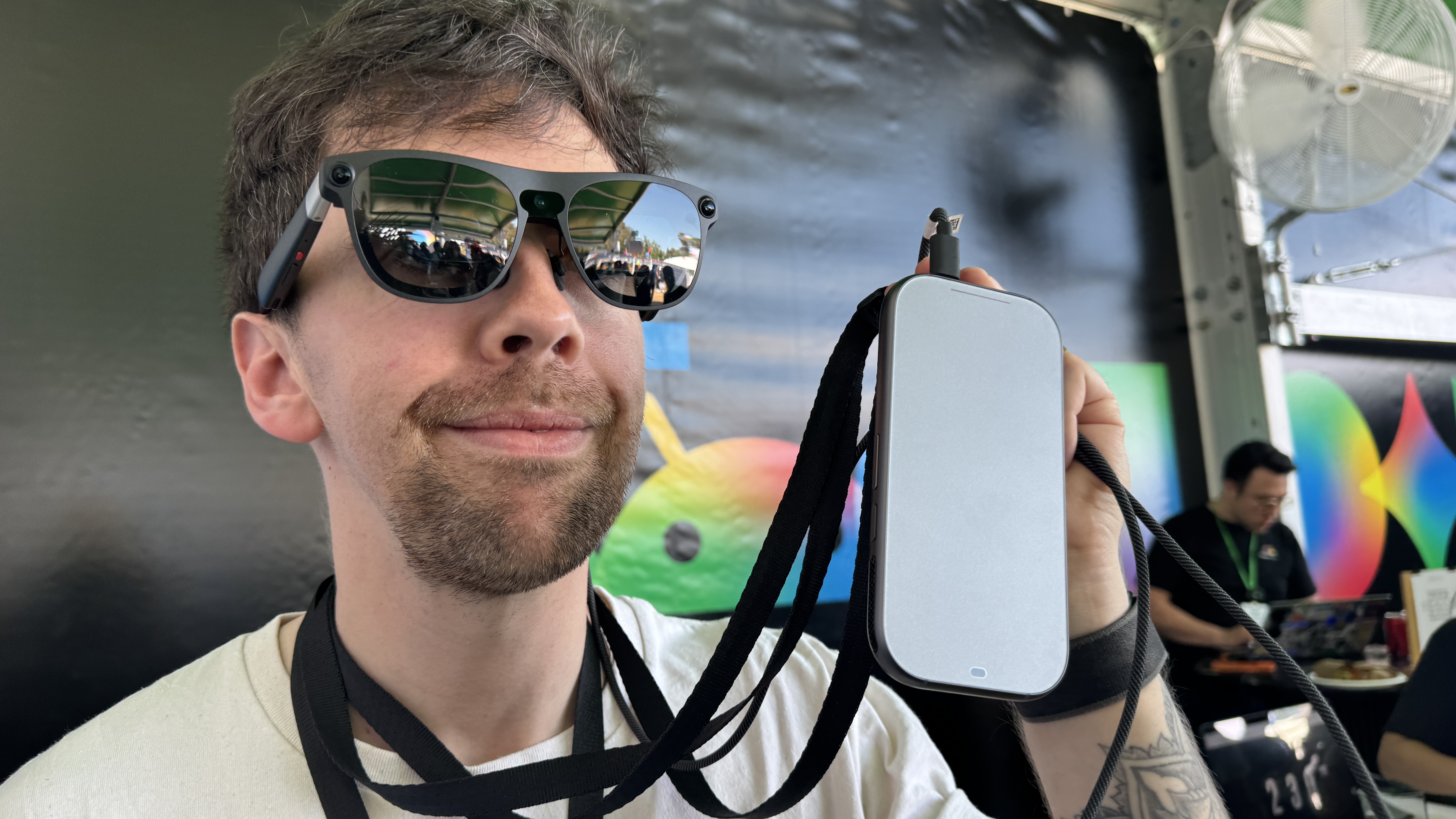
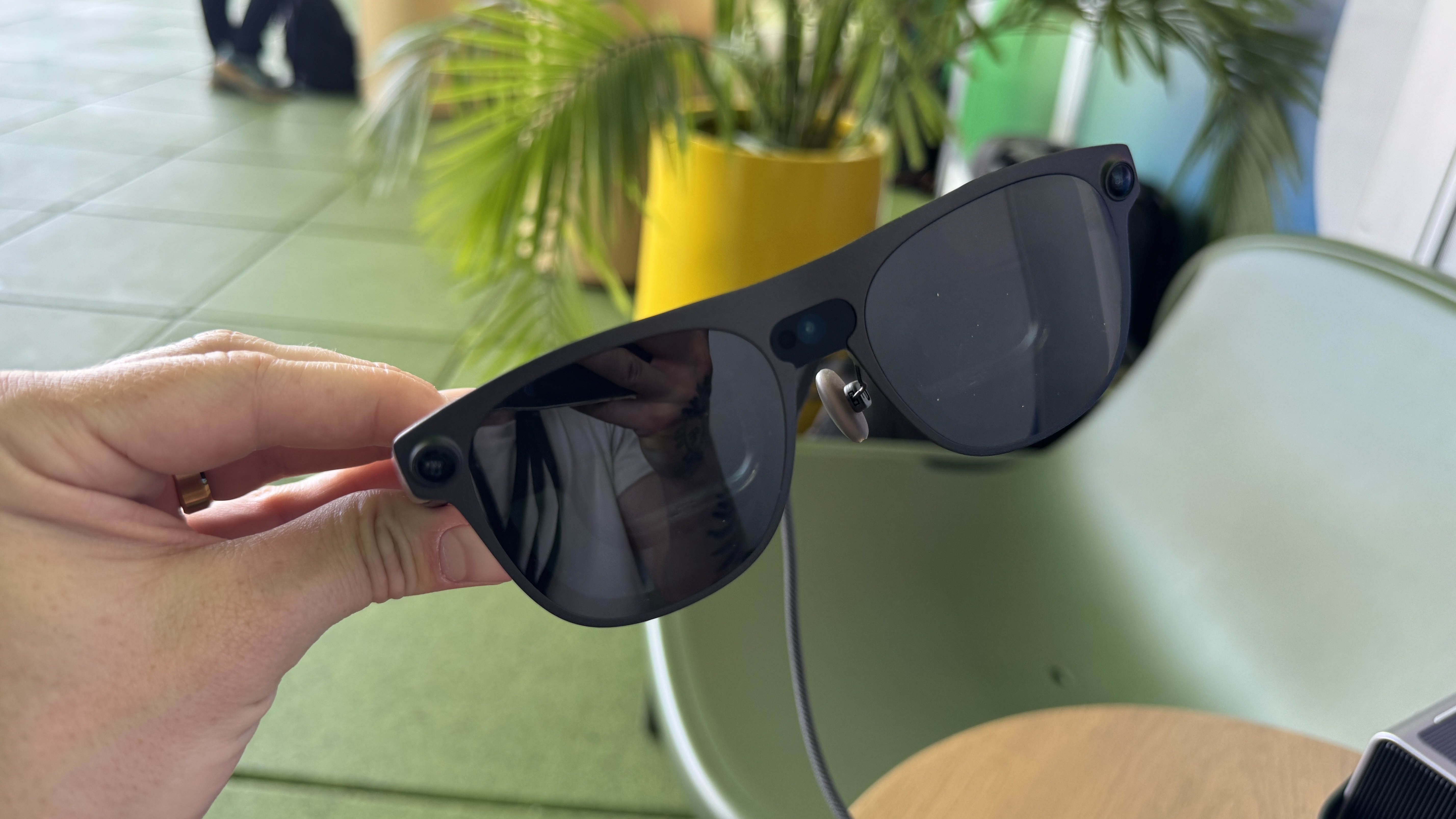
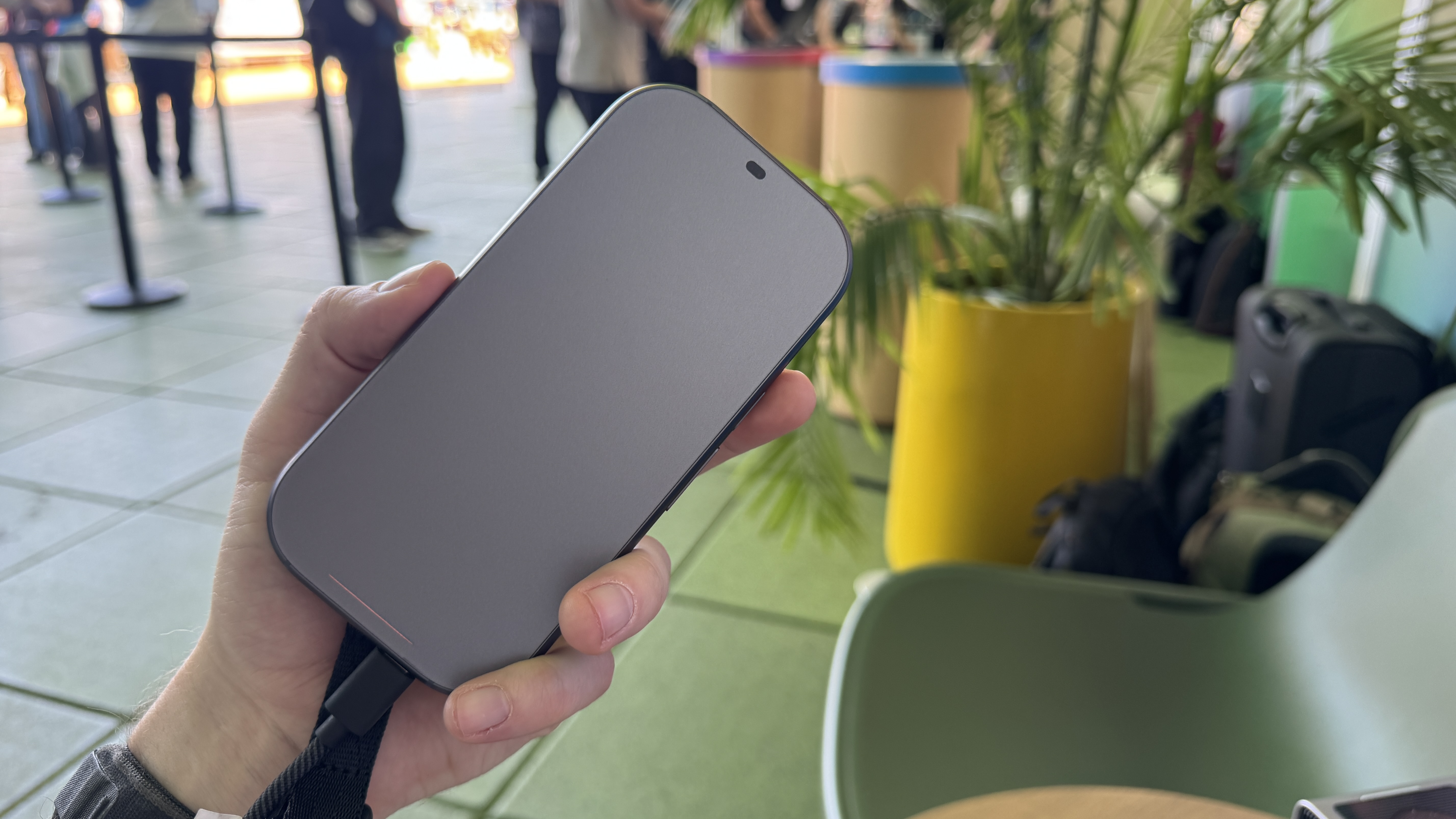
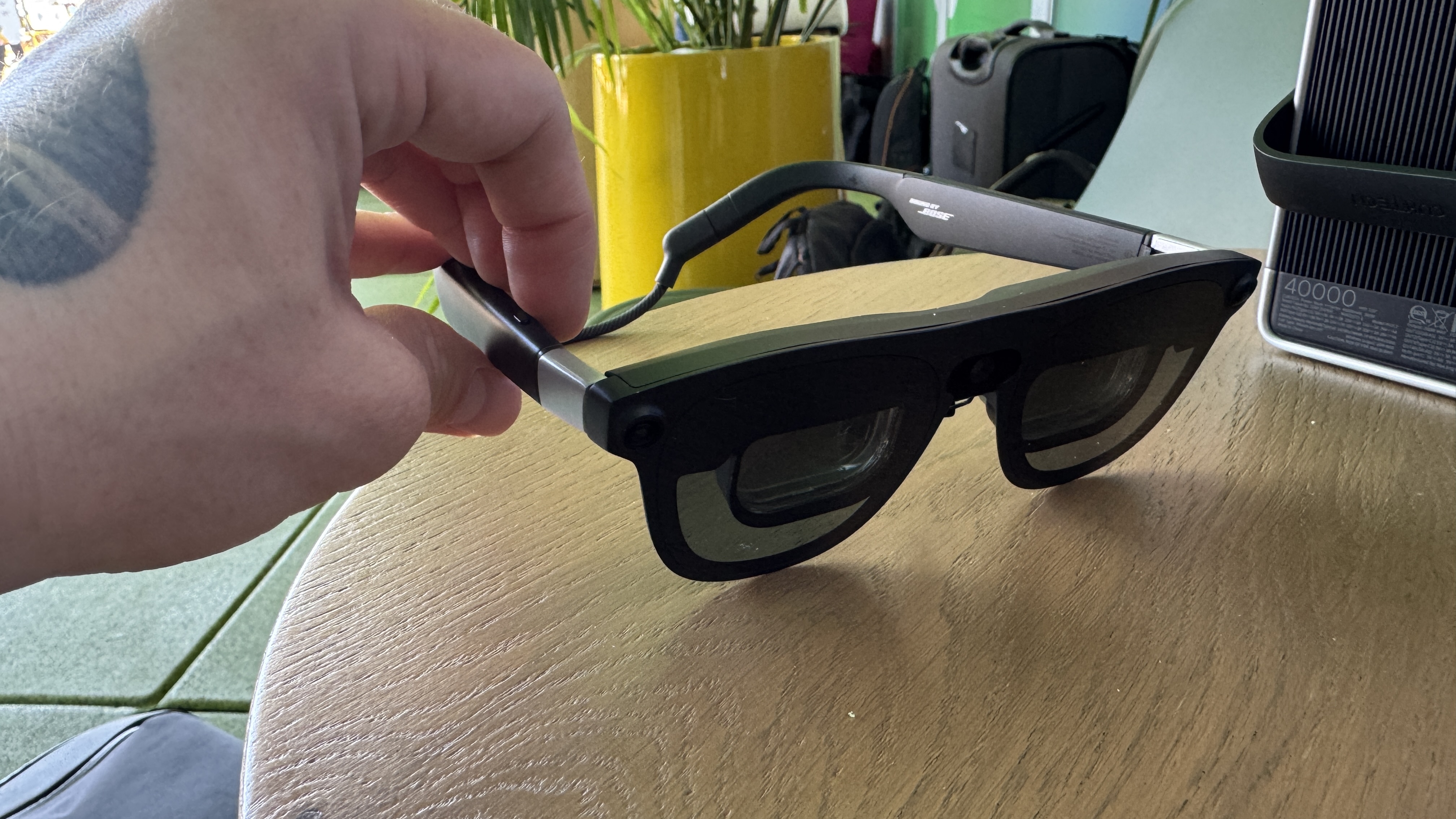
The device is anchored by a tethered compute puck—a sleek, smartphone-sized unit that houses a high-performance Qualcomm Snapdragon chipset and a 4455mAh battery. By offloading the primary compute and power demands to an external unit, Xreal has managed to keep the glasses remarkably lightweight. The system utilizes dual cameras on the temples and a centrally placed sensor for full 6 Degrees of Freedom (6DoF) tracking, allowing users to interact with digital objects that remain "pinned" to physical space.
Perhaps the most impressive hardware feature is the display technology. Xreal has achieved a 70-degree field of view (FOV), a significant jump over the 58-degree industry standard currently found in devices like the Viture Beast. While there is minor edge blurring—a common hurdle for current waveguide technology—the sheer immersion provided by the expanded canvas makes it a genuine generational leap.
A Chronological Perspective: From Rumors to Reality
The journey to Project Aura has been a long, iterative process. Over the past twelve months, the industry has been fed a steady stream of "leaks" and developer glimpses. Initially, many industry observers remained skeptical, viewing Xreal’s promises of high-end AR performance in a compact chassis as marketing hyperbole.
- Early 2025: Initial rumors surfaced regarding a joint venture between Google and Xreal, focusing on an Android-based XR platform.
- Mid-2025: Xreal teased the optics capabilities of a "next-gen" device, citing a breakthrough in prism size and light efficiency.
- Google I/O 2026: The veil was finally lifted. Attendees were given the first opportunity to experience the hardware in a controlled environment, moving from abstract concept to a functional, high-fidelity prototype.
This progression reflects a broader industry trend where the "tethered" approach—using a compute puck—is being favored as a bridge technology to solve the thermal and battery limitations of all-in-one standalone headsets.
Technical Specifications and Performance Data
While full documentation remains under lock and key, our hands-on evaluation at Google I/O allowed for a granular look at the device’s capabilities:
- Optics: The 70-degree FOV utilizes massive prisms that effectively minimize the "goggle" effect. The transparency of the lenses is a standout feature, utilizing auto-electrochromic dimming. This allows the glass to transition from opaque (for immersive gaming/viewing) to fully transparent (for natural social interaction) in milliseconds.
- Computing Core: While the exact model of the Snapdragon chip remains undisclosed, its performance under load suggests it belongs to the latest generation of XR-specific silicon. It handled complex spatial multitasking—such as running a music creation app alongside a browser and a 3D interface—without a frame-rate stutter.
- Battery and Power: The 4455mAh battery in the compute puck is estimated to provide between 2 to 3 hours of intensive, high-fidelity use. For standard media consumption, this could likely be stretched further.
- Tracking: 6DoF performance was near-instantaneous. The ability to "walk around" virtual windows or interact with tabletop games like Demeo suggests that the sensor fusion between the cameras and the IMU (Inertial Measurement Unit) is highly refined.
Official Stances and Industry Implications
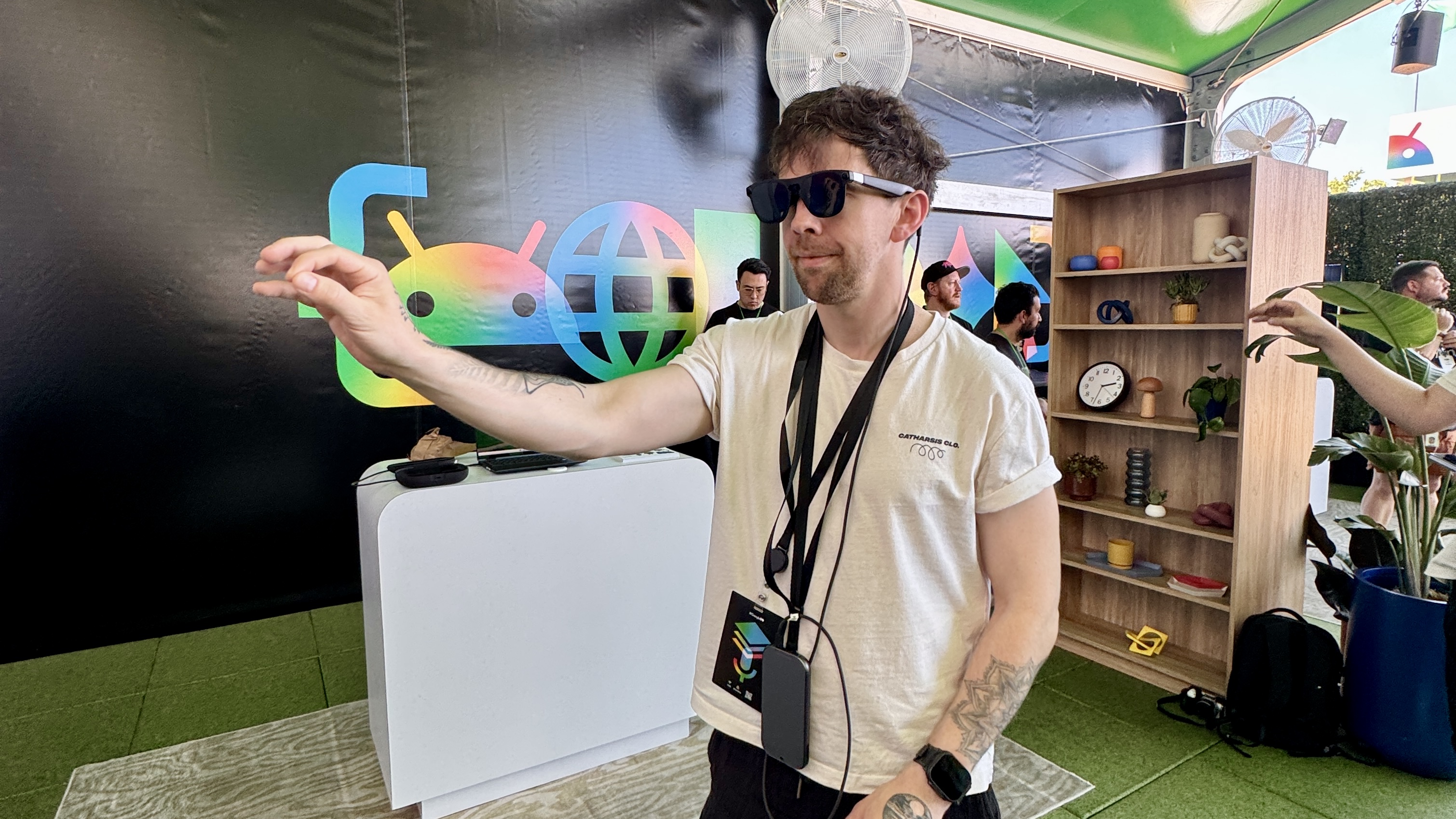
The partnership between Google and Xreal is not just about hardware; it is about the "Android XR" ecosystem. By standardizing the spatial interface, Google aims to provide a consistent user experience that mirrors the familiarity of Android. Features like gesture-based "pinch and drag" navigation make the transition from a smartphone to spatial computing intuitive.
Google’s role in this partnership is critical. By providing the software backbone (Gemini-integrated voice navigation and the underlying Android XR framework), they are effectively creating a platform for developers. This is a clear attempt to challenge the closed-ecosystem dominance of Apple’s visionOS.
The "Public Perception" Hurdle
Despite the technological marvel, the question remains: will people wear these in public? Currently, Project Aura is still "oversized" compared to a standard pair of Ray-Bans. While they are a far cry from the bulky headsets of 2020, they still draw attention. The "social acceptability" factor is the final frontier that companies like Xreal, Meta, and Google are currently grappling with.
The Future of Spatial Computing: A Conclusion
Is Project Aura the end-all-be-all of AR? Not quite. The reliance on a tethered puck is an annoyance for some, and the price point—while still a mystery—is almost certain to be north of $1,000, given the cutting-edge components involved.
However, viewing Project Aura through the lens of pure cost misses the point. It is a lighthouse project. It demonstrates that the components required for a fully realized spatial computer have finally shrunk to the point where they can fit on your face.
As we look toward the wider release later this year, the implications are clear: we are entering the era of "ambient computing." The screen is no longer a device you carry in your pocket; it is a layer of reality that follows you. Whether it is using Gemini to annotate the world in real-time or playing a D&D-style tabletop game in the middle of a park, the barrier between digital content and the physical world is thinning.
The path ahead involves making these devices more discrete and more powerful, eventually eliminating the compute puck entirely. But for now, Project Aura stands as a testament to how far we’ve come. It is, in every sense of the word, the future. As the industry awaits the final retail pricing and launch dates, one thing is certain: the race to define the next era of computing has officially shifted from the desk to the eye.












No comments yet. Be the first to join the conversation!