Lina Hope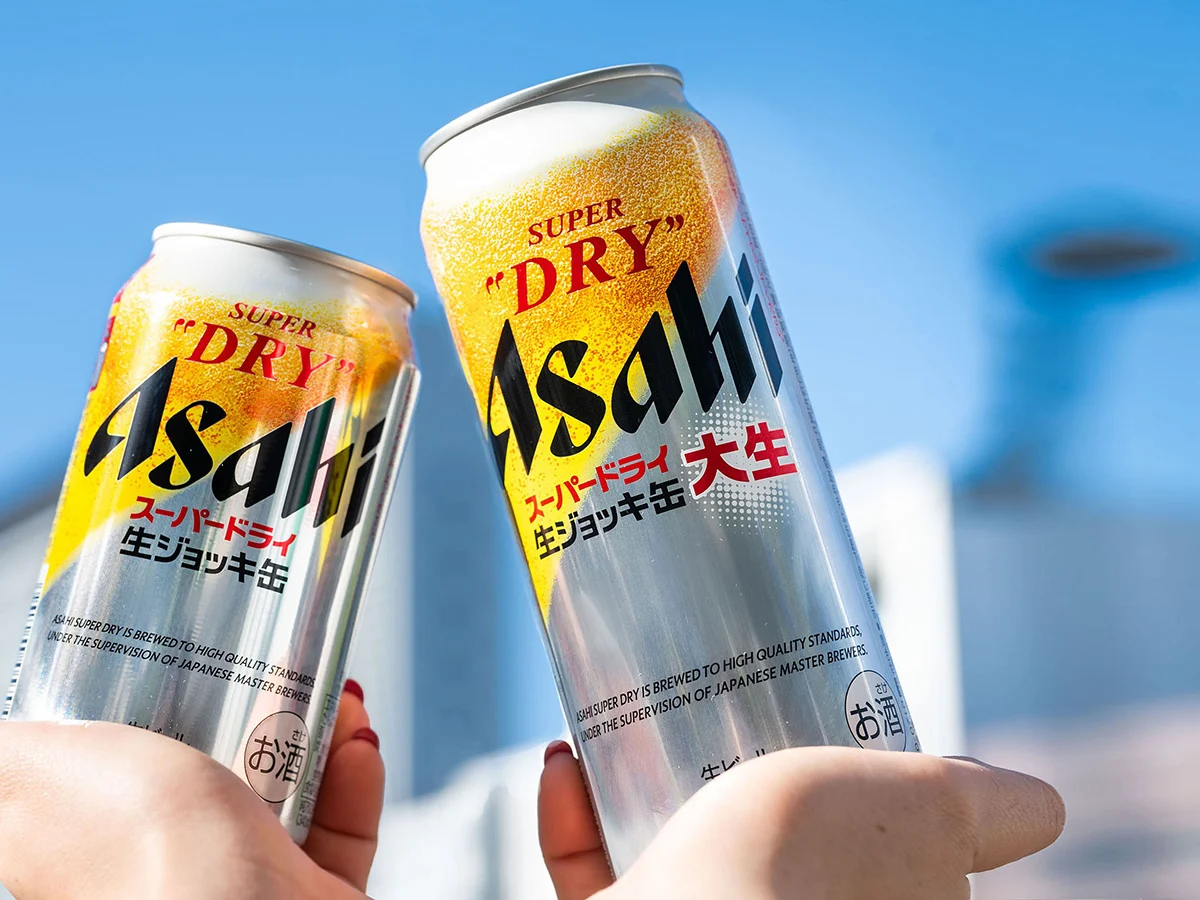
For travelers navigating the neon-lit streets of Tokyo or the serene pathways of Kyoto, the quintessential Japanese experience is often punctuated by a trip to a local izakaya. There, seated at a worn wooden counter, one can witness the art of the perfect pour: a crisp, refreshing draft beer—referred to in Japanese as nama (meaning "fresh")—topped with a precise, velvety crown of foam. This bubbly head is not merely aesthetic; it is a functional component of the drinking experience, locking in carbonation and providing a mellow, creamy texture that defines Japanese beer culture.
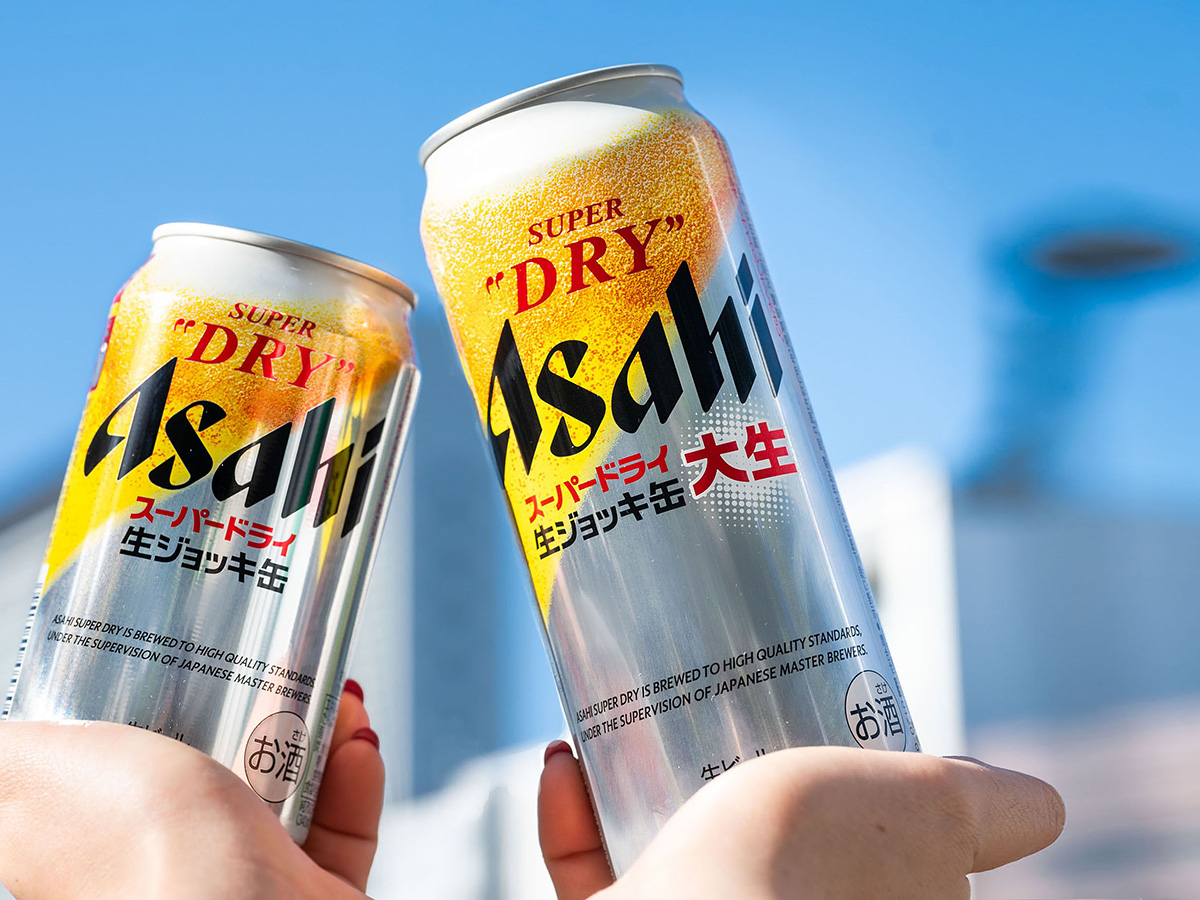
However, the constraints of modern travel—tight schedules, the search for authentic convenience, and the desire for high-quality refreshments on the go—often make a sit-down tavern experience impossible. Recognizing this gap between the premium quality of draft beer and the convenience of portable packaging, Japanese brewing giant Asahi Breweries, Ltd. has introduced a game-changing innovation: the Asahi Super Dry Nama Jokki Can.
The Science of the "Nama" Experience
The Nama Jokki Can is more than a marketing gimmick; it is an engineering feat. Developed to be the world’s first canned beer that naturally develops a dense, pub-quality head upon opening, the product utilizes a proprietary interior coating. This specialized lining creates microscopic irregularities on the surface of the can, which, upon opening, induces the beer to generate a consistent, fine-bubbled foam.
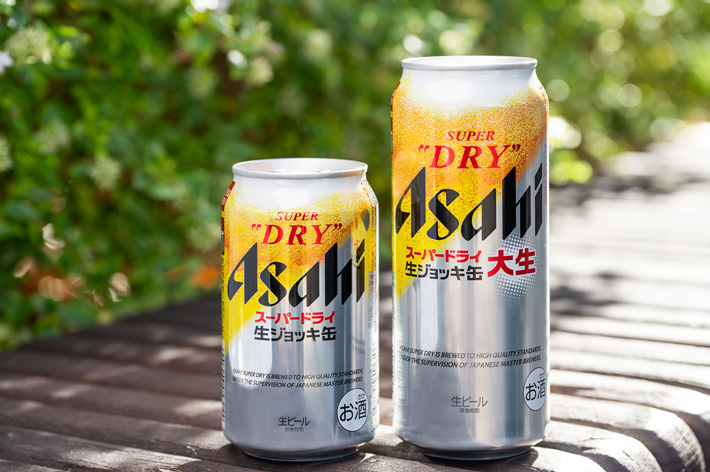
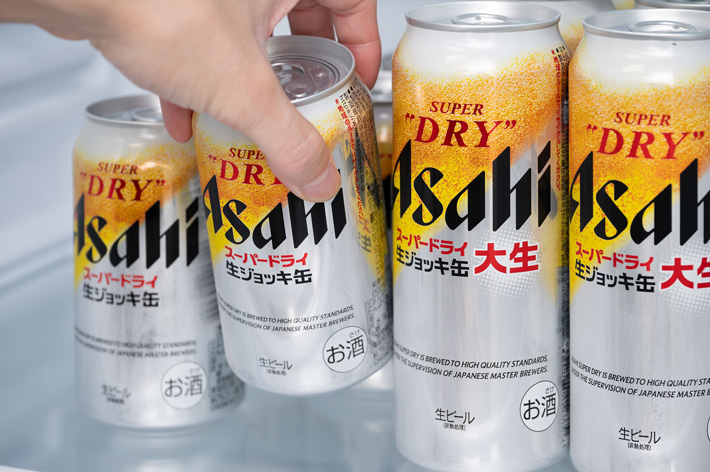
The name "Nama Jokki" is inherently descriptive. Jokki is the Japanese term for a beer mug. By naming the product "Fresh Beer Mug Can," Asahi explicitly promises to bridge the divide between the draft tap and the aluminum can. Available in 340ml and 485ml formats, the product has transformed from a niche experiment into a staple of Japanese convenience stores and supermarkets.

Chronology of an Innovation
The journey of the Nama Jokki Can began with a shift in consumer behavior. Asahi Breweries observed that while canned beer sales remained robust, the "drinking at home" experience lacked the sensory satisfaction of the izakaya.
- October 2021: Following rigorous research, Asahi launched the product, claiming the title of the world’s first canned beer to develop a natural head upon opening (verified via Mintel’s global product database).
- The Initial Rollout: Upon its debut, the product faced unprecedented demand, leading to temporary shortages across Japan as the unique design captured the public’s imagination.
- Refinement and Expansion: Asahi continued to optimize the lid mechanism to ensure safety and ease of use, eventually expanding production to meet the demand of both domestic consumers and curious international travelers.
- Present Day: The Nama Jokki has become a cultural icon, frequently featured in media and social discourse as the "must-try" souvenir for beer enthusiasts visiting Japan.
A Comparative Analysis: The Sensory Impact
To understand why this innovation matters, one must look at the data regarding beer consumption. Sensory analysis suggests that the "mouthfeel" of a beer is significantly influenced by the creaminess of the foam. In a standard can, the lack of a wide aperture prevents the consumer from smelling the hop profile effectively and forces a rapid, sometimes harsh, carbonation flow.
The Nama Jokki design solves this through a dual approach:
- Wide-Mouth Architecture: By replacing the standard, narrow pull-tab with a lid that removes entirely, the can mimics the drinking experience of a glass mug. This allows the consumer to take a larger, more satisfying swig, facilitating a better interaction between the liquid and the palate.
- Foam Dynamics: The internal coating ensures that the foam is generated consistently. This layer acts as a barrier, preventing oxidation while maintaining the beer’s crisp "Super Dry" finish.
Professional Perspectives: A First-Hand Account
At Umami Bites, staff members Steven and Bensky recently put the claims to the test. Their experience serves as a testament to the product’s impact on the average consumer.

"It’s not just about the novelty," noted Steven during their review. "It’s about the accessibility of the experience."
When Bensky, initially skeptical of the "draft in a can" claim, cracked open the lid, the rapid formation of the foam—reminiscent of a professional bartender’s pour—immediately shifted his perception. "It changes the way you drink," Bensky noted. "The wide mouth allows you to experience the aroma properly, and the texture of the head is indistinguishable from what you’d get at a high-end pub."

Implications for the Global Beverage Market
The success of the Nama Jokki Can has sent shockwaves through the global beverage packaging industry. It challenges the long-held belief that "canned beer" must inherently be a lower-tier product compared to "draft beer."
1. The Convenience Factor
For the tourism sector, this product represents a significant upgrade to the "convenience store meal." Tourists are no longer forced to choose between the portability of a standard can and the quality of a tavern pour. Whether enjoying a bento box under the cherry blossoms or relaxing in a hotel room after a long day of sightseeing, the Nama Jokki offers a premium, context-agnostic drinking experience.

2. A New Paradigm for Souvenirs
In the retail space, the Nama Jokki has redefined what a "Japanese souvenir" can be. It is an interactive, experiential product. Bringing a few cans back home (within legal limits) allows travelers to share a slice of Japanese culture with friends—a "portable izakaya" that functions as a conversation starter.
3. Sustainability and Waste
While the product requires more complex manufacturing due to the specialized lid and interior coating, it aligns with broader trends in recyclable aluminum packaging. Asahi has emphasized the importance of responsible consumption and recycling, urging consumers to adhere to local municipal guidelines regarding aluminum waste.
The Official Stance on Responsible Consumption
Asahi Breweries maintains a strict commitment to corporate social responsibility. The company explicitly warns that the Nama Jokki Can, like all alcoholic products, must be consumed responsibly. Legal requirements in Japan are clear: the minimum drinking age is 20. Asahi’s branding efforts for the Nama Jokki are designed to appeal to the "premiumization" of the market, focusing on the quality of the drinking experience rather than volume consumption.
Conclusion: A New Standard for Portability
The Asahi Super Dry Nama Jokki Can is a masterclass in product design. By focusing on the experience of the consumer rather than just the contents of the can, Asahi has successfully replicated the atmosphere of a Japanese tavern in a portable, affordable format.
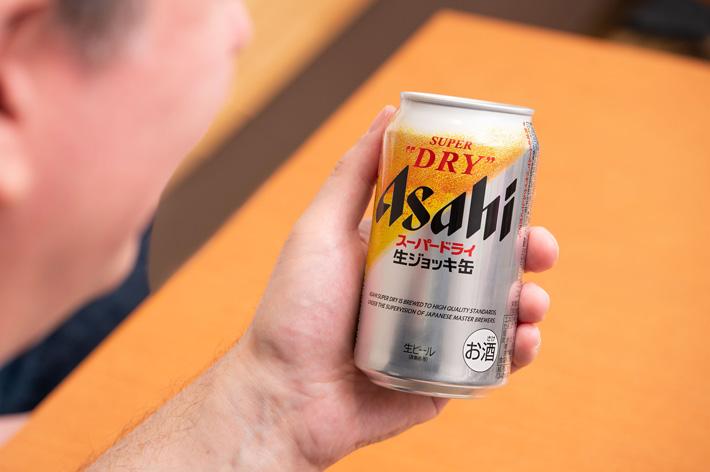
For the traveler, it is an essential inclusion on any Japan itinerary. It represents the intersection of tradition and technology—a way to carry the spirit of the izakaya with you, whether you are walking through the streets of Tokyo or sharing a drink at home with friends. As the beverage industry continues to evolve, the Nama Jokki stands as a landmark example of how innovative engineering can enhance the simple, age-old pleasure of enjoying a cold, fresh beer.
Disclaimer: Underage drinking (less than 20 years of age) and drink-driving are strictly prohibited by law. Always enjoy your beverages responsibly and ensure that you dispose of your aluminum cans in accordance with local recycling regulations.


 Neng Nana
 Asro
Asro