Azzam Bilal Chamdy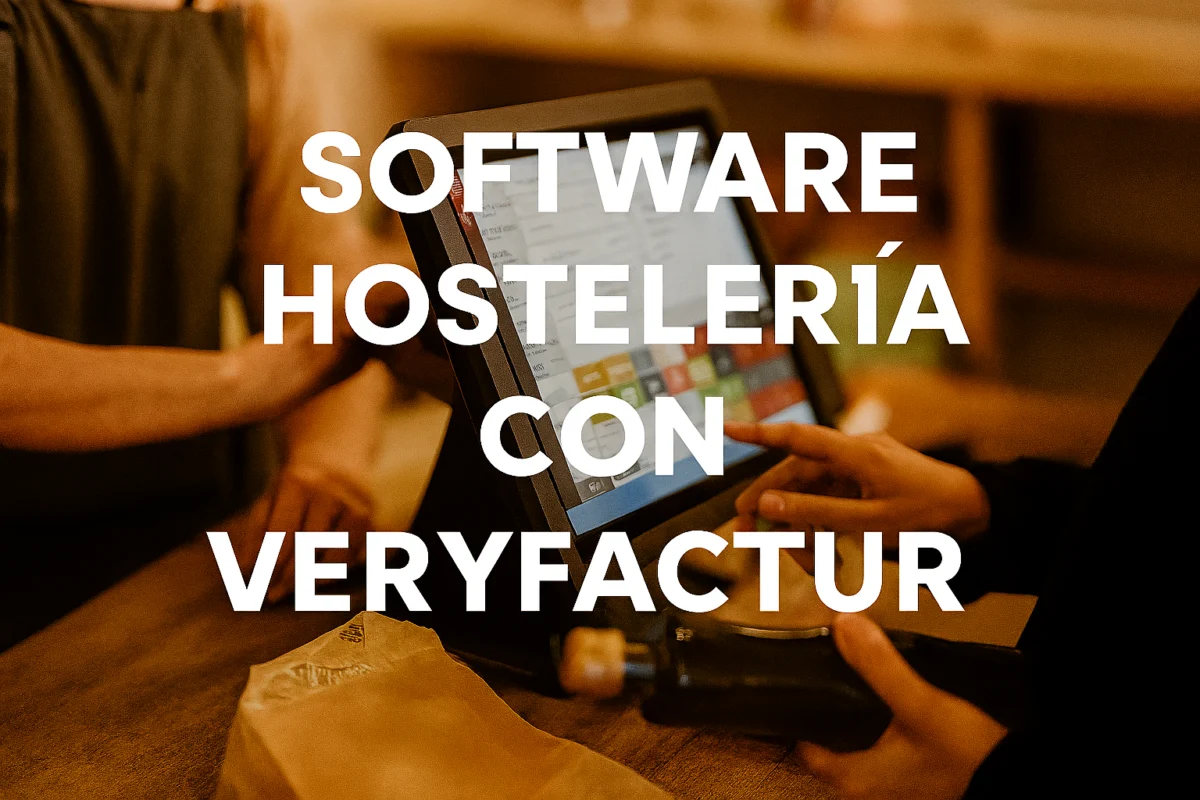
In the fast-paced world of contemporary hospitality, digitalization has evolved from a competitive advantage into a fundamental prerequisite for survival. For restaurateurs, the shift from traditional, manual management—often reliant on handwritten notes and fragmented spreadsheets—to sophisticated, integrated software ecosystems is no longer optional. It is the backbone of operational efficiency, financial transparency, and customer satisfaction.
As the industry navigates rising labor costs, tighter margins, and shifting consumer expectations, technology acts as the great equalizer. By automating repetitive tasks, hospitality businesses can liberate their staff from administrative burdens, allowing chefs, waitstaff, and managers to refocus their energy on the core of the industry: the culinary experience and personalized service.
A Paradigm Shift: Moving Beyond the "Pen and Paper" Era
Historically, restaurant management was an exercise in intuition and memory. Decisions regarding inventory, staffing, and menu pricing were often made based on gut feeling rather than empirical evidence. This "analog" approach created significant operational friction, leading to manual errors, communication breakdowns between the front-of-house and the kitchen, and a lack of agility when facing sudden surges in customer demand.
The modern paradigm replaces this friction with centralized, automated intelligence. The core of this transformation lies in the adoption of an integrated Point of Sale (POS) system. A robust POS system for restaurants serves as the nerve center of the business, synchronizing sales data, payment processing, inventory levels, and labor metrics in real-time. By digitizing these touchpoints, owners can transform raw data into a precise roadmap for success.
Chronology of the Digital Transition
- The Manual Phase: Operations are fragmented; data is siloed in physical notebooks and individual employee memories.
- The Digitization Phase: The implementation of basic electronic cash registers and standalone software for specific tasks (e.g., separate accounting software).
- The Integration Phase: The current state-of-the-art, where TPVs, digital comanderos, and automated invoicing tools like Veryfactur form a unified, interconnected ecosystem.
- The Predictive Phase: Leveraging AI and machine learning to forecast demand, automate ordering, and optimize dynamic pricing.
Reducing Friction: The Power of Seamless Communication
One of the most persistent "silent killers" of restaurant profitability is communication failure. Whether it is a misunderstood modification, an forgotten allergen warning, or a delay in relaying an order to the kitchen, these errors ripple throughout the business. They result in food waste, customer dissatisfaction, and increased stress for the team.
The transition to a digital workflow, utilizing digital ordering systems, eliminates these gaps. When a waiter enters a request into a handheld device or terminal, the order is transmitted instantly to the kitchen display system (KDS). This creates a seamless flow of information that ensures:
- Accuracy: Modifications and dietary requirements are tracked electronically, minimizing human error.
- Triage: Kitchen staff can view orders in chronological order or by preparation complexity, optimizing the "plate-out" time.
- Traceability: Managers can identify exactly when a dish was ordered, how long it took to prepare, and who processed the transaction.
Data-Driven Management: Staffing and Inventory
Effective management is built upon the foundation of accurate data. Modern software solutions provide deep insights into two of the highest-cost areas of any restaurant: labor and food costs.
Optimizing the Workforce
Manual shift planning often leads to overstaffing during quiet periods or, conversely, being understaffed during peak hours—both of which erode profit margins. By integrating time-clock data with sales reports, managers can create "demand-based" schedules. The system analyzes historical sales patterns to predict the necessary headcount for any given hour, reducing unnecessary overtime and ensuring the team is always sized correctly for the expected volume.
Inventory and Waste Reduction
Food waste is a significant source of lost revenue. By linking inventory systems directly to the POS, every ingredient consumed is automatically deducted from stock as soon as the item is sold. This provides:
- Real-time visibility: Instant alerts when stock levels drop below a certain threshold.
- Recipe Costing: Precise tracking of the cost of goods sold (COGS) per dish, allowing for more strategic menu pricing.
- Shrinkage Control: Discrepancies between physical inventory counts and digital records can be identified quickly, helping to pinpoint potential theft or waste.
The Financial Pillar: Veryfactur and Fiscal Compliance
Regulatory compliance is a significant burden for restaurant owners. Integrating accounting and invoicing, such as through solutions like Veryfactur, represents a critical step in professionalizing the back-office.
Veryfactur bridges the gap between the transaction and the ledger. By automating the generation of invoices and ensuring that every sale is compliant with local tax regulations, the software minimizes the risk of human error in accounting. This integration provides:
- Automatic Reconciliation: Payments, taxes, and net sales are automatically logged, saving hours of manual data entry for the administrative team.
- Audit Readiness: Having a digital, immutable record of every transaction ensures that tax reporting is accurate and stress-free.
- Strategic Partnerships: With clear, exportable data, restaurateurs can provide their accountants with precise information, enabling better financial forecasting and tax planning.
The Integrated Ecosystem: Why Interconnectivity Matters
The true power of modern hospitality technology is realized not by individual tools, but by their integration. When the POS, the kitchen display system, and the accounting platform communicate seamlessly, the business operates as a single, cohesive organism.
This ecosystem approach creates a "Single Source of Truth." For example, when a customer pays a bill, the event simultaneously triggers:
- The deduction of inventory for the ingredients used.
- The recording of revenue for accounting purposes.
- The calculation of tax liabilities.
- The update of employee performance metrics.
By removing the need for manual data transfer, restaurants can eliminate the "double-handling" of information, which is a common source of both delays and data corruption.
Improving the Customer Experience: The Invisible Value
While the primary benefits of digitalization are often internal, the customer is the ultimate beneficiary. Modern diners demand speed, accuracy, and personalization.
- Speed of Service: Faster order transmission leads to faster table turnover and lower wait times.
- Order Accuracy: Customers are more likely to return when their dietary needs are taken seriously and orders are served correctly every time.
- Loyalty and Feedback: Integrated systems often include CRM features that allow businesses to track guest preferences, enabling personalized offers and a higher level of hospitality.
A business that runs smoothly behind the scenes is perceived by the guest as professional, attentive, and reliable. This translates into higher ratings on social media and travel platforms, which is essential for attracting new patrons in a crowded market.
Addressing Barriers to Implementation
Despite the clear benefits, some restaurateurs remain hesitant to adopt new technology, citing concerns over costs, staff resistance, or technical complexity. These barriers, while real, are usually manageable through a strategic approach:
- Staff Training: Resistance is usually rooted in the fear of the unknown. Comprehensive training sessions and user-friendly interfaces (which mimic consumer smartphone technology) help team members quickly gain confidence.
- Scalability: Technology does not need to be adopted all at once. An "incremental implementation" strategy—starting with the POS, then adding inventory management, then full accounting integration—allows the business to absorb the changes without overwhelming operations.
- Choosing the Right Partner: Investing in a provider that offers 24/7 technical support and regular software updates ensures that the technology remains a solution, not a headache.
Conclusion: The Path Forward
The digitalization of the hospitality sector is not merely a trend; it is the evolution of a craft. By adopting a comprehensive tech stack—encompassing POS systems, digital comandas, and automated invoicing—restaurateurs can transform their businesses from reactive operations into proactive, data-driven enterprises.
The result is a more resilient business model capable of withstanding the pressures of the modern market. As we look toward the future, the integration of these tools will become the baseline for success. For those willing to invest in the right systems, the rewards are clear: increased profitability, a more motivated team, and a superior experience that keeps customers coming back. In an industry defined by its human touch, the best technology is that which works in the background, allowing the human elements of service and hospitality to shine brighter than ever before.

 Lina Hope
 Reynand Wu