Lina Hope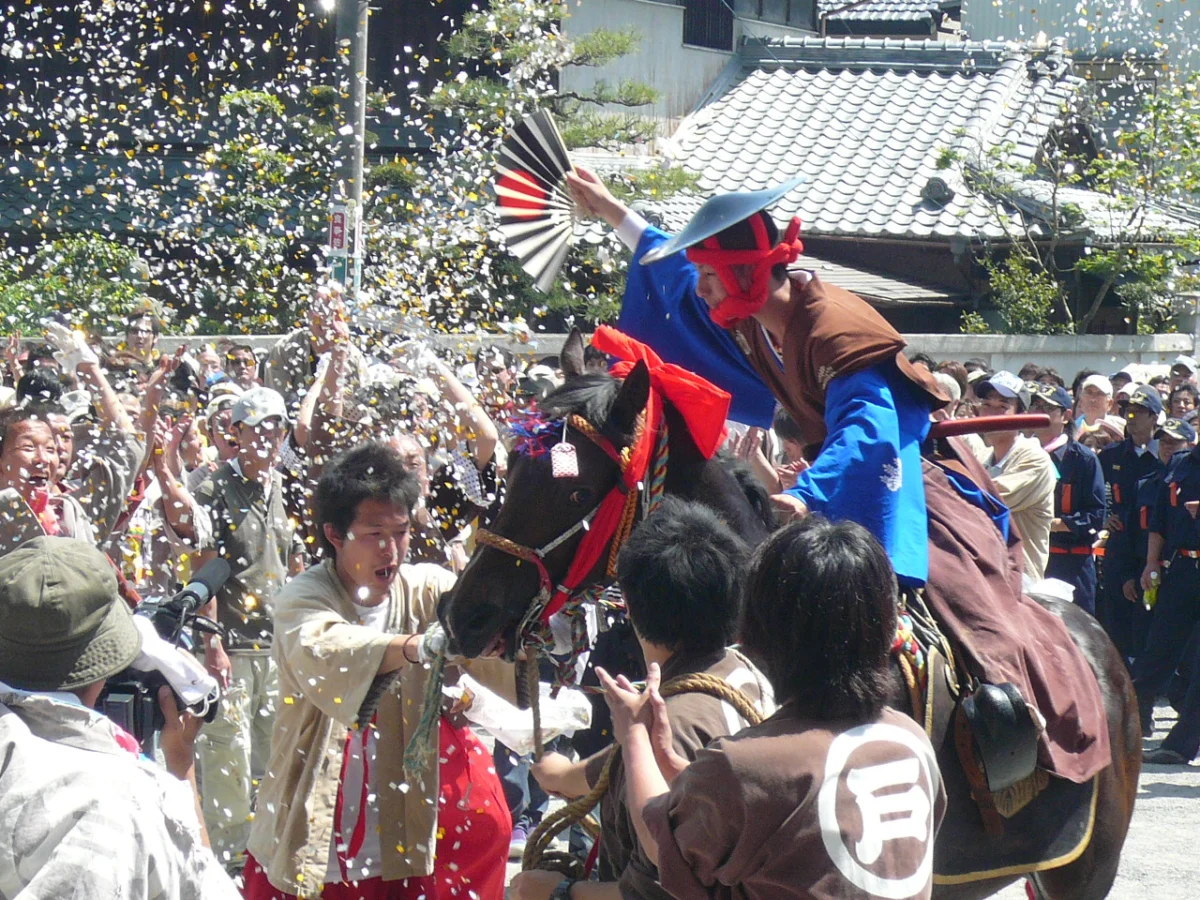
In the verdant foothills of northern Mie Prefecture, Japan, the Tado Grand Shrine (Tado Taisha) serves as a sanctuary for both the spiritual and the secular. For over a millennium, it has stood as a bastion of Shinto heritage, a site where the veil between the human world and the divine is said to be thin. However, each May, this tranquil landscape is transformed by the Tado Matsuri, a festival defined by the Ageuma Shinji—a "Rising Horse Rite" that is as physically electrifying as it is increasingly controversial.
As Japan balances the preservation of intangible cultural properties with the evolving sensibilities of the 21st century, the Tado Festival has become a lightning rod for debate. It is a rare, living relic of a bygone era, yet it now exists under the intense scrutiny of animal-welfare advocates, local authorities, and an international public increasingly concerned with the ethics of human-animal interaction in traditional spectacles.
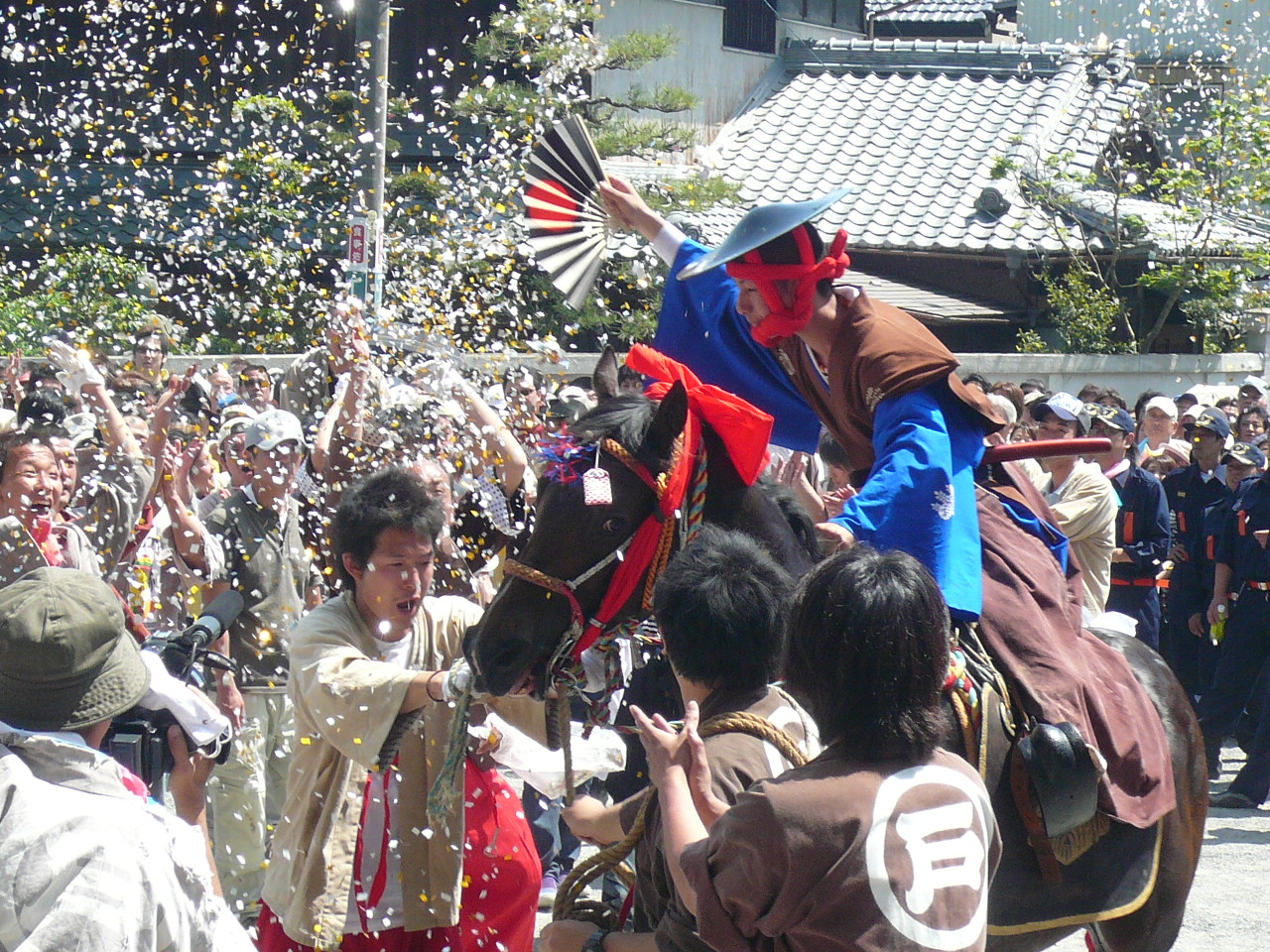
The Ritual of the Rising Horse: Core Facts and Significance
The Tado Festival, held annually on May 4th and 5th, is centered around the Ageuma Shinji. This ritual is not merely a show of horsemanship; it is a sacred divination. The central act involves young men, adorned in traditional samurai-era armor, spurring their horses up a steep, 100-meter packed-earth incline. At the summit of this climb lies a two-meter-high vertical wall.
The successful completion of this jump is viewed as a divine prognosticator for the regional rice harvest. A clean leap suggests a year of abundance, while a refusal or failure is interpreted as a harbinger of drought or poor crop yields. This practice, rooted in the agrarian roots of Shinto, has been performed continuously since the Kamakura period—some 700 years—with oral traditions tracing its origins back to the 6th century.
A Historical Chronology: From Samurai to Motorbikes
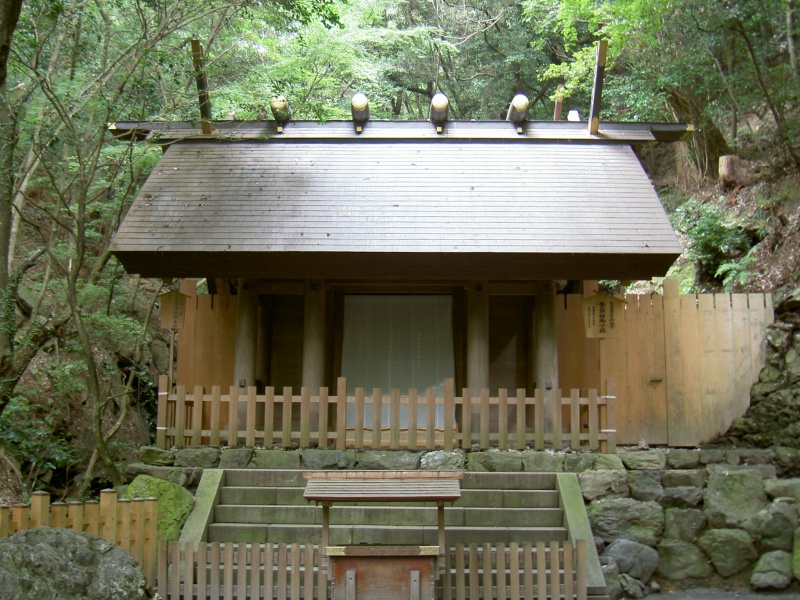
The Tado Taisha is far more than its famous, contentious festival. Ranking just below the illustrious Ise Grand Shrine in the religious hierarchy of Mie, the shrine is dedicated to Amatsuhikone-no-mikoto, a deity of the Shinto pantheon and a child of the sun goddess, Amaterasu. Within the mythology of Tado, this deity is revered specifically as the "horse protector."
The Evolution of the Shrine
- 459 CE: Historical records place the founding of the shrine during the reign of Emperor Yuryaku. If verified, this would categorize Tado Taisha as one of the oldest Shinto sites in Japan, predating the establishment of the Ise Grand Shrine.
- 927 CE: The shrine is officially recognized in the Engishiki, the definitive register of Japan’s nationally significant shrines, confirming its high status in the early medieval period.
- The Edo Period (1603–1867): The shrine evolved from a site of prayer for cavalry warriors to a patron for the farm horses that were the backbone of the Japanese economy.
- The Modern Era: Today, the "horse protector" theology has taken a modern turn. Tado Taisha has become a pilgrimage destination for automotive and motorcycle enthusiasts who seek blessings for their vehicles, effectively bridging the gap between ancient equine spirituality and the mechanical age.
Supporting Data: The Shrine Precincts
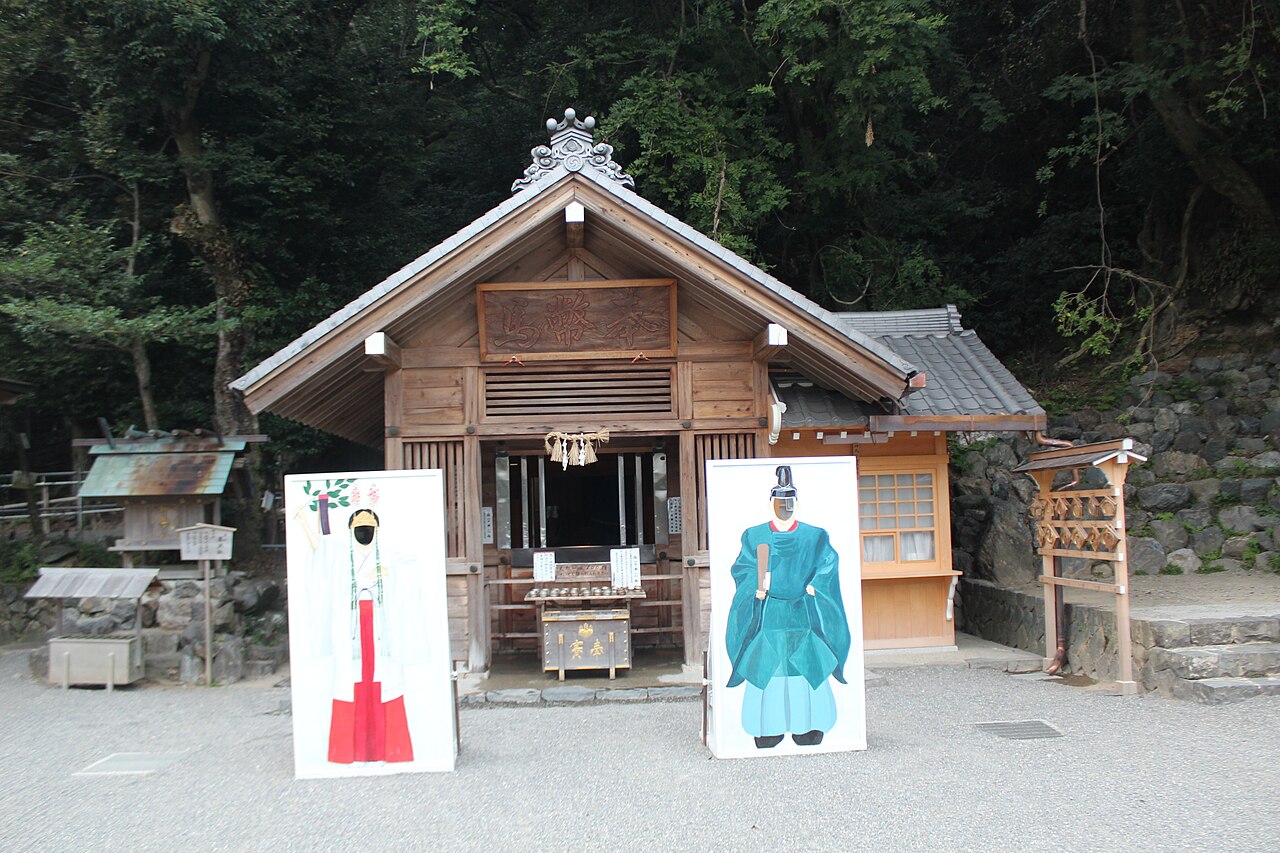
Visitors to the Tado complex will find four primary structures of cultural and religious significance:
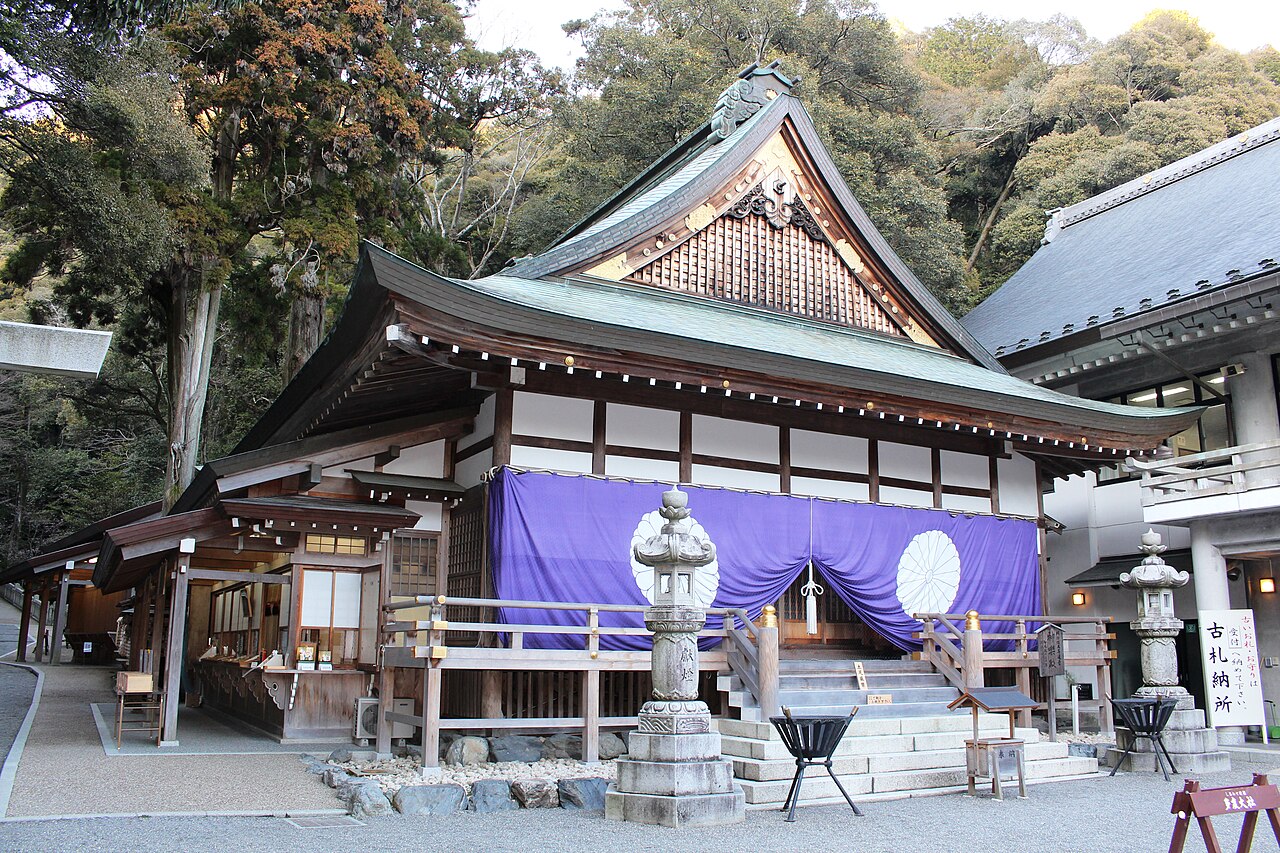
- The Main Hall (Honden): Built upon the original footprint of the shrine, this structure has been reconstructed on a recurring 300-year cycle to maintain its sanctity.
- The Gakuraden: A ceremonial music hall where kagura (ritual dances) and Shinto prayers are conducted, particularly during the festival.
- The Jinmesha (Sacred Stable): This stable houses the shrine’s sacred horse—currently a white thoroughbred named Kintaro. It is important to note that the sacred horse is an object of veneration and is kept separate from the, often taxing, demands of the Ageuma ritual.
- The Treasure Hall (Shuho-kan): A museum housing historical artifacts, including ceremonial saddles and samurai armor donated by feudal clans.
The Ageuma Shinji: A Ritual Under Fire
Since 2020, the Ageuma Shinji has been the subject of a fierce, ongoing controversy regarding animal welfare. Critics, including prominent animal-rights organizations, argue that the event causes unnecessary trauma to the horses involved.
The Nature of the Criticism
The primary concerns center on the structural design of the course. The steep, hard-packed earth incline, combined with a rigid vertical wall, has led to numerous instances of injury. Over the past several years, media reports have documented horses sustaining leg and shoulder injuries upon impact with the wall, prompting public outcry and calls for the total cessation of the event.
The Shrine’s Official Response
Faced with the threat of losing its status as a designated Intangible Cultural Property, Tado Taisha has opted for reform rather than cancellation. The shrine leadership has implemented several significant changes since 2021:
- Modified Slope Geometry: The height and angle of the jump have been reduced to minimize the physical impact.
- Cushioning Measures: The landing and take-off zones have been modified with safer, shock-absorbing materials.
- Participant Restrictions: The age and experience levels of the riders are more strictly regulated, and the selection process for the horses is more rigorous, ensuring that only animals deemed capable of the feat are selected.
Implications for the Modern Visitor
Any visitor arriving in 2026 or beyond will find themselves at the intersection of a deeply traditional spectacle and a modern protest movement. The atmosphere is undeniably tense. Demonstrators are a regular fixture at the festival, and their presence serves as a constant reminder of the societal friction surrounding the event.
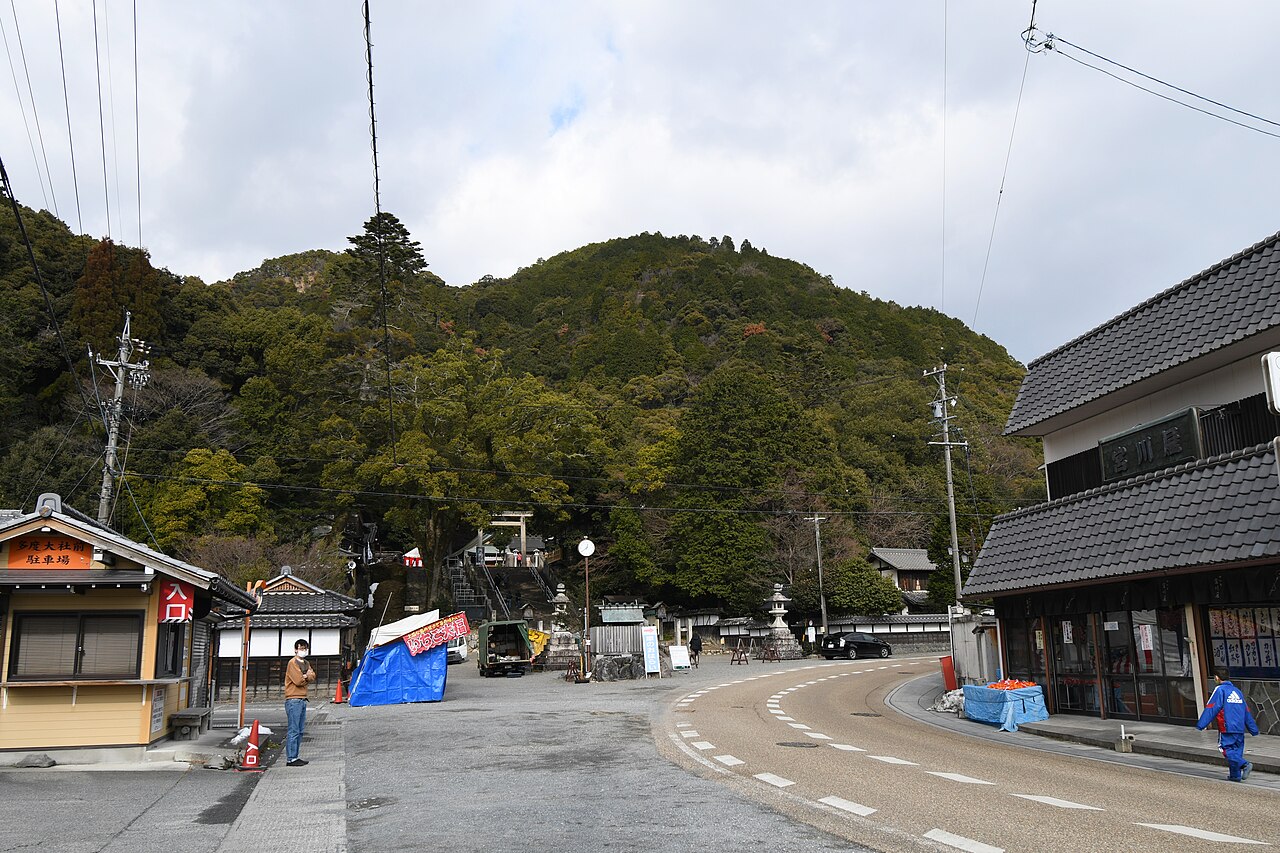
However, the shrine maintains that the ritual is a vital piece of the nation’s folk-religious fabric. The festival remains open to the public, though the experience is significantly different from that of previous decades. For the tourist, this presents a personal moral calculus: whether to witness a tradition that has survived a millennium, or to abstain in support of the animal-welfare movement.
Practical Advice for Potential Attendees
- Crowd Management: Expect massive crowds. With an annual attendance between 300,000 and 400,000, space is at a premium. Those seeking a good view of the jump should arrive well before 10:00 AM.
- Reserved Seating: For those who wish to avoid the chaotic standing-room areas, the shrine offers paid reserved seating near the slope, which can be booked via their official website starting in late March.
- Cultural Sensitivity: While the shrine provides some English-language materials, it is primarily a Japanese-run religious event. Visitors are encouraged to be respectful of the prayers and rituals, even if they remain critical of the horse-jumping aspect.
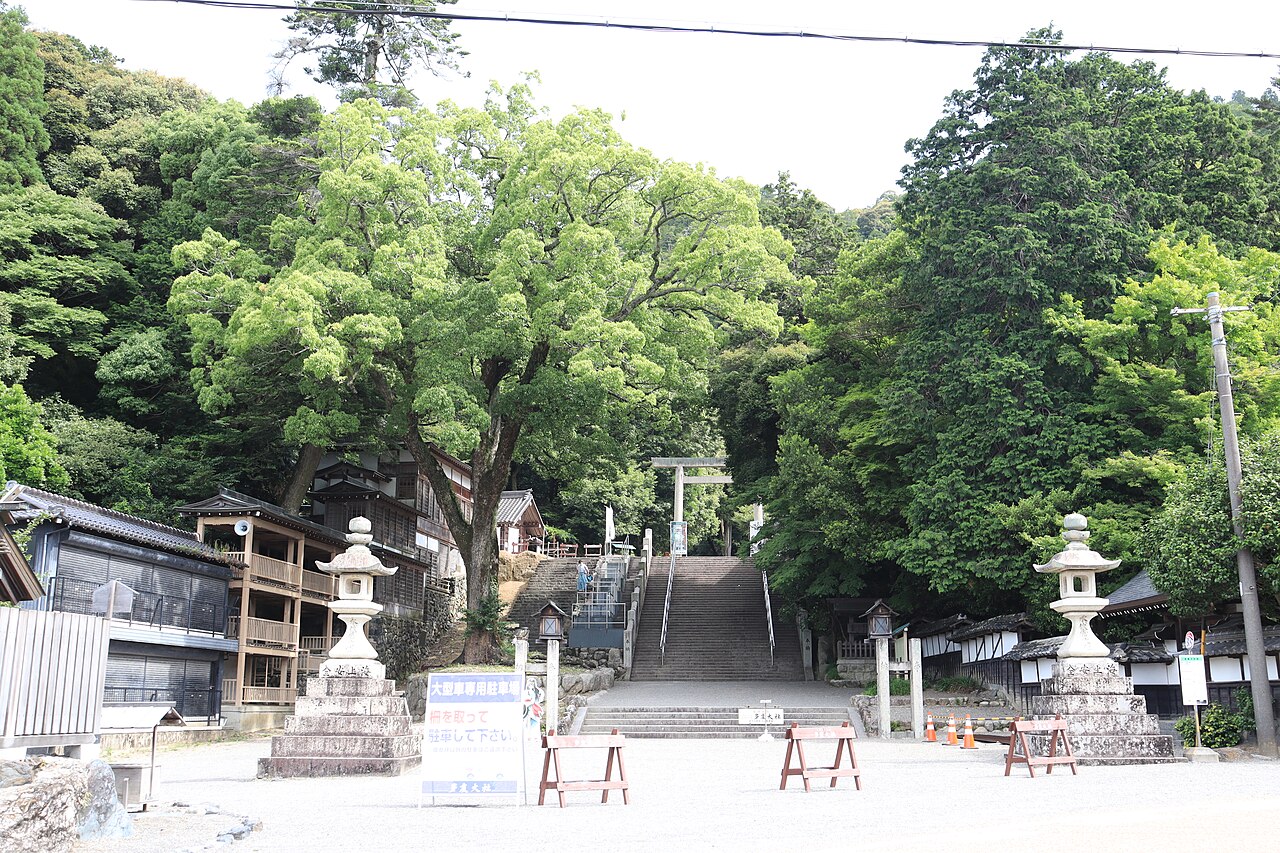
- Alternative Experiences: For those who wish to experience the beauty of Tado Taisha without the moral dilemma of the festival, the shrine is arguably at its best during the quiet winter months or the vibrant autumn foliage season. A hike up the 403-meter Mt. Tado offers a panoramic view of the Ibi River delta and provides a peaceful, reflective counterpoint to the intensity of the May festivities.
Conclusion: A Living Legacy in Transition
Tado Taisha represents a fascinating case study in how ancient traditions negotiate their relevance in a globalized, ethics-conscious world. The Ageuma Shinji is neither static nor immune to the pressures of the modern age. By choosing to modify rather than abandon the rite, the shrine is attempting to walk a tightrope between religious continuity and contemporary social expectation.
Whether the festival will remain in its current form for another century, or if it will evolve into a purely symbolic event, remains to be seen. For now, it stands as a testament to the complexity of Japanese culture—a place where the sacred, the political, the historical, and the modern collide in the shadow of Mt. Tado. For the observant traveler, it is a place of profound significance, demanding not just a visit, but a thoughtful engagement with the evolving meaning of "tradition" itself.


 Neng Nana
 Asro
Asro