Pevita Pearce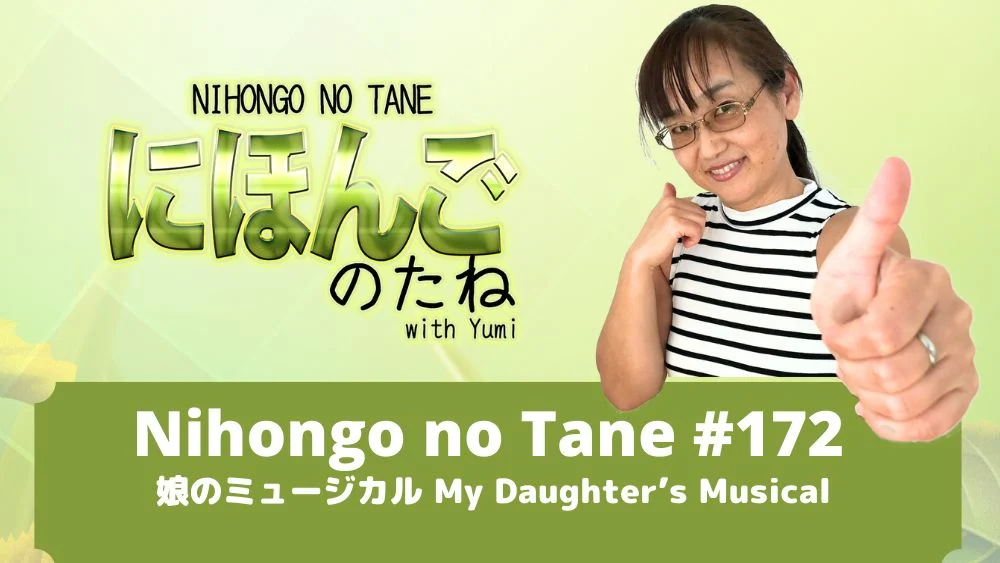
For students of the Japanese language, the transition from textbook study to natural, conversational fluency is often the most significant hurdle. While grammar drills and vocabulary lists provide the foundation, real-world context—the "seeds" of language—is found in the everyday stories of native speakers. In the latest installment of the popular Nihongo no Tane (Seeds of Japanese) podcast, host Yumi offers listeners a poignant and relatable glimpse into a transformative summer experience: her 17-year-old daughter’s foray into the world of musical theater.
Designed specifically for upper-beginner to intermediate learners, the episode serves as more than just a language-learning tool; it is a narrative exploration of growth, dedication, and the cultural landscape of extracurricular activities in Japan.
Main Facts: A Summer Defined by the Stage
The central narrative of this podcast episode revolves around a significant milestone in Yumi’s daughter’s life: her first-ever audition. What began as a single moment of courage—stepping into an audition room—quickly blossomed into a demanding, immersive commitment.
Over the course of the summer, the teenager transitioned from a student to a performer. The endeavor required an intensive rehearsal schedule that occupied the better part of her vacation, eventually culminating in a series of nine performances. For language learners, the episode provides an excellent opportunity to engage with vocabulary related to performing arts, scheduling, and personal milestones, all while hearing a native speaker recount a multi-stage personal narrative.
The success of the production served as a powerful lesson for the teenager, illustrating the rewards of hard work and the collaborative nature of theater. By sharing this story, Yumi provides listeners with a window into how Japanese families balance academic pressure with artistic pursuits.
Chronology of the Production
The arc of the daughter’s experience follows a classic "hero’s journey" structure, which makes for compelling storytelling and easier comprehension for language learners tracking the sequence of events.
The Audition Phase
The journey began with the decision to audition. In Japan, extracurricular activities, known as bukatsu (or club activities), are a cornerstone of student life. However, community theater and independent productions often operate with a different intensity. The initial step involved preparing for the audition, a nerve-wracking process that tested the teenager’s resolve.
The Rehearsal Grind
Following the successful audition, the "summer of rehearsals" began. This phase is characterized by long hours, memorization of scripts, blocking scenes, and vocal training. Yumi describes the physical and mental toll of this period, highlighting the dedication required to maintain school-life balance while pursuing a passion project.

The Performance Run
The culmination of the project was a nine-show run. For a performer, the transition from the rehearsal studio to the stage is the ultimate test. The daughter had to navigate the adrenaline of opening night, the consistency required to maintain energy across nine separate performances, and the eventual emotional "crash" that often follows a successful run.
Supporting Data: The Importance of Contextual Learning
The Nihongo no Tane podcast series has carved out a unique niche in the Japanese-learning space. By focusing on short, authentic stories, the platform addresses a common pain point for intermediate learners: the "gap" between structured curriculum and native-speed conversation.
Pedagogical Value
Language acquisition research consistently shows that learners retain information better when it is embedded in a narrative. By listening to Yumi recount her daughter’s experiences, students are exposed to:
- Natural Pacing: The flow of Japanese storytelling, including the use of aizuchi (conversational fillers).
- Cultural Nuance: Understanding the social expectations placed on teenagers in Japan regarding extracurricular commitments.
- Vocabulary in Action: Words related to theater, emotions, and summer life are used in their natural, functional context rather than in isolation.
Community Engagement
The podcast is supported by the Makoto+ ecosystem, a subscription-based platform that provides transcripts, shadowing exercises, and supplementary materials. This ecosystem acknowledges that listening alone is rarely enough; deep learning requires the ability to deconstruct what is heard. The inclusion of comprehension questions following the audio serves as a critical feedback loop, ensuring that listeners are not just hearing the language, but actively processing the meaning behind the words.
Official Responses and Educational Implications
The reception of the "My Daughter’s Musical" episode highlights the growing demand for "real-life" Japanese content. Educators have long argued that textbooks often present a sterile, outdated version of the language. Podcasts like Nihongo no Tane bridge this gap by providing content that is, by its very nature, evolving.
The Shift Toward Authentic Media
The shift toward podcast-based learning represents a broader trend in digital education. Learners are increasingly bypassing traditional classroom settings in favor of high-quality, curated digital content that allows for self-paced study. The success of this episode suggests that learners are specifically looking for stories that feel human and grounded.
Encouraging Student Agency
The story of Yumi’s daughter is also an implicit lesson in autonomy. By highlighting the daughter’s initiative in seeking out the audition, the podcast encourages learners to look for similar opportunities in their own lives—whether that means finding a Japanese conversation partner, joining a local cultural group, or simply finding the courage to speak the language in public settings.
Implications for the Future of Language Learning
The Nihongo no Tane model offers a blueprint for how language platforms should approach content creation in the 21st century.

1. The Power of Personalization
By focusing on the host’s family life, the podcast creates a parasocial connection that keeps learners engaged. When learners feel they "know" the host, their investment in the content increases. Future iterations of language learning platforms will likely rely more heavily on this personality-driven model.
2. The Integration of Media
The inclusion of a YouTube video, Twitter integration, and interactive comprehension questions shows an understanding of the modern digital learner’s habits. The ability to switch between audio, video, and text ensures that different learning styles are accommodated.
3. Sustaining Motivation
One of the biggest challenges in learning Japanese is the "plateau" that intermediate learners hit. Content like this—which is challenging but accessible—is vital for keeping learners motivated. It proves that the language is not just a collection of rules, but a living, breathing medium for sharing the human experience.
Conclusion: The Seeds of Fluency
"My Daughter’s Musical" is a quintessential example of how language learning can be integrated into the fabric of daily life. For those seeking to improve their Japanese, the podcast offers a twofold benefit: the opportunity to sharpen linguistic skills through listening and comprehension, and the opportunity to gain a deeper understanding of contemporary Japanese life.
As Yumi notes in the episode, the journey of her daughter was not just about the final performance, but about the lessons learned during the process. Similarly, the journey of a language learner is not about reaching a final state of "fluency," but about the countless small interactions, stories, and moments of discovery along the way.
For those interested in exploring further, the Makoto+ platform remains a robust resource, offering comprehensive support for those who wish to move beyond the basics and truly master the nuances of the Japanese language. Whether you are a student preparing for the JLPT or an enthusiast looking to connect more deeply with Japanese culture, this episode provides a fertile "seed" for your own growth.
Are you ready to test your comprehension?
Listeners are encouraged to revisit the podcast audio, identify the key vocabulary terms highlighted in the lesson, and attempt to answer the provided comprehension questions to ensure full retention of the narrative arc and the linguistic structures used.


 Neng Nana
 Asro
Asro