Rifan Muazin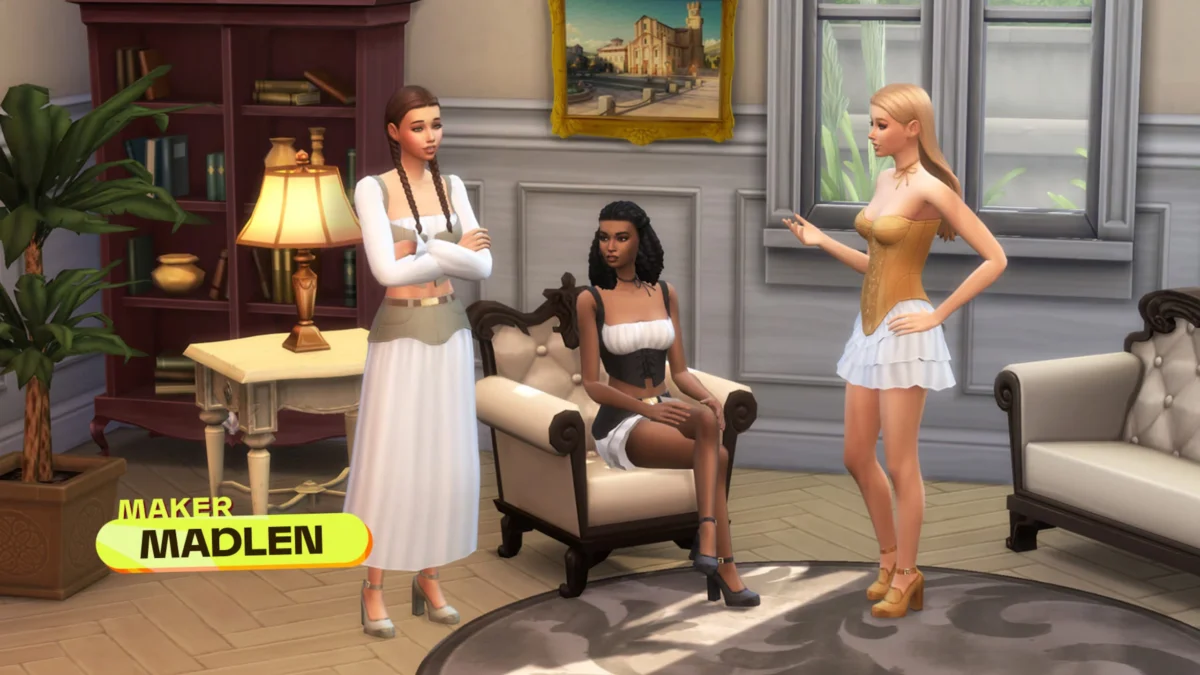
REDWOOD CITY, CA – A significant shift in how players interact with custom content in The Sims 4 has officially expanded to consoles, with the long-anticipated Marketplace and its associated user-created content (UGC) now available on PlayStation and Xbox. This rollout, which occurred little over a month after its debut on PC, brings both new opportunities for player customization and a familiar wave of controversy surrounding its monetization model, particularly the introduction of a premium in-game currency known as "Moola."
The arrival of the Marketplace on consoles marks a concerted effort by Maxis and Electronic Arts (EA) to unify the player experience across platforms and to further integrate a creator-driven economy within one of gaming’s most enduring franchises. However, the path has been anything but smooth, with strong community reactions already shaping the future of content acquisition for PC players, and now leaving console players to navigate a potentially contentious new system.
A New Era for Console Sims: The Marketplace Explained
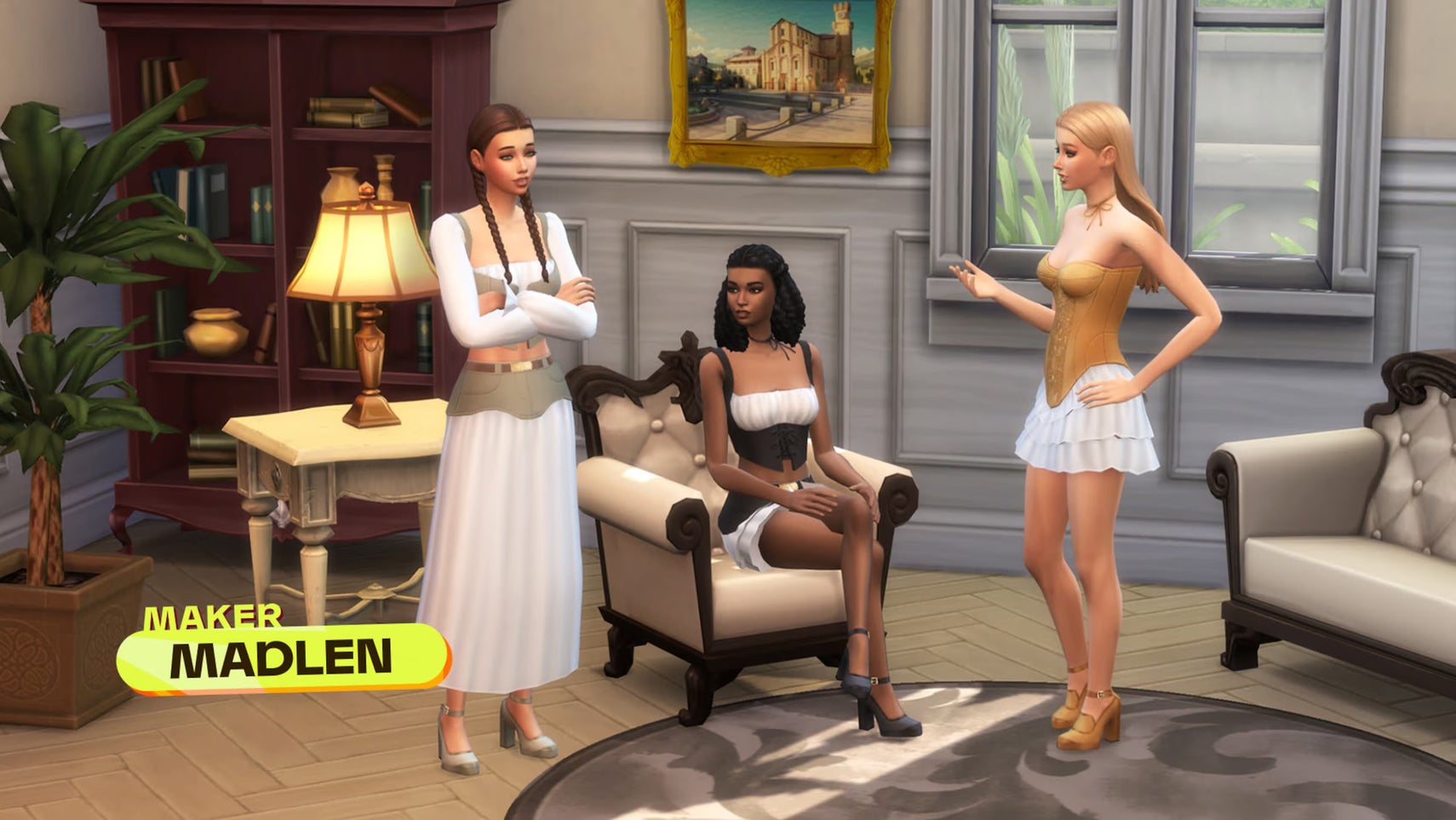
The Sims 4 Marketplace serves as a dedicated hub where players can discover, download, and purchase user-created content. This includes a vast array of custom items, clothing, furniture, architectural elements, and more, crafted by members of the Sims 4 community through the "Sims 4 Creator Program." For console players, who have traditionally had limited access to the expansive world of mods and custom content enjoyed by their PC counterparts, this represents a monumental step towards feature parity and enriched gameplay.
However, the core of the controversy lies in the exclusive payment method for this content: Moola. This new premium currency, which must be purchased with real money, is the sole means by which players can acquire items from the Marketplace. Maxis and EA have positioned the Marketplace as a way to empower creators and offer players more diverse content, but the implementation of Moola has ignited a familiar debate within the gaming community about opaque pricing, forced overspending, and the value proposition of digital goods.
Chronology of a Contentious Rollout
The journey of The Sims 4 Marketplace has been marked by a series of strategic decisions and community reactions, beginning with its initial launch on PC.
PC Launch and Initial Backlash
The Marketplace first made its debut on PC platforms, including the EA App and Steam, approximately a month prior to its console release. From the outset, the introduction of Moola was met with significant resistance from the PC player base. Veteran Sims players, accustomed to a robust free modding scene and clear pricing for official DLC, expressed widespread dissatisfaction. The primary criticisms revolved around Moola’s denominations, which, much like many other in-game currencies, are structured in such a way that players often have to purchase more Moola than they need for a specific item, leaving them with leftover, unusable currency or compelling them to buy additional items they might not otherwise want. This practice, often referred to as "premium currency friction," effectively obfuscates the true cost of digital items and can lead to increased spending.
Beyond the Moola system itself, a significant change was announced regarding "Kits." These smaller, themed content packs, which previously could be purchased directly with real money from digital storefronts (like the PlayStation Store, Xbox Store, EA App, and Steam), were moved to an Moola-only purchase model within the new Marketplace. While larger Expansion Packs, Game Packs, and Stuff Packs retained their direct real-money purchase options, the shift for Kits further fueled the community’s frustration, creating an additional layer of friction for players looking to acquire specific content.
Console Launch: Parity with Caveats
The arrival of the Marketplace on PlayStation and Xbox platforms brings console players into alignment with the PC experience, at least in terms of access to user-created content. Maxis’s official blog post confirming the console launch reiterated that the functionality would be "similar to what PC players have seen." This similarity extends to the Moola-only purchasing system for Marketplace content and, crucially, the initial decision to make Kits exclusively purchasable with Moola.
For console players, this could be a double-edged sword. While gaining access to a new universe of custom content is undoubtedly exciting, they are now directly exposed to the same monetization controversies that have plagued the PC rollout. The expectation is that the console community’s reaction will mirror that of PC players, particularly concerning the Moola system and the change to Kit acquisition.
The Kits Reversal: A PC-Exclusive Reprieve?
Interestingly, just as the Marketplace arrived on consoles, a significant development emerged regarding the Kits situation on PC. A leaked internal memo, widely reported by SimsCommunity and other outlets, indicated that EA was reconsidering its stance on Kits. According to the memo, the publisher intended to revert Kits to being directly purchasable with real money, bypassing the need for Moola. This change was reportedly implemented on the EA App first, with Steam expected to follow suit around April 20th.
This swift reversal for PC players suggests that EA and Maxis were sensitive to the strong negative feedback from their most established player base. However, the immediate implication for console players is less clear. The memo, and subsequent actions, appear to be limited to the PC version of the game. This creates a potential disparity where console players might continue to be restricted to Moola for Kits, while PC players regain direct purchase options. It raises questions about whether EA will adopt a "wait and see" approach for consoles, evaluating their reaction before potentially extending the same policy reversal.
Supporting Data: The Broader Context of Paid Mods and Live Service Monetization
The controversies surrounding The Sims 4 Marketplace and Moola are not isolated incidents but rather fit into a long and often "fraught" history of paid mods and evolving monetization strategies in the gaming industry.
The Turbulent History of Paid Mods
The concept of paid user-created content has been a sensitive topic for years. One of the most notable historical examples is Valve’s ill-fated attempt to introduce paid mods to Skyrim via the Steam Workshop in 2015. That initiative was met with an overwhelmingly negative backlash from the community, leading Valve to reverse the decision within days. Players argued that it commodified content that had traditionally been free, introduced quality control issues, and created an unfair revenue split for creators.
While The Sims 4 Marketplace differs in its implementation (being an official, curated platform rather than an open workshop), it shares fundamental challenges: balancing creator compensation with player expectations for free or fairly priced content, ensuring quality, and managing the perceived value of digital goods. The Sims community, in particular, has a rich tradition of free custom content, making any shift towards paid mods inherently sensitive.
The Economics of Premium Currency: Moola Under Scrutiny
The Moola system exemplifies a common monetization strategy seen in many free-to-play and live-service games. Publishers often introduce a secondary, premium currency for several reasons:
- Obfuscation of Value: By divorcing real-world money from in-game item prices, it becomes harder for players to directly compare the cost of an item to its real-money equivalent, potentially encouraging more impulsive purchases.
- Forced Overspending: The bundling of Moola into specific denominations (e.g., buying 1,000 Moola when an item costs 850) ensures that players often have leftover currency, incentivizing them to spend more to utilize the remaining balance.
- Platform Neutrality: A single in-game currency can simplify transactions across multiple platforms and storefronts.
- Sales and Promotions: It allows for "sales" on Moola packs or items, creating a perception of value even if the underlying real-money cost remains high.
For The Sims 4, a game that already generates substantial revenue through numerous Expansion Packs, Game Packs, and Stuff Packs, the addition of Moola for Kits and Marketplace content is seen by many players as an unnecessary layer of monetization. It adds friction to an already established purchasing model and, critically, feels like a departure from the game’s long-standing relationship with its dedicated player base. The perceived "nickel-and-diming" effect has been a consistent theme in community feedback.
The Sims 4’s Enduring Business Model
The Sims 4, launched in 2014, has enjoyed remarkable longevity, partly due to its transition to a free-to-play base game model and its continuous stream of paid DLC. The game has become a prime example of a "live service" title, sustained by an ever-expanding catalog of content.
- Expansion Packs: Large, thematic additions that significantly alter gameplay.
- Game Packs: Mid-sized packs introducing new gameplay mechanics and areas.
- Stuff Packs: Smaller collections of themed objects and clothing.
- Kits: Micro-packs focusing on very specific themes, like a single clothing collection or a set of kitchen items.
The introduction of the Marketplace and Creator Program aligns with this live-service philosophy, aiming to further diversify content offerings and tap into the creativity of the player community itself. It represents a strategy to maintain player engagement and open new revenue streams, especially as the game enters its tenth year and anticipation builds for the next iteration, Project Rene. The question, however, is whether these new monetization methods will enhance or detract from the overall player experience and the franchise’s long-term health.
Official Responses and Strategic Adjustments
Maxis and EA’s communication around the Marketplace has largely focused on its benefits for creativity and player choice, though their actions suggest a degree of responsiveness to community feedback.
Maxis’s Stated Goals
In their official announcements, including the blog post detailing the console launch, Maxis emphasized the Marketplace’s role in "empowering creators" and offering "new ways to customize" the Sims 4 experience. The Creator Program is framed as an opportunity for talented community members to showcase their work and be compensated for it, thereby enriching the game’s ecosystem with a broader range of styles and themes than Maxis could produce alone. This aligns with a common industry narrative for UGC platforms: fostering a vibrant creator economy benefits both players and the platform holder.

Addressing the Moola and Kits Criticism
While Maxis and EA have not issued a direct, public apology or comprehensive statement specifically addressing the widespread criticism of Moola or the initial Kits policy, the leaked memo and subsequent actions on PC speak volumes. The decision to revert Kits to direct real-money purchases on the EA App and Steam strongly indicates that the negative feedback from the PC community was heard and acted upon. This rapid adjustment suggests that player sentiment, particularly concerning pricing transparency and ease of purchase, carries significant weight.
The lack of an immediate, similar reversal for consoles, however, points to a potentially different strategy. It’s plausible that EA is monitoring the console community’s reaction to the Moola-only Kits before making a similar policy change. This could be due to a smaller initial console player base, different purchasing habits, or a desire to test the longevity of the Moola system in a new market segment. This bifurcated approach – one policy for PC, another (for now) for consoles – highlights the dynamic and often reactive nature of live-service game management.
Implications: The Future of The Sims and Player-Created Content
The launch of The Sims 4 Marketplace on consoles, coupled with the ongoing Moola controversy and the PC-specific Kits reversal, has several significant implications for players, creators, and the future direction of the Sims franchise.
Impact on Console Players
For console players, the Marketplace opens up an entirely new dimension of customization that was previously inaccessible. The ability to integrate community-made content promises to refresh their gameplay experience and extend the life of the game. However, they are now directly confronting the Moola system and its associated frustrations. The persistence of Moola-only Kits on consoles, even as PC players gain a reprieve, could foster a sense of being treated as a secondary market or a testing ground for monetization strategies. It remains to be seen if the console community will voice their dissatisfaction as vocally as their PC counterparts, and whether EA will respond with similar policy adjustments.
The Creator Ecosystem
The Creator Program, which underpins the Marketplace, represents a formalization of the Sims modding scene. It offers a structured way for creators to monetize their work, potentially attracting more talent and fostering higher quality content. However, the success of this ecosystem hinges on fair compensation for creators and a transparent system for players. The Moola currency, while simplifying transactions, also adds complexity for creators in terms of understanding their real-world earnings. Questions about revenue splits and creator support will be crucial for the long-term health of this program. For console players specifically, the availability of high-quality UGC could be a game-changer, provided the monetization doesn’t deter adoption.
Industry Trends and Future of Live Services
The Sims 4 Marketplace rollout reflects a broader trend in the gaming industry: the increasing integration of player-created content into official monetization schemes. As games continue to evolve as live services, leveraging community creativity becomes a powerful tool for sustained engagement and revenue. However, the backlash against Moola underscores the delicate balance publishers must strike between monetization and community goodwill. The rapid adjustment for PC Kits indicates that even large publishers like EA are willing to pivot when facing significant player resistance, suggesting that community feedback continues to hold sway in the live-service era.
Looking Ahead to Project Rene (The Sims 5)
The experiences and lessons learned from The Sims 4 Marketplace will undoubtedly influence the development and monetization strategies for the next generation of The Sims, currently known as Project Rene. EA and Maxis are likely testing various models and observing player reactions to inform how they approach UGC, premium currencies, and DLC in future titles. Will Project Rene launch with a similar in-game currency, or will the feedback from Sims 4 lead to a more player-friendly, transparent system from day one? The ongoing developments in The Sims 4 serve as a critical proving ground for the franchise’s future direction.
In conclusion, The Sims 4 Marketplace’s arrival on consoles marks a significant expansion of content accessibility for a new segment of players. Yet, it also brings the ongoing debate surrounding Moola and the monetization of Kits to the forefront. As Maxis and EA navigate the complexities of a live-service game with a passionate community, the coming months will reveal whether the console players’ experience will mirror that of PC, and if further adjustments will be made to ensure that new content enriches, rather than frustrates, the beloved Sims experience across all platforms. Players, creators, and industry observers will be keenly watching how this evolving landscape shapes the future of one of gaming’s most iconic franchises.


 Lina Irawan
 Sagoh
Sagoh